

Trump Abandons Saudi Arabia to Face Houthis Alone, Says Mearsheimer
news

Trump Abandons Saudi Arabia to Face Houthis Alone, Says Mearsheimer

By Editorial Team•Sep 28, 2026 · 12:06 PM•3 min read
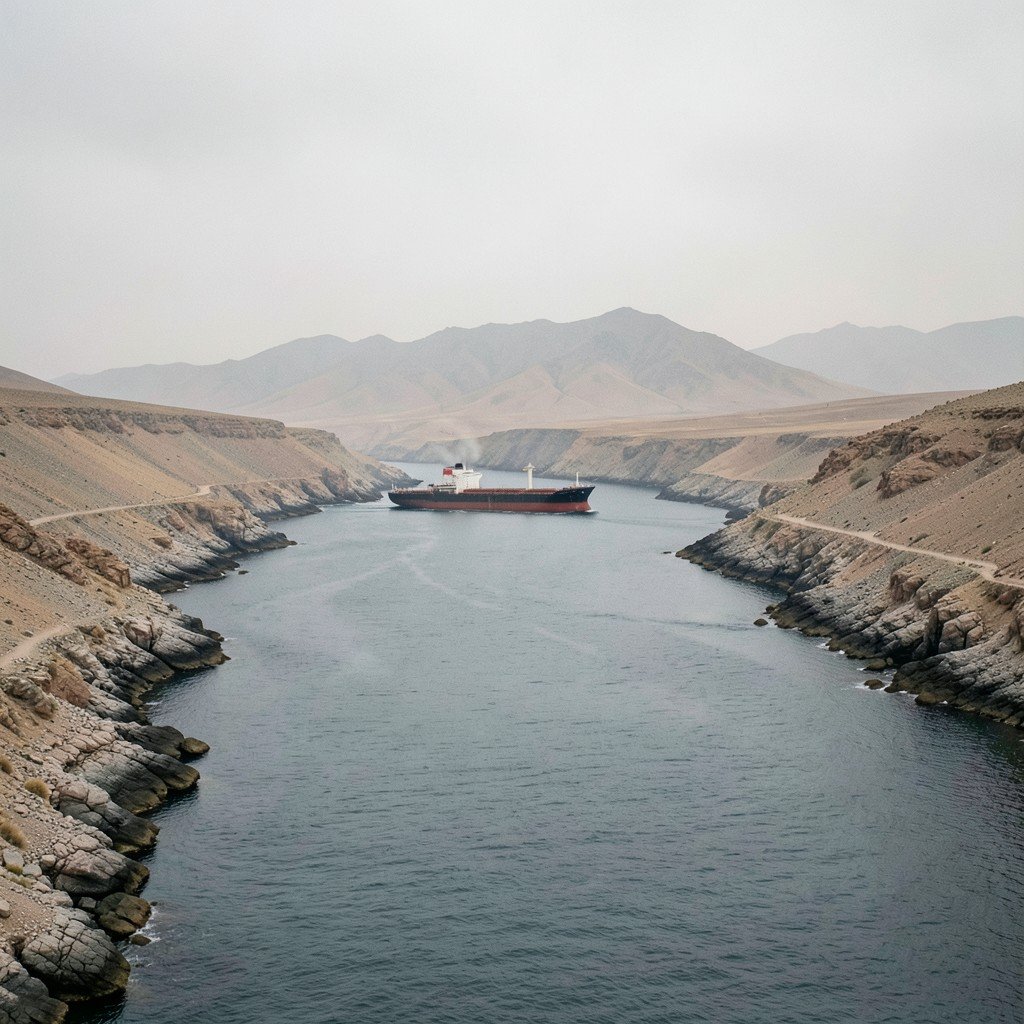
AI-generated representative image: A commercial tanker navigates the Bab el-Mandeb Strait, a strategic Red Sea route central to the Saudi-Houthi tensions.
Editorial Team
Editorial Team
University of Chicago professor says Washington is reluctant to rescue Riyadh after last year's failed bombing campaign against the Yemeni group

US President Donald Trump has effectively abandoned Saudi Arabia, leaving the key Middle East ally to confront "almost a full-blown war" with Yemen's Houthis, according to political scientist and University of Chicago Professor John Mearsheimer.

Mearsheimer made the assessment in an interview with RT's New Order program hosted by Afshin Rattansi, as hostilities between Riyadh and the Shiite militant group, officially known as Ansarullah, have escalated sharply in recent weeks after several years of relative calm.

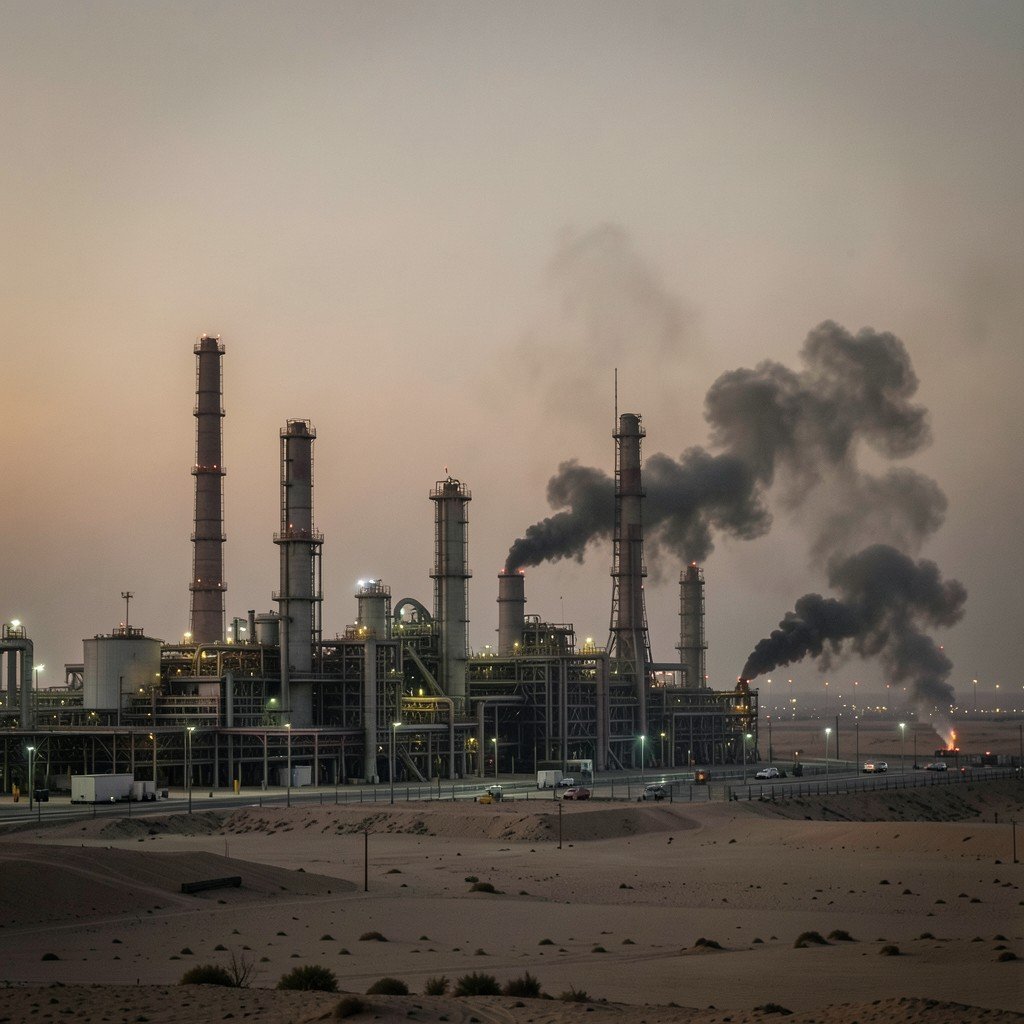
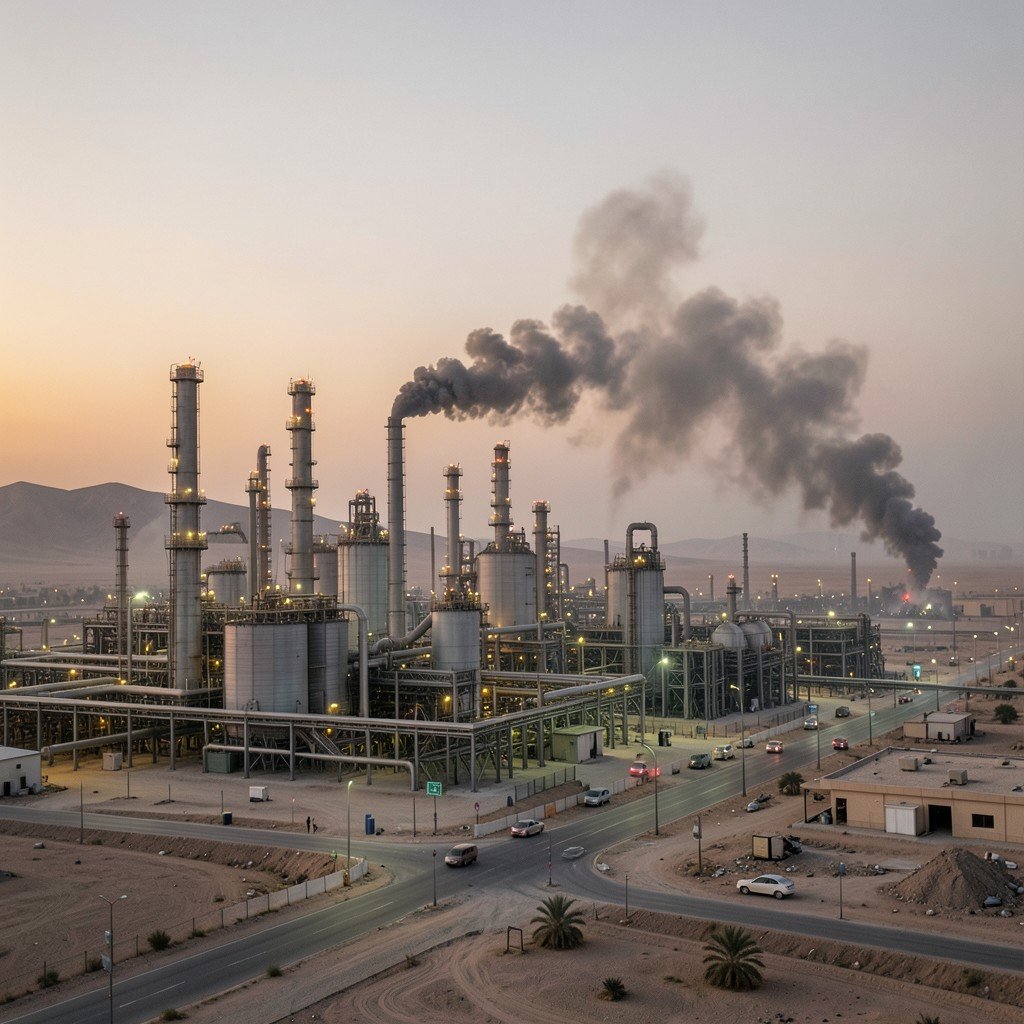
The development marks a significant shift in Washington's posture toward one of its longest-standing regional partners, with Saudi Arabia now facing intensifying missile and drone attacks on its territory while receiving no direct American military intervention.

The escalation also threatens global energy trade, given that the Houthis have seized positions around the Bab el-Mandeb Strait, a waterway Riyadh increasingly depends on for oil exports.

Escalation and Washington's Reluctance

Earlier this month, the Houthis seized control of Yemen's Red Sea coast and took positions around the Bab el-Mandeb Strait. Saudi Arabia has increasingly relied on this route for oil exports since navigation through the Strait of Hormuz was reduced to a trickle amid the US-Israeli war against Iran.

Mearsheimer said Saudi Arabia's "foolish" decision to "attack the Houthis and pick a fight with them" has placed the kingdom in "really deep trouble," adding that the "Houthis are a formidable fighting force, and the Saudis are not."

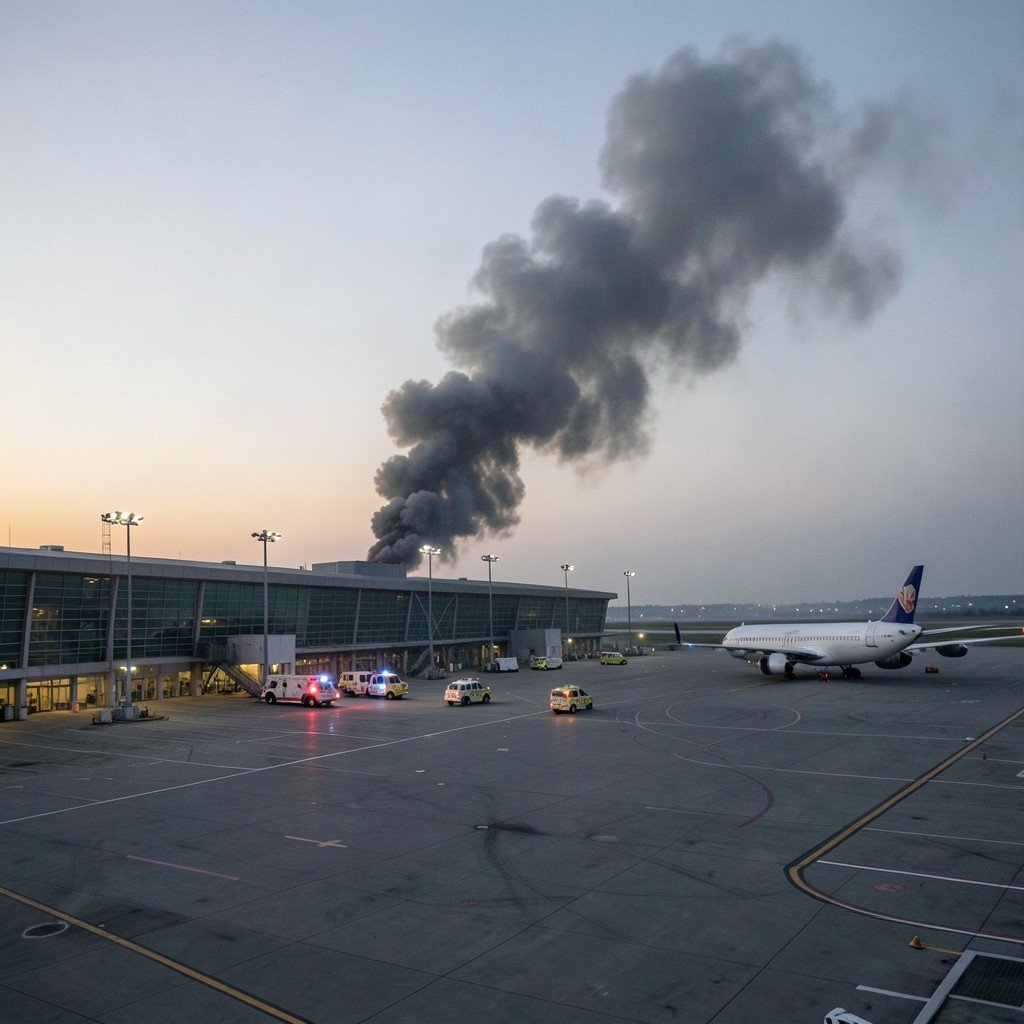
He suggested, citing media reports, that Trump encouraged Riyadh to strike an airport in the Houthi-controlled Yemeni capital, Sanaa, in mid-July. The attack, apparently intended to prevent an Iranian plane carrying a Houthi delegation from landing, shattered the UN-brokered 2022 truce and triggered the current escalation.
Background and Previous Campaign

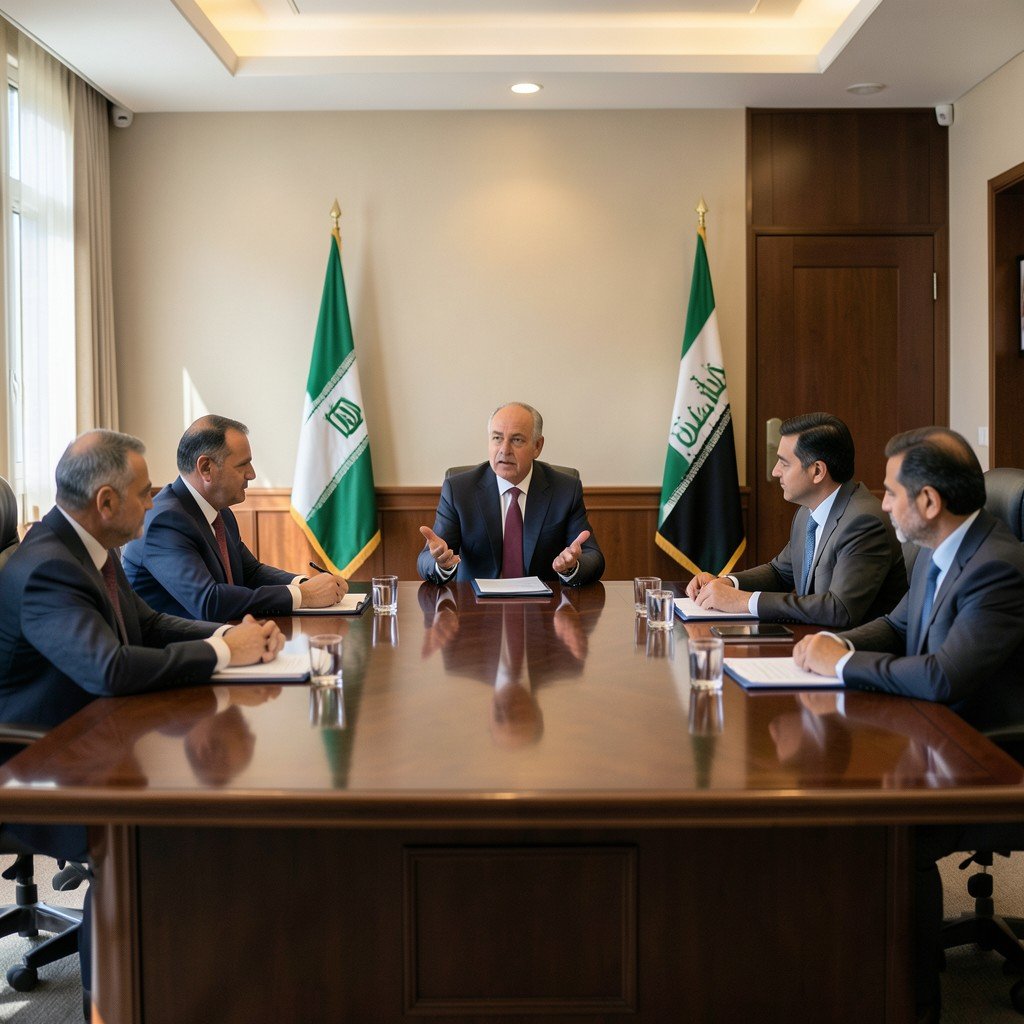
Mearsheimer gave credence to reports by the New York Times that Saudi Crown Prince Mohammed bin Salman had phoned Trump on multiple occasions in recent weeks seeking military support against the Houthis. According to the report, the president decided not to intervene.

Trump was reportedly close to authorizing strikes on the Houthis last weekend but reversed his decision at the last minute. Mearsheimer said "the last thing [Trump] wants to do is get into a fight with [the Houthis] to try to rescue Saudi Arabia," particularly given how badly America's previous attempt to bomb the group into submission went last year.

Less than two months into that campaign, Trump abruptly announced a ceasefire, declaring victory and saying the Houthis had promised not to attack US ships. "But in fact, the Houthis beat the United States. We did not defeat the Houthis," Mearsheimer said.

Iranian Warning to Arab Nations

Speaking to Al-Mayadeen on Saturday, Ibrahim Azizi, head of the National Security Committee in the Iranian Parliament, warned neighboring Arab nations against cooperating with the United States and allowing Washington to use their territory as a launchpad for attacks.

Azizi added that the US security umbrella in the Middle East has proven to be ineffective, reflecting Tehran's broader push to discourage regional states from aligning with American military strategy.

Current Status and What Comes Next

As of now, the United States has not authorized strikes on the Houthis, and no direct American military intervention has been confirmed. Saudi Arabia continues to face missile and drone attacks while Riyadh-backed government forces attempt to hold off the group's advances inside Yemen.

Whether Washington will reverse its position or maintain its current posture remains unclear, and further developments are awaited.

MORE LIKE THIS

Comments (0)

Leave a comment

A verified Gmail account is required to post comments.

No comments yet. Be the first to share your thoughts!