

Iran War Cost Messaging Targets US Midterm Election Voters
news

Iran War Cost Messaging Targets US Midterm Election Voters

By Editorial Team•Oct 16, 2026 · 6:47 PM•4 min read
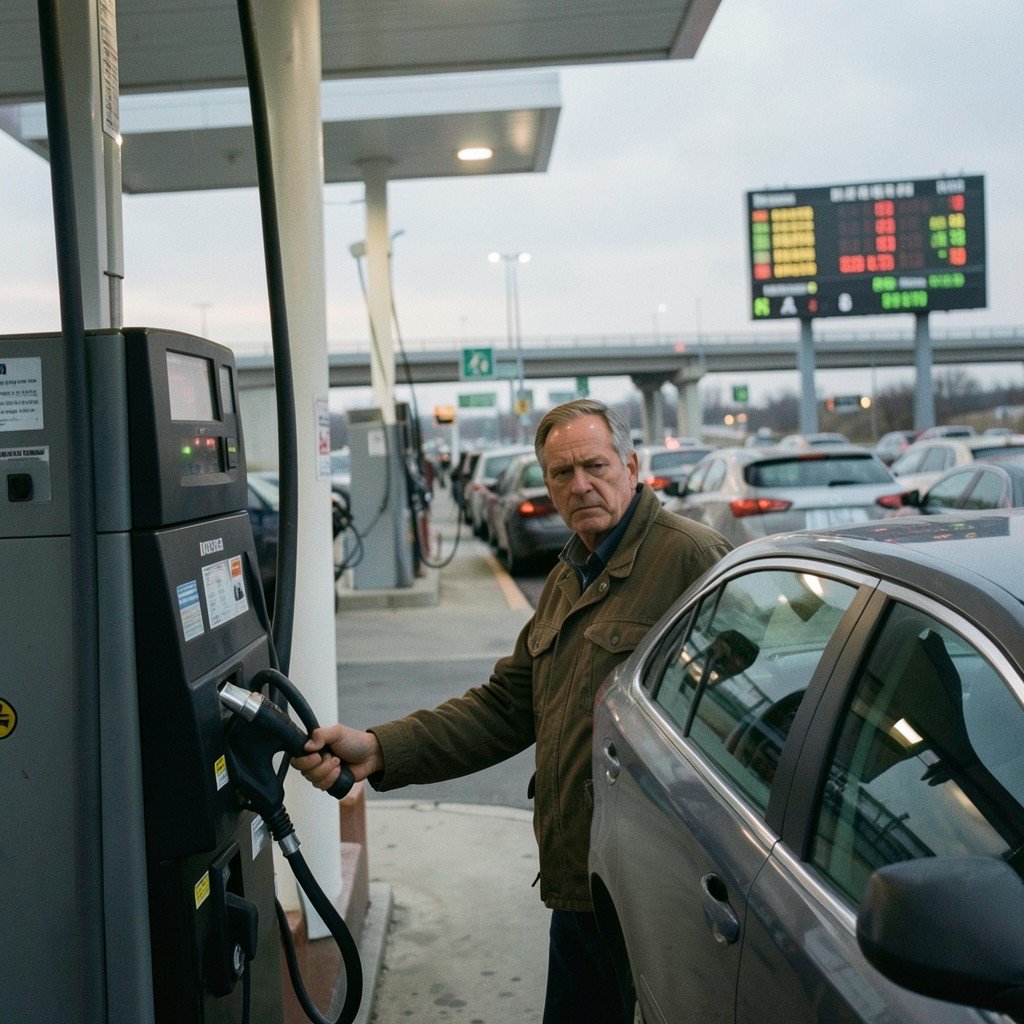
AI-generated representative image: A driver refuels at a US gas station as rising energy prices fuel inflation concerns ahead of the midterm elections.
Editorial Team
Editorial Team
Tehran amplifies inflation and energy price warnings to sway American public opinion before November vote

Iran has intensified a public messaging campaign highlighting the economic cost of the war launched by the United States and Israel, directing its appeals at American voters ahead of the November 3 midterm elections. Iranian officials have published articles in state-affiliated outlets stressing the impact of the conflict on oil prices and the US economy, while Parliament Speaker Mohammad Bagher Ghalibaf has directly targeted US officials over rising costs and military spending.

The messaging effort reflects Tehran's strategy of increasing the political cost of the war for President Donald Trump by speaking directly to the American public, according to analysts. The campaign carries particular weight because the midterm elections are widely seen as a potential turning point in the conflict, with Democrats largely opposing the war and mounting strong challenges across the congressional map, including in long-standing conservative strongholds such as Texas.

Key Developments in Iran's Messaging Campaign

On Wednesday, Ghalibaf shared a news report showing inflation rising to 3.7 percent last month, accompanied by a collage of negative headlines on the US economy. The post included a comic strip from the Road Runner cartoon depicting Wile E Coyote building a catapult that misfires and launches a boulder at him.

Ghalibaf addressed US Treasury Secretary Scott Bessent, who has led the sanctions campaign against Iran, writing: "Let's 'play the percentages'. Not in odds, but in the % increases." The remark underscored that the cost of living continues to rise due to the war despite Bessent's assertions. Days earlier, Ghalibaf shared an image of a ghost shaped like a bell curve, showing diesel prices rising while housing affordability and consumer confidence fell.
Background and Economic Impact of the War

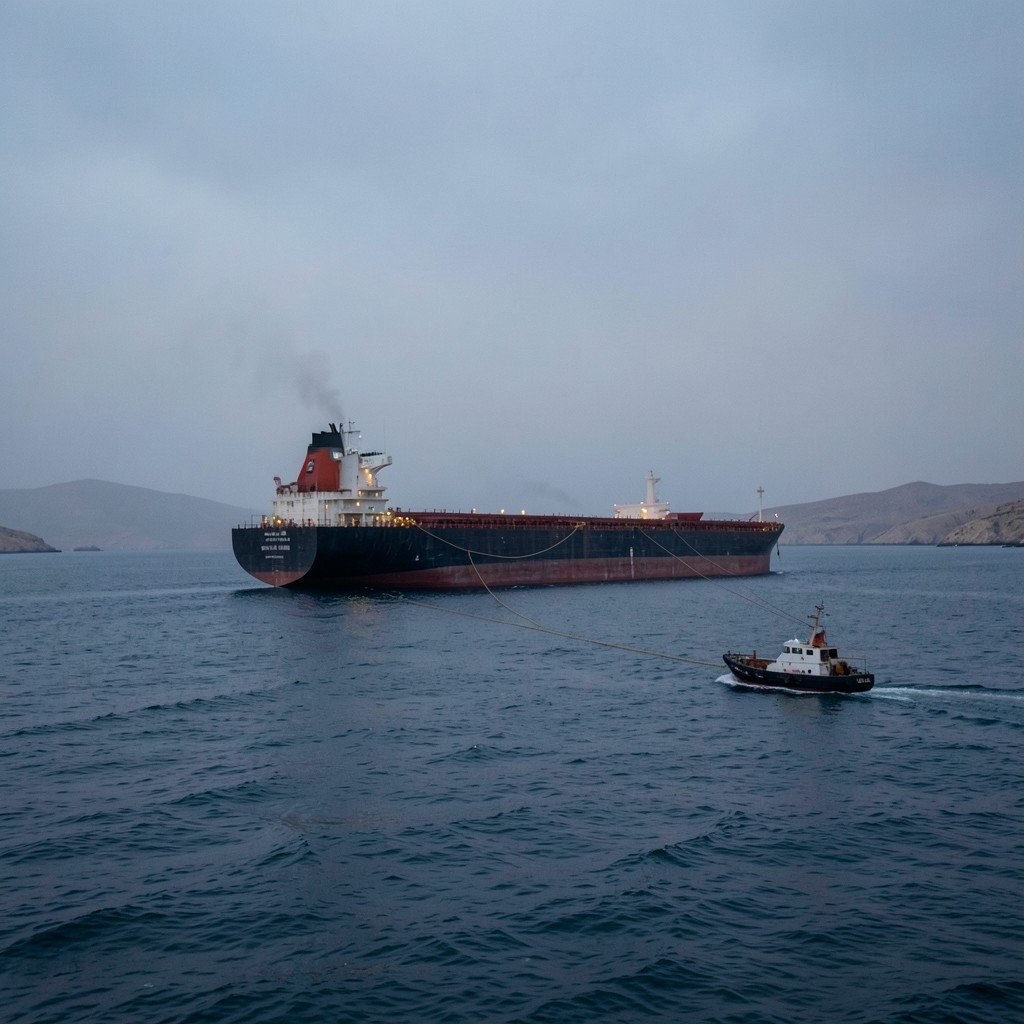
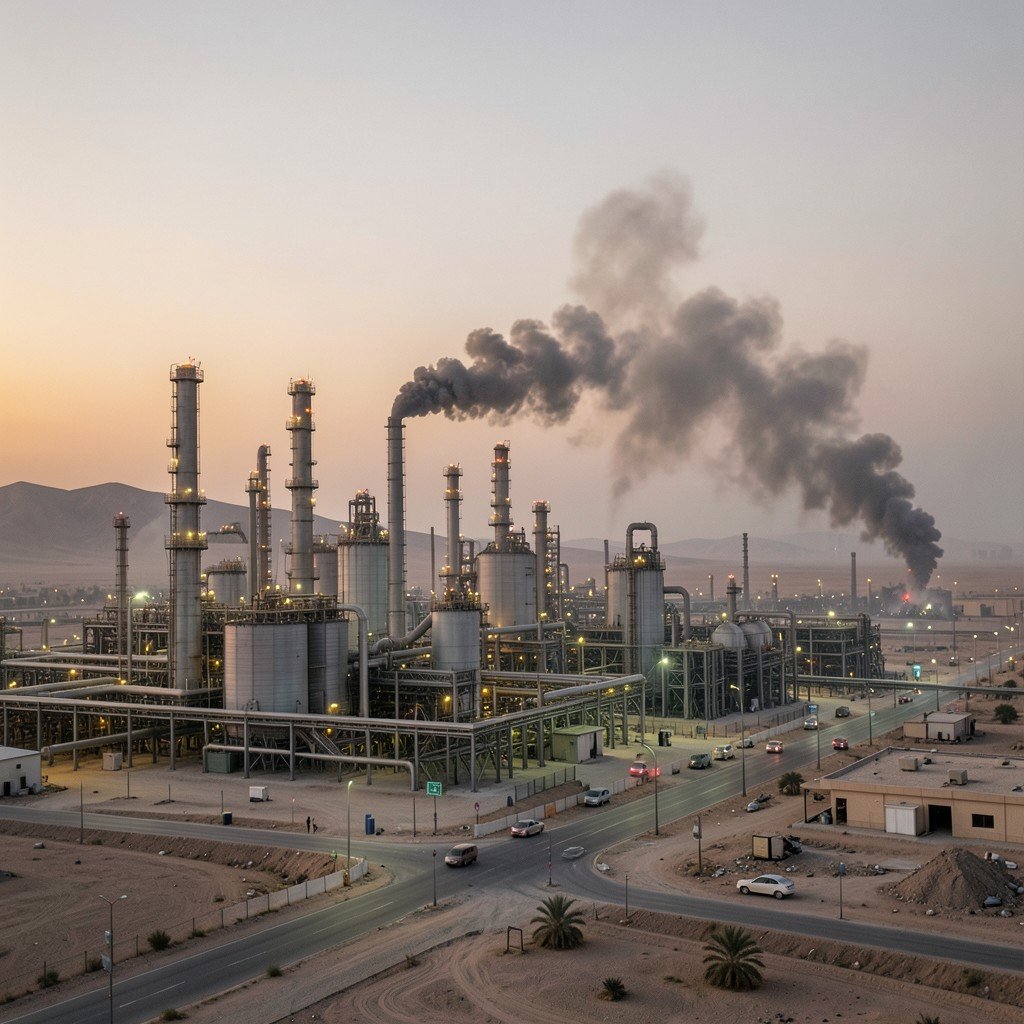
Since the war began on February 28, Iran has disrupted shipping in the Strait of Hormuz, sending energy prices soaring. In the United States, the price of diesel has reached an all-time record of $6.33 per gallon (3.8 litres), according to the American Automobile Association, while gas stands at $4.33, up from less than $3 before the conflict. Iran has intensified its attacks on vessels around the strait in recent days after Trump and his aides repeatedly stressed that the waterway is under US control.

The surge in energy prices has fuelled overall inflation, leading the US Federal Reserve to raise interest rates last month at a time when Trump has been calling for cuts to stimulate economic activity. Trump's Republican Party is seeking to retain control of the Senate and House of Representatives in next month's vote.

Official Statements and Analyst Assessment

In a letter to the American public on September 29, Iran's Islamic Revolutionary Guard Corps (IRGC) accused Trump of lying about the cost of the war and the state of the US economy, dismissing the president's claims that oil prices would soon nosedive. "Countries around the world have lost their faith in the US economy. Demand for American bonds has plummeted. In fact, countries are starting to offload their US bonds," the IRGC stated.

Sina Toossi, a senior non-resident fellow at the Center for International Policy, said Tehran is seeking to increase the political cost of the war for Trump. "It's not necessarily that they're trying to get Democrats in power or manipulate US politics in a certain direction, other than just overall increasing the costs on this issue of the Iran war, and just playing that game of information warfare," Toossi said.

What Lies Ahead

Trump has suggested he would either strike a deal with Iran or return to a full-scale war after the November 3 legislative elections, while dismissing the idea that the vote will affect his Iran policy. Speaking at the United Nations General Assembly last month, he said: "I gave absolutely no credence and will not give credence to the election. When it comes to Iran, it doesn't even enter my mind."

If Democrats gain control of Congress, they could push to curb Trump's ability to continue the war, including by withholding funding for the military campaign. Toossi noted that Iran is not hedging its bets on either outcome, saying the strategy of increasing the costs of war remains constant regardless of what happens in November.

MORE LIKE THIS

Comments (0)

Leave a comment

A verified Gmail account is required to post comments.

No comments yet. Be the first to share your thoughts!