

Iran Targets US-Assisted Oil Shuttle System in Strait of Hormuz
news

Iran Targets US-Assisted Oil Shuttle System in Strait of Hormuz

By Editorial Team•Oct 12, 2026 · 6:05 PM•4 min read
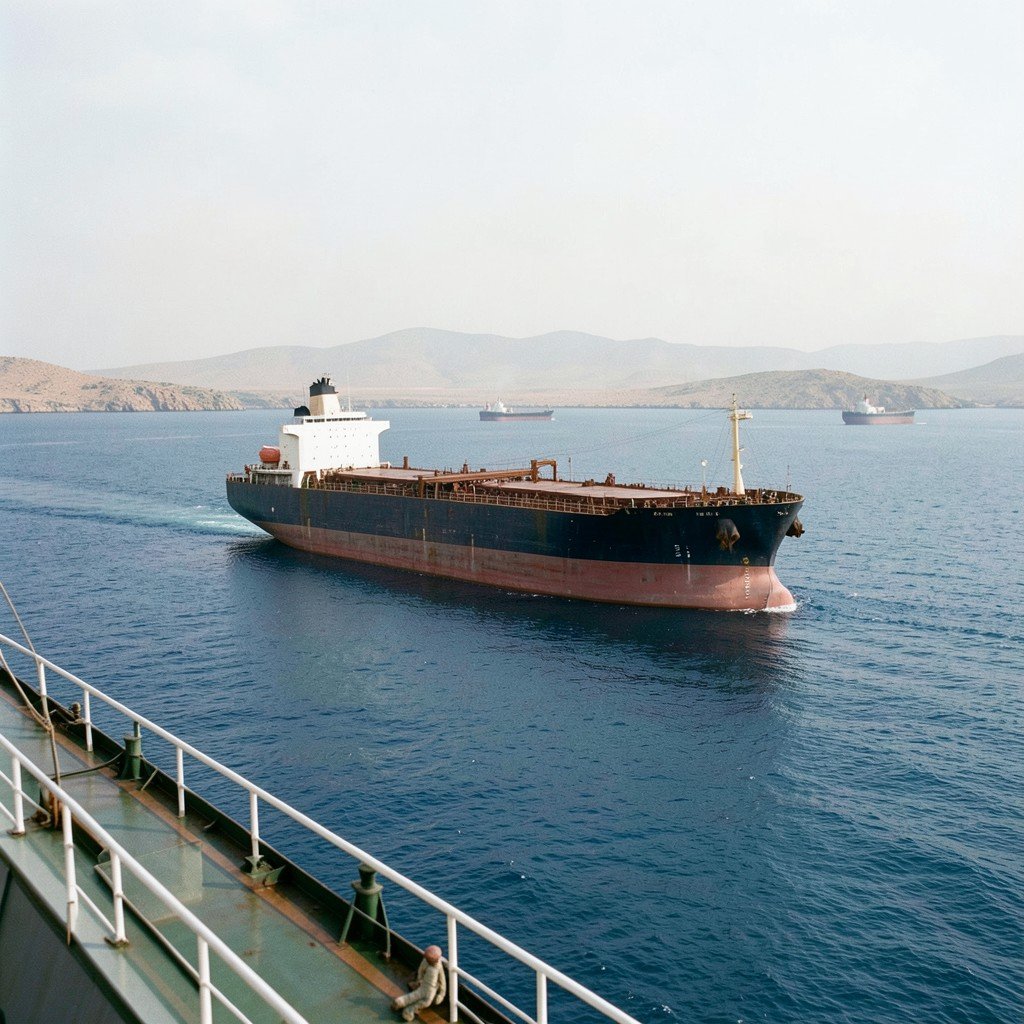
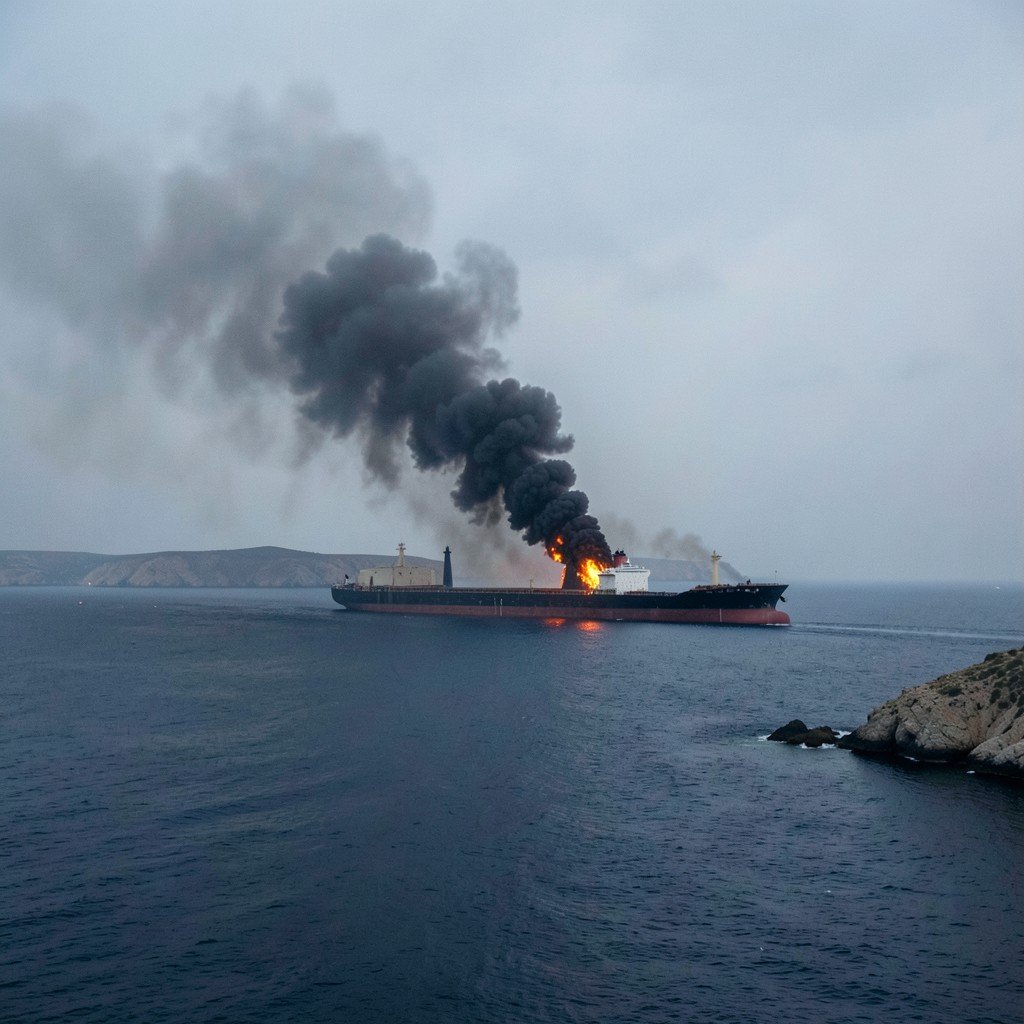
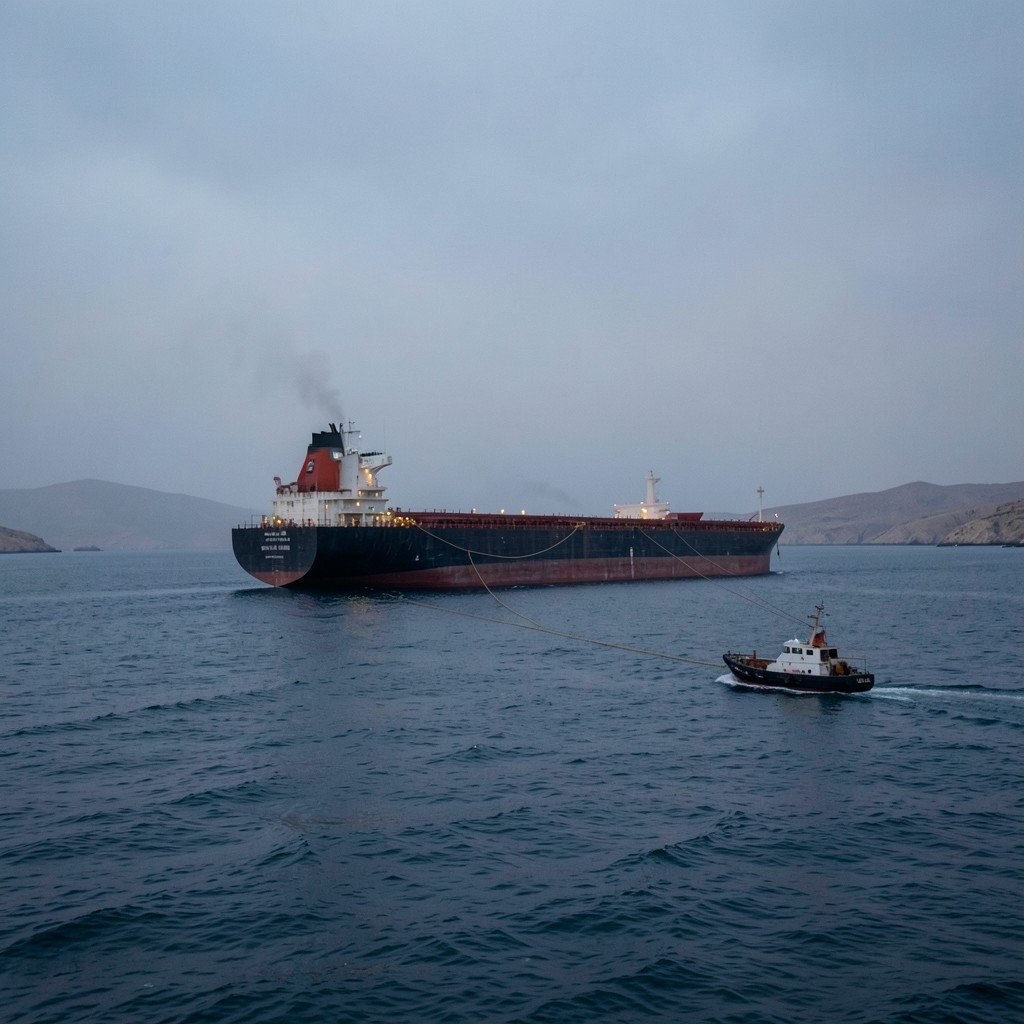
AI-generated representative image: Oil tanker and shuttle vessel during a ship-to-ship transfer near the Strait of Hormuz shipping corridor.
Editorial Team
Editorial Team
Tehran escalates military and diplomatic pressure as attacks on tankers transiting the southern corridor intensify

Iranian authorities have signalled their intention to disrupt an Arab-operated, United States-assisted shuttle system that has enabled increased energy exports through the Strait of Hormuz during the US-Israel war on Iran. Security chief Mohsen Rezaei said on Sunday night that the transfer network, which uses smaller vessels to move oil to larger tankers, is now an explicit target for Tehran.

The escalation matters because the Strait of Hormuz carried roughly a fifth of global oil and gas before the war, and its partial closure has already triggered a worldwide energy and freight crisis. Iran is seeking to regain leverage over Washington, which has maintained a naval blockade of Iranian southern ports while Gulf states continue exporting through a US-protected southern corridor near Oman.

Escalating Threats and Attacks

Rezaei claimed the US Central Command, with assistance from the United Arab Emirates military, was using smaller vessels to transfer oil to larger tankers, and that Iran had been striking five or six participating vessels nightly for weeks. He warned that US-linked cables, data centres and artificial intelligence facilities in the UAE and around the Strait of Hormuz could be targeted.

He also accused Saudi Arabia of helping the US move oil around Iran's restrictions, though he stopped short of threatening a direct attack against Riyadh. Multiple vessels were targeted overnight Sunday to Monday, including two outbound tankers and one at anchorage near Oman's port city of Sohar, where ship-to-ship transfers are reportedly conducted.

Background of the Conflict

The Strait of Hormuz has been largely closed to shipping following Iranian attacks since the US and Israel launched strikes on Iran on February 28. In early September, Iran's Islamic Revolutionary Guard Corps (IRGC) threatened tankers at ports and anchorages in Kuwait and Bahrain, accusing both countries of complicity through hosting US armed forces.

Iran has claimed the US accepted some of Tehran's seven conditions for fully reopening the strait and ending the war, but Tehran insists a deal will only materialise when all its demands are met. Hamidreza Azizi, a senior Iran analyst at the Crisis Group, said this reflects Tehran's apparent assessment that it is under no immediate pressure to reach an agreement, given the global impact of its leverage over Hormuz.

How the Transfer System Works

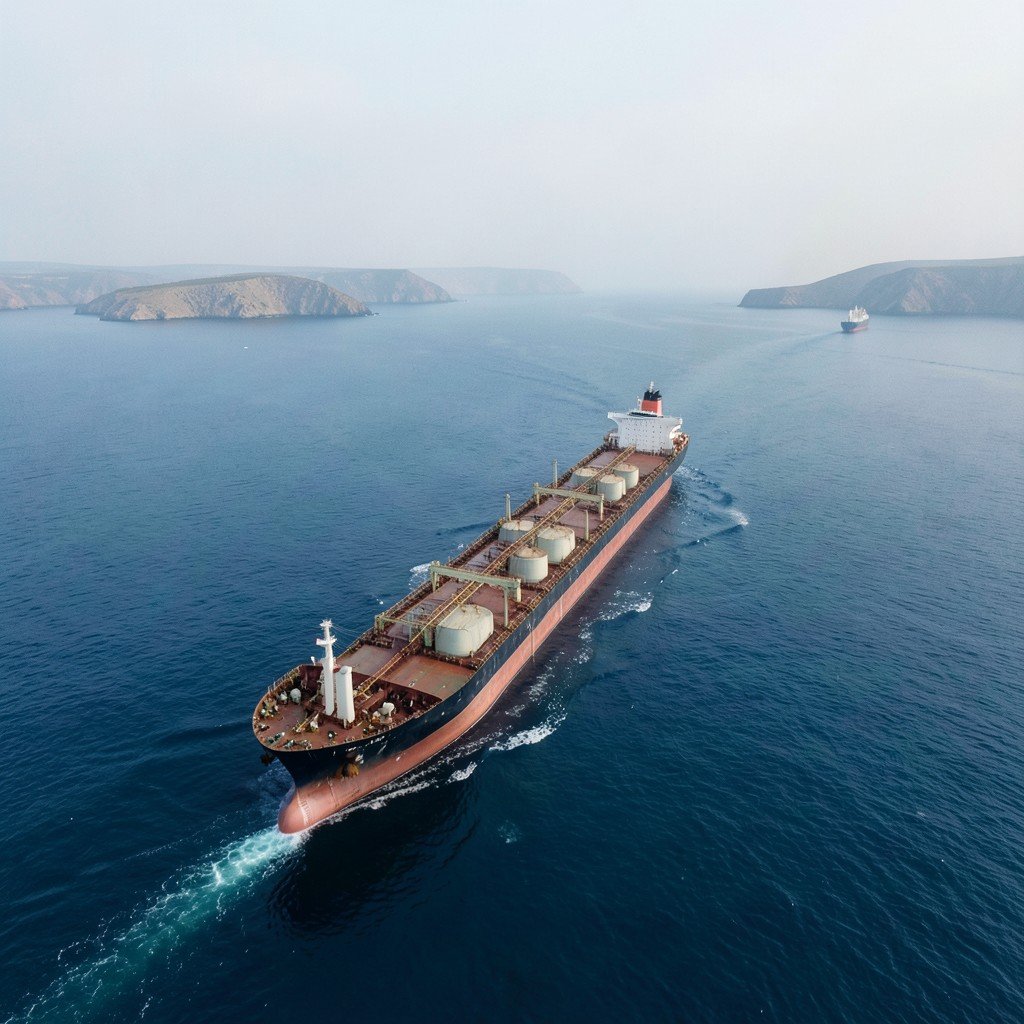
The shuttle system involves very large crude carriers and smaller vessels coordinating with the US military to load crude oil at Arab ports and use southern corridors near Oman's coast to exit the strait. Vessels often switch off their transponders and travel at night to reduce the risk of being targeted. After ship-to-ship transfers in the Gulf of Oman, some shuttles return to load more.

Michelle Wiese Bockmann, a senior maritime intelligence analyst at Windward, said Oman has allowed vessels to transit under international maritime law with US military assistance. The IRGC has also pushed a narrative that naval mines planted across the strait pose a serious threat to vessels navigating without coordinating with Iran's Persian Gulf Strait Authority, and said three tankers suffered major damage over the weekend after being struck by mines.

Economic Fallout and What Comes Next

Windward data shows 31 ships transited the Strait of Hormuz daily in the final week of September, down from 138 before the war. Freight now represents 25 to 30 percent of Gulf crude's cost, compared with 1 to 3 percent before the conflict, and national oil companies have offered discounts of up to $35 per barrel below official selling prices.

Tehran says shipping will remain disrupted so long as the US naval blockade continues. Iran has pledged to pursue military and diplomatic efforts to pressure Washington into submitting to its demands, though no agreement has been confirmed and further escalation remains possible.

MORE LIKE THIS

Comments (0)

Leave a comment

A verified Gmail account is required to post comments.

No comments yet. Be the first to share your thoughts!