

Strait of Hormuz Oil Flows Rebound as Iran Faces Economic Squeeze
news

Strait of Hormuz Oil Flows Rebound as Iran Faces Economic Squeeze

By Editorial Team•Sep 30, 2026 · 5:13 PM•5 min read
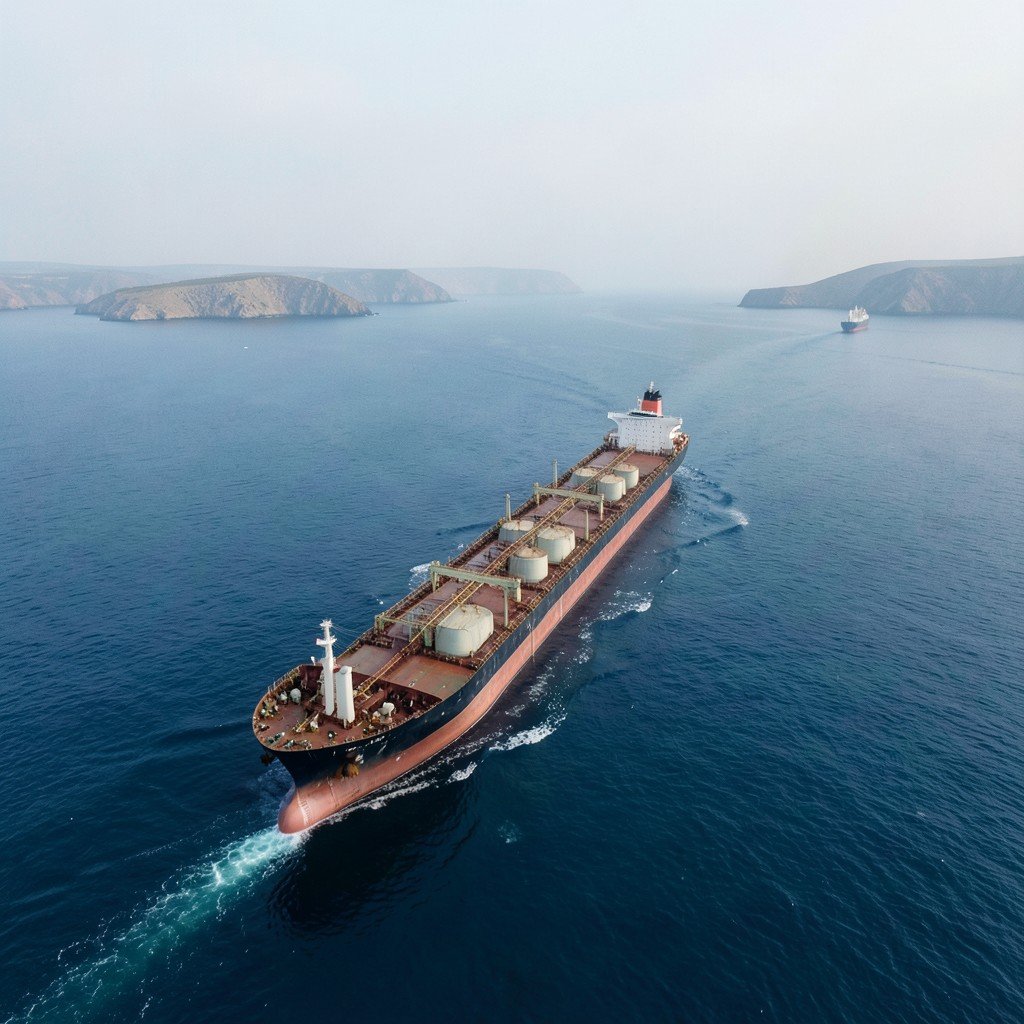
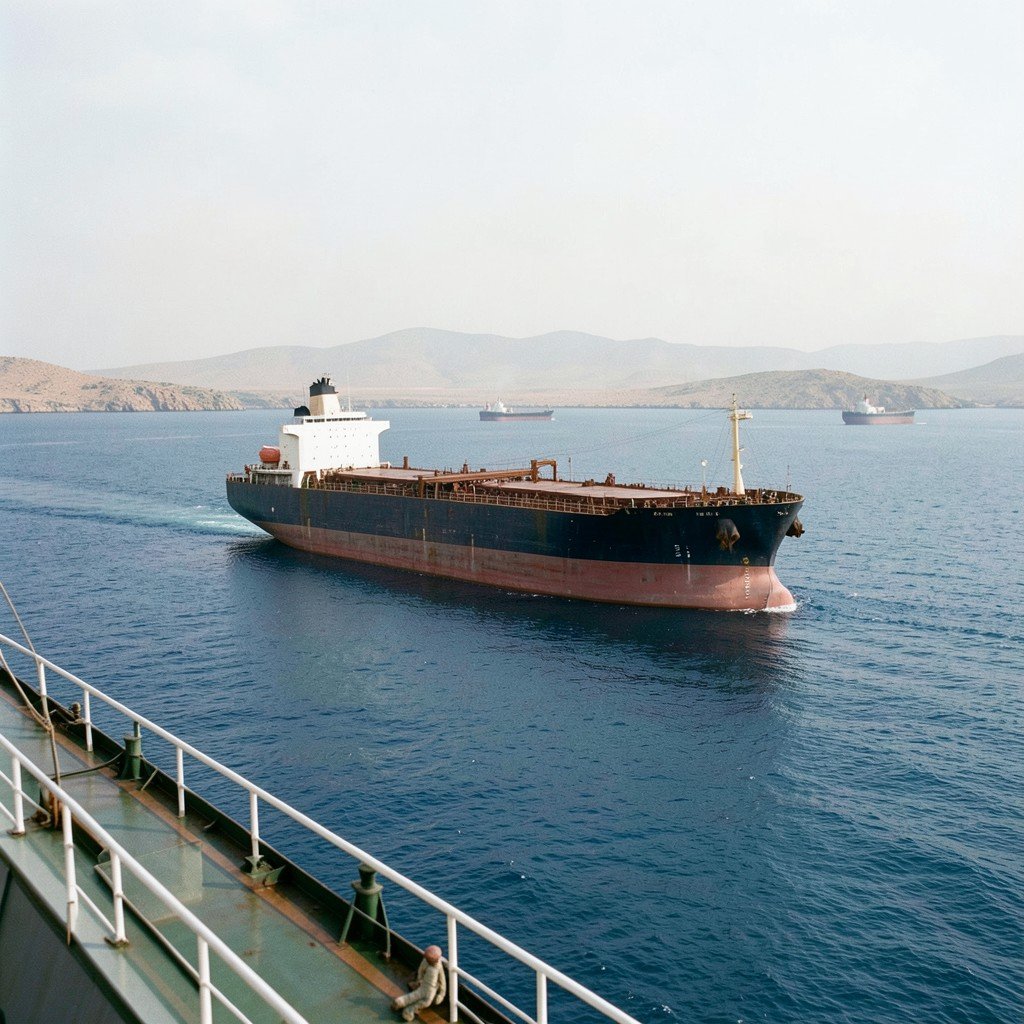
AI-generated representative image. An oil tanker transits the Strait of Hormuz, a key route for Middle East crude exports.
Editorial Team
Editorial Team
Tanker traffic nears 80 percent of pre-war levels as US sanctions and naval blockade weaken Tehran's leverage in negotiations

Oil and petroleum flows through the Strait of Hormuz have recovered to nearly 80 percent of pre-war levels, according to the latest tanker-tracking data, a shift that could reshape negotiations as Iran and the United States work through mediators to end seven months of hostilities that began on February 28.

Crude exports from the Middle East reached an estimated 16.328 million barrels per day in September, their highest level since the war began, while Iran remains under a US naval blockade that has severely strained its already sanctioned economy.

The recovery in oil traffic matters because it potentially weakens one of Tehran's most powerful bargaining tools: its ability to disrupt one of the world's most important energy chokepoints. If large volumes of crude can keep moving through the strait while Iran itself remains blockaded, Tehran's leverage in reaching a favourable deal could diminish.

At the same time, the conflict has imposed heavy costs on both sides, with rising energy prices and inflation now weighing on the US economy ahead of crucial midterm elections.

Recovering Oil Flows and Ongoing Tensions

Commodity analytics firm Kpler reported that Middle East crude exports have recovered to just under 80 percent of their pre-war level, though the figures remain about 3.2 million barrels per day below the 19.513 million barrels per day exported in February. Saudi Arabia has driven much of the increase, with its exports rebounding from 2.446 million barrels per day in August to about 5.4 million barrels per day in September.

Flows through the Strait of Hormuz itself were expected to reach about 9.719 million barrels per day during the month. The data does not include ships crossing with their tracking systems switched off, meaning actual traffic could be higher.

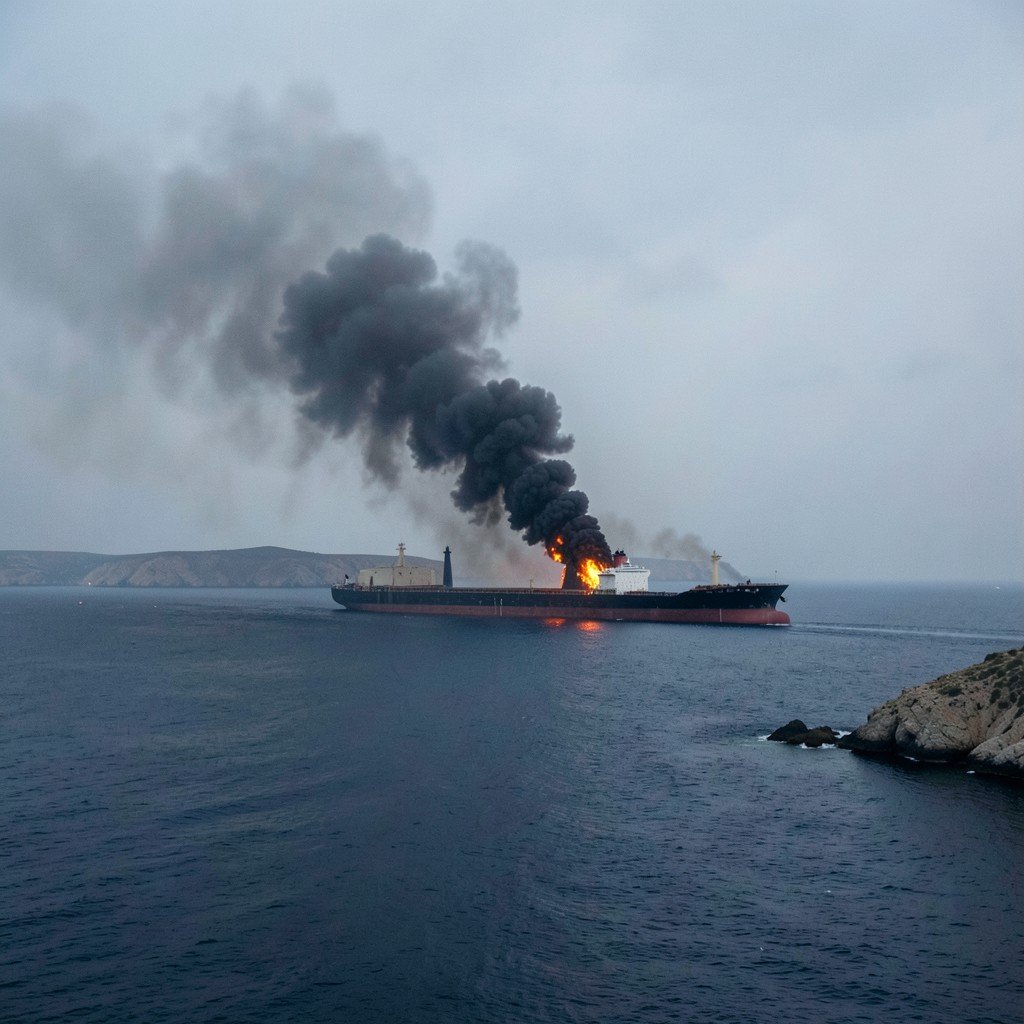
Iran, however, rejects any assessment that its control over the strait is slipping. Hossein Mohebbi, spokesperson for the Islamic Revolutionary Guard Corps, said on Wednesday that there is an ongoing "military conflict" in the Hormuz Strait. Separately, the United Kingdom Maritime Trade Operations centre said unknown projectiles struck three ships in the waterway on Tuesday, including a crude oil tanker.
Background of the Conflict and Economic Pressure

Before the war, an estimated 120 to 140 vessels crossed through the waterway daily, roughly half of them oil tankers moving approximately 20 million barrels per day. At the height of the fighting, traffic collapsed to as few as two tankers a day after Iran effectively closed the strait in retaliation for US-Israeli attacks.

Iran's economy has been hit hard. Official data from the Statistical Center of Iran showed gross domestic product contracting 10.1 percent year on year between March 21 and June 20, while the oil and gas sector shrank 26.4 percent. Twelve-month average inflation reached 69.9 percent earlier in September, and the rial had fallen beyond 2.2 million to the US dollar.

The economic pressure is not one-sided. US diesel prices hit a record $6.53 a gallon this month, more than 70 percent higher than before the war. Higher energy costs contributed to the Federal Reserve's decision to raise interest rates by 25 basis points this month, its first increase in three years. A recent Reuters/Ipsos poll put President Donald Trump's approval at a career-low 32 percent.

Analyst Assessments and Market Signals

Susannah Streeter, chief investment strategist at Wealth Club, cautioned that recovering flows do not yet signal a return to normalcy. "The fact that oil is getting through the Strait of Hormuz is encouraging, but flows are not yet regarded as completely secure or guaranteed, particularly while the wider conflict remains unresolved," she said.

Brent crude fell 2.6 percent to $102.59 a barrel on Tuesday as traders focused on recovering exports, but it was still heading for a roughly 13 percent gain in September. Streeter noted that insurance costs for tankers remain elevated, and that flows of refined fuels such as diesel and petrol remain constrained. She also warned that strategic oil reserves have been significantly depleted, leaving a thinner buffer against any future disruption.

Mohammad Eslami, a research fellow at the University of Tehran, described Iran as facing an "economic war" alongside the military conflict, while political analyst Negar Mortazavi said Tehran "has shown that it is prepared to tolerate considerable economic pain rather than negotiate entirely on Washington's terms."

What Lies Ahead in Negotiations

At the United Nations General Assembly last week, Tehran and Washington engaged in three hours of indirect talks, with US special envoys Steve Witkoff and Jared Kushner meeting Iranian Foreign Minister Abbas Araghchi. President Trump later described the encounter as "very good" and "very productive."

Iran proposed a seven-day roadmap to reopen the strait and restore maritime traffic in exchange for ending the naval blockade, easing sanctions and releasing frozen funds. Trump rejected the plan, but Araghchi has since received US feedback through Qatari mediators. An official briefed on the talks said the main disagreement now centres on the sequencing of measures rather than the components of the plan.

MORE LIKE THIS

Comments (0)

Leave a comment

A verified Gmail account is required to post comments.

No comments yet. Be the first to share your thoughts!