

SpaceX Starship Reaches Orbit for First Time in Landmark Flight
science-and-technology

SpaceX Starship Reaches Orbit for First Time in Landmark Flight

By Editorial Team•Sep 29, 2026 · 2:02 PM•3 min read
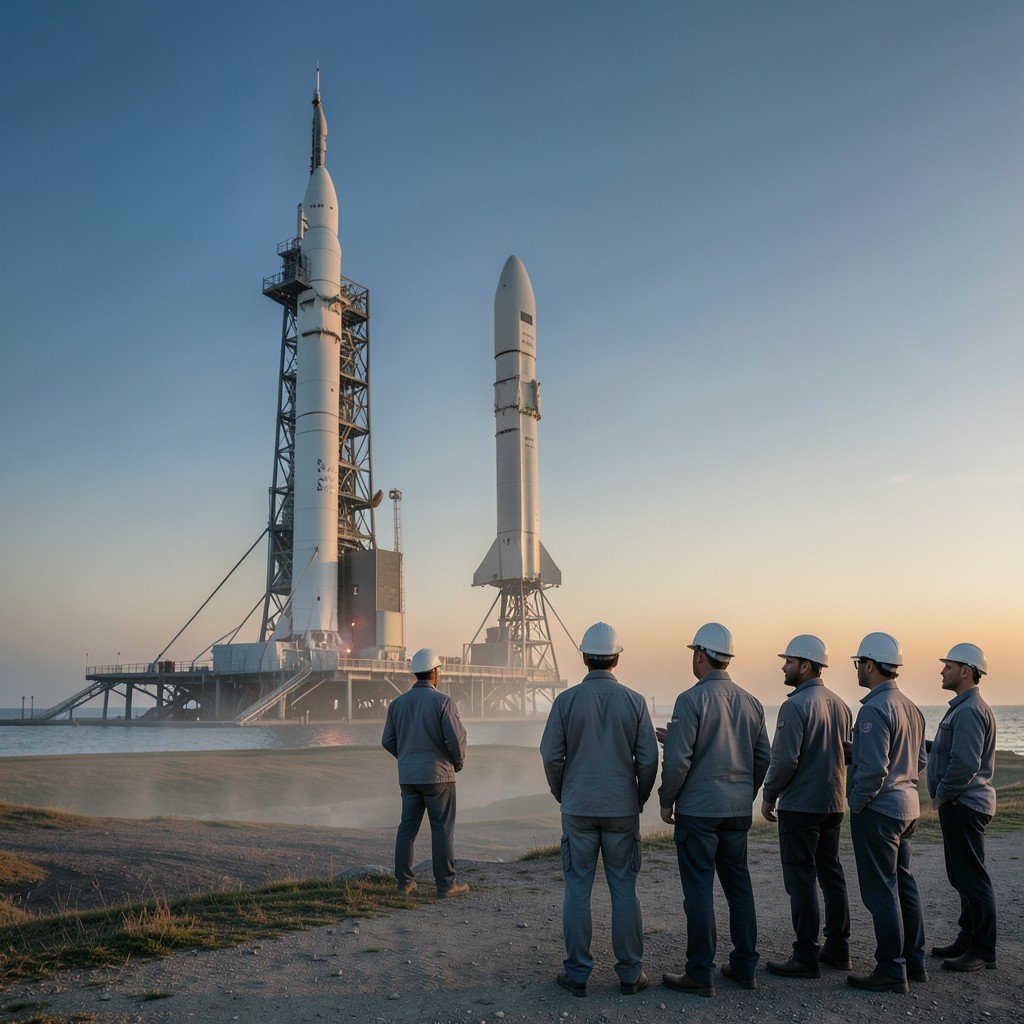
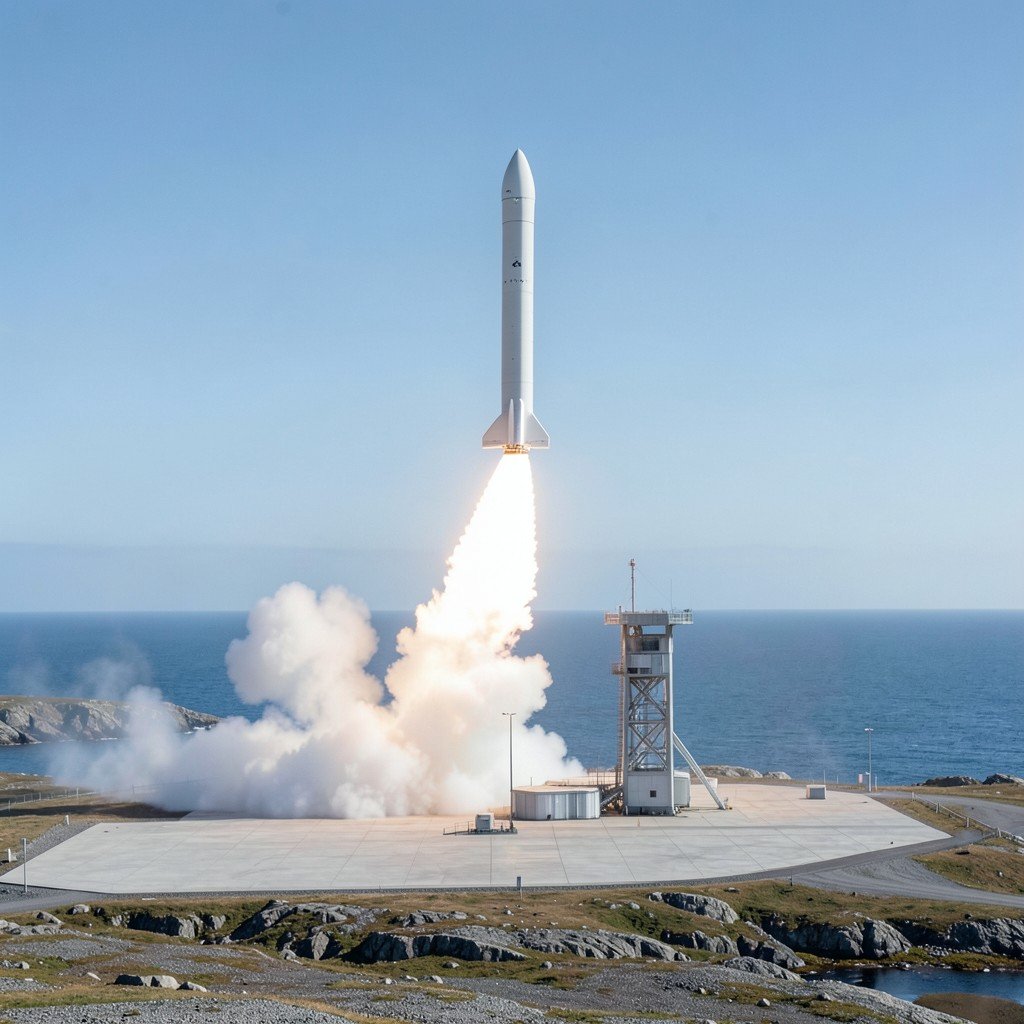
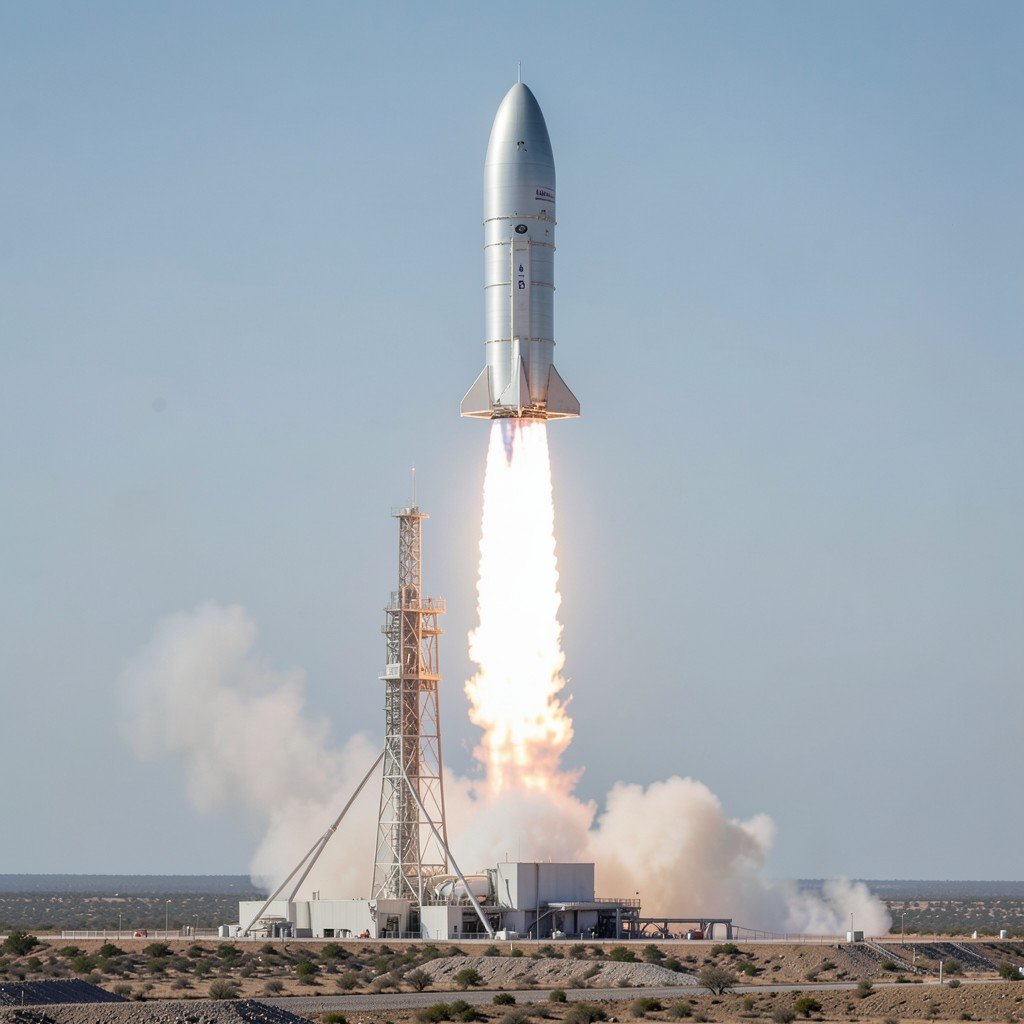
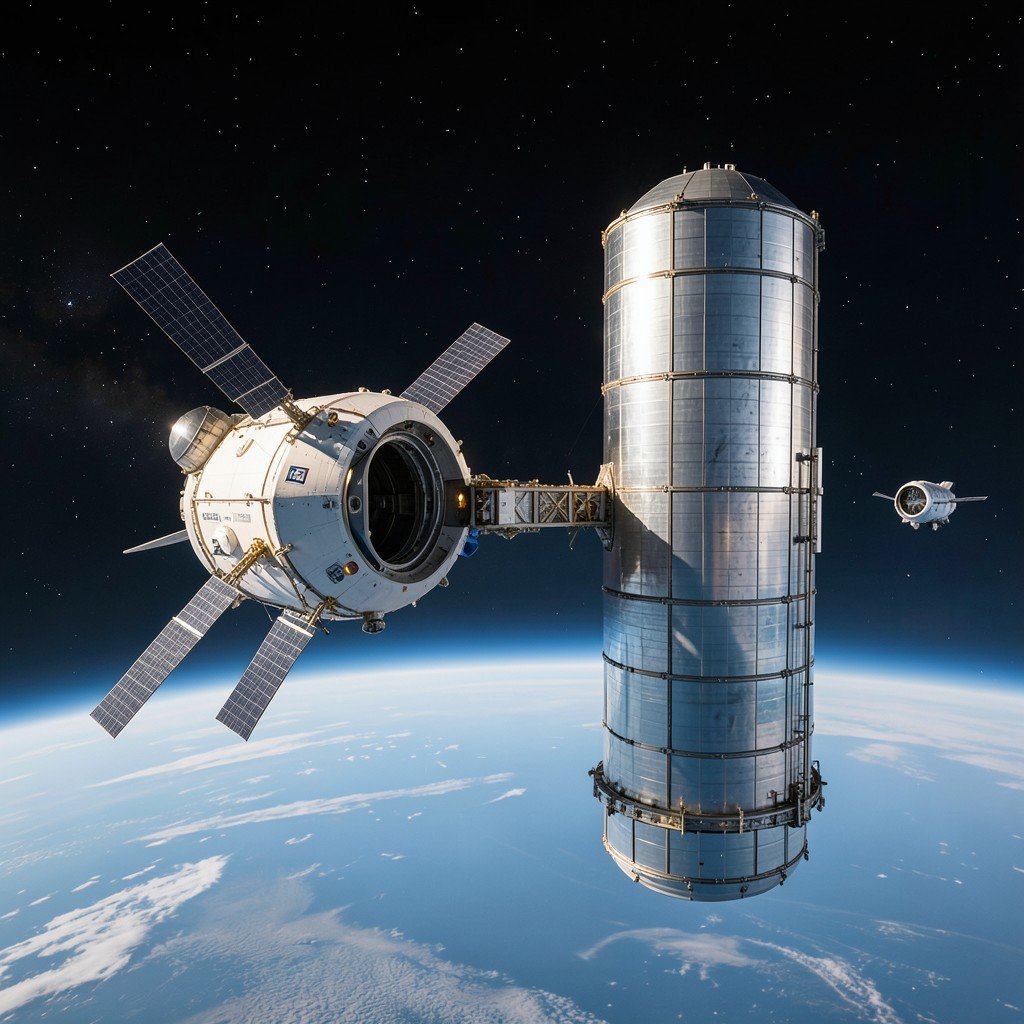
AI-generated representative image. A SpaceX Starship rocket lifts off from Starbase in Texas during a test flight of the reusable launch vehicle.
Editorial Team
Editorial Team
Starship orbital flight carries 26 Starlink satellites, advancing NASA Artemis and reusable rocket goals.

SpaceX's Starship, the largest and most powerful rocket ever built, successfully reached orbit for the first time on Monday following its launch from Starbase in southern Texas. Mission control confirmed the milestone with the announcement, "Starship is orbital," as cheers erupted on a livestream of the uncrewed flight.

The spacecraft achieved orbit despite one engine shutting down prematurely, with flight controllers deciding after several tense minutes to proceed as planned since the remaining systems were operating normally.

The orbital debut is a pivotal achievement for SpaceX and founder Elon Musk, who has spent three years and 14 full-scale launches working toward this goal. Certifying Starship for orbital flight is considered a vital step toward both moon and Mars travel, as well as for hauling satellites into orbit at reduced cost.

The flight also carries payload significance, delivering 26 of the latest Starlink satellites to join the roughly 11,000 older models already providing internet service worldwide.

Flight Profile and Mission Details

The 124-metre (407-foot) rocket was designed from the outset to be fully reusable, a feature central to lowering launch costs. This flight was intended to circle the globe at an altitude of 275 kilometres (170 miles) six times over nearly 10 hours before a Pacific splashdown near Chile.

The first-stage booster was not scheduled to return to the Starbase launch site. Instead, it dropped into the Gulf of Mexico within minutes of the morning liftoff. This was Starship's 14th full-scale launch from Texas's southern tip in three years, with earlier test flights venturing no farther than the Indian Ocean.
Path to Orbital Certification

SpaceX has been pressing hard to certify Starship for orbital flight, with previous test flights often ending in flames while briefly skimming space. In July, the company managed to salvage the last Starship from the Indian Ocean, and engineers modified the newly launched spacecraft's heat shield based on hands-on inspections of that recovered vehicle.

Musk has emphasized caution in bringing Starship back to land, warning at a business summit earlier this month that if the spacecraft broke apart over land and rained debris onto people, "our popularity would diminish very rapidly." If the orbital debut succeeds, the next Starship will return to the launch pad, where giant mechanical arms will attempt to catch the hovering spacecraft.

NASA Artemis Missions and the Road Ahead

The orbital milestone feeds directly into NASA's Artemis program. The Artemis III mission, expected as soon as next summer, will feature a triple-launch docking exercise in Earth orbit involving an Orion capsule carrying astronauts and competing lunar landers. Jeff Bezos's Blue Moon will launch first, followed by Orion, then Musk's Starship for a docking with Orion.

The subsequent Artemis IV mission, slated for no sooner than 2028, would see astronauts land on the moon using either Blue Moon or Starship, whichever is ready first. Musk gives even or slightly better odds that the upcoming catch attempt will succeed, after which SpaceX plans to re-fly the spacecraft by year's end or early next year.

What Comes Next

SpaceX intends to focus on the moon in the near term while using Starship to haul satellites into orbit, phasing out the company's smaller Falcon 9 rocket within several years. Musk originally developed Starship for Mars, envisioning fleets of the spacecraft carrying the red planet's first settlers.

A second Starship launch site is nearing completion at Florida's Kennedy Space Center, and a third is planned for Louisiana. Confirmation of the mission's full success awaits the spacecraft's Pacific splashdown near Chile.

MORE LIKE THIS

Comments (0)

Leave a comment

A verified Gmail account is required to post comments.

No comments yet. Be the first to share your thoughts!