

Countries That Have Sent People to Space: World Space Week
science-and-technology

Countries That Have Sent People to Space: World Space Week

By Editorial Team•Oct 6, 2026 · 6:06 PM•4 min read
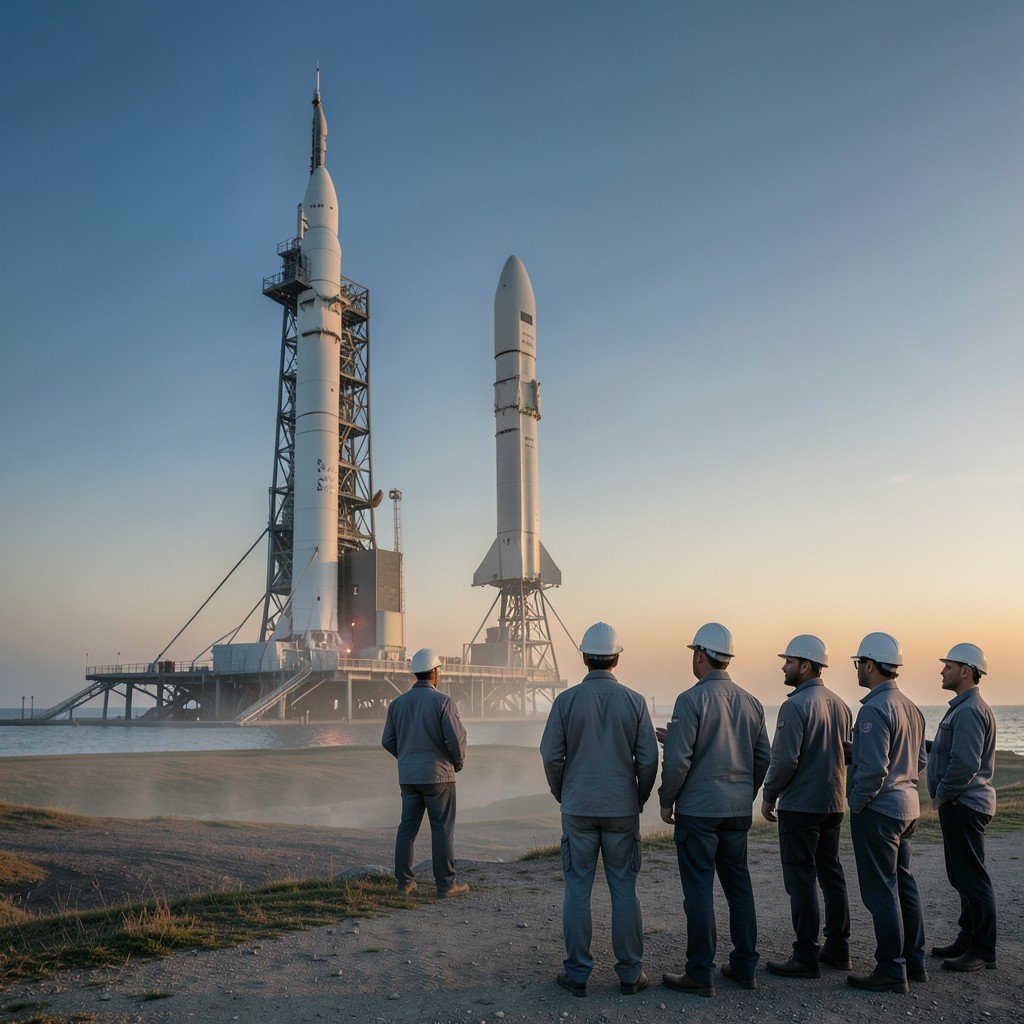
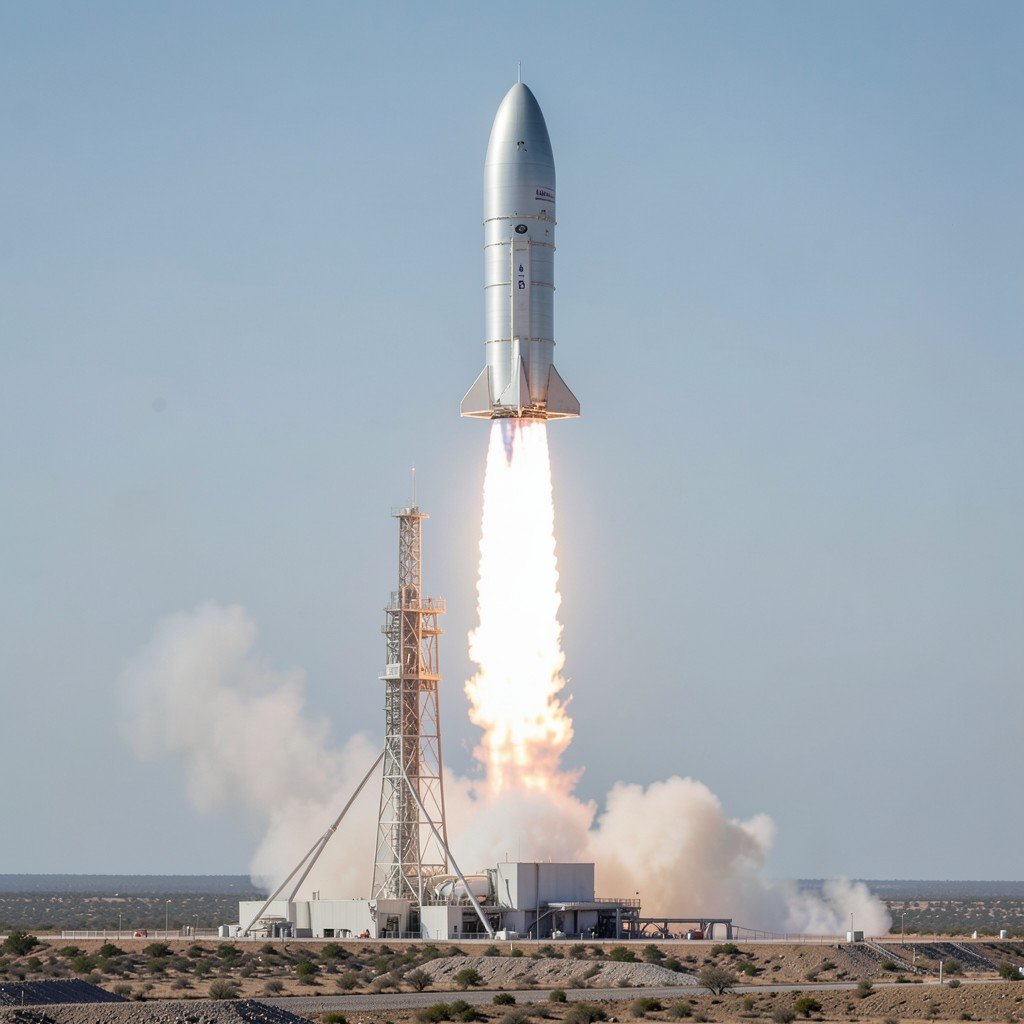
AI-generated representative image: A rocket on its launch pad, illustrating the history of human spaceflight as nations mark World Space Week.
Editorial Team
Editorial Team
A look at the nations behind human spaceflight, the rising share of women astronauts, and upcoming Artemis missions to the moon and beyond.

As the United Nations marks World Space Week from October 4 to 10, at least 746 people from 52 countries have travelled to space by the internationally recognised Karman line measure, including professional astronauts and paying tourists. The United States leads the list with 369 space travellers, followed by the Soviet Union and Russia with 138 combined, and China with 29.

The observance, held annually since 1999, celebrates the contribution of space technology to humanity and provides an opportunity to reflect on how far human spaceflight has come since the Space Age began. The data also highlights enduring gaps, with women still accounting for only about one in seven space travellers, and points to a rapidly expanding era driven by commercial flights and renewed lunar ambitions.

Who Has Reached Space

Two countries continue to dominate the list of space travellers. The United States has sent 369 people to space, while the Soviet Union and Russia together account for 138. China, the third country to launch people on its own rockets, has sent 29.

Some travellers hold dual nationality, and several flew for countries that no longer exist, such as the Soviet Union. More than 80 countries have placed satellites into orbit, and people from more than 50 of those nations have travelled to space.
From Sputnik to the Moon

Sixty-nine years ago, the Soviet Union launched Sputnik 1, the first satellite to orbit Earth, opening the Space Age and setting off a race with the United States. On April 12, 1961, Soviet astronaut Yuri Gagarin became the first human in space, completing one orbit of Earth at about 27,400km/h (17,025mph) during a 108-minute flight aboard the Vostok 1 spacecraft.

On October 10, 1967, the Outer Space Treaty entered into force. Signed by the United States, the United Kingdom and the Soviet Union, it established that space should be explored and used peacefully and that no country could claim it as territory. Less than two years later, NASA's Apollo 11 mission landed the first humans on the moon, and on July 20, 1969, Neil Armstrong became the first person to walk on its surface.

Who Are the Space Travellers

Space remains a male-dominated frontier. Of the 746 people who have travelled to space, only 112, or 15 percent, have been women. Soviet astronaut Valentina Tereshkova became the first woman in space in June 1963, but the United States did not follow until Sally Ride flew in June 1983.

The share of women is rising, largely because of commercial flights. More than half of the women who have flown since 2020 went up as paying passengers or guests on Blue Origin's suborbital rocket. Most space travellers were in their 30s or 40s on their first flight, together accounting for 85 percent, with a median age of 40. The youngest, Oliver Daemen, was 18 when he flew in 2021, while the oldest, Ed Dwight, was 90 years and eight months old in 2024.

What Lies Ahead

In April 2026, the Artemis II crew flew around the moon and reached about 406,771km (252,756 miles) from Earth, breaking the distance record set by Apollo 13 in 1970. Artemis III is scheduled for 2027 as a rehearsal in Earth orbit to test docking with lunar landers built by SpaceX and Blue Origin, while NASA is targeting 2028 for Artemis IV, which aims to land astronauts near the moon's south pole, the first crewed landing since 1972.

India plans its first crewed Gaganyaan flight in 2027, which would make it the fourth country to launch people on its own rocket, and China aims to land astronauts on the moon around 2030.

MORE LIKE THIS

Comments (0)

Leave a comment

A verified Gmail account is required to post comments.

No comments yet. Be the first to share your thoughts!