

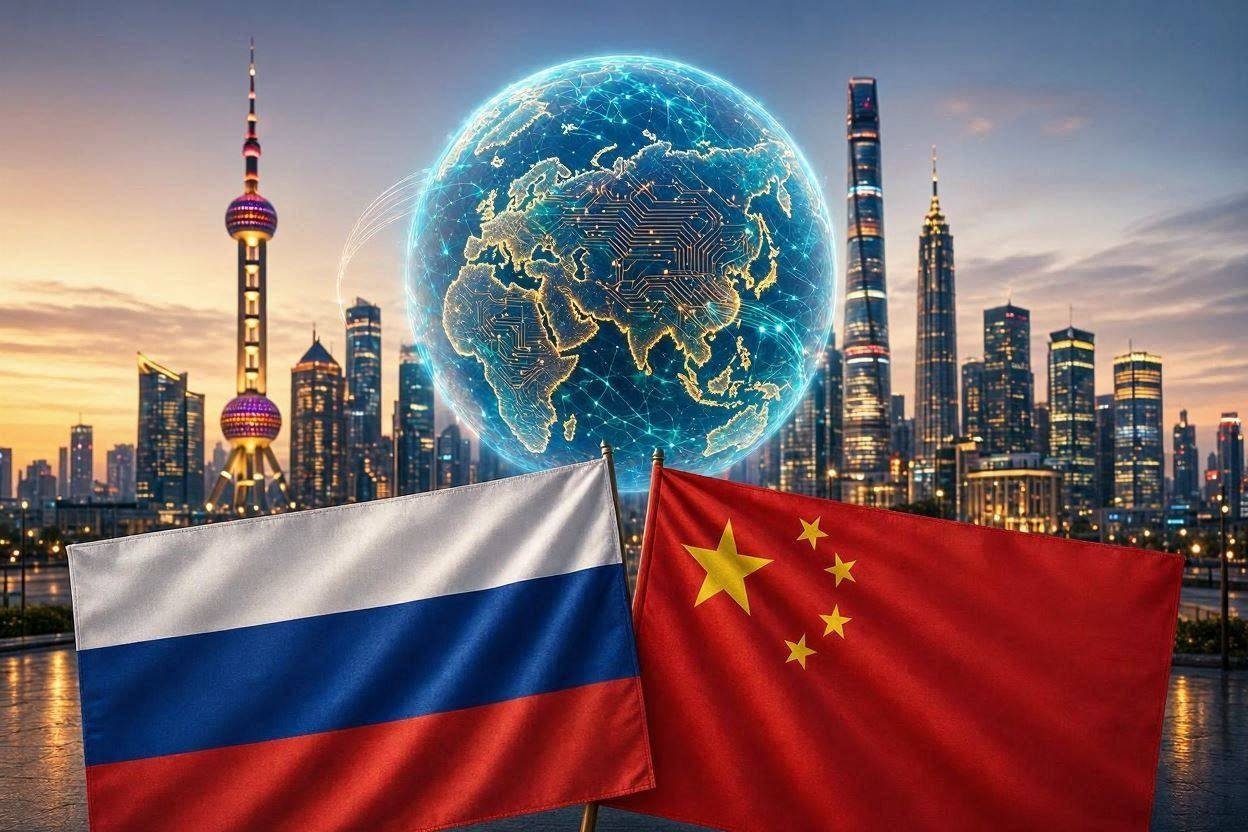

Russia and China Establish World Artificial Intelligence Cooperation Organization in Shanghai
science-and-technology

Russia and China Establish World Artificial Intelligence Cooperation Organization in Shanghai

By Editorial TeamJul 18, 2026 · 1:17 PM3 min read
Professional illustration showing Russia and China collaborating on artificial intelligence
Editorial Team
Editorial Team
Founding members including nearly 30 countries aim to promote international collaboration and practical AI applications focused on public benefit

Russia and China have signed an agreement to create the World Artificial Intelligence Cooperation Organization, an intergovernmental body dedicated to fostering global AI governance and development. The pact was formalized this week in Shanghai, with nearly 30 countries participating as founding members. The organization emphasizes principles of international collaboration, human-centered approaches, equitable access, and ensuring artificial intelligence serves the broader needs of humanity rather than concentrated interests.

The initiative seeks to build an alternative framework for AI advancement that prioritizes practical benefits and shared progress across nations.

This new organization addresses growing questions about how transformative AI technologies should be governed and who ultimately benefits from them. By focusing on cooperation instead of exclusivity, it aims to prevent technological monopolies and reduce divides between developed and developing countries. The effort reflects shared views from Russia and China that AI development should remain accessible and oriented toward improving everyday life for ordinary citizens worldwide

Launch of the World AI Cooperation Organization

The agreement establishes an institutional platform for knowledge exchange, ethical standards, and transparency in AI. It promotes practical deployment of the technology across sectors such as healthcare, education, finance, and public services. Founding participants intend for the body to facilitate broader access to AI tools and reduce fragmentation in global technological progress.
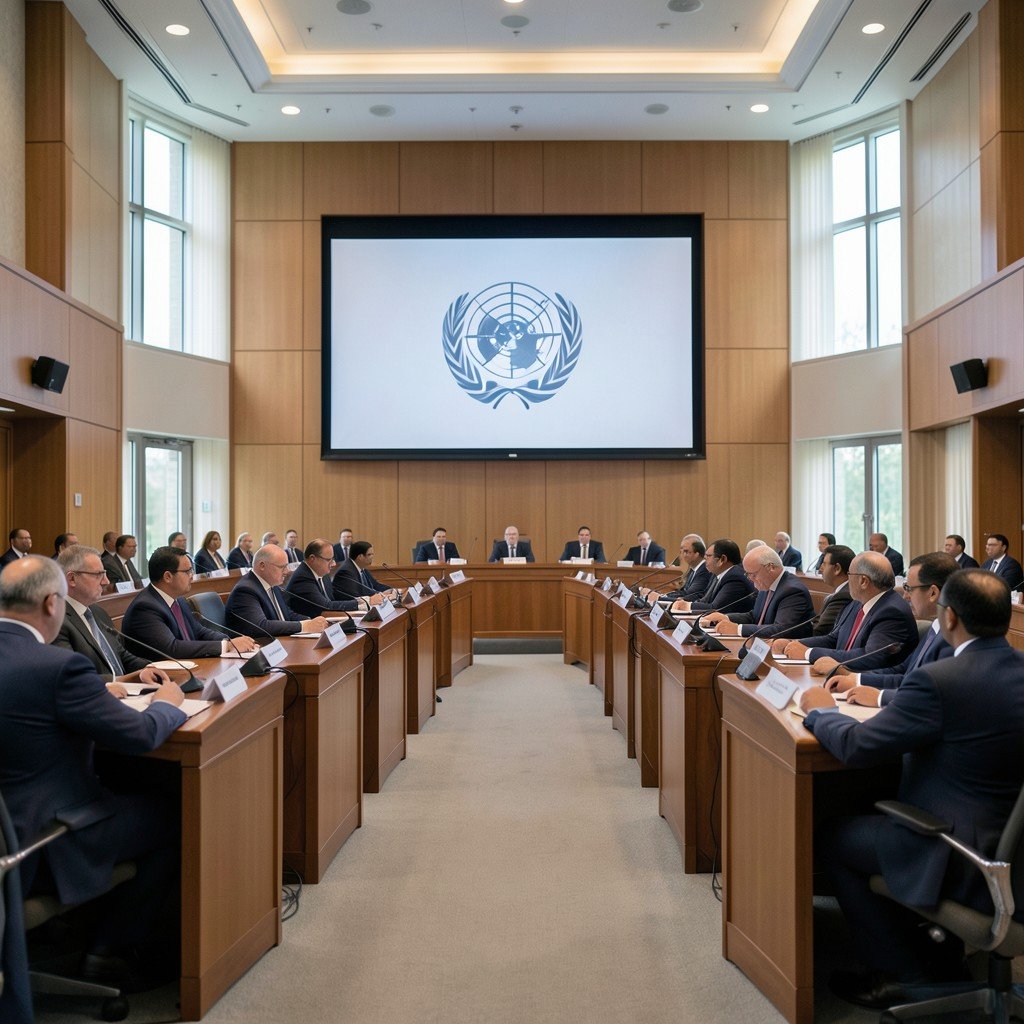

Complementary Approaches to AI Development

China has advanced rapidly in AI research, producing capable large language models and open-source technologies that lower barriers for adoption by researchers, businesses, and governments. This includes competitive pricing and releases that encourage wider innovation beyond a small group of corporations.

Russia has emphasized turning AI into deployable solutions that integrate into daily public services. This includes widespread use of conversational AI assistants and tools embedded in government operations. The two countries' strengths are seen as complementary, with one excelling in foundational models and the other in real-world applications tailored to local needs.

Practical AI Integration in Public Services

In Moscow, healthcare systems already utilize more than 60 AI-powered diagnostic services across various clinical specialties. These tools assist physicians by analyzing medical imaging to support faster and more accurate decision-making without replacing human expertise. Similar applications extend into finance, education, transport, and digital governance.

Russian AI solutions have also gained traction in international markets by adapting to local languages, regulations, and priorities, offering ready-to-use platforms for healthcare and public infrastructure improvements.

Upcoming International AI Initiatives

Russia is preparing to host multiple major AI events in the coming months and years, including the Journey into the World of Artificial Intelligence conference later this year, the Future Technologies Forum, and a high-level international meeting scheduled for 2027. These gatherings will offer further opportunities for researchers, policymakers, and businesses from China and other nations to collaborate.

MORE LIKE THIS

Comments (0)

Leave a comment

A verified Gmail account is required to post comments.

No comments yet. Be the first to share your thoughts!