

NASA to Test SpaceX and Blue Origin Moon Landers Before 2028 Crewed Landing
science-and-technology

NASA to Test SpaceX and Blue Origin Moon Landers Before 2028 Crewed Landing

By Editorial TeamJul 27, 2026 · 1:30 PM4 min read
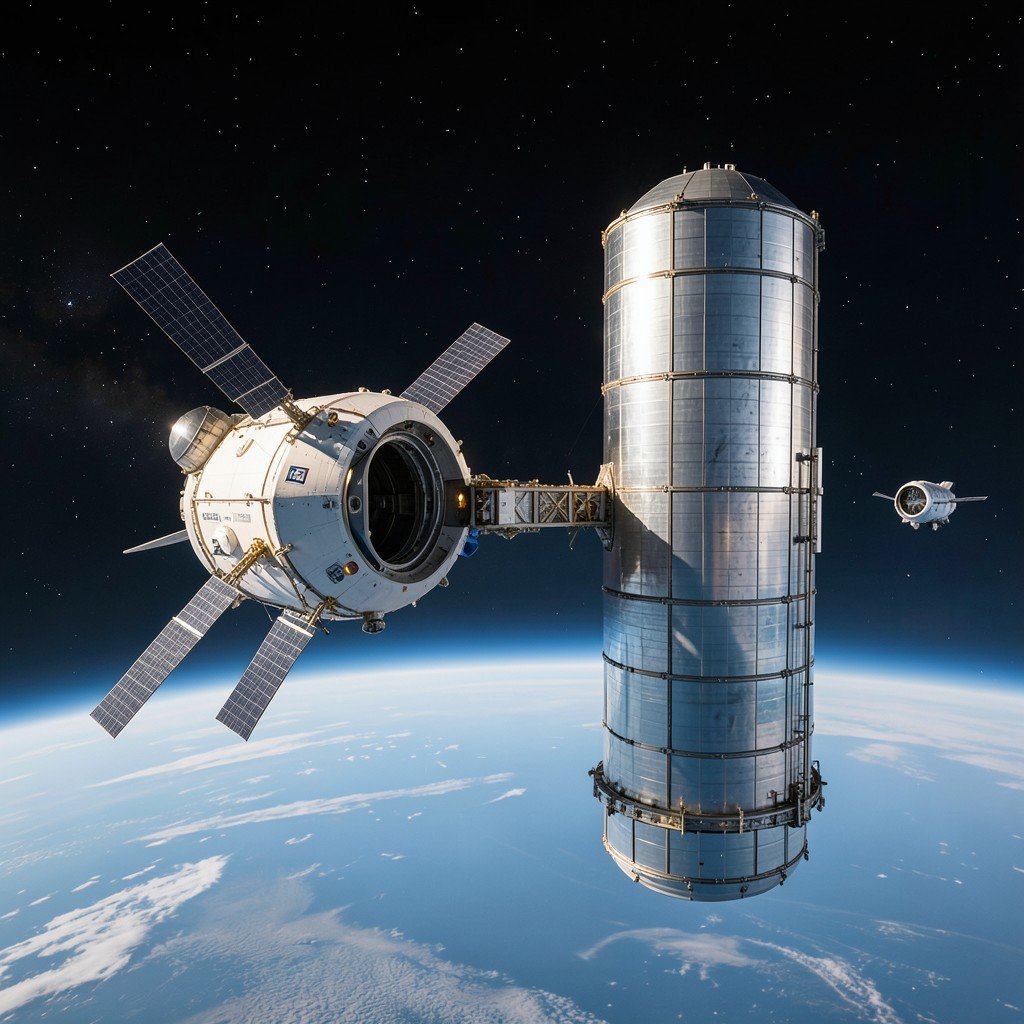
AI-generated representative image: NASA's Orion spacecraft docking with a SpaceX Starship prototype in low Earth orbit, with a Blue Origin test lander nearby, a
Editorial Team
Editorial Team
Artemis III will see Starship and Blue Moon prototypes dock with Orion in low Earth orbit, validating critical systems ahead of the next lunar surface mission.

NASA has announced that the Artemis III mission will test prototype Moon landers from both SpaceX and Blue Origin in low Earth orbit, gathering critical data before astronauts attempt the next crewed lunar landing in 2028. The mission will see two commercial test articles rendezvous and dock with an Orion spacecraft carrying Artemis III astronauts, marking one of the most complex demonstration missions the agency has ever undertaken.

The dual-lander demonstration represents a pivotal step in NASA's Artemis program, which aims to return humans to the lunar surface for scientific discovery and economic development. Data collected during Artemis III, combined with future uncrewed demonstrations near the Moon, will directly inform astronaut safety protocols and risk reduction strategies ahead of crewed landings.

Mission Architecture and Test Objectives

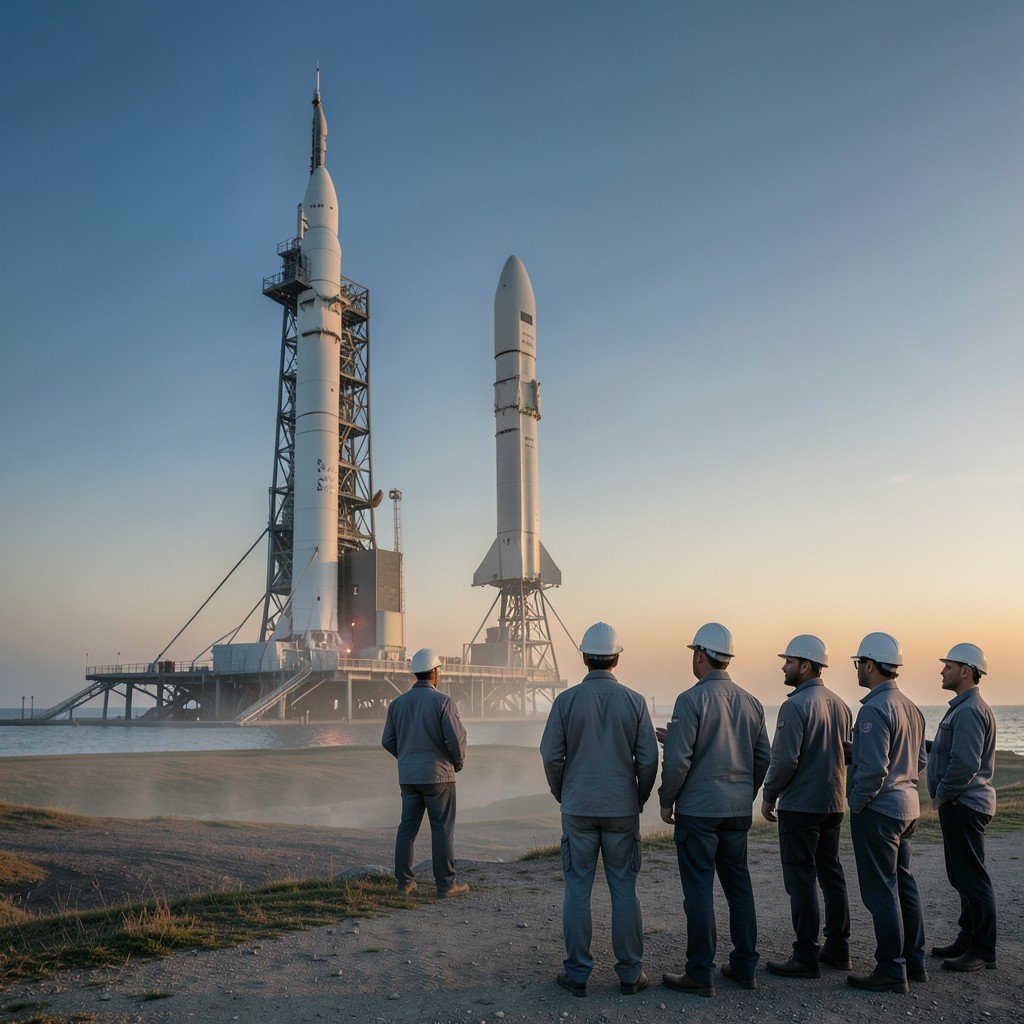
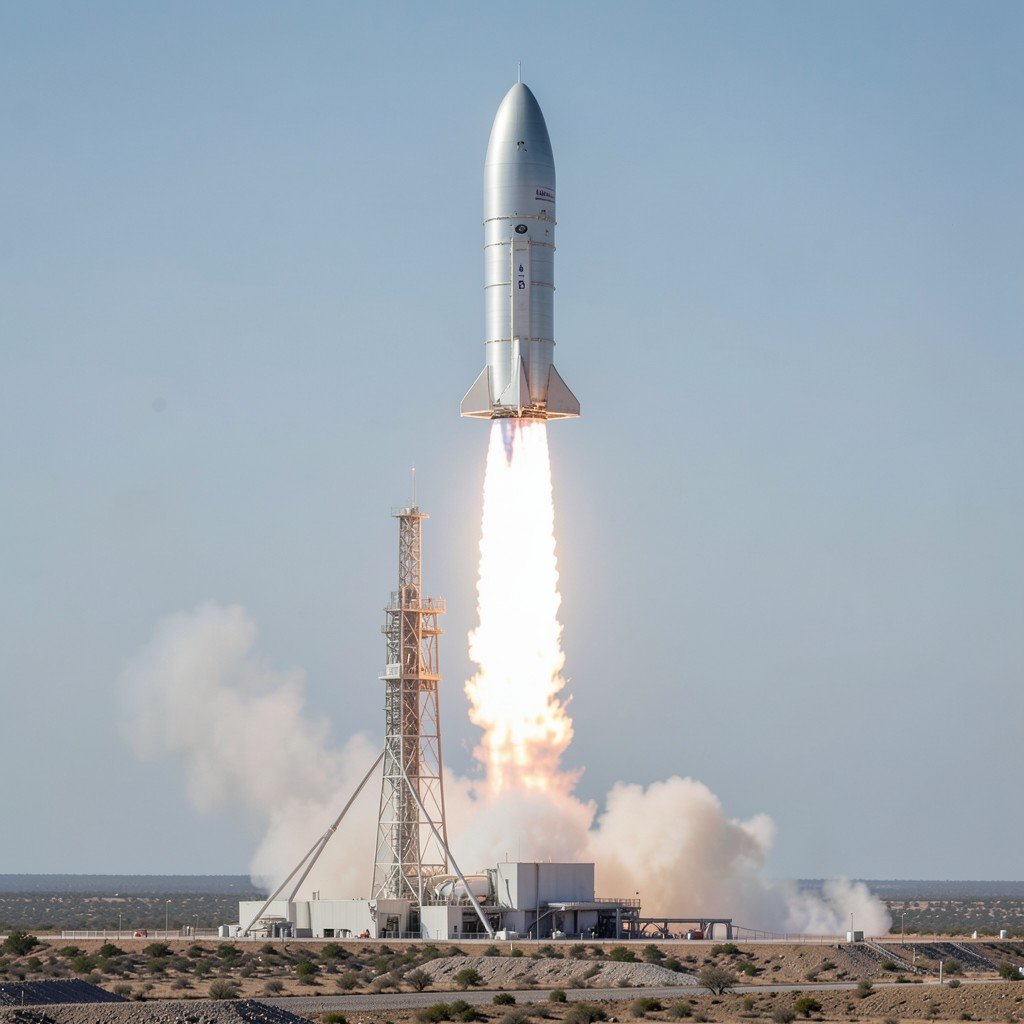
Both SpaceX and Blue Origin will launch test versions of their human landing systems aboard commercial rockets, while the Artemis III crew travels separately to low Earth orbit on Orion, launched by NASA's Space Launch System (SLS). SpaceX will fly Starship Version 3, the newest design that will serve as the foundation for the future Starship HLS. Blue Origin will test the crew cabin intended for its Blue Moon lander, based on the company's Mark 2 crew lander architecture.

During the mission, up to two astronauts wearing orange Orion crew survival system suits will open the hatch and enter the Blue Origin test lander, allowing NASA to evaluate the crew cabin environment. The Blue Origin spacecraft will also carry an instrumented lunar surface spacesuit mass simulator that transmits real-time data about cabin conditions, similar to the "Moonikin" manikin flown during Artemis I. For the SpaceX phase, astronauts will remain inside Orion and will not enter the Starship prototype. Instead, Orion and Starship will dock nose-to-nose, enabling NASA and SpaceX to study how the two spacecraft behave as a single connected vehicle.
Artemis Program and the Path to Crewed Landings

NASA has been working with both human landing system providers to define the goals and technical capabilities of Artemis III as the mission approaches. SpaceX and Blue Origin are refining their plans based on hardware availability and what each spacecraft can demonstrate. The lander prototype designs are expected to continue maturing over the next year and will inform future development efforts for both uncrewed and crewed flights at the Moon.

The Artemis III demonstration follows the uncrewed Artemis I mission, which successfully tested Orion and SLS. Later crewed Moon missions will use a "dual launch campaign" architecture: the lunar lander will be placed in orbit first, where it will wait for astronauts arriving aboard Orion. Artemis III provides an early opportunity to rehearse this launch preparation and operational timing by sending three rockets into space in rapid succession.

Docking Systems, Launch Sequence, and Safety Reviews

Both companies have already conducted ground testing of their docking systems. SpaceX qualified its docking capability in 2023, while Blue Origin performed developmental ground tests of its pressurized docking system earlier this year. During the mission, the two landers will connect to Orion in distinct ways: Orion will dock to the side of the Blue Moon test lander near its crew cabin, and later connect nose-to-nose with the much larger 171-foot Starship.

Blue Origin's test lander is expected to launch first into a designated parking orbit, where it can remain for up to 30 days. After Blue Origin completes its rendezvous and docking tests, and after the Artemis III crew launches aboard SLS from Launch Complex 39B at Kennedy Space Center, SpaceX will send its Starship test article into orbit for the second phase. Orion will remain in a circular orbit throughout, serving as the chaser spacecraft during both docking sequences. Before the mission begins, NASA will verify that both lander test articles meet performance requirements and that appropriate hazard controls are in place to protect the crew.

"Artemis III will be a highly choreographed dance with a demanding launch sequence across multiple launch pads and equally demanding mission operations for our ground and flight crews, making it one of the most complex and ambitious missions NASA has ever undertaken," said Jeremy Parsons, Artemis program manager.

What Comes Next

After completing both docking and undocking sequences, the Artemis III astronauts will return to Earth aboard Orion for a safe splashdown. The lessons collected during the mission will complement upcoming uncrewed demonstration missions near the Moon, building confidence in both spacecraft and launch vehicles prior to a crewed landing. Steve Creech, program manager for the Human Landing System Program at NASA's Marshall Space Flight Center, noted that both providers have put forward aggressive objectives intended to mature their lander designs over the coming year.

MORE LIKE THIS

Comments (0)

Leave a comment

A verified Gmail account is required to post comments.

No comments yet. Be the first to share your thoughts!