

SpaceX Falcon 9 Rocket Stage Crashes Into the Moon at 5,400 MPH
science-and-technology

SpaceX Falcon 9 Rocket Stage Crashes Into the Moon at 5,400 MPH

By Editorial TeamAug 5, 2026 · 2:30 PM4 min read
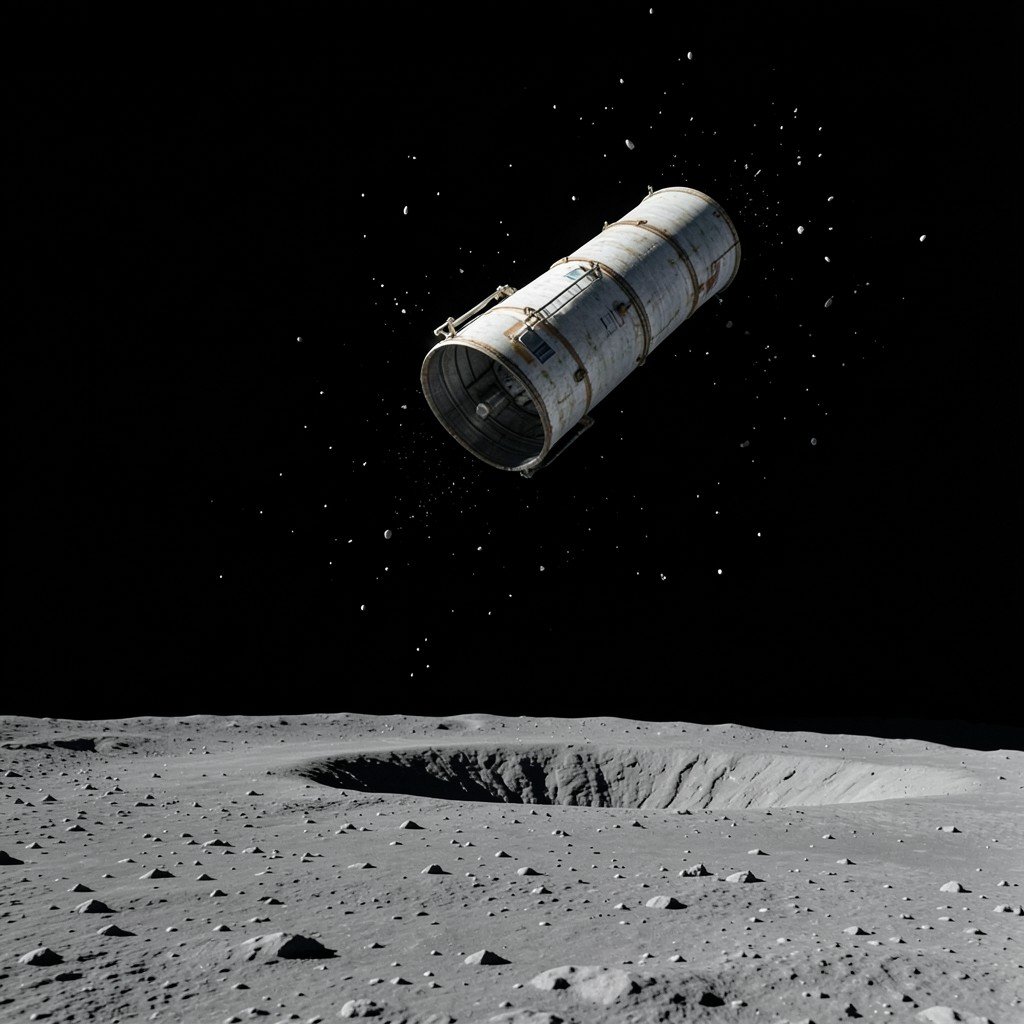
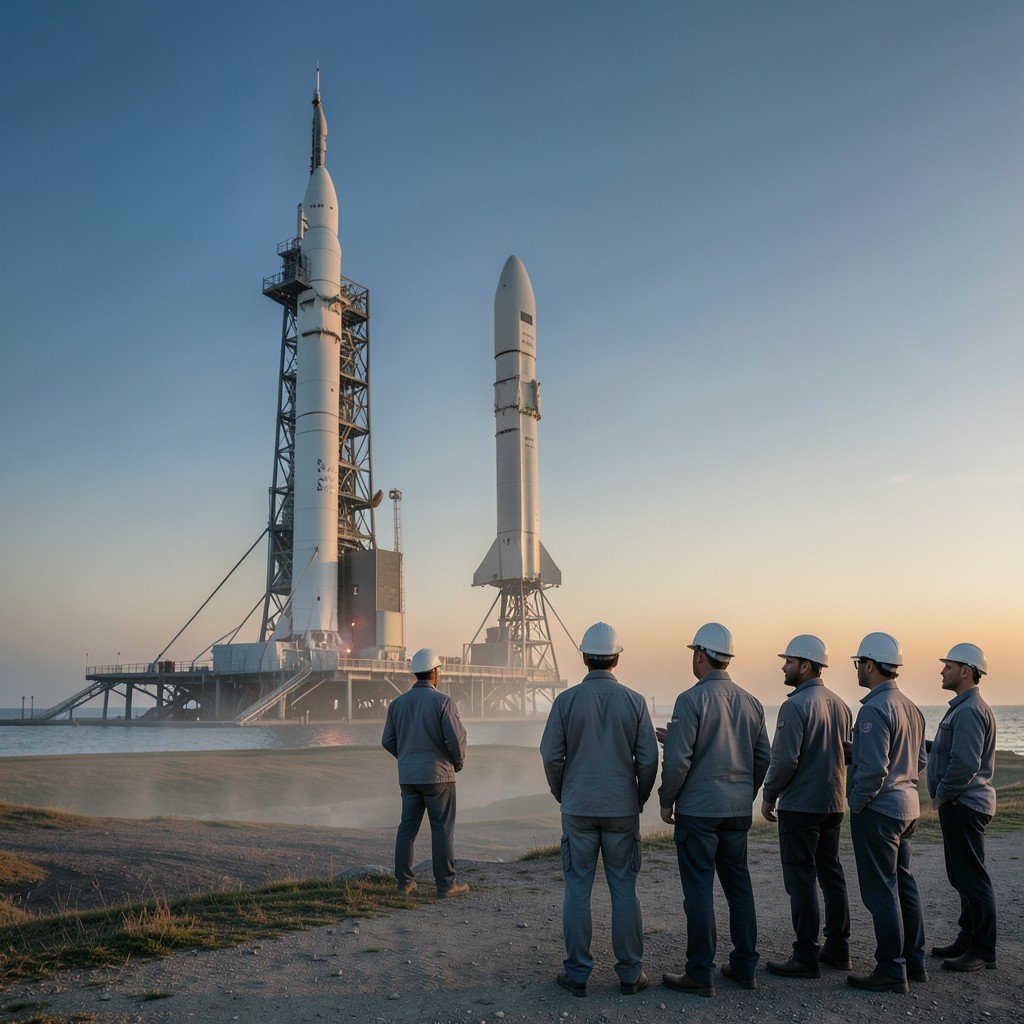
AI-generated representative image: An artist's depiction of a spent Falcon 9 upper stage drifting toward the lunar surface before impact near Einstein Crater.
Editorial Team
Editorial Team
The four-tonne upper stage, adrift since a January lunar lander mission, struck near Einstein Crater in an unintentional impact confirmed by SpaceX

A four-tonne upper stage of a SpaceX Falcon 9 rocket is believed to have slammed into the moon's surface at approximately 2:35 a.m. ET (06:35 GMT) on Wednesday, though official confirmation is still awaited as signals take time to travel back to Earth.

The rocket segment, which has been drifting uncontrollably through space since a lunar lander mission in January, was expected to strike the moon's western limb near Einstein Crater at roughly 5,400 mph (8,690 km/h). SpaceX has confirmed the crash was unintentional.

The incident, while posing no danger to Earth, has reignited concerns about the growing problem of human-made space debris. With more than 46,000 pieces of orbital junk weighing a combined 17,000 tonnes currently circling Earth, according to the European Space Agency, the unintended lunar collision underscores what experts describe as a degree of carelessness in disposing of leftover space hardware.

What Happened

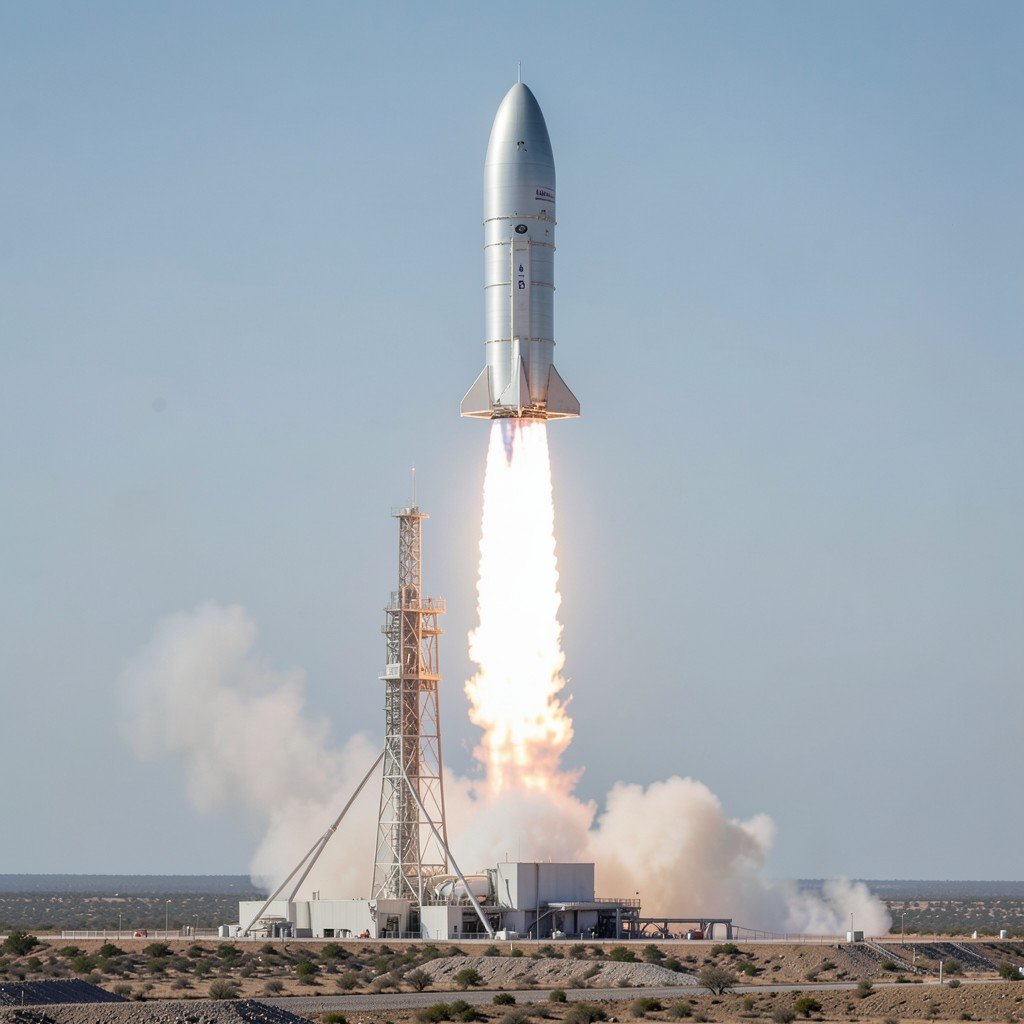
The Falcon 9 lifted off from Florida in January carrying two lunar landers. While the reusable lower booster successfully returned to Earth, the upper stage remained in space to propel the landers onward. Unlike typical missions closer to Earth where the upper stage falls back and burns up in the atmosphere or plunges into the ocean, this mission required extra thrust, leaving the second stage stranded in orbit.

After dumping its remaining fuel and becoming uncontrollable, the rocket segment drifted among thousands of other pieces of space junk. Astronomers only determined earlier this year that its orbital trajectory would end at the moon. Julianna Scheiman, director of NASA science missions at SpaceX, explained that a mixture of solar activity and gravitational forces ultimately put it on a collision course with the lunar surface.
History of Lunar Impacts

Collisions between artificial objects and the moon are relatively rare, though not unprecedented. A Chinese rocket segment crashed into the moon in March 2022 following a lunar test mission. NASA has intentionally crashed hardware into the lunar surface on multiple occasions: in 2009, it struck the moon with a rocket segment to study the resulting plume of material, and in the 1970s, Saturn V stages were deliberately impacted to measure seismic effects.

Several recent soft-landing attempts have also ended in crashes. Russia's nuclear-powered Luna-25 mission spun out of control and crashed in 2023, though its plutonium-238 power source is believed to remain harmlessly on the surface. India's Chandrayaan-2 lander and Israel's Beresheet lander both crashed in 2019. The Beresheet lander notably carried tiny tardigrades, microscopic organisms capable of surviving extreme radiation and harsh environments, which may still be present on the lunar surface.

Official Statements and Scientific Interest

NASA spokesperson Jimi Russell confirmed on Tuesday that the event posed no threat. "There is no danger to Earth," Russell said, adding that NASA would continue tracking the booster for training purposes and later observe the impact site for scientific study.

Bill Gray, creator of widely used astronomy software who published a report on the stage's trajectory in April, described the event as being of "probably minor" scientific interest. "It doesn't present any danger to anyone, though it does highlight a certain carelessness about how leftover space hardware is disposed of," Gray said. Scheiman expressed enthusiasm about observing the impact, a sentiment shared by many in the scientific community.

What Comes Next

Confirmation of the impact is expected once telescope observations and signal data return from the moon. The crash was not visible to the naked eye from Earth, though it was anticipated to kick up a plume of lunar dust illuminated by sunlight. NASA and SpaceX are already discussing measures to prevent future unintended lunar impacts, a priority as the US space agency prepares to build a lunar base and conduct routine astronaut missions under its multibillion-dollar Artemis programme later this decade.

MORE LIKE THIS

Comments (0)

Leave a comment

A verified Gmail account is required to post comments.

No comments yet. Be the first to share your thoughts!