

Iran Araghchi Hormuz Talks With Qatar as US Demands Nuclear Deal
news

Iran Araghchi Hormuz Talks With Qatar as US Demands Nuclear Deal

By Editorial Team•Sep 29, 2026 · 4:21 AM•4 min read
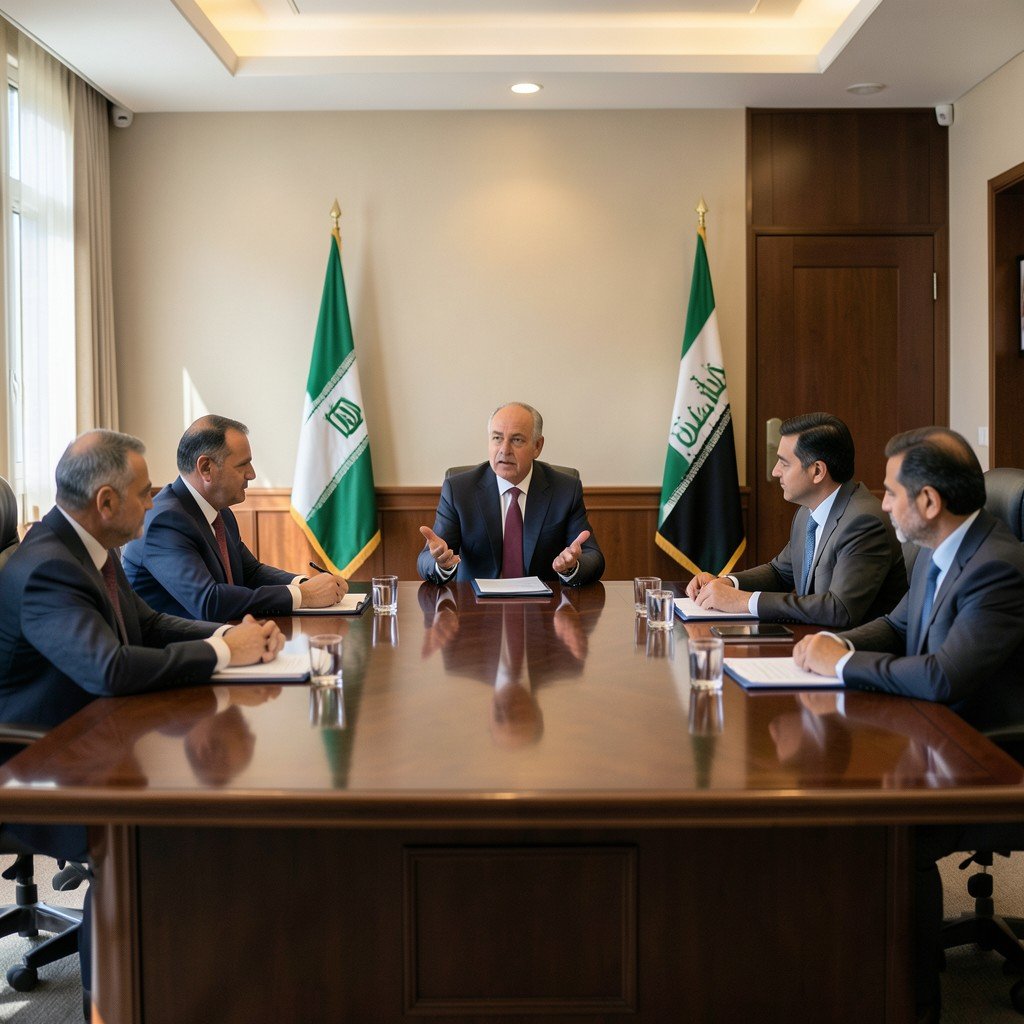
AI-generated representative image: Diplomats in a formal meeting room, illustrating indirect Iran-US talks mediated by Qatar over the Strait of Hormuz.
Editorial Team
Editorial Team
Indirect mediation in New York targets reopening the Strait of Hormuz while Washington links any agreement to Tehran's nuclear programme.

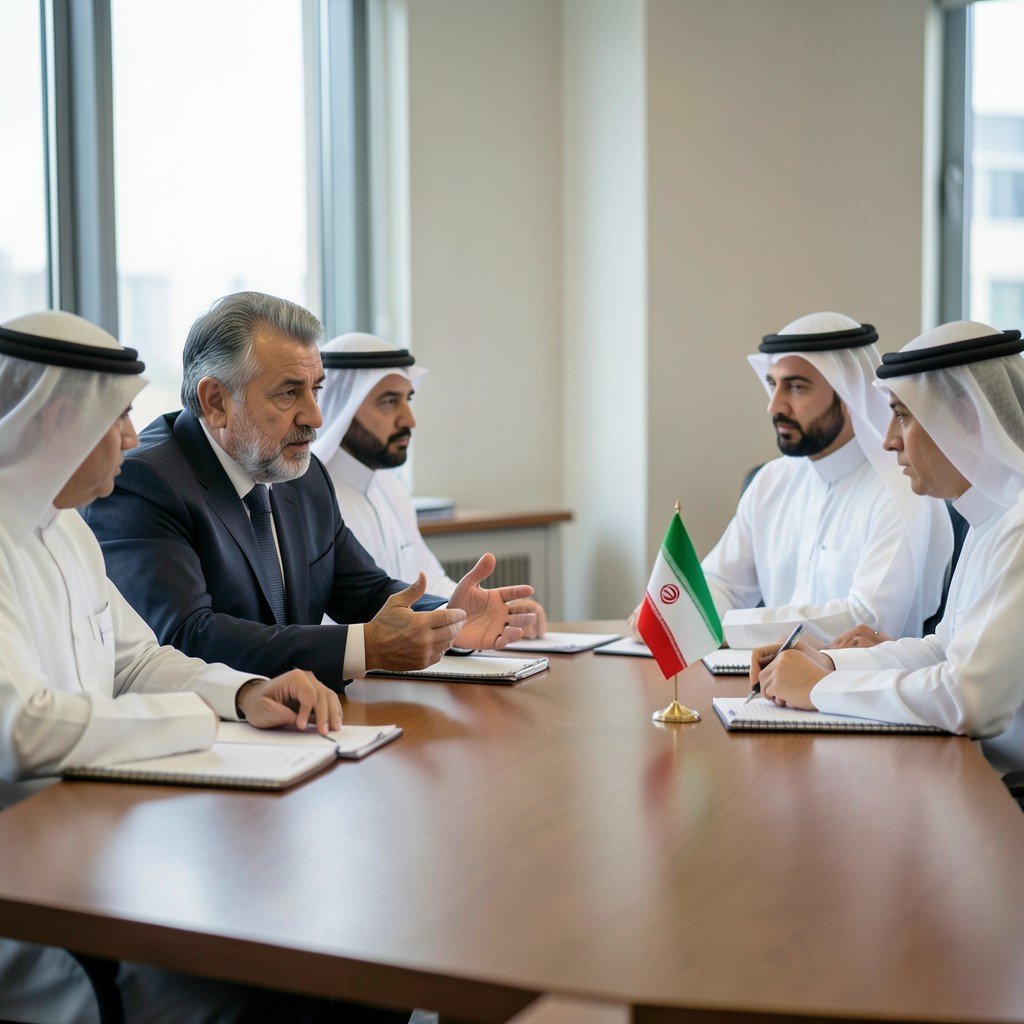
Iran's Foreign Minister Abbas Araghchi met with Qatari mediators in New York on Monday to discuss a proposal for reopening the Strait of Hormuz, while a United States official said no agreement to end the war would be reached unless Tehran's nuclear programme is addressed.

Araghchi told Iranian state media that the mediators would carry the ideas discussed to Washington, and that he hoped to receive a final response by Tuesday.

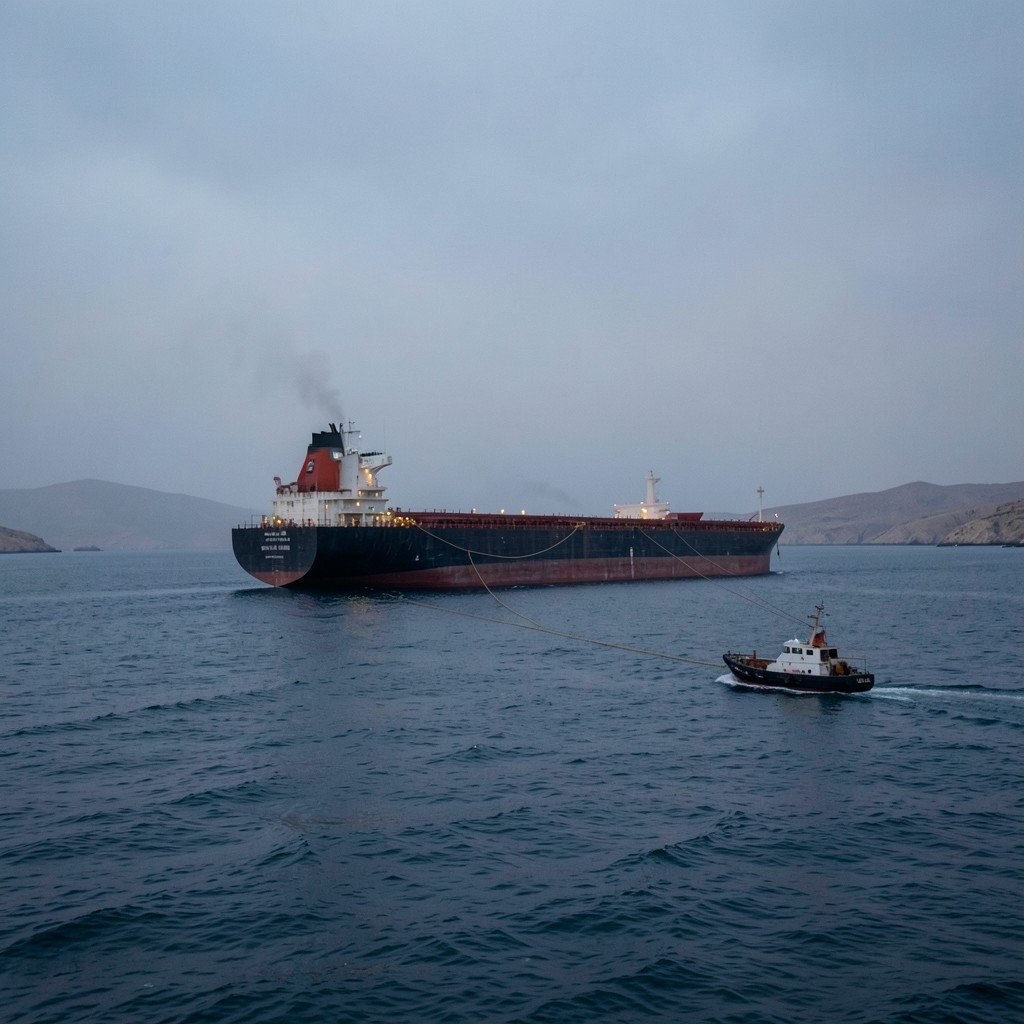
The talks mark a critical juncture in efforts to reopen the Strait of Hormuz, a waterway that handled roughly 20 percent of the world's oil and gas supplies before the war. Its closure has sharply curtailed shipping and pushed oil prices above $100 a barrel, with global energy markets and regional stability hanging in the balance.

Mediation and Competing Positions

Araghchi described the meetings as part of an existing exchange of messages through Qatari and Pakistani mediators, which he said had taken on "a more serious form" since Iran submitted its proposal. Asked whether he would remain in New York, he said he would fly to Tehran within hours, adding that the Qataris know how to deliver any response.

The Iranian plan, announced on Friday at the United Nations General Assembly, calls on the US to release frozen Iranian funds, lift sanctions and end its naval blockade of Iranian ports. Araghchi said those steps could be completed within four or five days, allowing the strait to reopen and negotiations on a final agreement, including the nuclear programme, to begin by the seventh day.

US President Donald Trump rejected the proposal on Saturday, calling it "unacceptable". Speaking to reporters on Monday, he said US officials had also spoken with mediators and insisted Washington would prevail, adding that gas prices would fall once the US won the war.
Background of the Standoff

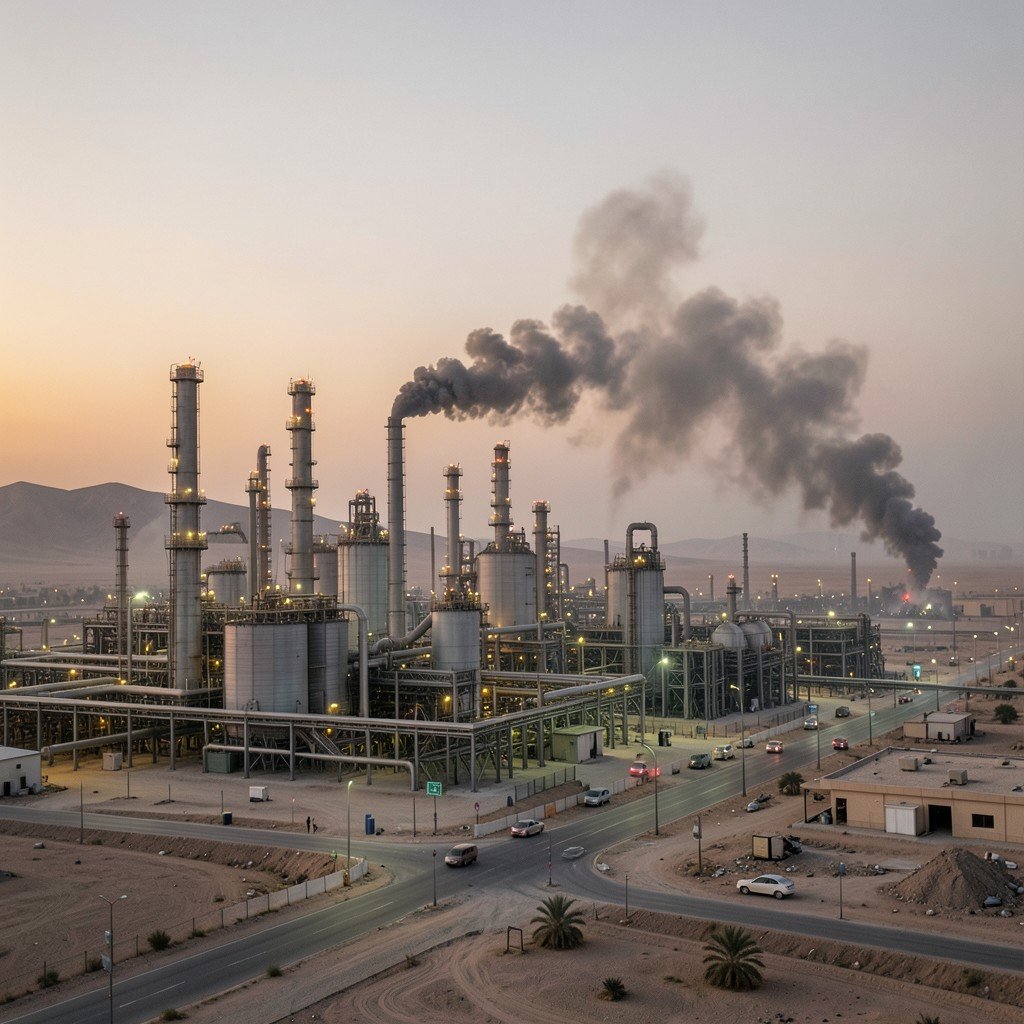
Iran closed the Strait of Hormuz shortly after the US and Israel launched their offensive on February 28. Iranian attacks on vessels since have sharply curtailed shipping, while the US has imposed a blockade on Iranian ports and threatened secondary sanctions against airports and companies doing business with Iranian airlines. The United Arab Emirates, Iraq and Oman have already cancelled related flights.

A memorandum of understanding was signed in June, but a US official expressed scepticism, saying Iran had broken it by firing on commercial vessels. Tehran denies the accusation and says Washington broke its commitments by failing to halt Israel's attacks on Lebanon and by seeking to establish alternate shipping routes through the strait.

Official Statements and Shipping Data

A US official described the indirect talks as "positive and constructive" but stressed there would be no agreement unless Iran's nuclear programme is addressed. The official said Trump is willing to relieve sanctions and release Iran's frozen funds in exchange for progress on nuclear issues, adding that Iran has indicated flexibility on nuclear matters while the sides remain apart on the timing of commitments.

Despite the disruption, crude exports from major Middle East producers rebounded in September to 12.8 million barrels per day, their highest level since the war began, according to maritime intelligence firm Kpler. That remains well below the 18.8 million barrels per day exported in February. Admiral Brad Cooper, head of US Central Command, said on Saturday that American forces had assisted 2,000 transits and more than 1 billion barrels of oil in recent months.

What Comes Next

In Tehran, officials struck a defiant tone. Supreme Leader Mojtaba Khamenei said the days of foreign domination were over, while Major-General Ali Abdollahi, the armed forces chief of staff, warned of a "decisive and devastating response" to any threat. Rear Admiral Habibollah Sayyari insisted the strait remains closed.

Araghchi said he hoped to receive Washington's final response by Tuesday, but no confirmed timeline for a formal reply has been announced.

MORE LIKE THIS

Comments (0)

Leave a comment

A verified Gmail account is required to post comments.

No comments yet. Be the first to share your thoughts!