

Trump Waives Sweeping Russia Sanctions Signed Into Law Last Month
business

Trump Waives Sweeping Russia Sanctions Signed Into Law Last Month

By Editorial Team•Oct 17, 2026 · 7:04 PM•3 min read
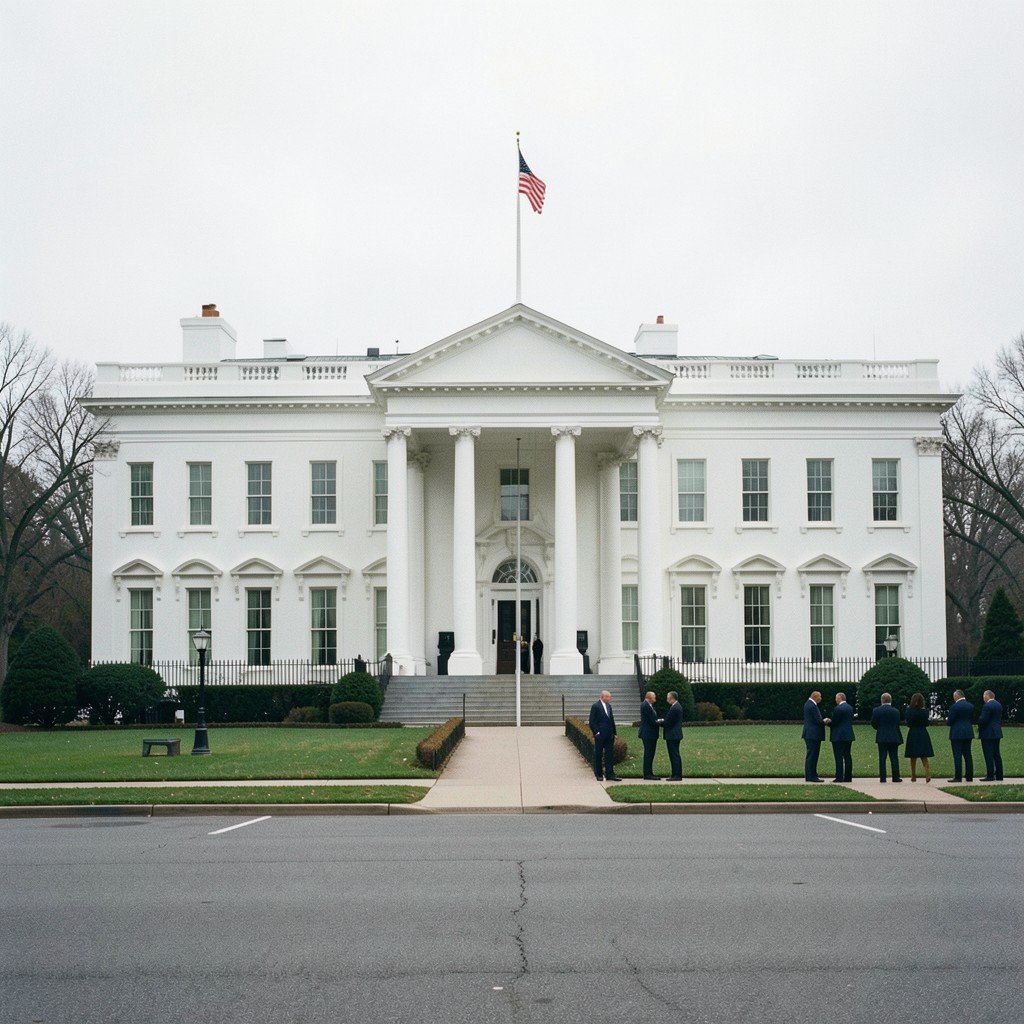
AI-generated representative image. The White House in Washington D.C., seen under an overcast sky, illustrating the executive order on sanctions policy.
Editorial Team
Editorial Team
National-interest exemption suspends 500% tariffs on Russian imports and 100% tariffs on major energy buyers

US President Donald Trump has suspended sweeping sanctions against Russia that he signed into law only a month ago, invoking a national-interest exemption to waive penalties targeting Moscow's economy and countries that purchase Russian energy.

In an executive order issued on Friday, Trump waived sanctions and tariffs mandated by the Lindsey O. Graham Sanctioning Russia and Iran Act, including proposed 500% tariffs on imports from Russia and 100% tariffs on major buyers of Russian oil and gas.

The decision reverses one of the most aggressive economic measures against Russia in recent years and carries major implications for global energy markets. China and India, the two largest buyers of Russian crude oil, had been expected to be among the countries hardest hit by the legislation, which supporters described as a "bone-crushing" effort to drive Russian energy exports out of the global market.

Waiver Details and Rationale

"I have submitted to the Congress a certification that the issuance of such a waiver is in the national interests of the United States and a report explaining the basis for the certification," Trump wrote in the executive order.

The Graham Act, championed by the late Senator Lindsey Graham, was designed to close loopholes that hawkish lawmakers argued had allowed Moscow to circumvent existing economic restrictions. Trump has defended the move as beneficial to American consumers and consistent with his "America First" agenda.
Background and Earlier Actions

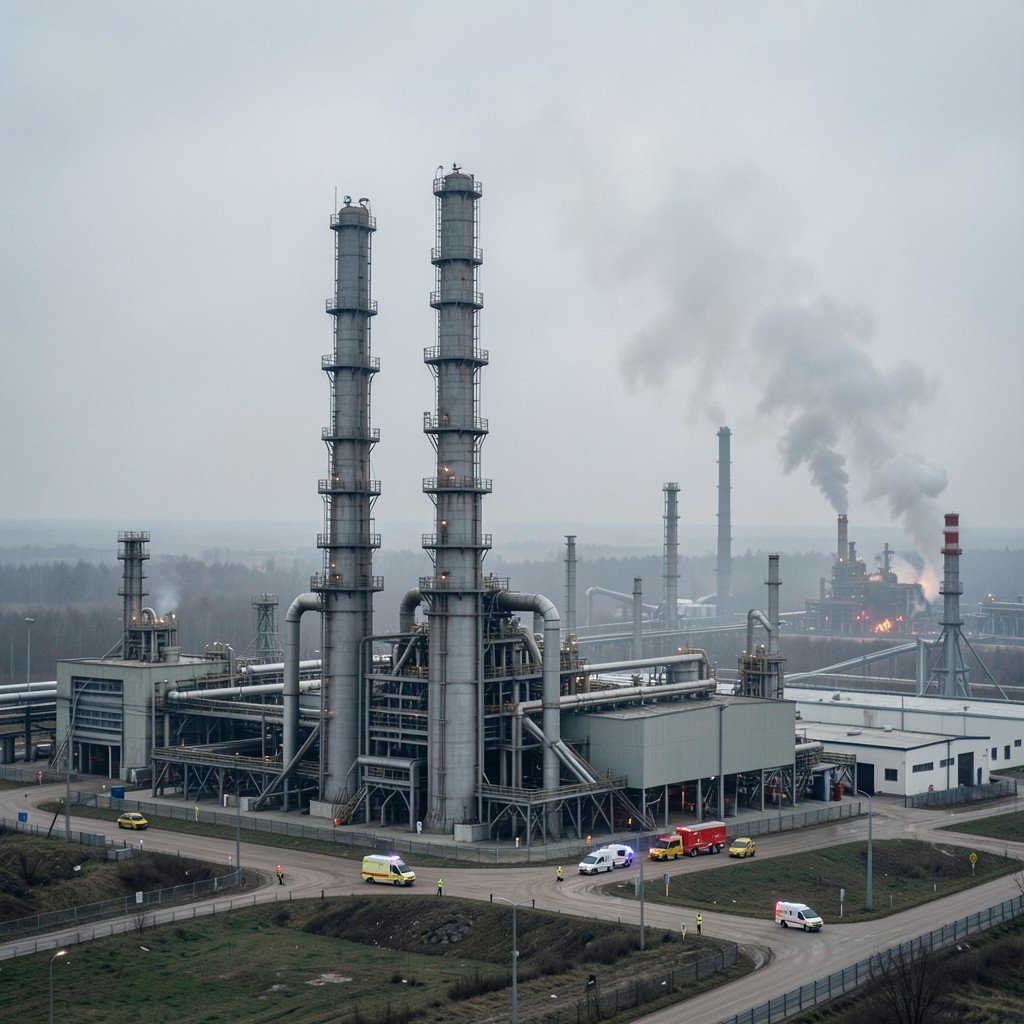
Earlier this month, Trump lifted sanctions on Russian diesel exports in an effort to curb rising energy prices ahead of the US midterm elections. That decision sparked outrage in Ukraine and among America's European allies, prompting a bipartisan group of US senators to accuse Trump of betraying Kiev.

According to US media reports, Trump decided to ease sanctions after Ukrainian leader Vladimir Zelensky refused to halt strikes on Russian energy facilities, which Trump blamed for high energy prices. In response to the backlash, Trump attacked Zelensky as "not a good guy for us to deal with" and suggested that Ukraine needed "a new president."

Reactions and Official Statements

On Friday, US Representative Gregory Meeks introduced a bill in Congress seeking to block the diesel agreement with Russia. The Democrat accused Trump of "cozying up to [Russian President Vladimir] Putin and striking self-enriching deals instead of standing with Ukraine."

Kremlin spokesman Dmitry Peskov said on Thursday that Russian diesel "has begun reaching global markets, and it will have a certain positive effect on stabilizing oil markets." Kirill Dmitriev, Putin's investment envoy and a negotiator on Ukraine, hailed the waiver as "an important and historic moment," saying economic cooperation "contributes to global economic stability, and lays the foundation for building trust and achieving lasting peace."

What Happens Next

Russia has maintained that it has adapted to mounting Western economic pressure, while describing the Graham bill as a hostile move that would undermine Trump's efforts to broker peace between Moscow and Kiev. The waiver now faces potential congressional pushback through Meeks' legislation, though the outcome of that effort remains uncertain.

MORE LIKE THIS

Comments (0)

Leave a comment

A verified Gmail account is required to post comments.

No comments yet. Be the first to share your thoughts!