

European Gas Prices Hit Four-Year High on Iran War and Russia Cuts
business

European Gas Prices Hit Four-Year High on Iran War and Russia Cuts

By Editorial Team•Oct 27, 2026 · 8:02 AM•4 min read
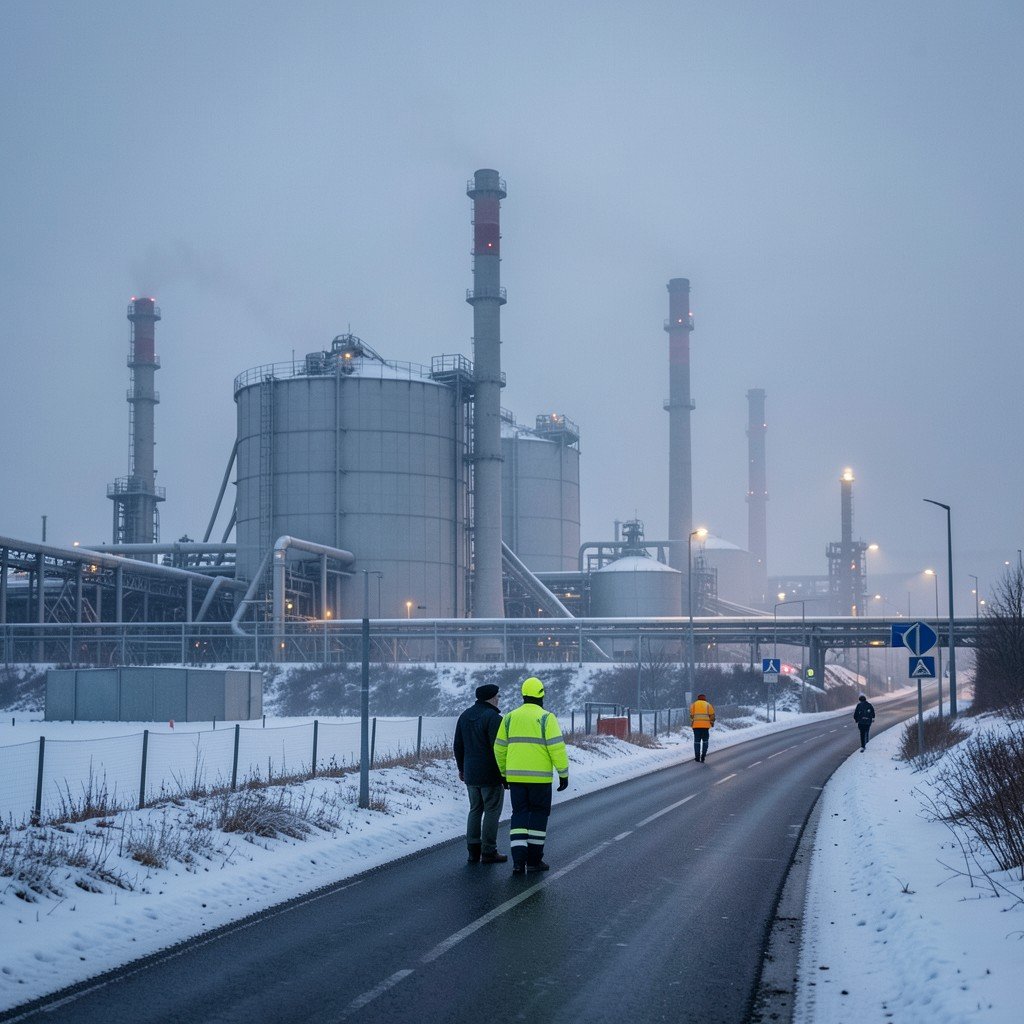
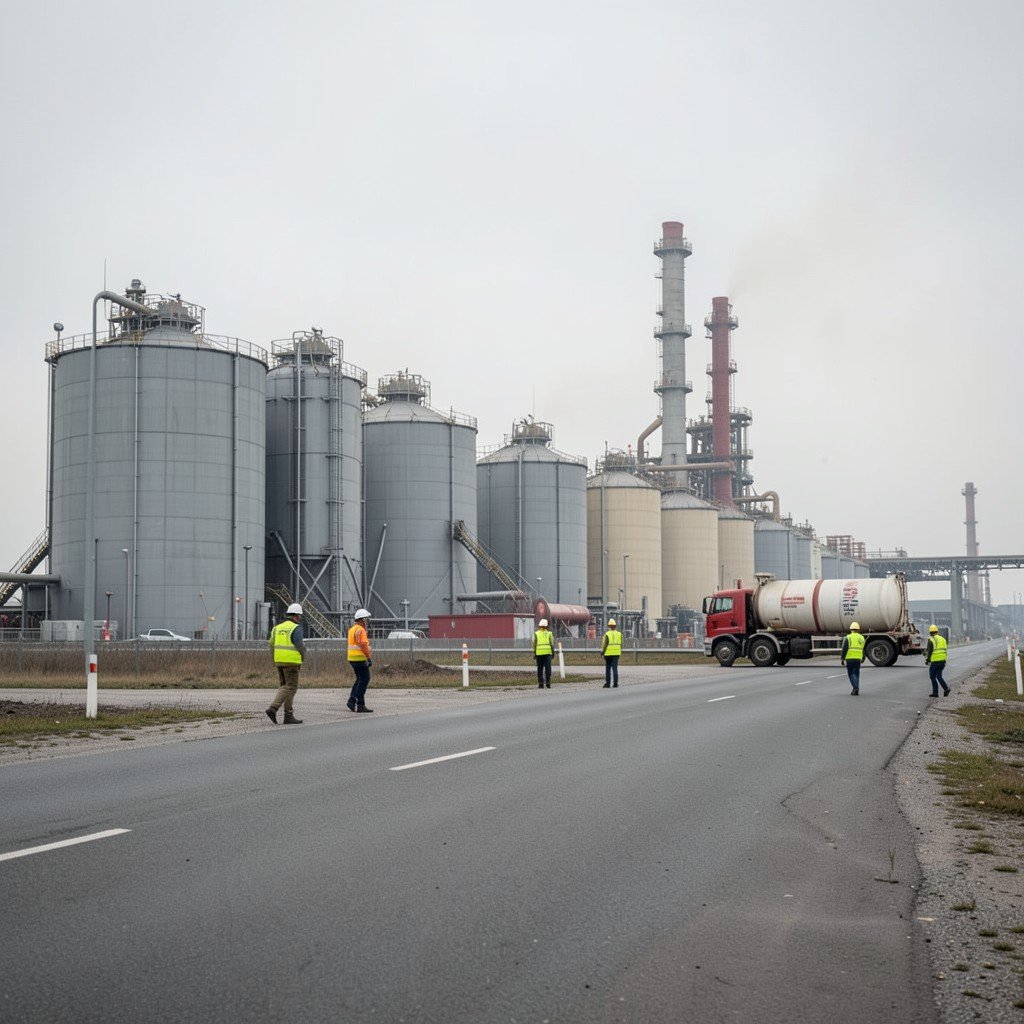
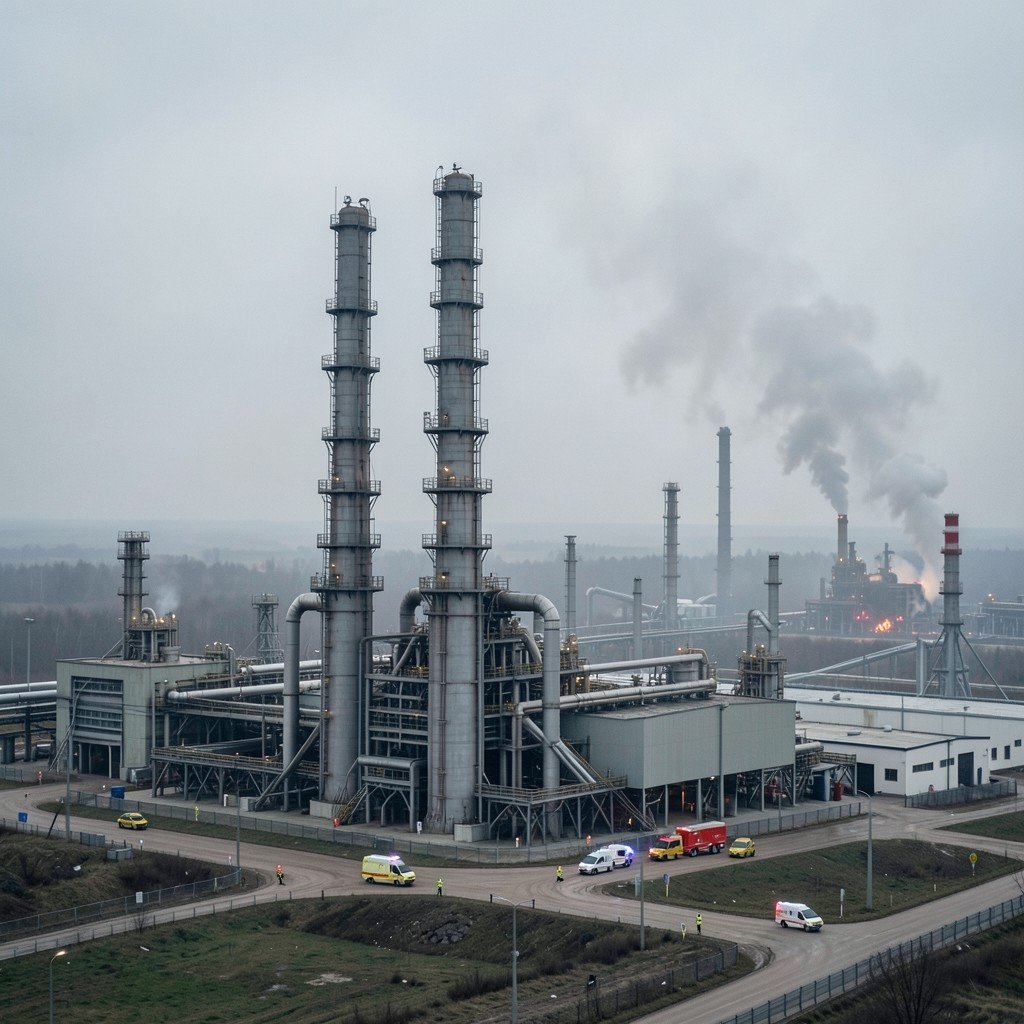
AI-generated representative image: European gas storage and processing infrastructure during winter, as wholesale prices hit a four-year high.
Editorial Team
Editorial Team
Wholesale prices top 97 euros per megawatt-hour as EU storage runs low and LNG flows stay reduced

European natural gas prices climbed to their highest level in four years on Monday, briefly passing €97 ($108) per megawatt-hour, as the war in Iran and the EU's continued push to phase out Russian energy supplies tightened the market. The jump marked the strongest wholesale prices since December 2022, according to data from online aggregator Trading Economics.

The surge came as the bloc's gas storage facilities stood at just 74.62% full as of October 25, well below seasonal averages, with some EU countries already drawing on reserves as temperatures fall.

The price spike carries direct consequences for households and industries across Europe heading into winter. British consumers could see energy bills rise by 27% in January, while EU officials have already warned the bloc faces its worst energy crisis since 2022.

The development highlights how the conflict in Iran and the reduction in Russian pipeline gas are converging to strain European energy security at the most sensitive point of the year.

Market Pressures Intensify

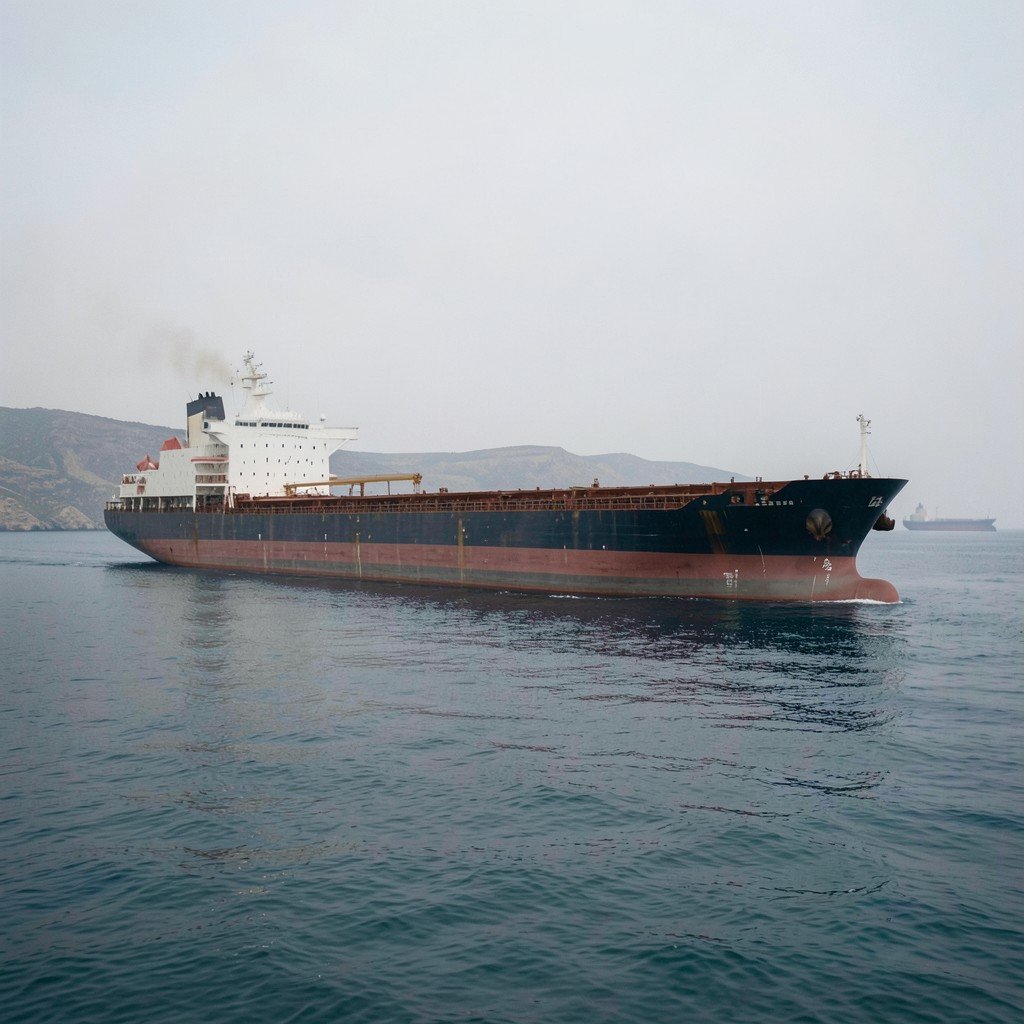
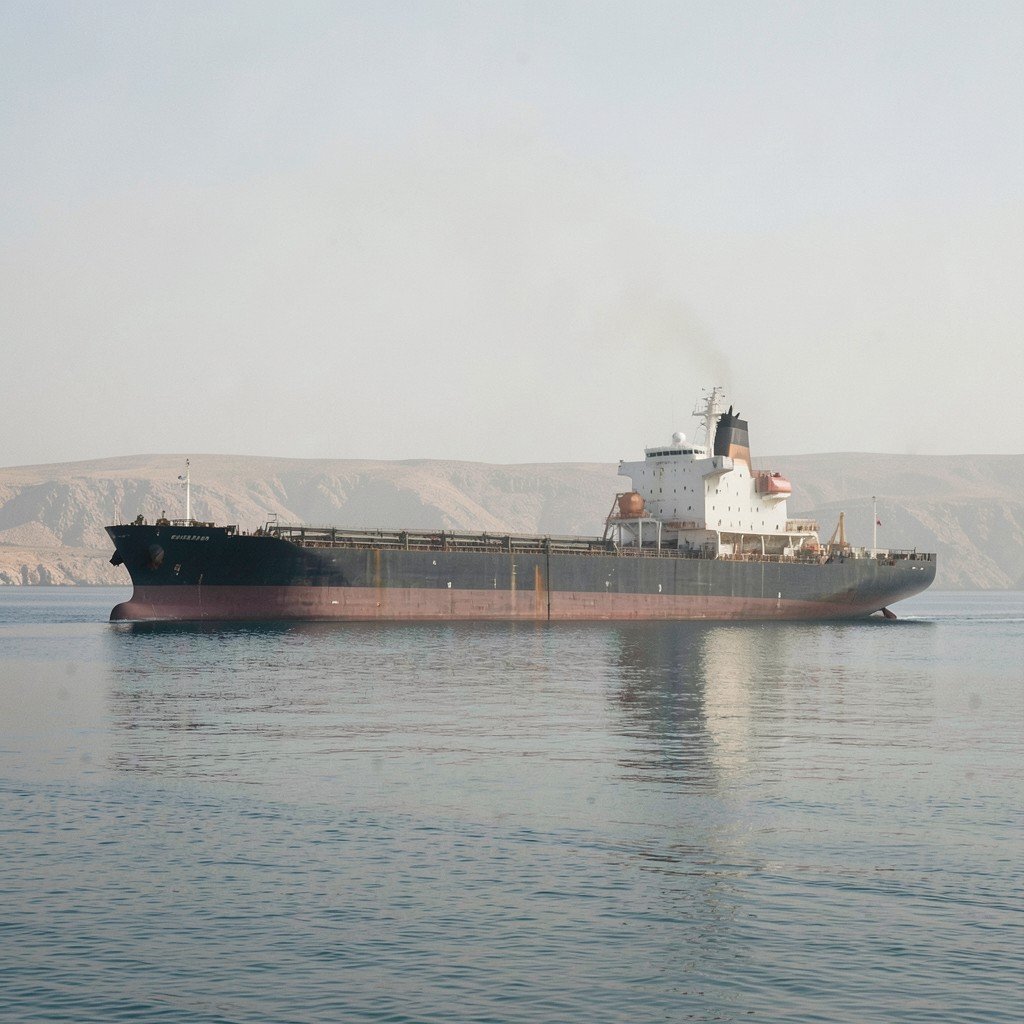
Liquefied natural gas (LNG) shipments through the Strait of Hormuz, which accounted for around a fifth of global LNG trade before the US and Israeli military campaign against Iran earlier this year, remained approximately 80% below pre-conflict levels. The disruption has compounded the bloc's supply constraints.

Trading Economics forecasts that European gas prices will reach €98.20 per megawatt-hour by the end of the fourth quarter of 2026. In the UK, the month-ahead gas contract rose by 4% to its highest level since December 2022, while Brent crude, which climbed to $117 per barrel last week, has eased slightly but remains around $115.

British households could face a 27% increase in energy bills in January, pushing the average annual dual-fuel bill to nearly £2,200 ($2,940), according to energy supplier EDF. An earlier forecast by consultancy Cornwall Insight had projected a 16% increase to approximately £2,000.
Roots of the Crisis

Following the EU's sweeping sanctions on Russia in 2022, the bloc experienced one of its worst energy crises in decades. Gas prices soared above €300 per megawatt-hour, driving up costs for industries and households and contributing to surging inflation.

The EU has continued its efforts to phase out Russian energy. While Russia accounted for around 45% of the bloc's gas imports in 2021, its share had fallen to approximately 12% by 2025. In August, the Guardian reported mounting concerns in the EU over low gas storage levels and soaring prices ahead of winter.

In September, EU Energy Commissioner Dan Jørgensen warned that the bloc was facing its worst energy crisis since 2022. In mid-October, German media reported that Berlin was planning to make households and businesses pay for a national emergency gas reserve costing more than €3 billion over ten years, with the government-controlled stockpile reserved for emergencies including sabotage and infrastructure failures rather than used to lower prices.

Political Reactions and Official Statements

The reports came as the opposition Alternative for Germany (AfD) party called for restoring energy ties with Russia and following US President Donald Trump's example. On October 13, AfD co-leader Alice Weidel said Germany should seek its own diesel deal with Moscow, praising Trump's agreement with Russia as a pragmatic approach.

Moscow has described the EU's efforts to sever energy ties with Russia as a "suicidal" policy. Last week, Russian presidential investment envoy Kirill Dmitriev argued that the bloc would eventually have to restore those ties because "cooperation with Russia economically will be inevitable." Dmitriev also blamed the EU's current problems, including high energy costs, on the bloc's leaders, accusing them of refusing to acknowledge and correct their mistakes.

What Lies Ahead

With storage levels below seasonal norms and LNG flows through the Strait of Hormuz still heavily reduced, European gas markets are expected to remain under pressure through the winter. Trading Economics projects prices will continue to climb toward €98.20 per megawatt-hour by the end of the fourth quarter.

Authorities have not yet announced any coordinated EU-wide intervention to address the shortfall, and it remains unclear whether the planned German emergency reserve will be operational before the peak winter demand period.

MORE LIKE THIS

Comments (0)

Leave a comment

A verified Gmail account is required to post comments.

No comments yet. Be the first to share your thoughts!