

Vulcan Rocket Failure Destroys 40 Amazon Satellites in ULA Loss
news

Vulcan Rocket Failure Destroys 40 Amazon Satellites in ULA Loss

By Editorial Team•Nov 16, 2026 · 7:47 PM•4 min read
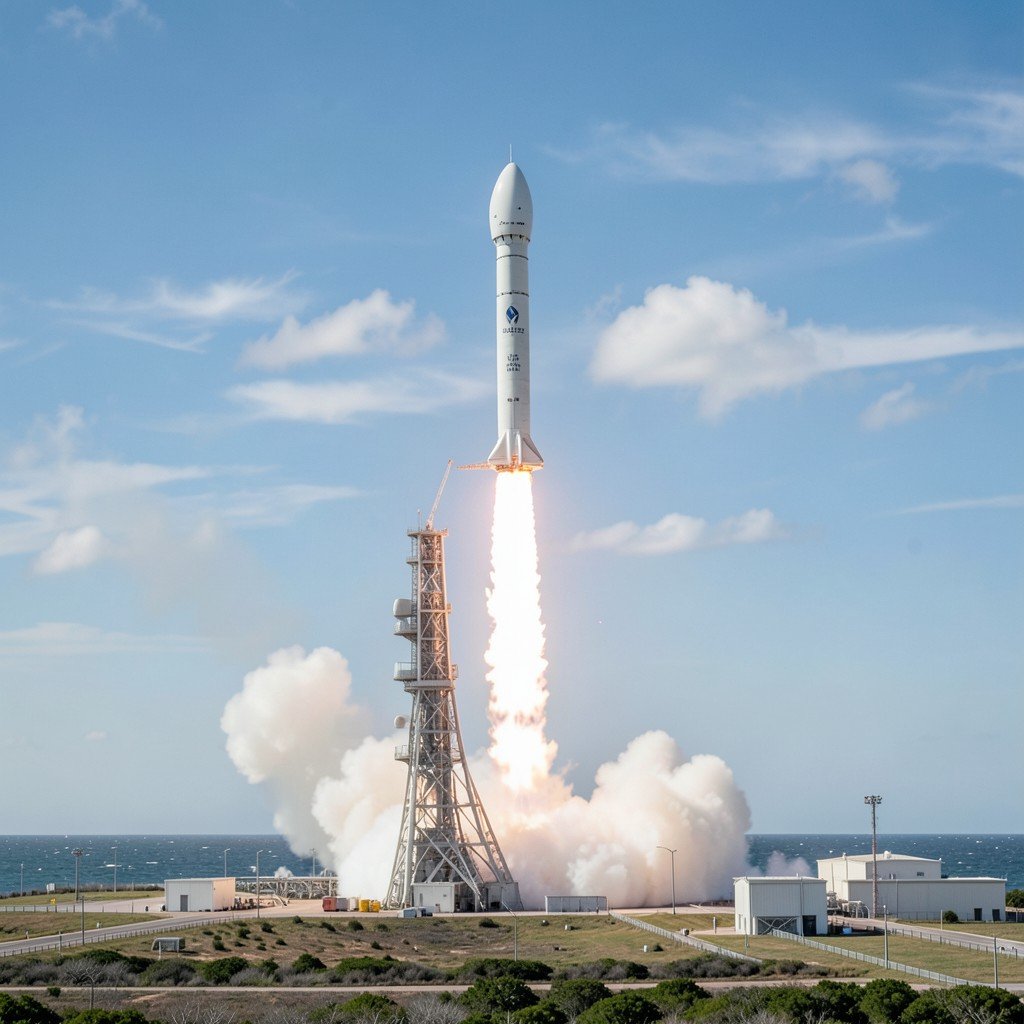
AI-generated representative image: A Vulcan rocket lifting off from Cape Canaveral, illustrating the launch vehicle involved in the reported mission failure.
Editorial Team
Editorial Team
ULA's first mission failure deals another blow to Amazon's satellite internet race against SpaceX Starlink.

A United Launch Alliance (ULA) Vulcan rocket carrying 40 satellites for Amazon's Leo internet constellation failed to reach orbit on Sunday after suffering an anomaly approximately 10 minutes into its flight from Cape Canaveral Space Force Station.

The mission, launched from Space Launch Complex 41, marks the first failure in ULA's 20-year history and the loss of a payload intended to help Amazon compete with SpaceX's Starlink network.

The failure is significant because it was supposed to be the first of 38 launches Amazon had purchased from ULA, making it a foundational mission for the company's satellite deployment plans. Losing 40 satellites further complicates Amazon's efforts to begin initial internet services, a goal it had hoped to achieve this year.

The incident also exposes a structural disadvantage facing Amazon and other competitors: unlike SpaceX, which deploys satellites using its own rockets, Amazon remains dependent on external launch providers and the billions of dollars required to secure their services.

What Happened During the Mission

The Vulcan vehicle lifted off from Space Launch Complex 41 but encountered an anomaly 10 minutes into the flight, preventing it from delivering its payload to orbit. ULA confirmed the failure in a statement posted on X, saying, "Based on data received by our Launch Director, we confirm that the Vulcan vehicle launched from Space Launch Complex 41 suffered an anomaly 10 minutes into the flight and failed to deliver the Amazon mission to orbit."

The cause of the failure remains unclear. ULA said it would investigate the incident and pledged transparency as efforts to determine the cause continued. Blue Origin, the space company founded by Amazon founder Jeff Bezos and supplier of Vulcan's BE-4 engines, is also participating in the investigation, according to a person familiar with the matter who spoke on condition of anonymity.


Amazon's Satellite Ambitions and Recent Setbacks

Amazon has been working to establish its Leo satellite internet network as a competitor to SpaceX's Starlink, but it remains far behind its rival in deployment and operational capacity. Since 2025, Amazon has deployed 398 Leo satellites through 14 launches, representing approximately 12 percent of the 3,236 satellites required for global service coverage.

The Sunday failure adds to a series of launch setbacks confronting Amazon. A New Glenn rocket explosion in May had already disrupted Amazon's launch plans just days before it was scheduled to carry Leo satellites. Several other launch providers have also experienced failures and operational suspensions.

By comparison, SpaceX's Starlink network has more than 11,000 satellites and millions of customers worldwide. A key factor behind that lead is SpaceX's ability to use its own rockets to deploy satellites, while competing companies remain dependent on external launch providers.

Official Statements and Investigation Details

Despite the setback, Amazon expressed confidence in its launch partner, saying in a statement posted on X, "There is risk with any launch, and that's especially true for inaugural missions like LV-01. ULA has been a trusted partner for Amazon, and we believe they'll learn from this mission and deliver on their long-term plans for Vulcan."

The failed launch was Vulcan's fifth since its debut in 2024 and its first in nine months, following a prolonged suspension caused by separate technical investigations into its solid rocket side boosters and core engines. ULA is a joint venture between Boeing and Lockheed Martin, and the incident exposes another costly setback for the US aerospace contractors behind the launch vehicle.

What Comes Next

ULA has confirmed that the rocket failed to complete its mission and has begun an investigation into the anomaly, with Blue Origin participating in the effort. The company has pledged transparency as it works to determine the cause.

Amazon has not announced revised timelines for its satellite deployment or internet service launch. The loss of another 40 satellites threatens to further complicate its deployment plans, and additional information on the investigation's findings is awaited.

MORE LIKE THIS

Comments (0)

Leave a comment

A verified Gmail account is required to post comments.

No comments yet. Be the first to share your thoughts!