How the Networks Operate
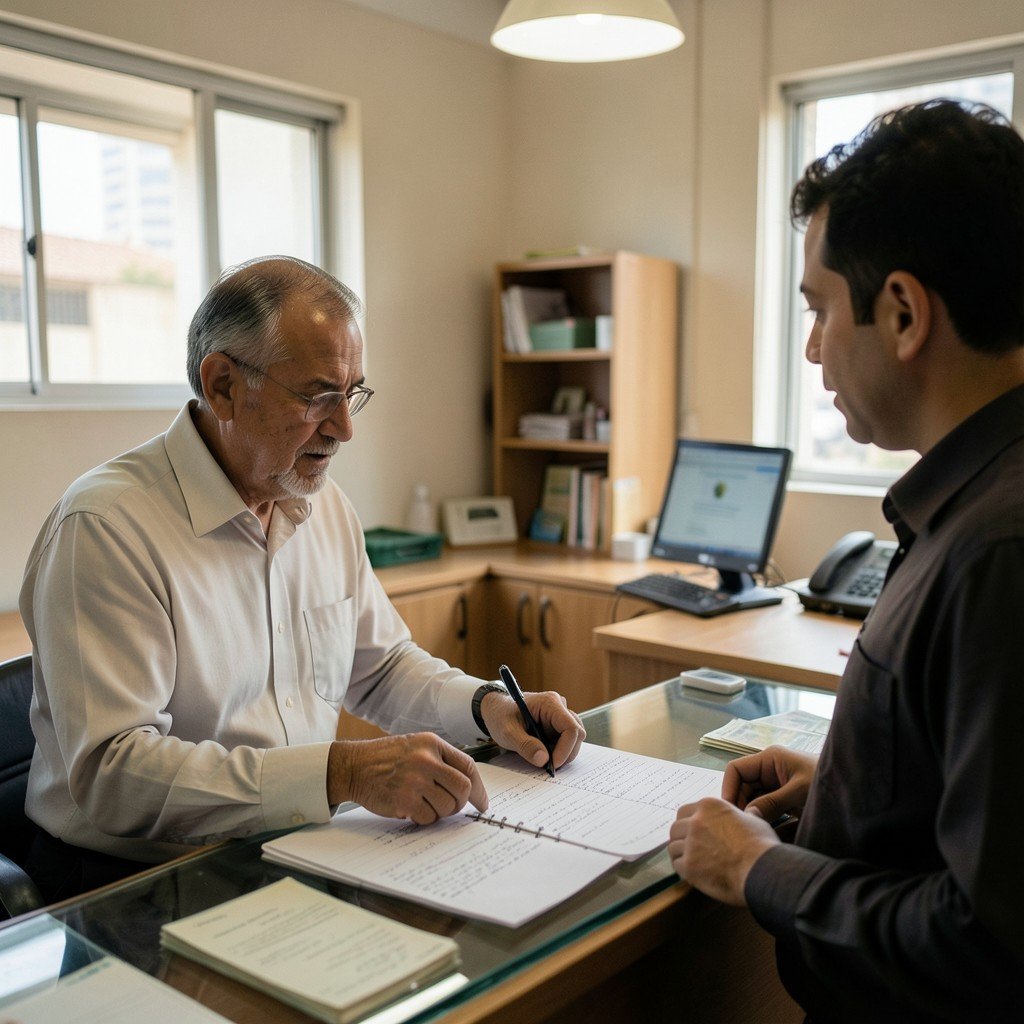
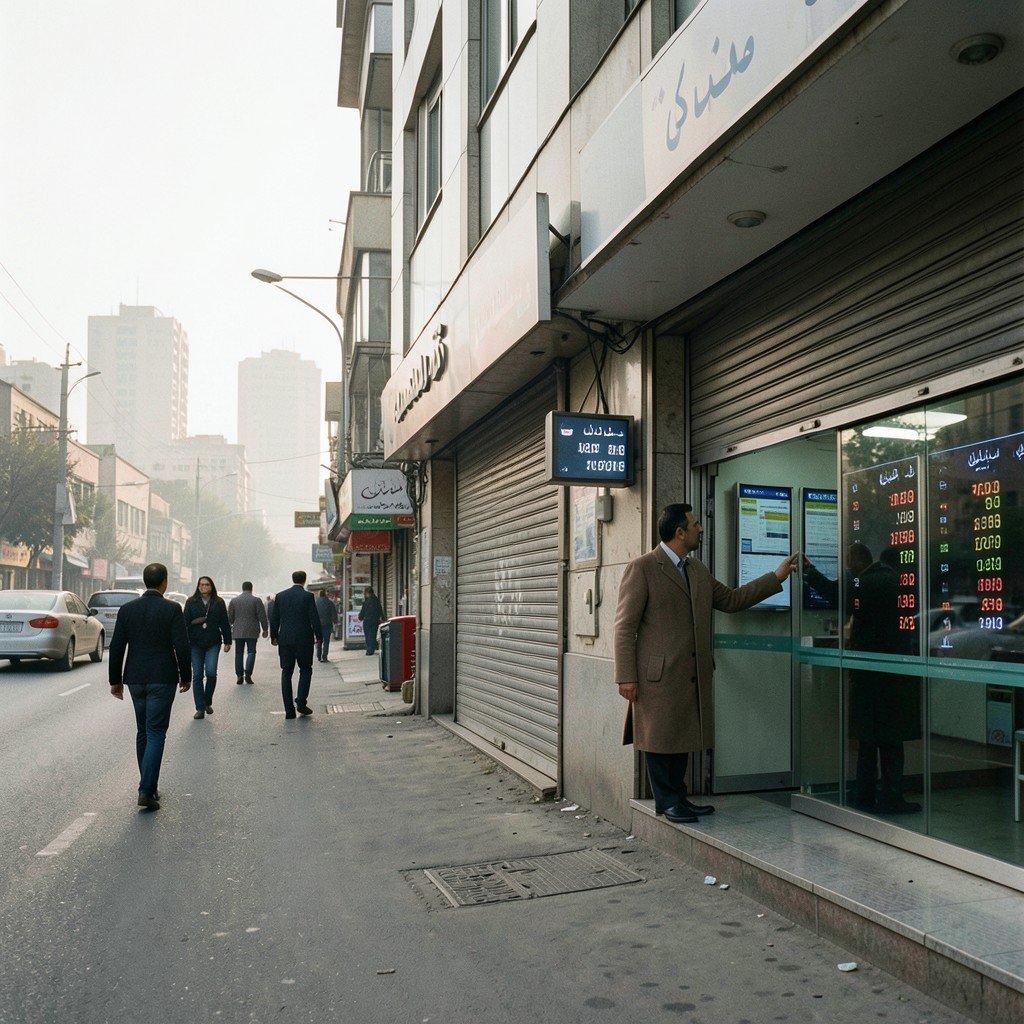
In a typical hawala transaction, an Iranian customer hands local currency to a broker in Iran, who contacts a counterpart abroad to release the equivalent amount in the destination country, minus a commission. No money physically crosses the border, and records are often minimal, making the system difficult for regulators to trace.
Experts note that these methods carry significant risks, including fraud, frozen accounts and legal exposure in countries that enforce sanctions compliance. Iranian authorities have also periodically cracked down on unlicensed currency traders, while ordinary users face volatility in exchange rates and limited recourse when transfers fail.