

Bangladesh Elects Mirza Fakhrul Islam Alamgir as 23rd President
news

Bangladesh Elects Mirza Fakhrul Islam Alamgir as 23rd President

By Editorial TeamAug 20, 2026 · 6:07 PM2 min read
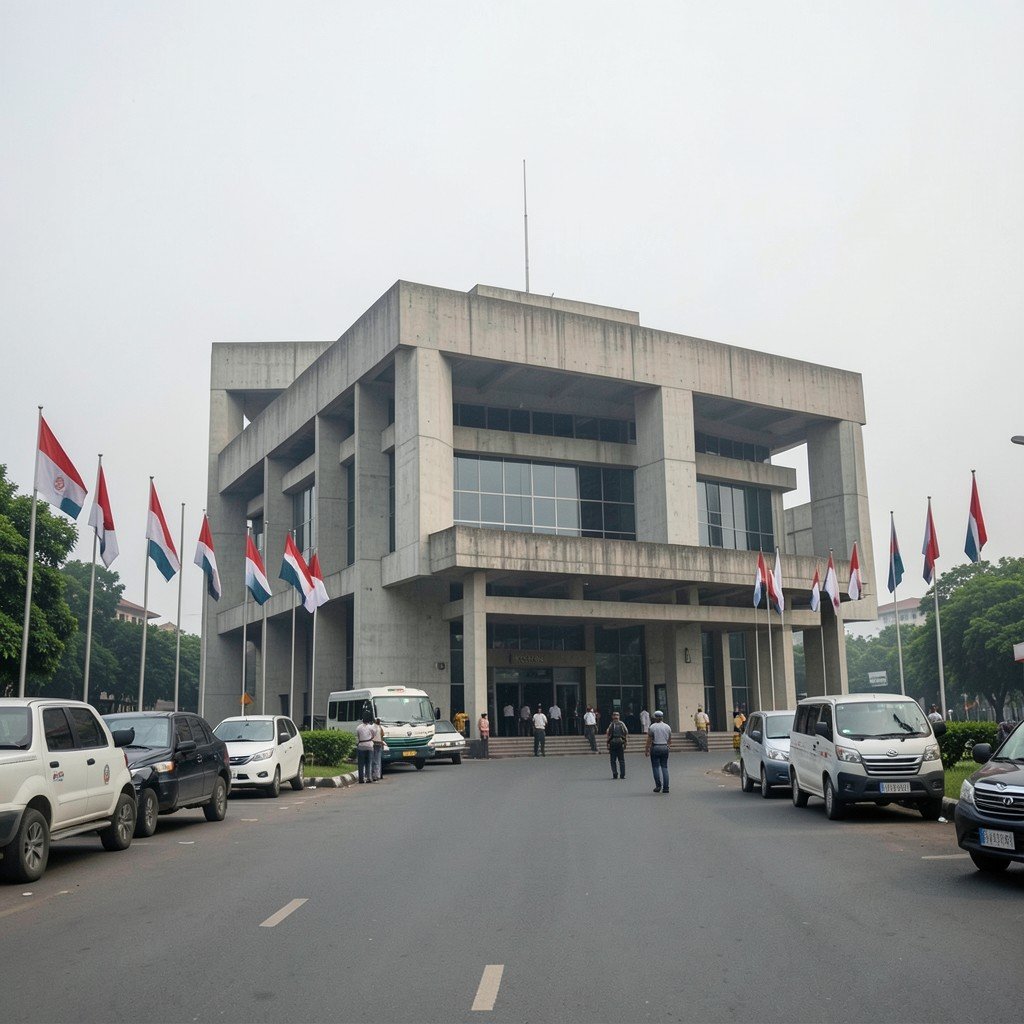
AI-generated representative image: Bangladesh's National Parliament House in Dhaka, where lawmakers elected the country's 23rd president.
Editorial Team
Editorial Team
BNP candidate wins first contested presidential election in 35 years with 255 votes

Bangladeshi lawmakers have elected Mirza Fakhrul Islam Alamgir, candidate of the ruling Bangladesh Nationalist Party (BNP), as the country's 23rd president. The former BNP secretary-general secured 255 parliamentary votes in Thursday evening's election, while Oli Ahmed, a former army colonel representing the Bangladesh Jamaat-e-Islami-led alliance, received 88 votes. All 349 lawmakers cast their ballots.

The vote marks a notable shift in Bangladesh's political landscape, as it was the first presidential election in 35 years to feature more than one candidate. The largely ceremonial role nonetheless carries constitutional significance as head of state, and the contest reflects the realignment of political power following the ouster of former President Sheikh Hasina.

Election Results and Immediate Outcomes

Alamgir, the former secretary-general of the BNP, won decisively with 255 votes against Oli Ahmed's 88. The president serves as the constitutional head of state, though the position is largely ceremonial in practice.

The Awami League, the party of ousted President Sheikh Hasina, was banned by the interim government of Muhammad Yunus and therefore could not field a candidate. The election was called after the resignation last month of Mohammed Shahabuddin, who cited health issues ahead of the official end of his tenure in April 2028.

Political Context Behind the Contest

This was the first presidential election in 35 years featuring more than one candidate, as the political opposition had never previously contested the ruling party in such polls. The change underscores the transformed political environment following Hasina's departure from power.

A Reuters report citing sources said Prime Minister Tarique Rahman's government had pressed Shahabuddin to step aside because of his long-standing ties to Hasina, who is now in India. Shahabuddin's resignation, officially attributed to health concerns, came well before the scheduled end of his term in April 2028.

Voting Details and Candidacy

Polling was held on Thursday evening with full participation from the country's 349 lawmakers. Alamgir's victory margin of 255 to 88 gave him a comfortable majority in the parliamentary vote.

The absence of the Awami League, banned under the interim government led by Muhammad Yunus, meant the election proceeded without the party that had long dominated Bangladeshi politics under Hasina's leadership.

What Happens Next

Alamgir is scheduled to be sworn in on Friday evening, formally assuming the largely ceremonial role of head of state. No further procedural steps have been announced regarding the transition.

MORE LIKE THIS

Comments (0)

Leave a comment

A verified Gmail account is required to post comments.

No comments yet. Be the first to share your thoughts!