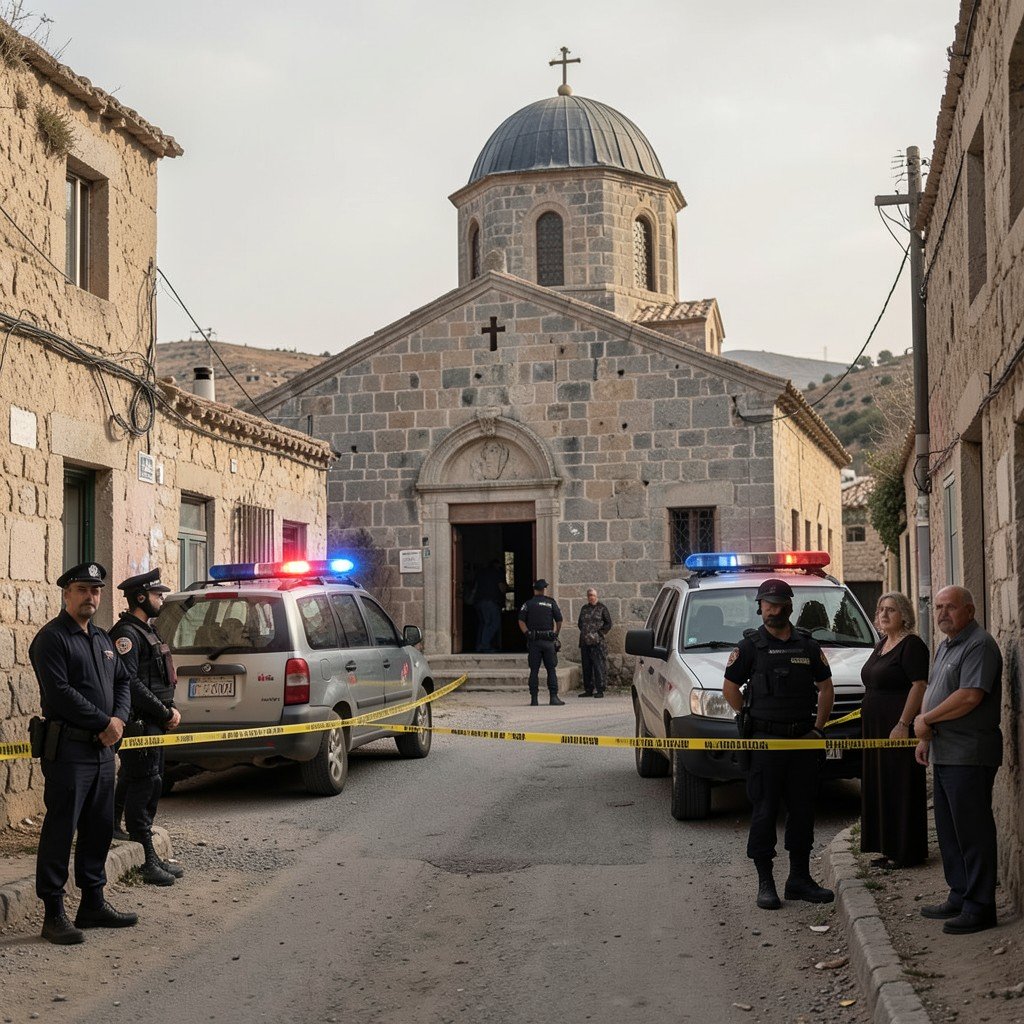


Iran and 11 Nations Demand Global Ban on Nuclear Site Attacks
news

Iran and 11 Nations Demand Global Ban on Nuclear Site Attacks

By Editorial Team•Oct 25, 2026 · 7:05 PM•3 min read
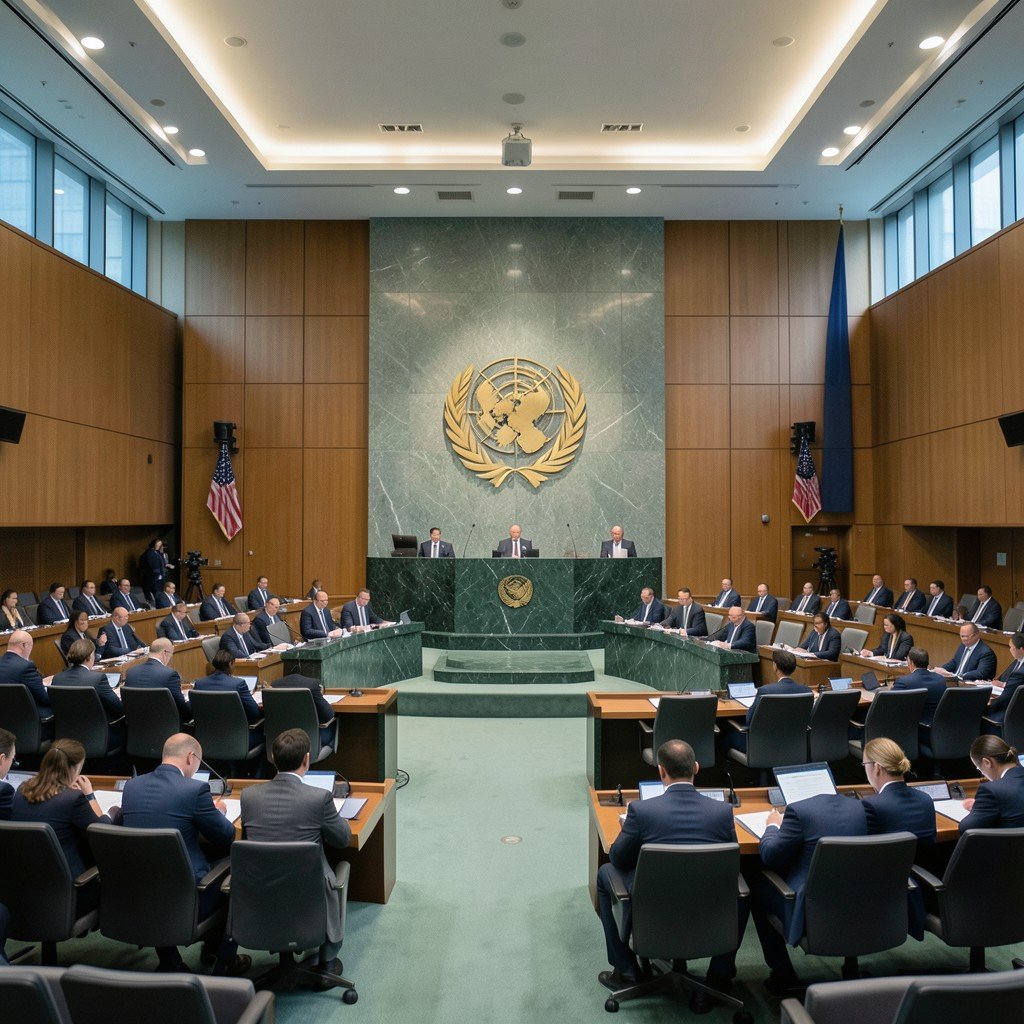
AI-generated representative image: The UN General Assembly hall, where a joint statement on protecting IAEA-safeguarded nuclear facilities was delivered.
Editorial Team
Editorial Team
Joint UN statement urges unequivocal opposition to attacks on IAEA-safeguarded peaceful nuclear facilities

Iran and 11 other nations have jointly demanded a global prohibition on all forms of attacks, or threats of attack, against nuclear sites and facilities under International Atomic Energy Agency (IAEA) safeguards. The demand was delivered in a joint statement at the 81st session of the United Nations General Assembly's First Committee on October 23.

The statement reaffirmed the inalienable right of all states to develop nuclear energy for peaceful purposes without discrimination, while urging member states to express clear and unequivocal opposition to any such attacks.

The initiative carries significant weight because it brings together states that have historically aligned on nuclear non-proliferation and peaceful-use issues, including China and Russia. The joint position reinforces concerns that attacks on safeguarded nuclear facilities could undermine the global non-proliferation system and endanger civilian populations through potential radioactive releases.

Signatories and Core Demands

The 12 signatories are the Republic of Belarus, Burkina Faso, the People's Republic of China, the Republic of Cuba, the State of Eritrea, the Islamic Republic of Iran, the Republic of Nicaragua, the Republic of Niger, the Islamic Republic of Pakistan, the Russian Federation, the Republic of Tajikistan, and the Republic of Zimbabwe.

The statement declares that nuclear facilities shall never, under any circumstances, be subjected to attack or threat of attack. It also calls upon all member states to stand united in upholding the integrity and credibility of the IAEA safeguards system.

Historical and Legal Context

The joint statement recalls United Nations Security Council resolution 487 of 1981, which strongly condemned a military attack against nuclear facilities. It also cites relevant decisions and resolutions of the IAEA General Conference, including GC(53)/DEC/13, GC(XXIX)/RES/443, GC(XXIX)/RES/444, and GC(XXXIV)/RES/533.

These instruments are presented as evidence of the longstanding position of the international community opposing attacks, or threats of attack, against nuclear facilities under IAEA safeguards and devoted to peaceful purposes. The signatories reaffirm that such actions violate the principles of the UN Charter, international law, and the Statute of the IAEA, while being profoundly inconsistent with the objects and purposes of the Treaty on the Non-Proliferation of Nuclear Weapons (NPT).

Safety and Security Concerns Raised

The statement emphasizes that attacks against nuclear facilities have grave implications for nuclear safety and nuclear security, and constitute a serious threat to the integrity, effectiveness, and credibility of the IAEA safeguards system and the wider global non-proliferation architecture.

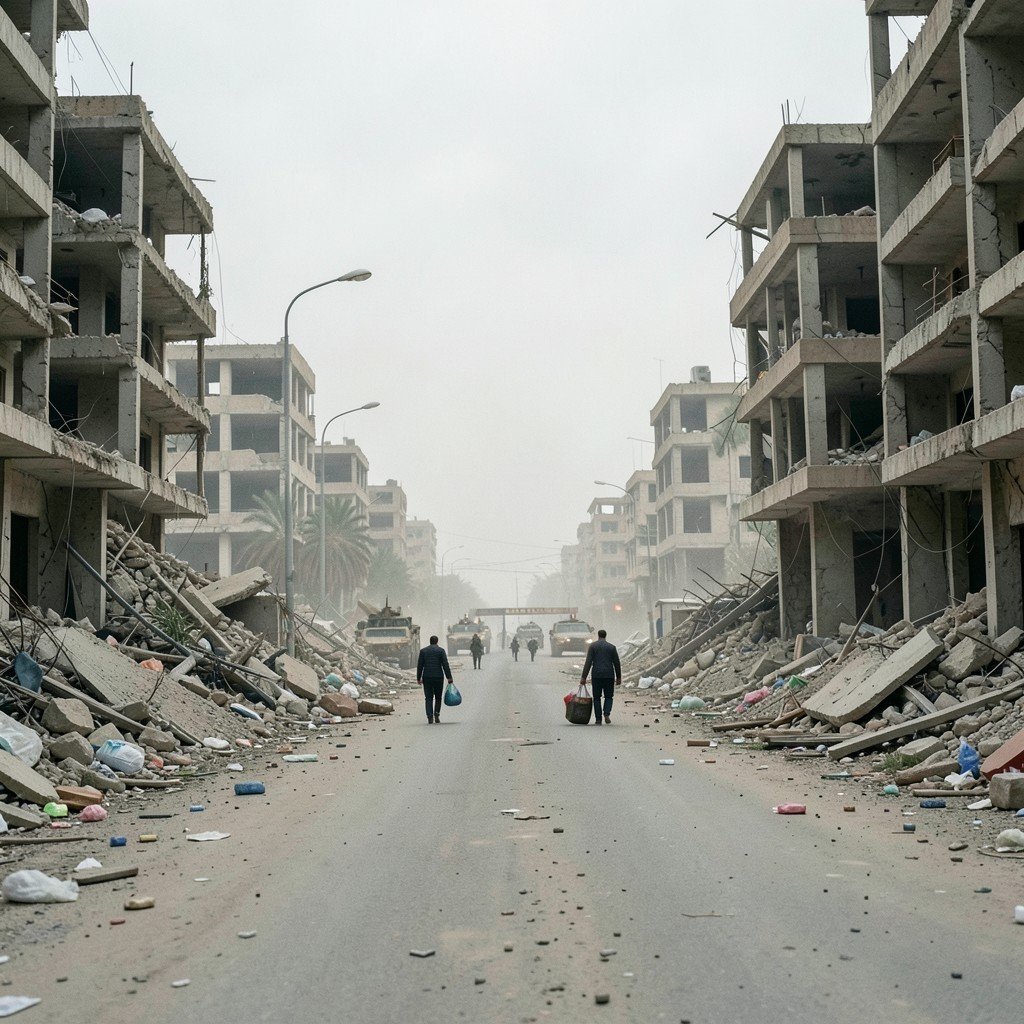
The signatories stress that such attacks would adversely affect the peaceful uses of nuclear energy and international cooperation. They warn that attacks may result in radioactive releases with grave consequences within and beyond the affected state, including severe impacts on civilian populations and long-term damage to the environment.

The statement further asserts that silence in the face of attacks against safeguarded nuclear facilities undermines established international norms, erodes confidence in the international legal order, and risks the normalization of such attacks.

What Happens Next

The joint statement has been formally delivered to the UN General Assembly's First Committee. It calls on all member states to strengthen nuclear safety and security and to protect the peaceful uses of nuclear energy and international cooperation. Whether additional states will formally endorse the position remains to be seen.

MORE LIKE THIS

Comments (0)

Leave a comment

A verified Gmail account is required to post comments.

No comments yet. Be the first to share your thoughts!