Iran Methanol Poisoning Outbreak Kills 20, Sickens Hundreds
news

Iran Methanol Poisoning Outbreak Kills 20, Sickens Hundreds

By Editorial Team•Nov 28, 2026 · 7:36 PM•4 min read
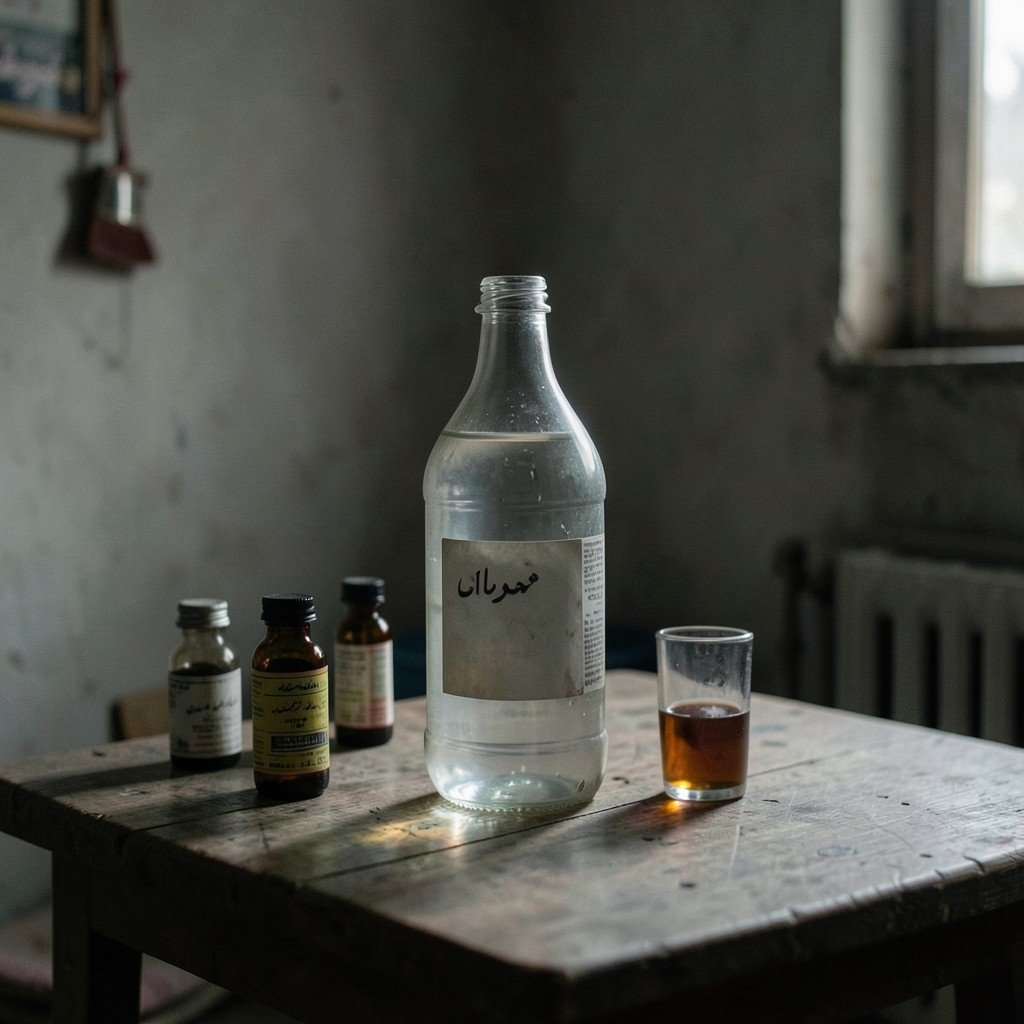
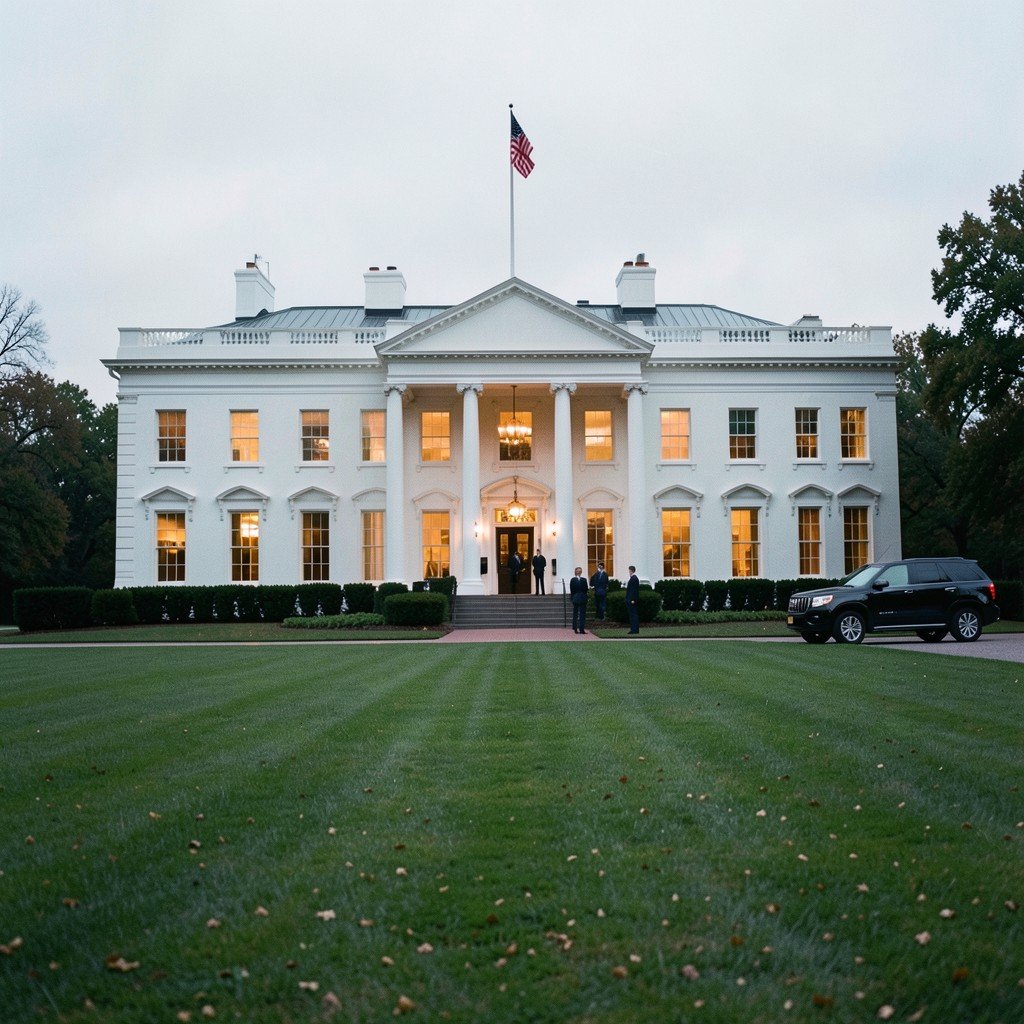
AI-generated representative image: a bottle of bootleg alcohol associated with a methanol poisoning outbreak in Iran.
Editorial Team
Editorial Team
Contaminated bootleg alcohol spreads across four provinces, triggering arrests and a nationwide crackdown on illicit sellers.

More than 20 people have died and at least 500 have been poisoned in Iran since mid-November after consuming bootleg alcohol contaminated with methanol, a substance used in medical disinfectants that can be fatal if ingested.

The first death was reported on November 16 in Marvdasht, in Fars Province, with poisonings since confirmed across four provinces as authorities launched a crackdown on illicit alcohol sellers.

The outbreak marks the country's most serious mass alcohol poisoning since four people were executed two years ago for distributing contaminated beverages that killed 17 people and injured 199 others, including cases of blindness.

The latest wave highlights the persistent dangers of Iran's underground alcohol trade, which thrives despite strict prohibition laws and leaves consumers unable to detect the toxic substance in their drinks.

Provincial Toll and Arrests

By Friday, confirmed poisoning cases were distributed across four provinces: 230 in Razavi Khorasan, 126 in Hormozgan in the south, 66 in Fars, and 15 in West Azerbaijan.

Police have been cracking down on bootleg alcohol sellers, and about 10 people had been arrested across Iran in connection with the cases by Friday.

The prosecutor of Razavi Khorasan Province said that the poisoning cases in Razavi Khorasan, Fars, and Hormozgan provinces were connected, and that several individuals had been arrested in relation to a contaminated alcohol distribution network.

Prohibition and a Persistent Black Market

Laws banning alcohol were established in 1980, shortly after the Islamic Revolution, although religious minorities such as Christians and Jews can still access beverages such as wine. The sale and purchase of alcohol is illegal, with drinkers potentially facing 80 lashes and jail, while repeat offenders have been executed.

Despite these strict laws, alcohol remains available in major cities. Two official studies conducted in the early 2010s found an increase in alcohol consumption among Iranians aged between 15 and 64. A 2011 National Mental Health Survey commissioned by the Ministry of Health estimated that 830 per 100,000 people, approximately 623,000 individuals, had alcohol dependence, while 2,800 per 100,000 were recreational drinkers. A second survey reported a particular increase in consumption among people under 18 and women. A more recent Ministry of Health study in 2021 gave a more mixed assessment of any rise in alcohol use.

How Contamination Occurs and Why It Is Missed

A former Tehran police detective, speaking on condition of anonymity, said investigators must look beyond the distribution network and examine production as well, since distributors may not know the alcohol they sell is contaminated.

Producers typically buy medical-grade ethanol and mix it with grape or date-based alcohol, sometimes using tea or acorn extracts to alter colour and taste, or adding tequila or whisky-like flavourings. The danger arises because medical alcohol, which is supposed to be ethanol, can contain traces or higher concentrations of methanol. Even producers may be unaware that their ethanol was contaminated, exposing consumers to serious poisoning.

Dr Shadi Hassanzadeh, a general practitioner in Mashhad, said methanol is extremely dangerous in homemade drinks because consumers have no way of detecting its presence. A nurse at an ophthalmology hospital in Tehran said symptoms in the first 24 hours can resemble an ordinary hangover, and people may only realise something is seriously wrong around 72 hours after consumption, when blurred vision, loss of consciousness, and seizures appear. Hossein Kermanpour, spokesperson for Iran's Ministry of Health, repeated the government's advice that people should avoid alcohol but seek immediate medical attention if they experience unusual symptoms.

What Comes Next

Investigations are continuing, with authorities working to trace the production network behind the contaminated drinks rather than focusing solely on distributors. The former police detective said such inquiries usually continue until those responsible for producing the contaminated beverages are identified and apprehended.

No further official figures on deaths or hospitalizations have been released, and additional information on the scope of the outbreak remains awaited.

MORE LIKE THIS

Comments (0)

Leave a comment

A verified Gmail account is required to post comments.

No comments yet. Be the first to share your thoughts!