

Trump Weighs New Decapitation Strikes on Iran Leadership
news

Trump Weighs New Decapitation Strikes on Iran Leadership

By Editorial Team•Nov 25, 2026 · 8:18 PM•3 min read
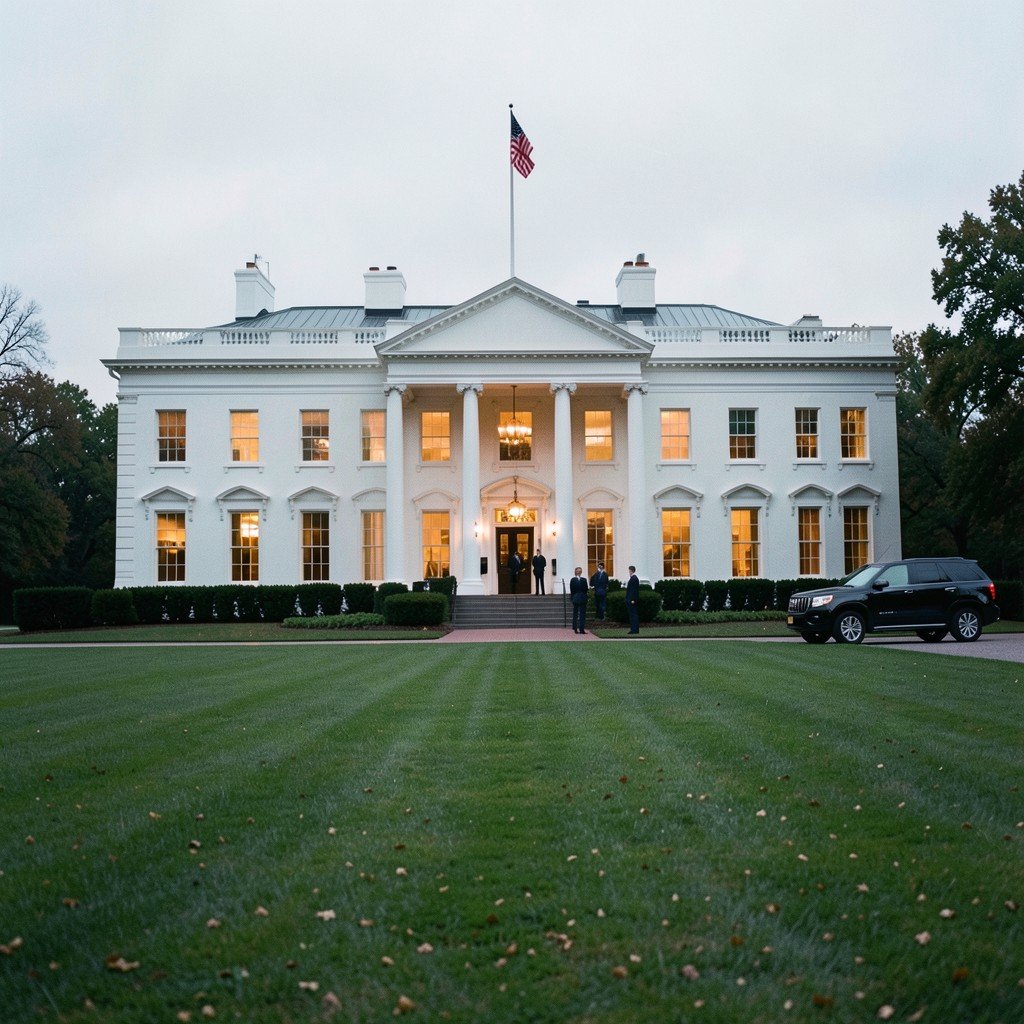
AI-generated representative image. The White House, where the US administration is reportedly weighing further strikes on Iranian leadership.
Editorial Team
Editorial Team
US officials split on whether renewed strikes on Tehran would end the war or prolong it as nuclear talks stall

The administration of US President Donald Trump is debating whether to target Iran's leadership again in an effort to end the ongoing war with Tehran, according to a report by NBC News. The discussions come months after a series of decapitation strikes killed Ayatollah Ali Khamenei and dozens of senior Iranian officials, commanders and scientists, yet failed to destabilize the country's power structure.

The internal debate reflects a deeper strategic divide within Washington over how to bring the conflict to a close. While some officials believe renewed strikes could force Iran to capitulate, others warn that such escalation would only harden Tehran's resolve and expose top American officials to retaliatory attacks.

Divisions Within the Administration

Supporters of new decapitation strikes argue that removing hardliners from Iran's leadership would signal to their successors that Washington can find and eliminate them at any time. Opponents counter that the escalation would prolong the war, push remaining Iranian leaders to dig in deeper, and undermine US credibility in negotiations, according to an unnamed American official and another informed source.

US military officials have also cautioned that attacks on Iranian leadership could increase the risk of retaliation against top American figures. The warnings follow reports that Treasury Secretary Scott Bessent relocated to a military base after alleged death threats from Iran, while Secretary of State Marco Rubio and Defense Secretary Pete Hegseth had earlier moved into military housing.
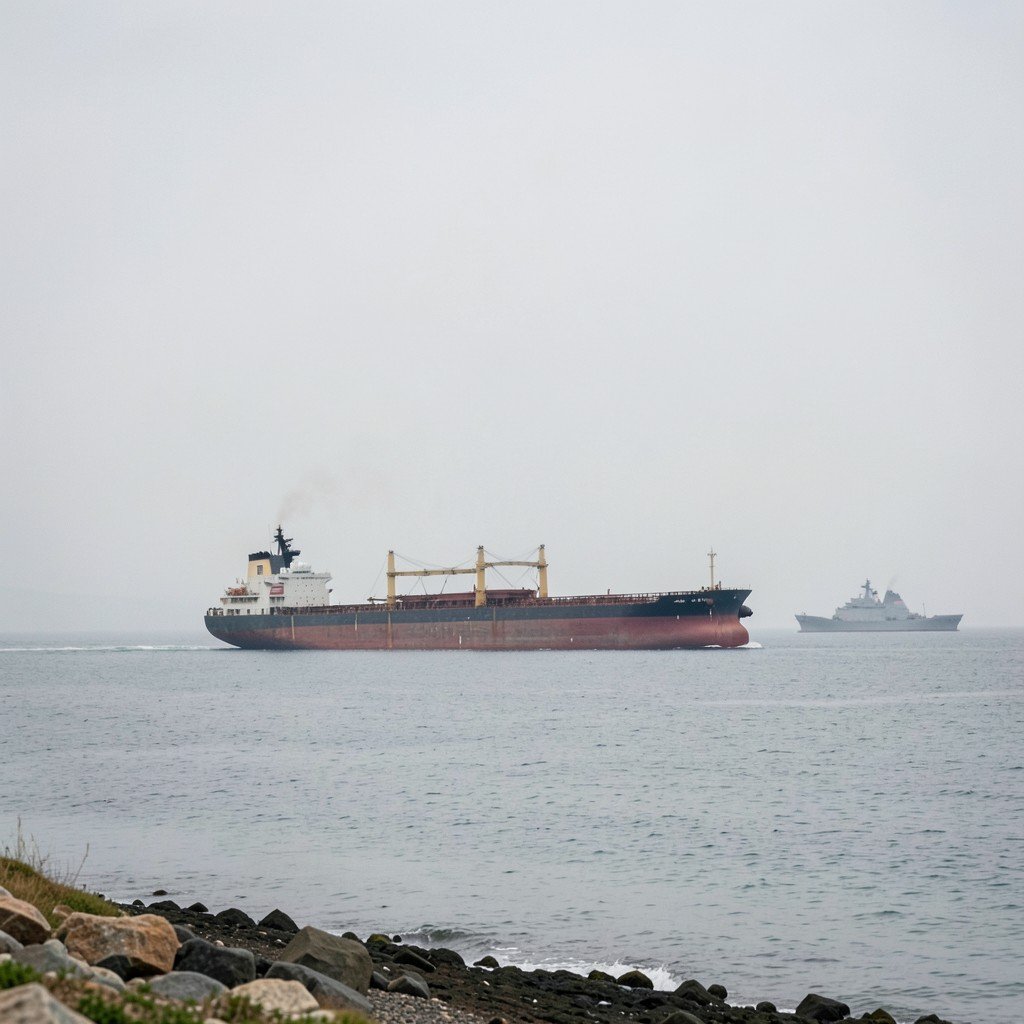
Background of the Conflict

The war began on February 28 with a joint US-Israeli attack on Iran. On the first day, Ayatollah Ali Khamenei and several of his closest associates were killed in an airstrike. In the following weeks, additional strikes eliminated several dozen officials, commanders and key scientists, including Khamenei's aide Ali Larijani.

Despite these losses, the Iranian power structure remained intact. Mojtaba Khamenei succeeded his father as supreme leader, and the government attracted renewed popular support. There has been no large-scale fighting between the US and Iran for months, but the diplomatic process aimed at ending the conflict remains stalled as both sides continue to reject each other's terms.

Official Statements and Positions

A White House official told NBC News that "President Trump has many options at his disposal and will make the best possible decision to ensure Iran can never possess a nuclear weapon." The official stressed that Washington currently intends to focus on maintaining the naval blockade of Iranian ports and restricting land-based supply routes.

Israeli Prime Minister Benjamin Netanyahu has been pressing Trump to resume strikes "as soon as possible," according to Israeli public broadcaster Kan. However, the US president is reportedly reluctant to launch another offensive and has yet to make a decision. US Ambassador to Israel Mike Huckabee said Trump prefers a negotiated settlement but would not hesitate to attack if talks fail, noting the president has already demonstrated twice his willingness to use military action.

What Lies Ahead

Iran's chief negotiator and parliament speaker Mohammad Bagher Ghalibaf reiterated that Tehran will not discuss peace or the unblocking of the Strait of Hormuz until its seven conditions are met, which reportedly include lifting sanctions, ending the US naval blockade, and releasing frozen assets. Ghalibaf warned Tehran would "shift the geographical scope of the conflict should the enemy make a mistake."

Mohsen Rezaee, secretary of Iran's Supreme National Security Council, added that the Islamic Republic will "respond with full force to any new aggression." No decision on renewed strikes has been announced, and further developments remain to be confirmed.

MORE LIKE THIS

Comments (0)

Leave a comment

A verified Gmail account is required to post comments.

No comments yet. Be the first to share your thoughts!