


Netanyahu Corruption Trial: Judges Urge Dropping Case 4000
news

Netanyahu Corruption Trial: Judges Urge Dropping Case 4000

By Editorial Team•Nov 26, 2026 · 7:46 PM•3 min read
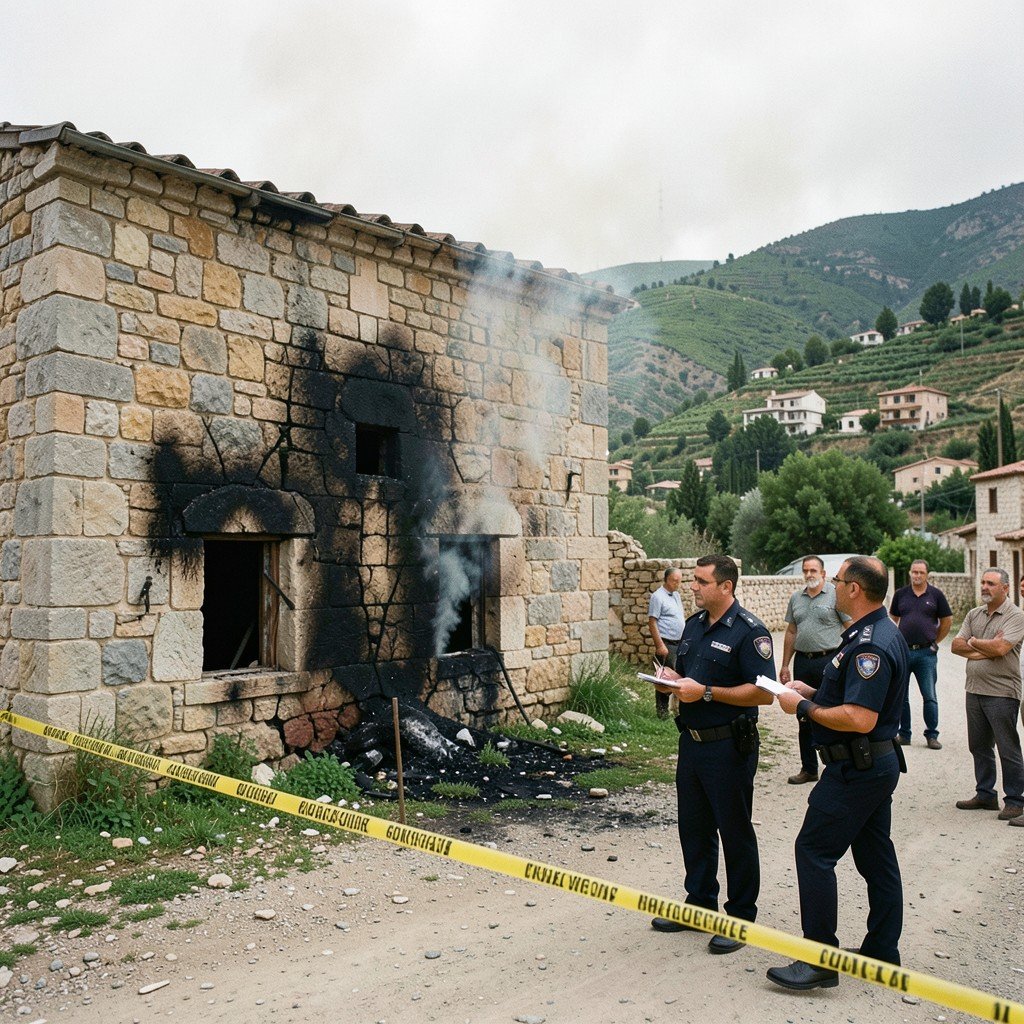
AI-generated representative image: The exterior of an Israeli courthouse, a setting associated with the corruption trial of Benjamin Netanyahu.
Editorial Team
Editorial Team
The pivotal recommendation shifts Israel's most serious bribery case, though the attorney general holds the final decision.

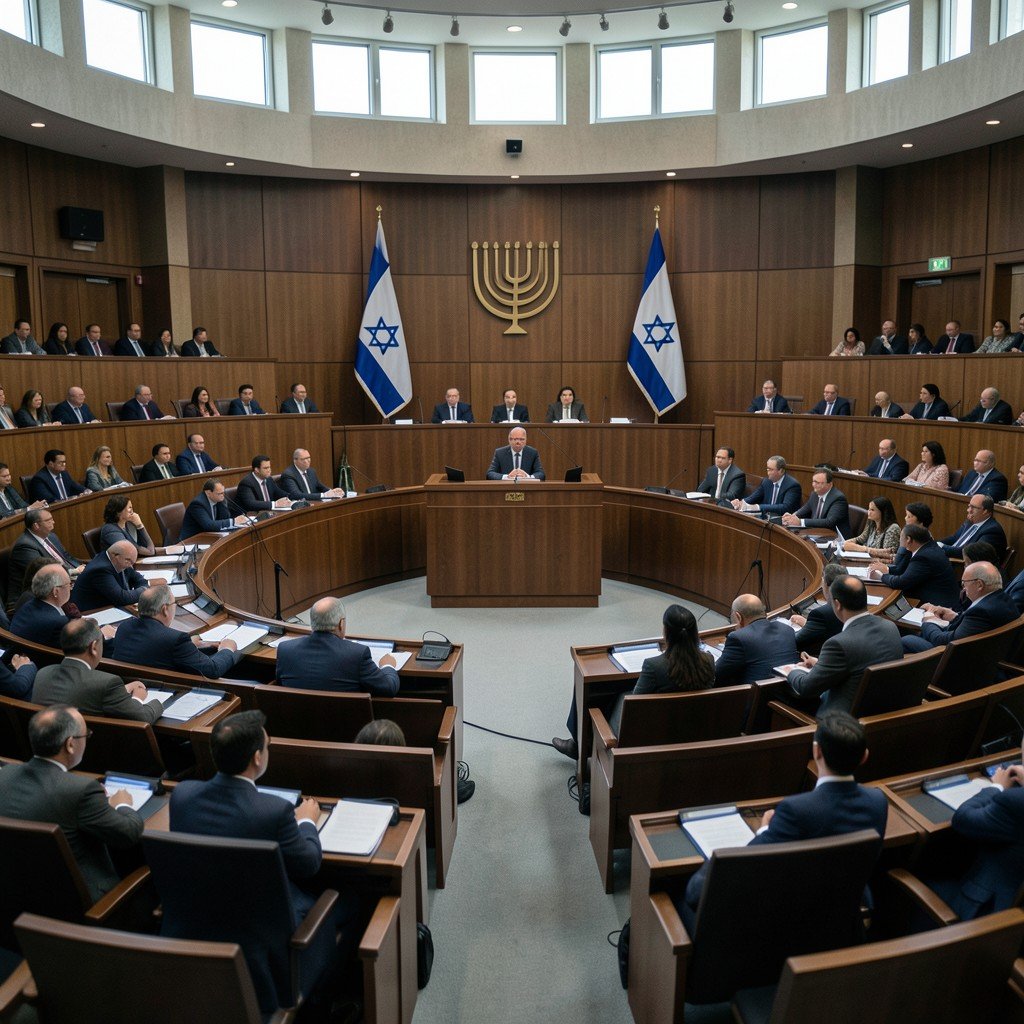
Judges in Benjamin Netanyahu's long-running corruption trial recommended on Wednesday that prosecutors drop the most serious case against him, Case 4000, saying the prospects of securing a conviction were low. The recommendation, which is not binding, was directed at Attorney General Gali Baharav-Miara, who must now decide whether to accept the court's guidance.

Netanyahu, who has served as Israel's caretaker prime minister since October's election, has faced bribery, fraud and breach of trust proceedings since 2020 while simultaneously battling to maintain political power against rival Gadi Eisenkot.

The judges' intervention carries unusual weight because it comes before prosecutors have had the opportunity to present their full arguments. Legal scholars have described the move as unprecedented, and its outcome could reshape both Netanyahu's legal standing and the political calculations of opposition leaders deciding whether to join his coalition.

Court Recommendations Across Three Cases

The judges issued distinct guidance for each of the three cases. On Case 4000, which concerns accusations that Netanyahu granted favours to telecommunications company Bezeq in return for positive coverage for himself and his wife Sara, the court recommended the attorney general drop the case entirely, particularly the bribery allegations.

On Case 2000, which involves an alleged deal with Israeli daily Yedioth Ahronoth to limit a rival publication in exchange for favourable coverage, the judges expressed doubt that the alleged conduct constituted a criminal offence and called for reconsideration. On Case 1000, relating to gifts and payments received in return for political favours, the court suggested prosecutors and the defence seek an agreement to conclude proceedings, though a verdict remained an option.

Background and Political Tensions

Netanyahu has long argued that the trial dogged his political career and prevented him from forming a government during repeated elections between 2019 and 2022. Much of the evidence against him rests on alleged efforts to secure favourable media coverage for himself and his wife.

The attorney general and Netanyahu are longstanding political opponents. Baharav-Miara was among the staunchest critics of his 2023 judicial overhaul and has challenged several government policies, including attempts to dismiss the head of Israel's internal Shin Bet security agency, Ronen Bar. The Netanyahu-led coalition voted unanimously to dismiss her in August 2025, a decision later overturned by the Supreme Court.

Official Responses and Expert Analysis

Responding to the court's suggestions, Baharav-Miara said every statement and proposal raised would be considered. "We are open to examining everything. Including things that were argued in the past," she said. She added that her office had previously been ready to accept a proposal from Netanyahu's lawyers to conclude proceedings through a deal, saying "our extended hand remains."

Barak Medina, a legal scholar at The Hebrew University of Jerusalem, called the judges' intervention "unprecedented in its nature," noting they expressed views before the prosecution could present its arguments. Netanyahu, in a defiant speech, called for the trial to end, saying "the boycotts must end, and now," referring to opposition politicians' refusal to work with him.

What Lies Ahead

The attorney general has indicated openness to considering the court's recommendations but has not yet announced a decision on whether to drop Case 4000. None of Israel's main opposition politicians have commented on the judges' advice. Roi Zur, an Israeli academic at the University of Essex, said the main obstacle to allying with Netanyahu was not the corruption trial but his role in the October 7 events and the war that followed, suggesting a coalition remains unlikely despite the court's recommendation.

MORE LIKE THIS

Comments (0)

Leave a comment

A verified Gmail account is required to post comments.

No comments yet. Be the first to share your thoughts!