


OpenAI $3.2M Settlement Over Hiring Discrimination Against US Workers
news

OpenAI $3.2M Settlement Over Hiring Discrimination Against US Workers

By Editorial TeamAug 6, 2026 · 12:07 PM3 min read
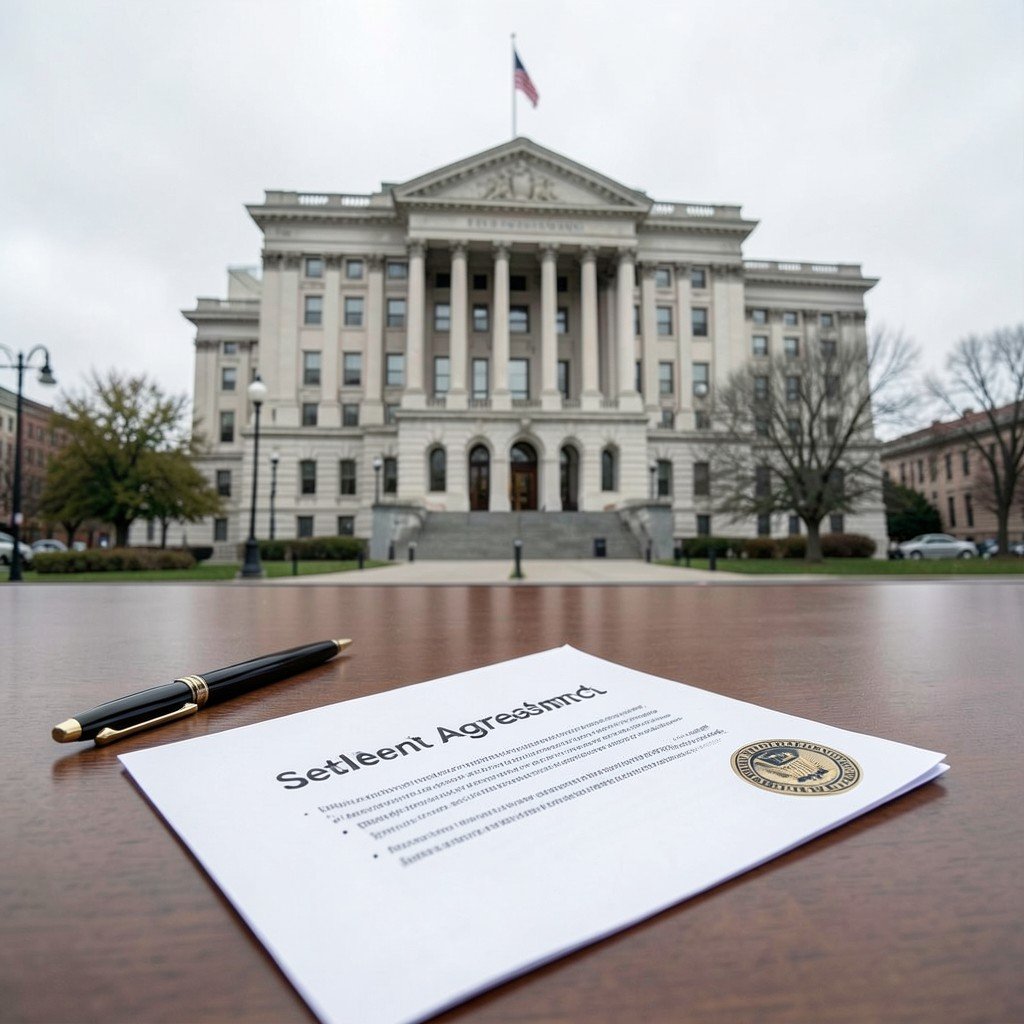
AI-generated representative image. The US Department of Justice building and a settlement document symbolizing the OpenAI hiring discrimination case.
Editorial Team
Editorial Team
Justice Department alleges the AI firm concealed job vacancies from American applicants to favor H-1B visa holders

OpenAI has agreed to pay $3.2 million to settle US government allegations that it systematically discriminated against American job seekers while favoring foreign workers on temporary visas, the Justice Department announced Tuesday.

The settlement resolves claims that the artificial intelligence company and its subsidiary Statsig deliberately made certain vacancies difficult for domestic applicants to discover and apply for, then used the resulting lack of American candidates to justify hiring visa holders instead.

The case highlights growing federal scrutiny of how major technology companies use foreign-worker visa programs. Officials said the settlement's size, despite involving fewer than ten positions, reflects the broader harm caused when American applicants are blocked from accessing high-paying technology sector jobs.

The enforcement action unfolds against the backdrop of President Donald Trump's wider campaign targeting alleged misuse of skilled-worker visa programs by large employers.

Settlement Terms and Alleged Practices

Under the agreement, OpenAI will pay $1.2 million in civil penalties and establish a $2 million compensation fund for individuals allegedly harmed by the recruitment practices. The company must also overhaul its hiring policies, publicly advertise relevant vacancies, accept electronic applications, provide training for recruitment staff, and submit to ongoing monitoring by the Justice Department.

Investigators alleged that OpenAI and Statsig employed several tactics to limit American applicants: failing to post positions on the company's public careers website, requiring paper applications sent by mail rather than electronic submissions, and advertising certain jobs on late-night radio broadcasts. Officials said these measures were designed to depress domestic interest and create a pretext for hiring temporary visa holders.


Broader Immigration Policy Context

The OpenAI case arrives amid sustained White House pressure on foreign-worker visa programs. President Trump has repeatedly argued that large corporations exploit such schemes to replace American employees with cheaper labor from abroad. Last year, his administration imposed a $100,000 surcharge on new H-1B visa applications, framing the fee as a measure to protect US jobs and national security.

However, a federal judge blocked that surcharge in June, ruling that the executive branch could not impose what effectively amounted to a tax without congressional approval. The H-1B program remains a contentious policy battleground: supporters contend it enables American companies to fill specialized positions and maintain global competitiveness in technology and advanced industries, while critics in the Trump administration argue it disadvantages domestic workers.

Opponents of the administration's H-1B restrictions have also warned that limiting skilled foreign workers could harm schools, universities, hospitals, and other public institutions that depend on international talent.

Official Statements and Company Response

Assistant Attorney General Harmeet Dhillon addressed the case directly, stating: "It is illegal to discriminate against US workers by preferring temporary visa holders for jobs." The Justice Department emphasized that the settlement amount was calibrated to reflect not merely the small number of positions involved but the broader principle that American applicants must not be shut out of lucrative technology opportunities.

OpenAI has denied any wrongdoing despite agreeing to the settlement and its associated requirements. The company's subsidiary Statsig, which develops product development software, was also named in the government's allegations. Both entities will now operate under Justice Department oversight as part of the resolution.

What Comes Next

With the settlement now in place, OpenAI must immediately begin implementing the mandated reforms to its recruitment processes. The $2 million compensation fund will be established to provide restitution to affected American applicants. The Justice Department will monitor the company's compliance with the new hiring requirements going forward.

The case may signal further enforcement actions against technology firms as the administration continues its scrutiny of foreign-worker visa practices across the industry.

MORE LIKE THIS

Comments (0)

Leave a comment

A verified Gmail account is required to post comments.

No comments yet. Be the first to share your thoughts!