

Sri Lanka Prison Riots Leave 3 Dead, 23 Injured Across Three Facilities
news

Sri Lanka Prison Riots Leave 3 Dead, 23 Injured Across Three Facilities

By Editorial TeamAug 7, 2026 · 6:33 PM4 min read
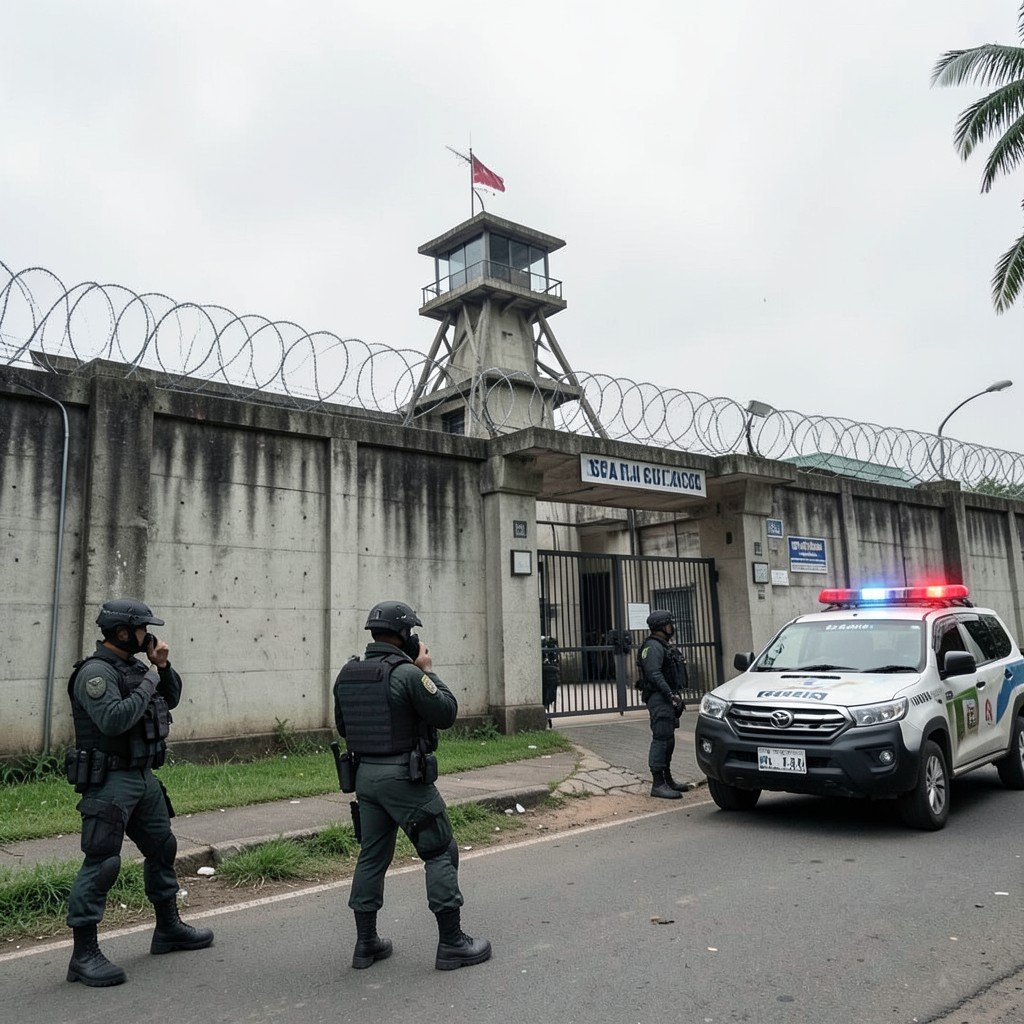
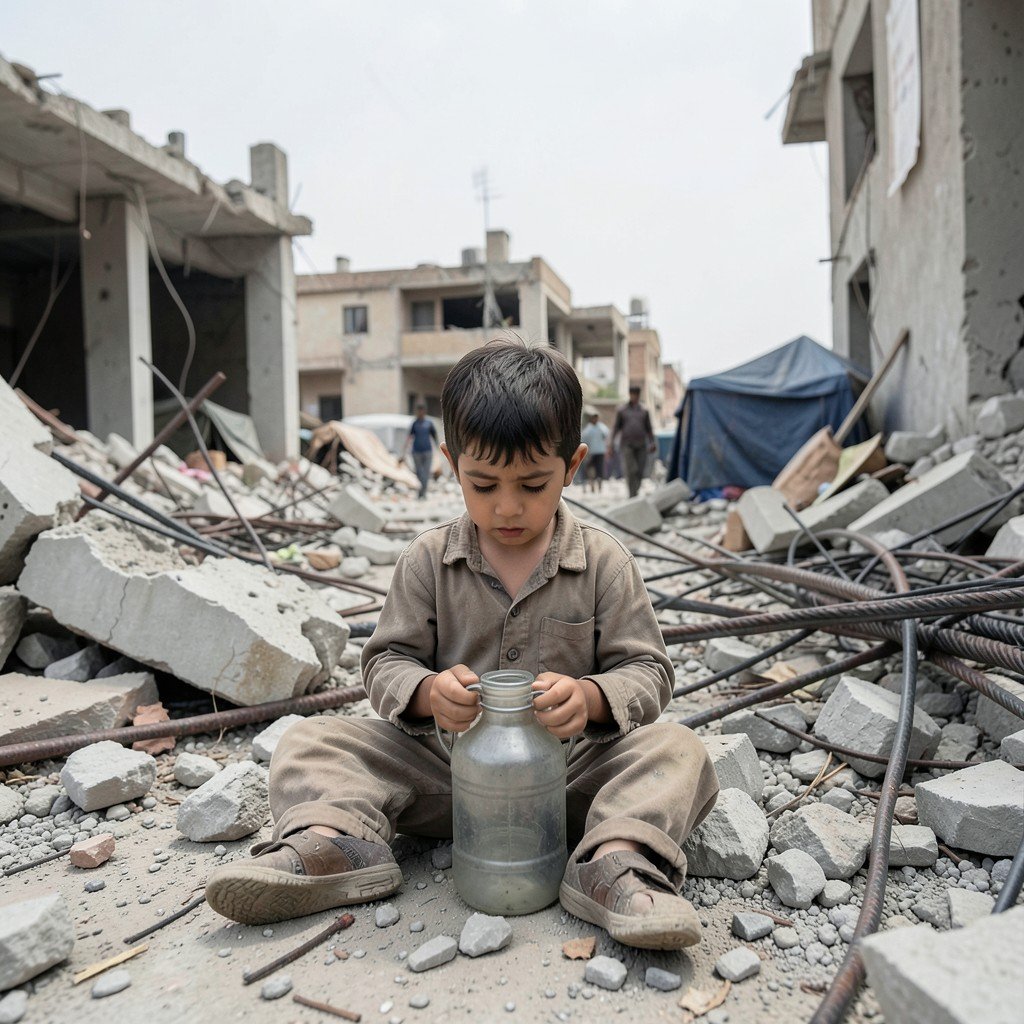
AI-generated representative image: Riot police deployed outside a Sri Lankan prison facility following unrest that left three inmates dead and 23 injured across
Editorial Team
Editorial Team
Coordinated violence hits Colombo, Kuruwita, and Negombo prisons as authorities probe narcotics gang links amid worsening overcrowding crisis.

Three inmates were killed and 23 others injured in separate prison riots across Sri Lanka within a 24-hour period, prompting the deployment of police and special forces to multiple facilities. Public Security Minister Ananda Wijepala confirmed to parliament on Friday that the violence erupted at the New Magazine Prison in Colombo, Kuruwita prison, and an open prison in Negombo, with authorities now investigating whether the disturbances were coordinated.

The riots represent the latest escalation in a worsening crisis inside Sri Lanka's prison system, where severe overcrowding and the presence of rival criminal gangs have created volatile conditions. The incidents come just one month after 30 people died in prison clashes in Negombo and days after another riot in Mahara left one inmate dead, raising urgent questions about safety and management across the country's correctional facilities.

Timeline of the Riots

The first incident occurred late Thursday at the New Magazine Prison in Colombo, where approximately 40 inmates broke out of their cells, resulting in one prisoner being killed. On Friday morning, a second riot at Kuruwita prison, located roughly 80km (50 miles) from the capital, claimed the lives of two more inmates.

Across both locations, 23 prisoners were injured and admitted to hospitals for treatment. Police and special forces units were deployed and successfully brought both situations under control, Wijepala said.

Meanwhile, at an open prison in the coastal town of Negombo, about 40km (25 miles) from Colombo, police fired tear gas to subdue protesting inmates and restore order. Riot police at all three facilities worked to return prisoners who had climbed onto rooftops or moved into open areas back to their wards.
Recent History of Prison Violence

The latest disturbances follow a deadly pattern of unrest in Sri Lanka's prisons. One month ago, 10 prison officials and 20 prisoners were killed during two days of fighting at a facility in Negombo. Last weekend, another riot broke out at a prison in Mahara, approximately 14km (8.6 miles) from Colombo, leaving one inmate dead and several others injured.

Sri Lanka's prison system is operating at nearly four times its intended capacity. Justice Minister Harshana Nanayakkara recently told parliament that more than 39,000 inmates are housed in facilities designed to hold only 10,000. Senaka Perera, president of the Committee for Rights of Prisoners, noted that a large proportion of inmates are suspects awaiting trial on narcotics-related charges, and that recent laws tightening bail conditions have worsened overcrowding. "The number of prisoners in Sri Lanka today is four times the capacity. In fact, they have been patient for so long," Perera said.

Investigation into Possible Coordination

Minister Wijepala told parliament that the violence was connected to narcotics dealers and rival criminal gangs operating inside the prison system. Authorities are now examining whether the riots across multiple locations were orchestrated as part of a coordinated effort.

"When you take all these incidents together, it appears that there is planning behind these and an attempt at sabotage. But we can only say anything further after a comprehensive investigation," Wijepala said. The government has not yet confirmed any direct links between the three facilities or identified specific individuals or groups responsible for instigating the unrest.

Government Response and Next Steps

All three prison riots have been brought under control, and injured inmates are receiving hospital treatment. The government is proceeding with a comprehensive investigation into whether the disturbances were coordinated.

In a parallel effort to address the root causes of prison unrest, Sri Lanka is planning to amend its constitution to extend the tenure of superior court judges by two years. The measure aims to help clear a backlog of more than one million court cases and reduce the number of pretrial detainees contributing to overcrowding. No timeline has been announced for when the constitutional amendment will be introduced.

MORE LIKE THIS

Comments (0)

Leave a comment

A verified Gmail account is required to post comments.

No comments yet. Be the first to share your thoughts!