

Israeli Court Blocks Ben-Gvir Crocodile Prison Guard Plan
news

Israeli Court Blocks Ben-Gvir Crocodile Prison Guard Plan

By Editorial TeamAug 3, 2026 · 6:55 PM3 min read
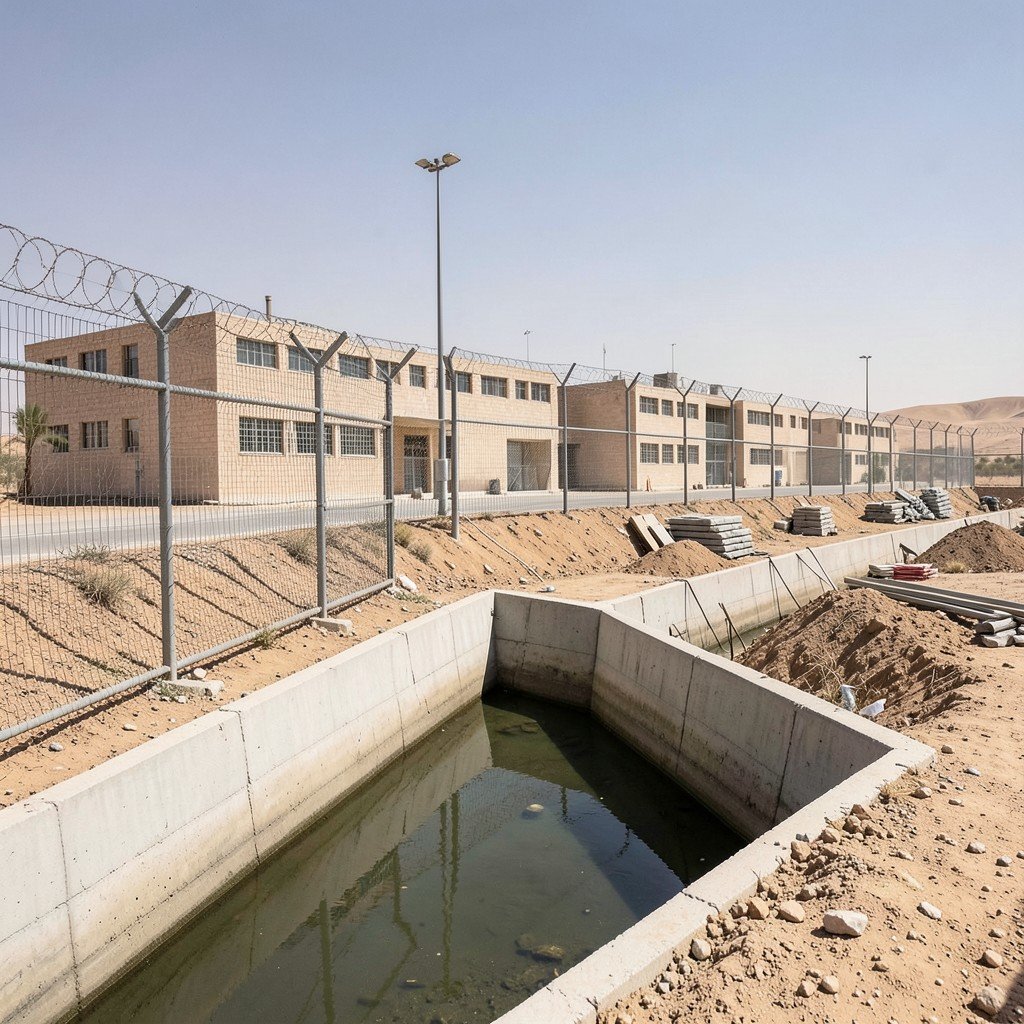
AI-generated representative image: Exterior view of Ketziot Prison in southern Israel, where a court injunction halted a plan to station Nile crocodiles as pris
Editorial Team
Editorial Team
Jerusalem District Court issues temporary injunction halting the controversial proposal to deploy Nile crocodiles at Ketziot Prison

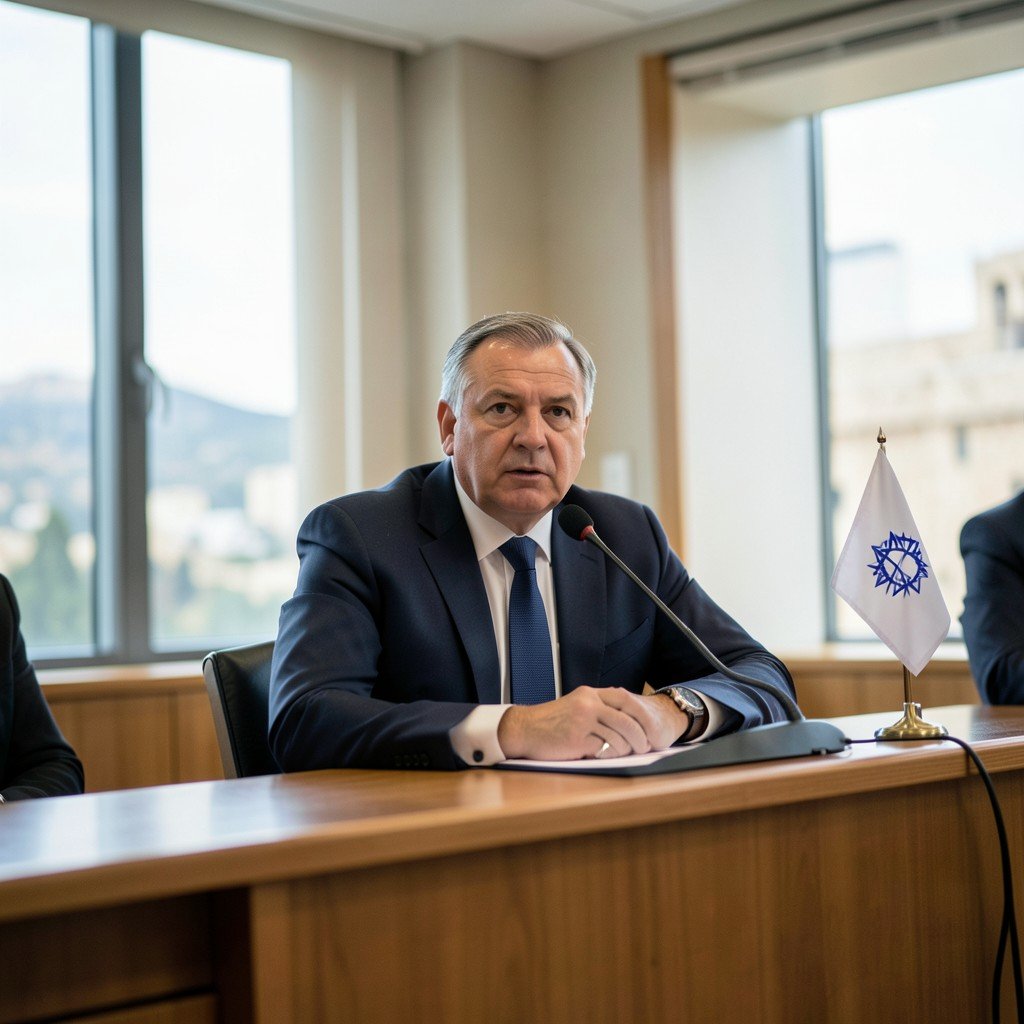
The Jerusalem District Court has issued a temporary injunction blocking National Security Minister Itamar Ben-Gvir's plan to station Nile crocodiles around a high-security prison holding Palestinian detainees. Judge Avraham Rubin ruled on Sunday that the state may not locate crocodiles or prepare them for transfer until further notice, following a petition by the animal-rights organization Let Animals Live.

The ruling halts a controversial security initiative that had already seen preliminary construction begin at Ketziot Prison in southern Israel. The case raises significant questions about the treatment of nearly 10,000 Palestinian prisoners held in Israeli custody, as well as the legal boundaries of using wild animals in prison security operations.

Court Ruling and Political Response

The injunction will remain in effect while the court considers a longer-term order. The government has been directed to respond by August 16. Ben-Gvir sharply criticized the decision, accusing the judiciary of siding with "terrorists" and undermining Israeli deterrence. "We know that the terrorists are worried about the arrival of the crocodiles, but today the court came to their aid," he said.

The crocodile proposal was first introduced by Ben-Gvir in December. The Israel Nature and Parks Authority initially rejected the idea, citing regulations that classified Nile crocodiles as wild animals permitted only in zoos and sanctuaries. That regulatory barrier was removed last month when Environmental Protection Minister Idit Silman reclassified the species as "tended wild animals," opening the door for their potential use at prisons.

Palestinian Detainees in Israeli Custody

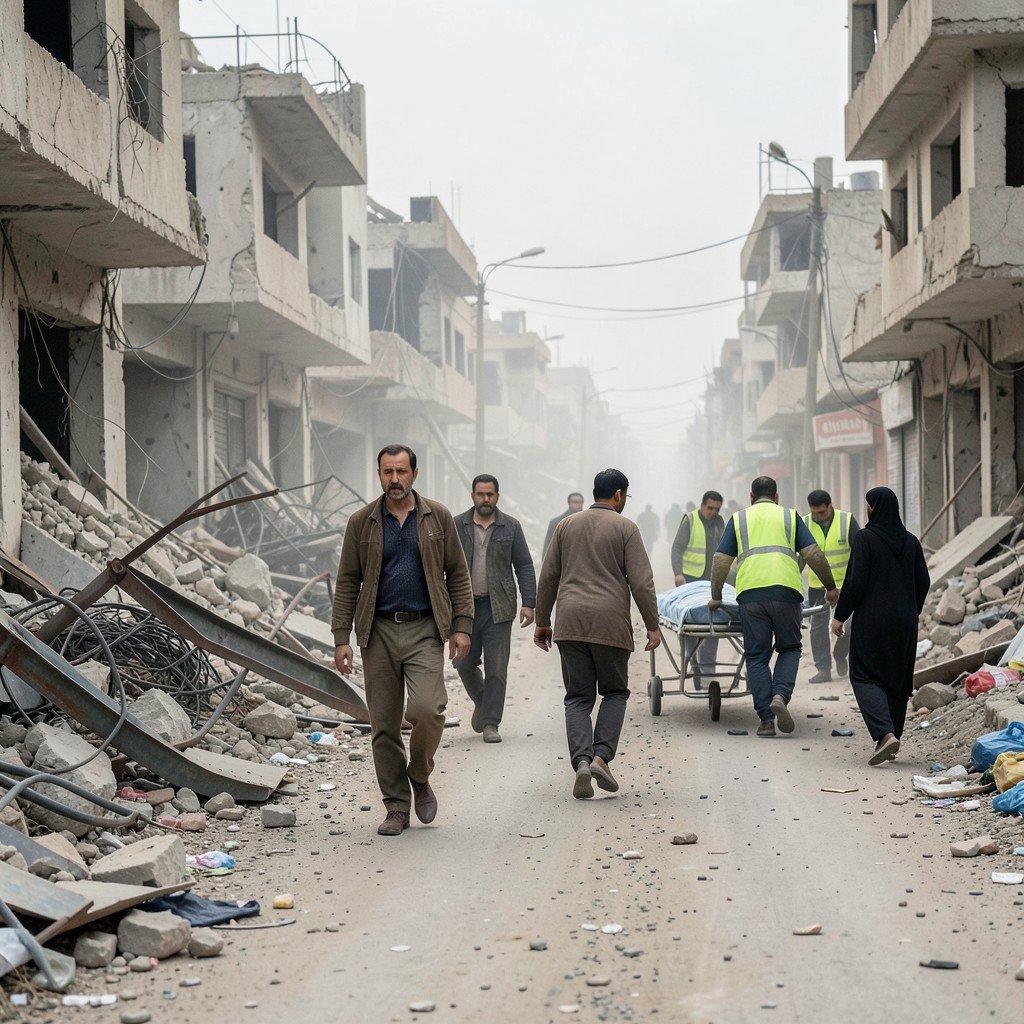
Nearly 10,000 Palestinian political prisoners are currently held in Israeli prisons, according to the rights group Addameer, a figure that has nearly doubled since the Gaza war began in October 2023. More than one-third are administrative detainees held without criminal charge or trial under indefinitely renewable six-month orders, often based on secret evidence withheld from both detainees and their legal representatives.

UNICEF has identified Israel as the only country where children are systematically tried in military courts. At least 400 Palestinian children remain imprisoned, most in pretrial detention without having been convicted of any offense. Defense for Children International - Palestine reports that between 500 and 700 children are prosecuted annually, some as young as 12, most commonly for alleged stone-throwing.

At least 84 Palestinian detainees have died in Israeli custody since the war began, according to Israeli human rights group B'Tselem, which has documented systematic abuse including physical and psychological violence, deliberate starvation, denial of medical care, and inhumane conditions.

Project Details and Funding

The crocodile pilot project was slated for Ketziot Prison in southern Israel, a facility that holds Palestinian security prisoners, including alleged members of Hamas's elite Nukhba force. Israeli media reports indicate that work had already commenced on an approximately 170-meter water channel around one high-security wing of the prison.

According to the petition filed by Let Animals Live, approximately 21 million shekels (roughly $6.2 million) had been allocated to fund the pilot program. The animal-rights group argued against the deployment of crocodiles in a prison setting, leading to the court's intervention.

What Happens Next

The temporary injunction prevents any movement or preparation of crocodiles for the prison project until the court reaches a decision on a longer-term order. The Israeli government is required to submit its formal response by August 16, after which the Jerusalem District Court will determine whether to make the injunction permanent or allow the project to proceed.

MORE LIKE THIS

Comments (0)

Leave a comment

A verified Gmail account is required to post comments.

No comments yet. Be the first to share your thoughts!