

Yemen War Escalates as Houthis Strike Saudi Ships in Red Sea
news

Yemen War Escalates as Houthis Strike Saudi Ships in Red Sea

By Editorial TeamJul 27, 2026 · 6:22 PM4 min read
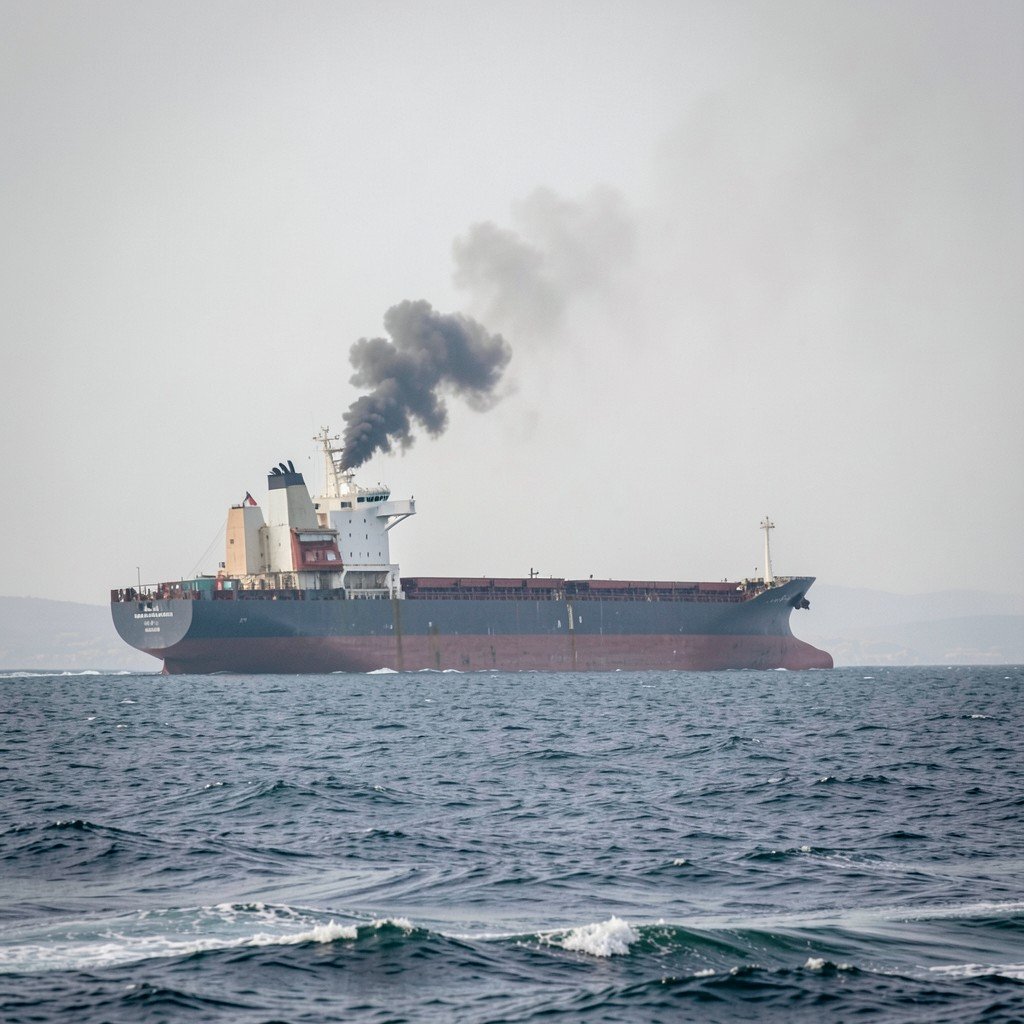
AI-generated representative image: A commercial vessel in the Red Sea amid rising maritime security threats following reported Houthi attacks on Saudi ships.
Editorial Team
Editorial Team
A reshaped anti-Houthi coalition, tribal opposition and shifting regional alliances could make renewed conflict far more challenging for the rebels.

Yemen is sliding toward a full resumption of war after four years of relative calm, with Houthi forces claiming missile and drone attacks on two Saudi ships in the Red Sea on Wednesday while simultaneously clashing with government-affiliated troops in the southwestern governorate of Dhale in fighting that left more than 30 casualties on both sides.

The twin escalations mark a shift from rhetoric and mobilisation to direct military action, raising fears that the country's fragile quasi-peace - in place since an April 2022 truce - is collapsing.

The renewed hostilities come amid a significantly altered strategic environment. Once hobbled by internal divisions and competing regional agendas, anti-Houthi forces have grown more coordinated under the internationally recognised government, while a new tribal alliance in northern Yemen and shifting regional dynamics could deny the rebels the advantages they enjoyed in earlier phases of the war.

Recent Escalations

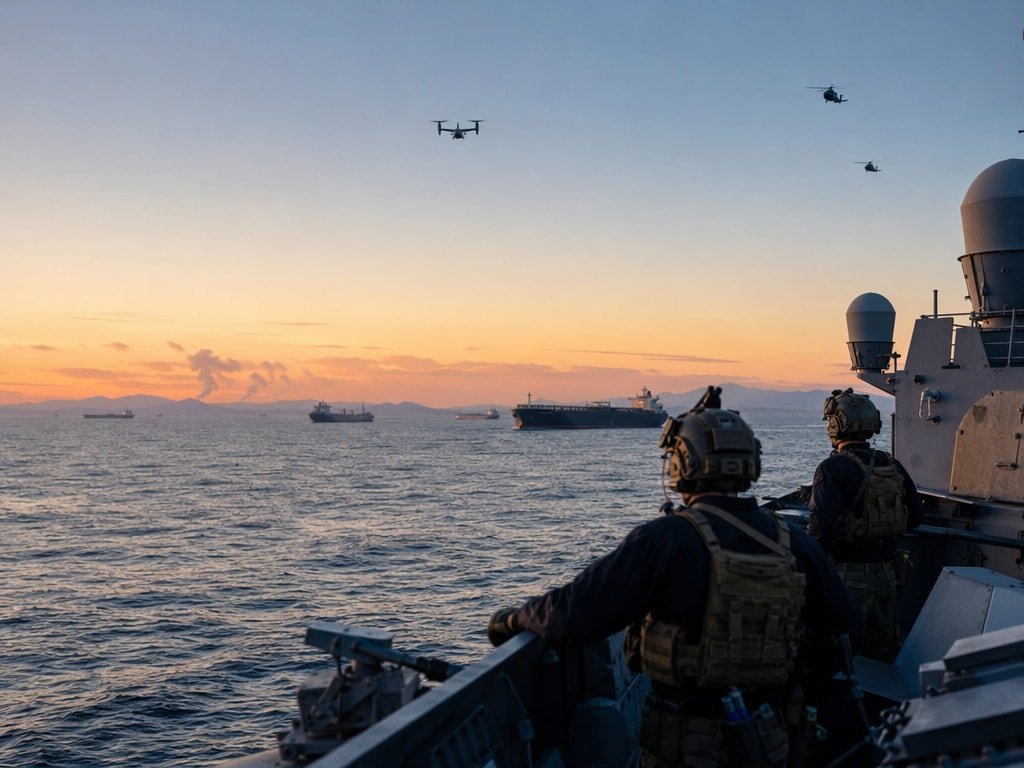
The Houthis said the Red Sea strikes targeted vessels that defied their blockade on Saudi ports. The attacks drew an immediate warning from US President Donald Trump, who posted on Truth Social that there would be "major military punishment" for both Iran and the Houthis if such actions are repeated, adding that Washington would hold Tehran responsible since the Houthis are "a Surrogate and/or Proxy of Iran."

On the ground, the Dhale clashes represent the most significant front-line confrontation in months. The Houthis have also been mobilising forces across areas under their control, signalling preparations for a broader military campaign aimed at achieving domination over opponents loyal to the Yemeni government.
How the Strategic Landscape Has Shifted

The Houthis captured the capital Sanaa in September 2014 and pushed deeper into Yemen amid weak resistance and political fragmentation. A Saudi-led Arab coalition intervened in March 2015, but years of war failed to reverse Houthi territorial gains. Infighting within the government camp and conflicting agendas between coalition members - particularly Saudi Arabia and the United Arab Emirates - allowed the rebels to maintain the upper hand.

That dynamic has changed. Late last year, the Yemeni government ordered the UAE's expulsion from the country, while Saudi Arabia provided military support to subdue the UAE-backed Southern Transitional Council. Ahmed Nagi, senior Yemen analyst at the International Crisis Group, said the Presidential Leadership Council is now "less divided" and decision-making "appears more coordinated." Saudi Arabia has also become the main regional actor working closely with various anti-Houthi factions. Marwan Ali Noman of the Washington Center for Yemeni Studies noted that the emergence of an anti-Houthi tribal alliance in al-Jawf province, east of Sanaa, represents a significant concern for the rebels.

Tribal Opposition and Military Realities

The al-Jawf tribal alliance crystallised after Hamad al-Hazmi, a tribal leader from the province, was detained for 50 days in Sanaa. Upon his release in late June, he publicly described the injustice he endured, prompting thousands of tribesmen from multiple provinces to gather in al-Jawf this month and condemn Houthi authorities. Fuad Mussed, a Yemeni political and military analyst, described the development as unprecedented: "For the first time, the tribes are rising in this form of unity despite the fragmentation and attrition they have suffered over the past years of war."

Yazeed al-Jeddawy, research manager at the Sanaa Center for Strategic Studies, cautioned that the Houthis retain formidable advantages, including more than 200,000 fighters in affiliated army units, unified command and control, fortified positions, extensive combat experience and significant missile and drone capabilities. He said anti-Houthi forces are "in a stronger position than they were at the start of the 2022 truce, but translating that improvement into a strategic shift remains far from guaranteed."

What Lies Ahead

The Houthis are betting that Saudi Arabia and other regional states will seek a quick negotiated settlement rather than endure sustained attacks on their territory. Al-Jeddawy warned that if the maritime strikes become a sustained campaign, the international response could accelerate new regional alliances to protect Red Sea traffic, with advanced discussions already underway among several states backed by international partners. Such a coalition could also channel greater support to local ground forces that have spent the post-2022 calm rebuilding and rearming.

MORE LIKE THIS

Comments (0)

Leave a comment

A verified Gmail account is required to post comments.

No comments yet. Be the first to share your thoughts!