

US-Iran Conflict Pauses for Second Day as Oman Mediates Talks
news

US-Iran Conflict Pauses for Second Day as Oman Mediates Talks

By Editorial TeamJul 27, 2026 · 5:38 AM4 min read
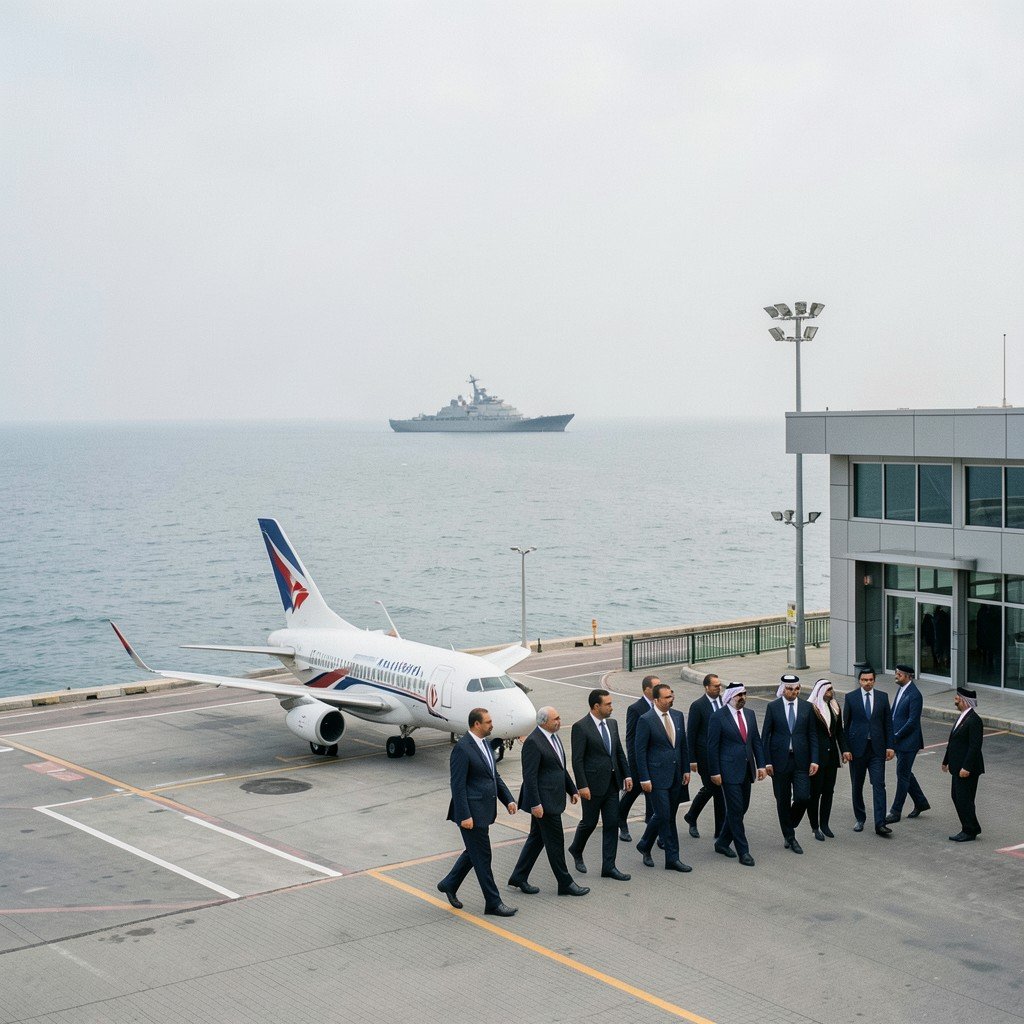
AI-generated representative image. A US naval vessel maintains position in the Strait of Hormuz as Omani mediators arrive in Tehran for diplomatic talks amid a
Editorial Team
Editorial Team
Omani delegation arrives in Tehran amid cautious diplomatic push as both sides signal openness to negotiations despite Strait of Hormuz tensions.

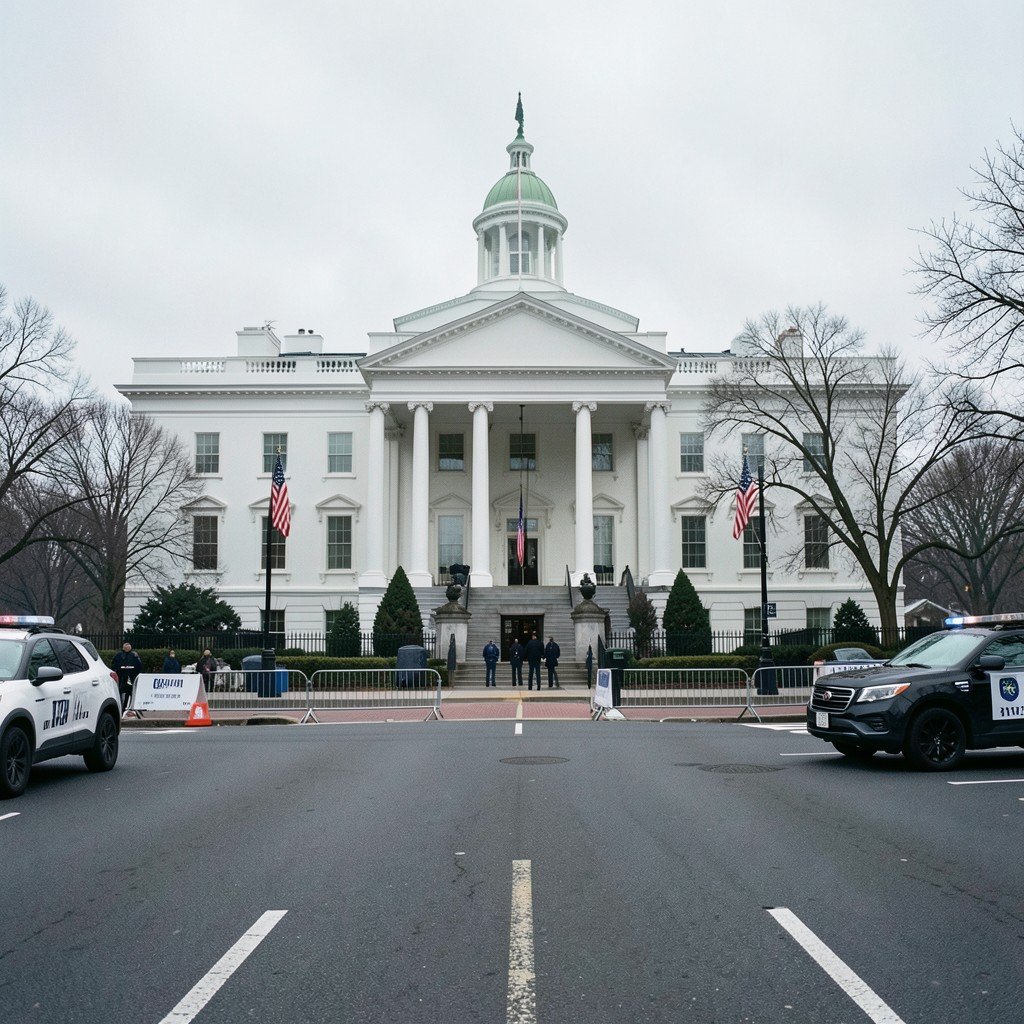
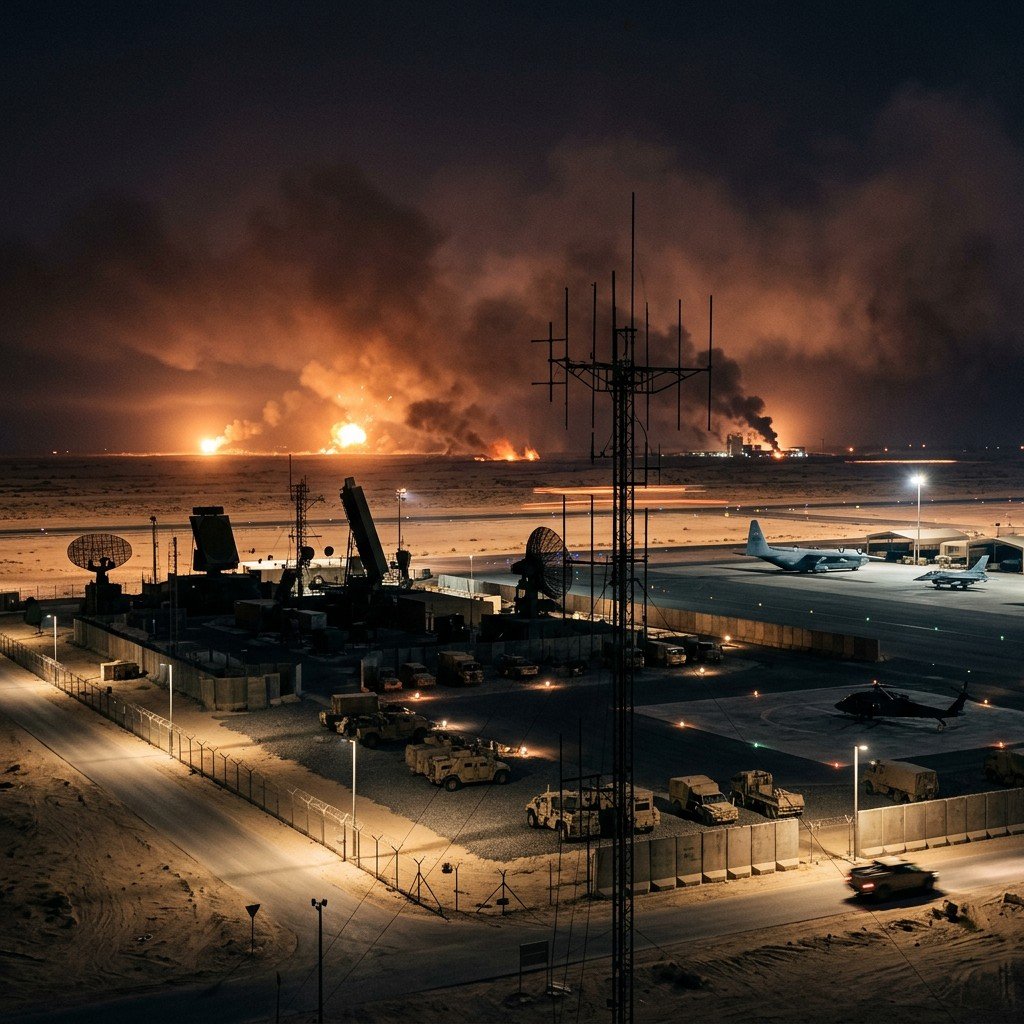
The United States and Iran have refrained from launching strikes against each other for a second consecutive day, marking an unexpected pause in a conflict that had seen two weeks of nightly US bombardments on Iran and Iranian retaliatory attacks on American allies in the Gulf.

The lull, confirmed on Sunday, coincides with the arrival of an Omani delegation in Tehran and renewed diplomatic efforts involving mediators from Qatar and Pakistan, raising cautious hopes for a negotiated path forward.

The sudden halt in hostilities carries significant implications for global energy markets and regional stability, as the Strait of Hormuz remains a contested chokepoint for oil and natural gas exports. With President Donald Trump facing mounting domestic pressure - only 29 percent of Americans approve of his handling of the war, according to a recent Ipsos-Washington Post poll - both Washington and Tehran appear to be testing whether diplomacy can replace escalation.

Diplomatic Signals and Military Posture

US Ambassador to the United Nations Mike Waltz told Fox News on Sunday that President Trump was "giving [the potential for] talks a little bit of room." While maintaining that the US remains "locked and loaded," Waltz confirmed negotiators have been engaged at every level over recent weeks, with activity intensifying in the past few days.

CBS News, citing two regional sources, reported that the US decision to pause bombing was directly linked to the Omani delegation's arrival in Tehran. Iranian Foreign Ministry spokesperson Esmaeil Baghaei confirmed to Austrian broadcaster ORF that mediators - including Qatar and Pakistan - are actively exchanging messages between the two countries.

Iranian army spokesman Mohammad Akraminia confirmed Iran had also halted its retaliatory operations in the Gulf, stating: "Our strategy has essentially been retaliatory. We have also halted our retaliatory operations." He cautioned, however, that the conflict would widen if US attacks resume.
Background of the Conflict

The US and Israel began their military campaign against Iran in late February. Since then, Iranian officials have repeatedly pointed to what they describe as a pattern of being attacked during previous negotiation periods. Baghaei underscored this mistrust on Sunday, stating that Iran's past diplomatic efforts had been "betrayed."

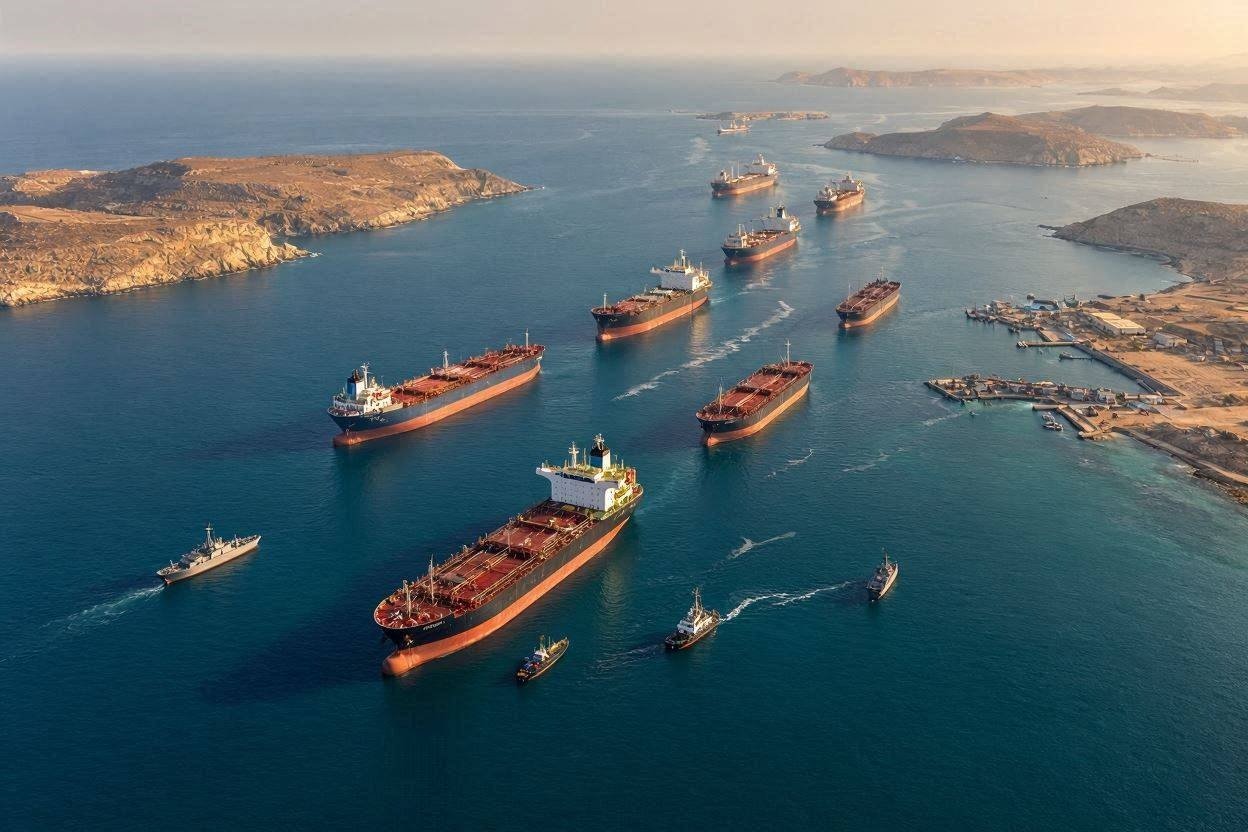
Control over the Strait of Hormuz lies at the heart of the current hostilities. Iran asserts authority over passage through the waterway under a memorandum of understanding signed with Washington in June, which established a 60-day window to negotiate final terms. The United States disputes Iran's claim and has attempted to establish a secondary transit route for vessels.

Behind the Pause and Ongoing Incidents

The New York Times reported that Trump paused escalation plans partly due to concerns over depleting the Pentagon's stockpile of missile interceptors and air defense munitions in the Middle East. Meanwhile, Trump posted AI-generated images on social media Sunday, including one depicting US fighters bombing Iran captioned "Guardian Angels of the World" and another showing him planting a US flag on an Iranian vessel with the caption "It's our oil tanker now!"

Despite the broader pause, activity continued in the Strait of Hormuz. US Central Command stated its naval blockade "remains in full effect," reporting that as of Saturday it had redirected 12 commercial vessels, disabled two non-compliant ships, and boarded two others. Iranian media reported the Islamic Revolutionary Guard Corps stopped six vessels with warning shots over 24 hours. Tasnim news agency also reported an oil tanker exploded after striking a mine after deviating from the Iranian-approved route.

What Lies Ahead

Baghaei described the talks with the Omani delegation on managing Strait of Hormuz traffic as "useful, and progress was made," with "technical and political consultations" ongoing. Israeli Prime Minister Benjamin Netanyahu is scheduled to meet with Trump on Tuesday, and warned on Fox News that any resumption of attacks on Israel by Iran or its allies would be a "terrible mistake" met with a "very, very forceful response."

The path forward remains uncertain. Both sides have paused military operations while keeping their rhetoric firm, and the coming days will reveal whether the diplomatic opening can overcome the deep mistrust that has defined the conflict since February.

MORE LIKE THIS

Comments (0)

Leave a comment

A verified Gmail account is required to post comments.

No comments yet. Be the first to share your thoughts!