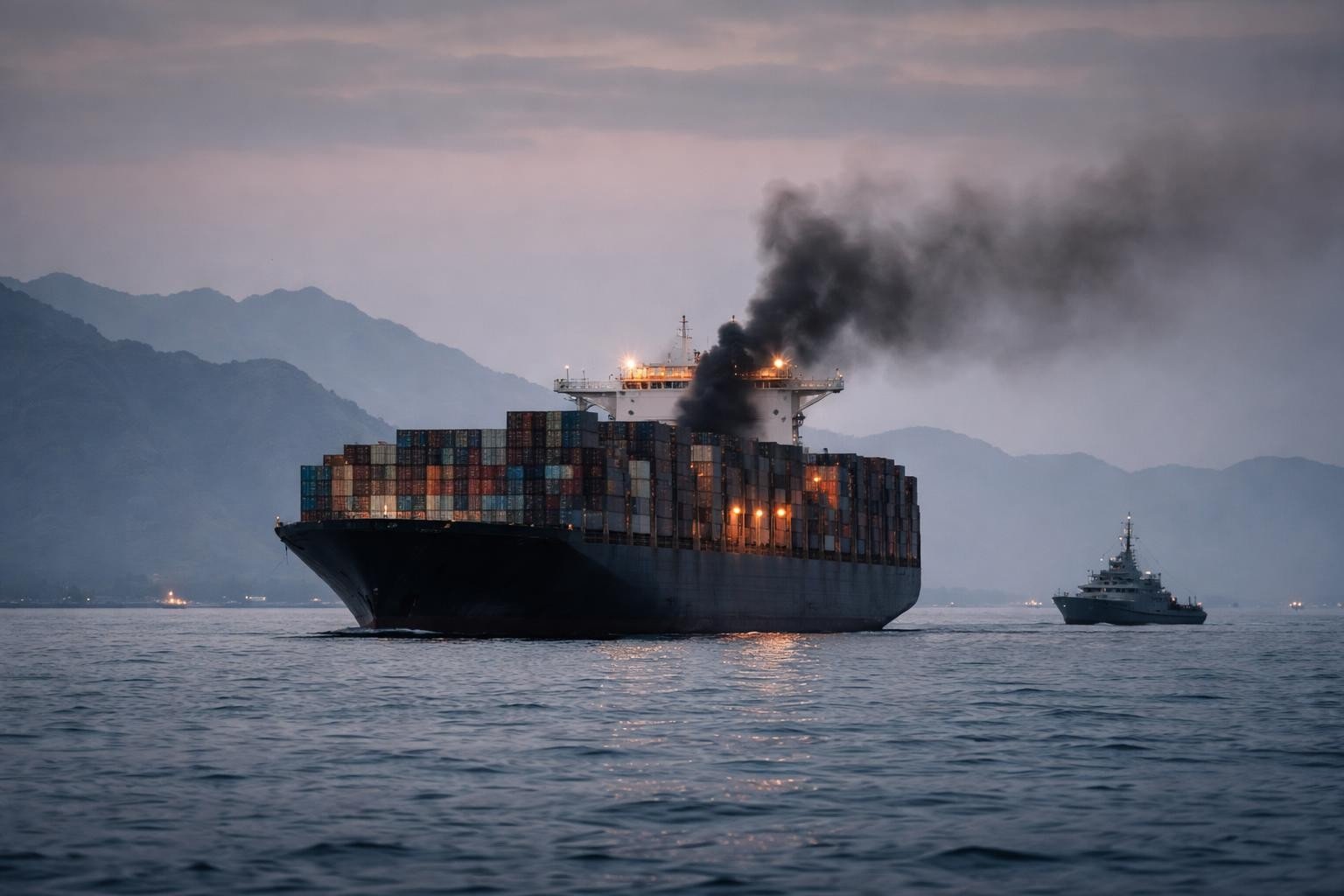
US strikes on Iran enter ninth night as Hormuz tensions rise
news

US strikes on Iran enter ninth night as Hormuz tensions rise

By Editorial TeamJul 20, 2026 · 7:30 AM5 min read
US strikes on Iran enter ninth night as Hormuz tensions rise
Editorial Team
Editorial Team
CENTCOM targets IRGC-linked sites as Strait of Hormuz risks grow

The United States carried out a ninth consecutive night of air strikes against Iran on Monday, with Iranian media reporting explosions in multiple cities including Sirik, Jask, Tabriz and Chabahar. The strikes came as a month-old ceasefire agreement showed signs of breaking down amid an escalating confrontation over control and security in the Strait of Hormuz.

The US military said the latest attacks were intended to weaken Iranian capabilities it says have been used to threaten commercial shipping and mariners transiting the strategic waterway.

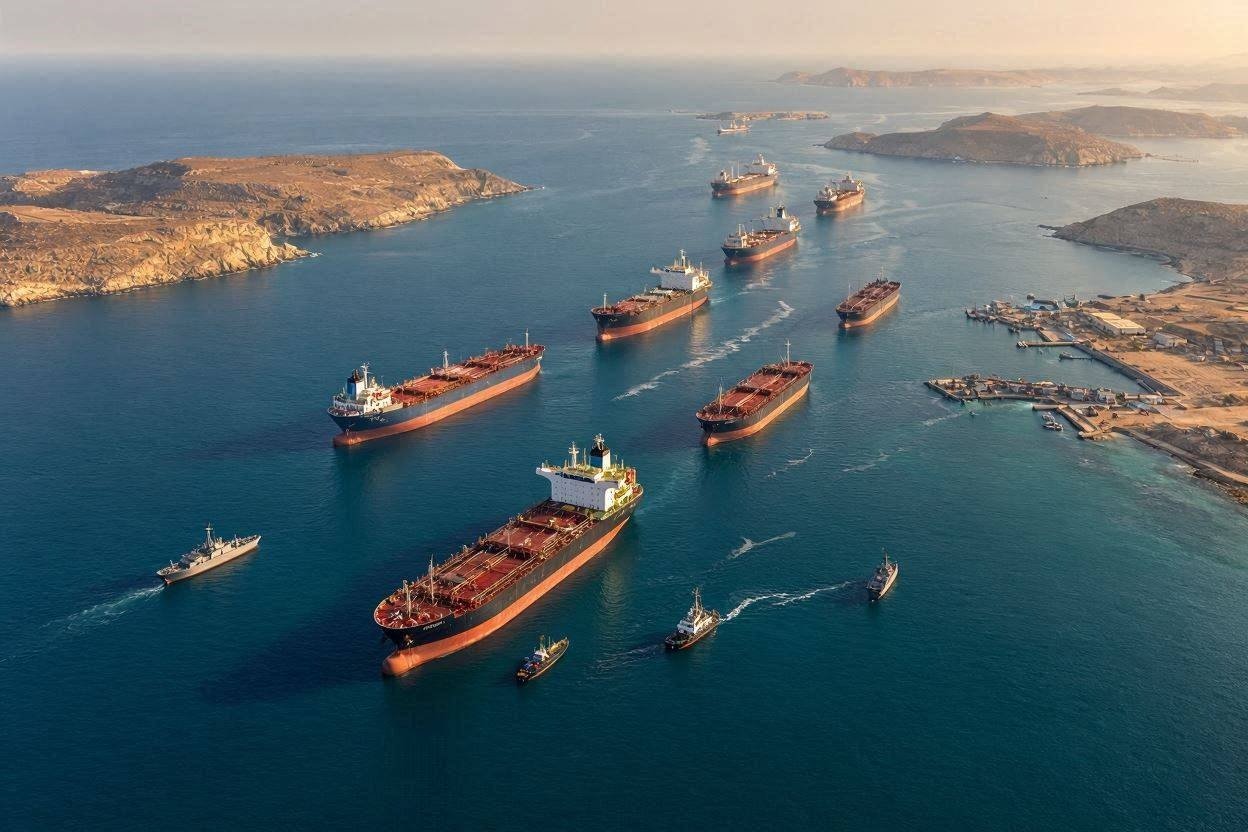
The Strait of Hormuz is one of the world’s most critical maritime chokepoints for energy shipments, and fighting around it has already disrupted shipping and intensified fears of wider economic fallout. The latest round of strikes and counterstrikes adds to regional instability, with Iran, the United States and nearby states drawn into fast-moving military and maritime escalations.

Key Military and Maritime Developments

  • The US military said it struck Iranian military command centres, air defence and coastal surveillance sites, maritime assets, missile and drone launch sites, and communications networks, describing the goal as “degrading Iranian military capabilities” linked to attacks on shipping in the Strait of Hormuz.
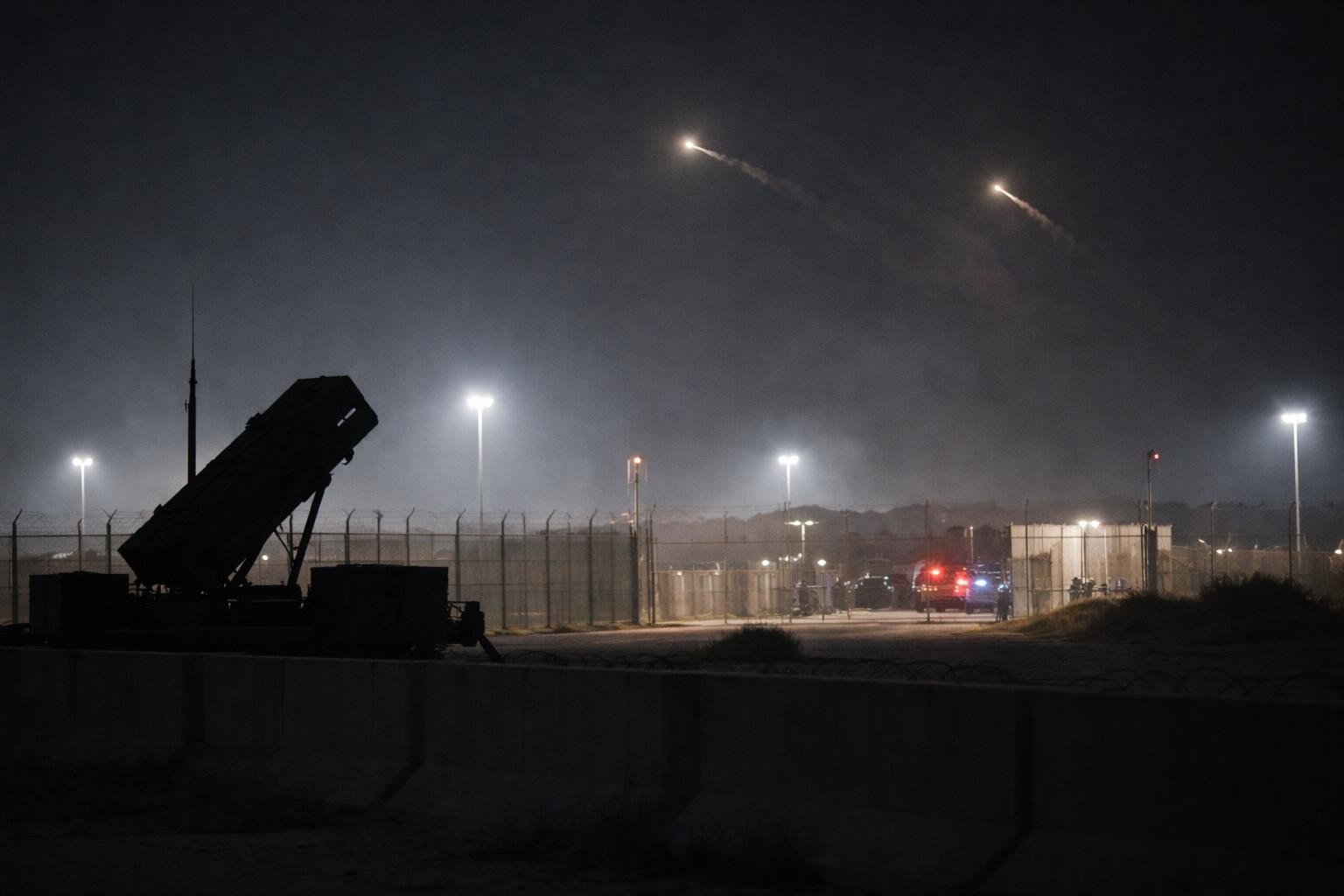
  • Iranian state broadcaster IRIB reported explosions across a wide geographic area, including Bandar Mahshahr and Bandar Imam Khomeini on the Gulf, as well as Jask and Sirik near the Strait of Hormuz.
  • Fars news agency reported air defences were activated amid explosions in Konarak and Chabahar, while additional blasts were reported near Khvormuj in Bushehr province and in the northwestern city of Tabriz.
  • Iran’s Islamic Revolutionary Guard Corps (IRGC) said it carried out missile and drone strikes on targets in Jordan and Kuwait, and sirens also sounded in Bahrain.

Background to the Escalation

The latest strikes followed more than a week of repeated attacks along Iran’s southern coastline, an area that has been hit multiple times since the current escalation began. Al Jazeera correspondent Tohid Asadi, reporting from Tehran, said earlier strikes in the south damaged infrastructure including bridges, railway lines and an airport, and that Jask and Sirik have been frequent targets.

Asadi said the explosions in Tabriz marked the first time the northwestern city had come under attack since the escalation began, underscoring the widening geographic scope of the conflict inside Iran.

The broader conflict began on February 28, when the United States and Israel attacked Iran. Since then, thousands of people have been killed, mostly in Iran and Lebanon, while the crisis has contributed to disruptions in energy supplies and concerns about global inflation.

Past U.S. Iran confrontations linked to Gulf shipping have repeatedly centered on the Strait of Hormuz. During the 1980s “Tanker War,” the United States escorted reflagged Kuwaiti tankers under Operation Earnest Will, then carried out Operation Praying Mantis in April 1988 after the USS Samuel B. Roberts struck an Iranian mine. Tensions that summer were compounded by the downing of Iran Air Flight 655 by the USS Vincennes.

Statements and Claims from Both Sides

In Washington, US President Donald Trump said the Pentagon was hitting Iran “very hard” following the deaths of three US service members in Jordan and Iraq in recent days. “We hit them very hard again tonight, and we did that in honour of the, probably three, it’s probably three great patriots,” Trump said after returning to the US capital following the World Cup final, adding that “Iran cannot have a nuclear weapon”.

US Secretary of State Marco Rubio, speaking in the Philippines, said Washington remained open to diplomacy but that “it has to be real”. He also called on “other countries” to help protect shipping in the Strait of Hormuz by providing “hardware or finances”.

The IRGC said it struck US aircraft at Jordan’s Aqaba airport and claimed to have destroyed hangars at the Muwaffaq Salti airbase in Azraq, while also claiming it hit US military facilities at Ali Al Salem airbase in Kuwait.

U.S. Central Command has said the latest wave is part of nine consecutive nights of operations aimed at Iranian capabilities tied to threats against maritime traffic, including coastal surveillance and maritime launch sites. CENTCOM has also issued a public warning urging civilians to avoid certain ports, alleging Iranian forces are using civilian port infrastructure for military activity. Separately, the U.S. Maritime Administration has circulated an advisory flagging elevated risks to commercial vessels transiting the Persian Gulf, Strait of Hormuz, and Gulf of Oman.


Current Situation and What to Watch

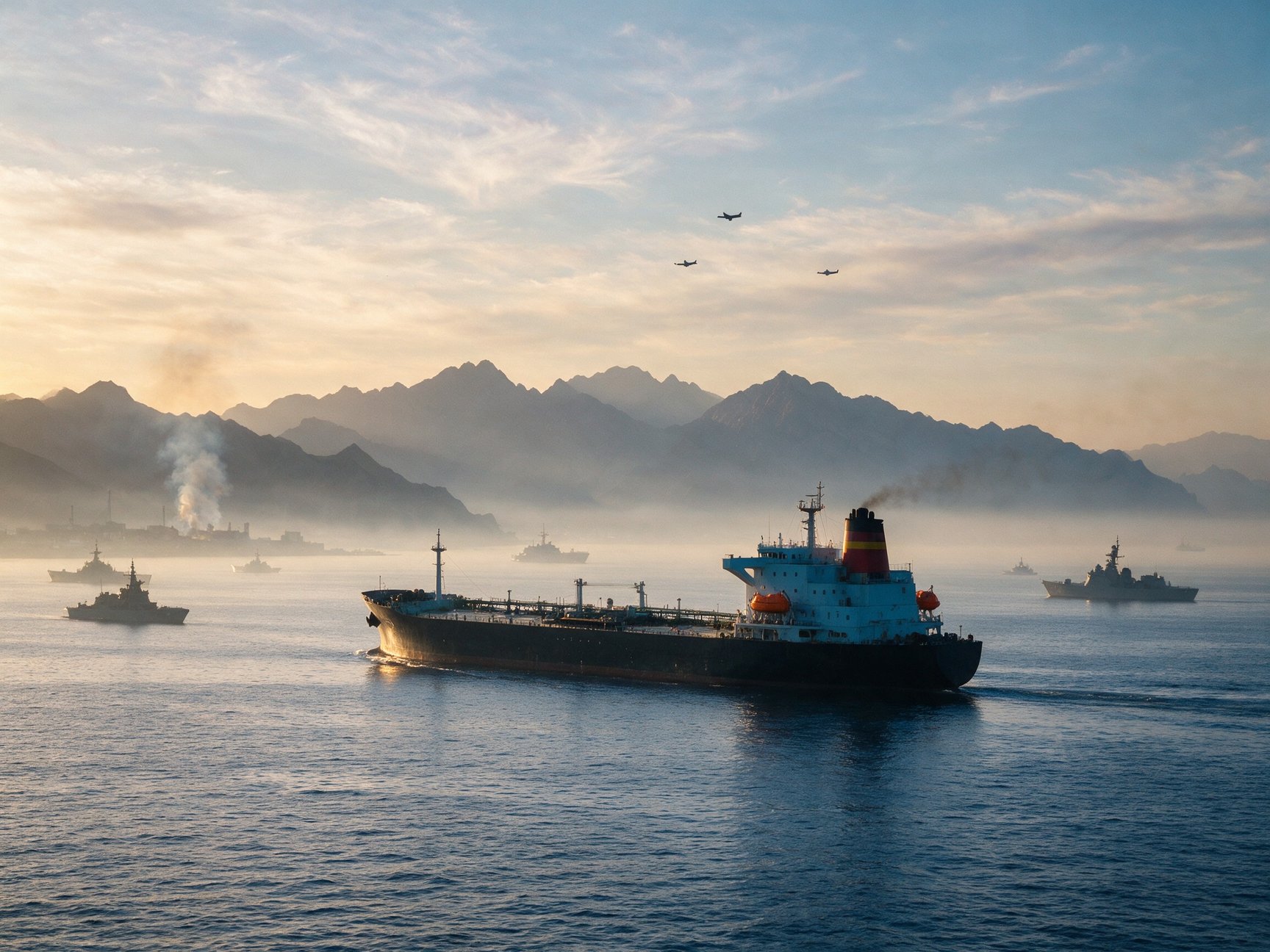
Maritime tensions continued alongside the air campaign, with Washington saying it is enforcing a naval blockade on Iranian ports and Tehran saying it is targeting vessels it says violate its navigation rules in the Strait of Hormuz. The IRGC said two oil tankers attempting to transit the waterway the previous night “exploded” while using what it called an “unsafe” corridor under US coercion, warning the passage would remain unsafe while US operations continue.

US Central Command said on Sunday it redirected six commercial vessels and disabled another ship to ensure “full compliance” with its blockade. Further details on damage, casualties, and the status of shipping disruptions were not provided in the available statements.

MORE LIKE THIS

Comments (0)

Leave a comment

A verified Gmail account is required to post comments.

No comments yet. Be the first to share your thoughts!