IEA warns Strait of Hormuz disruption risks energy security
news

IEA warns Strait of Hormuz disruption risks energy security

By Editorial TeamJul 17, 2026 · 5:20 AM4 min read
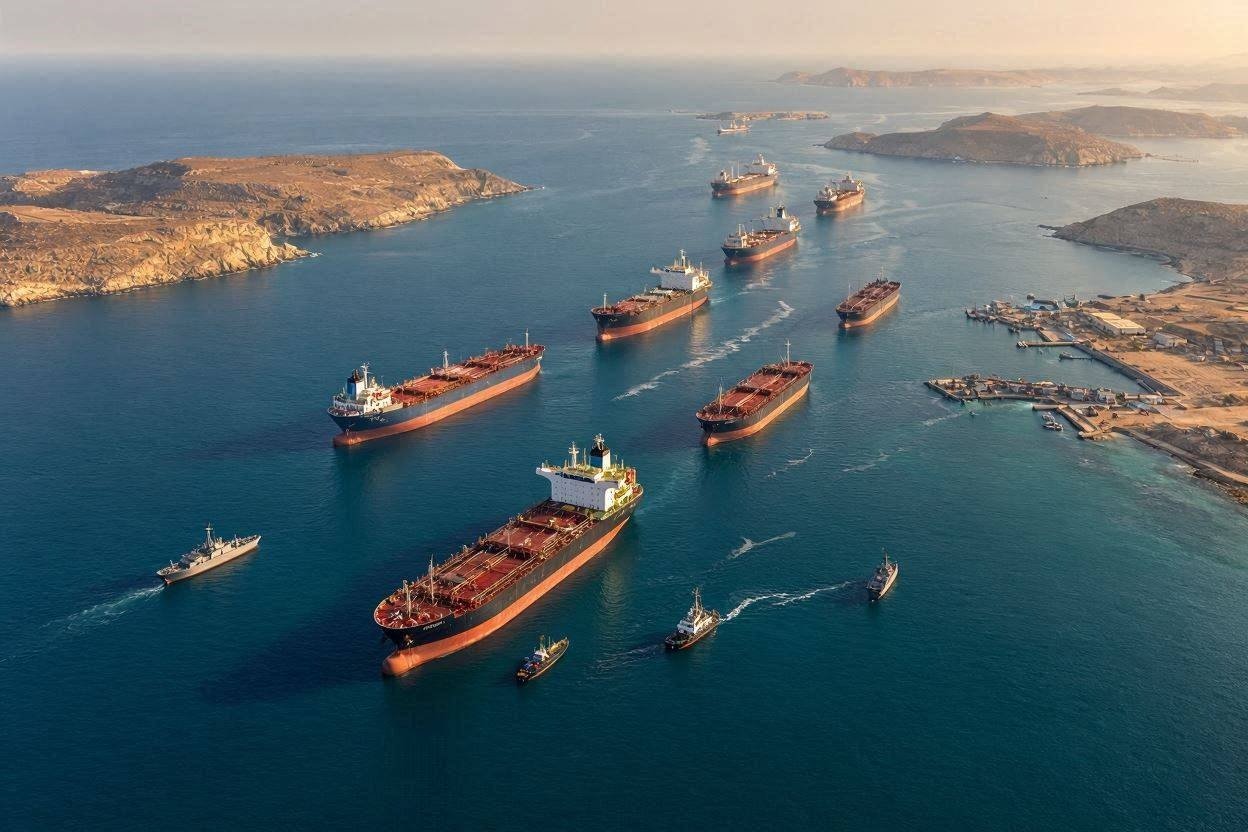
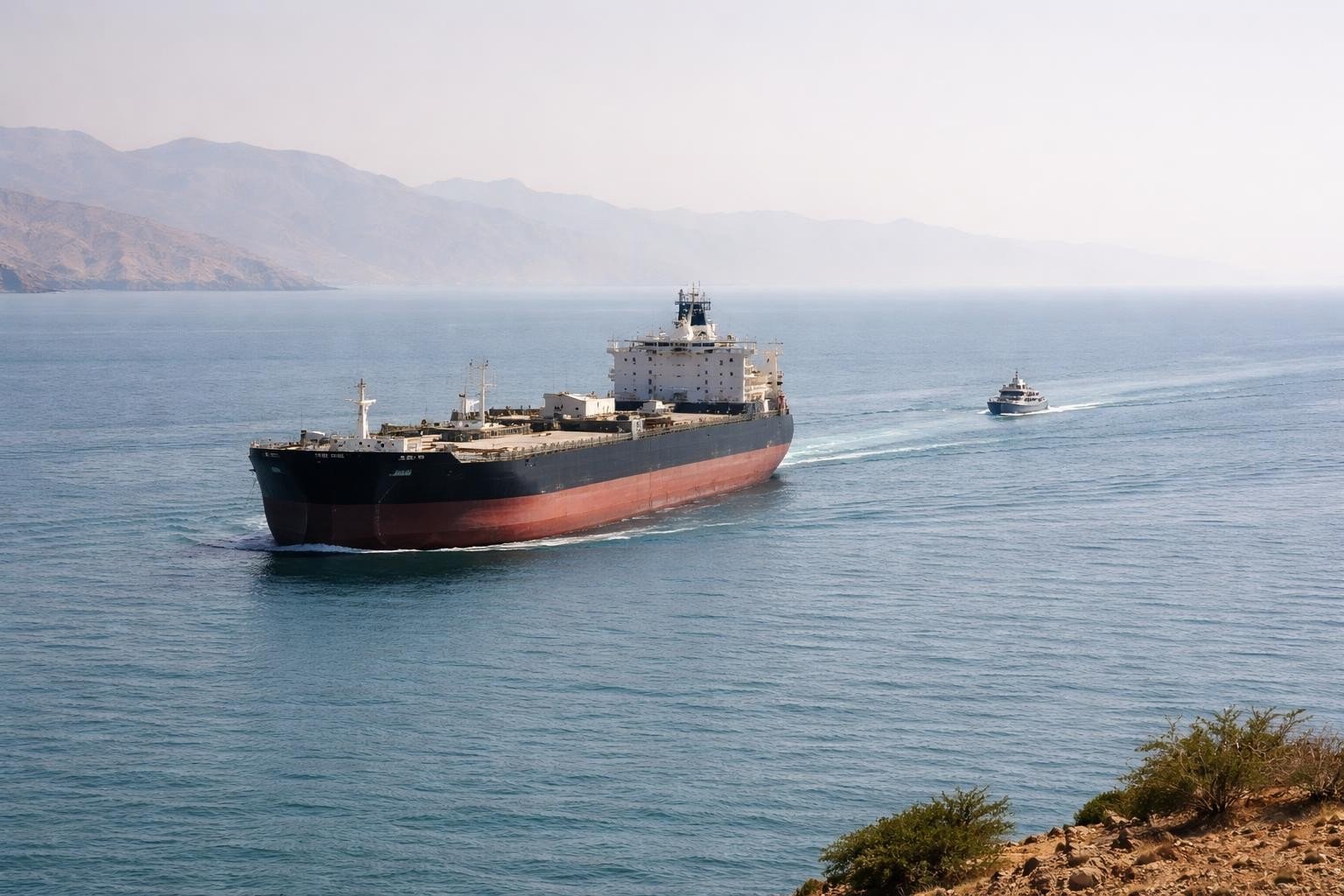
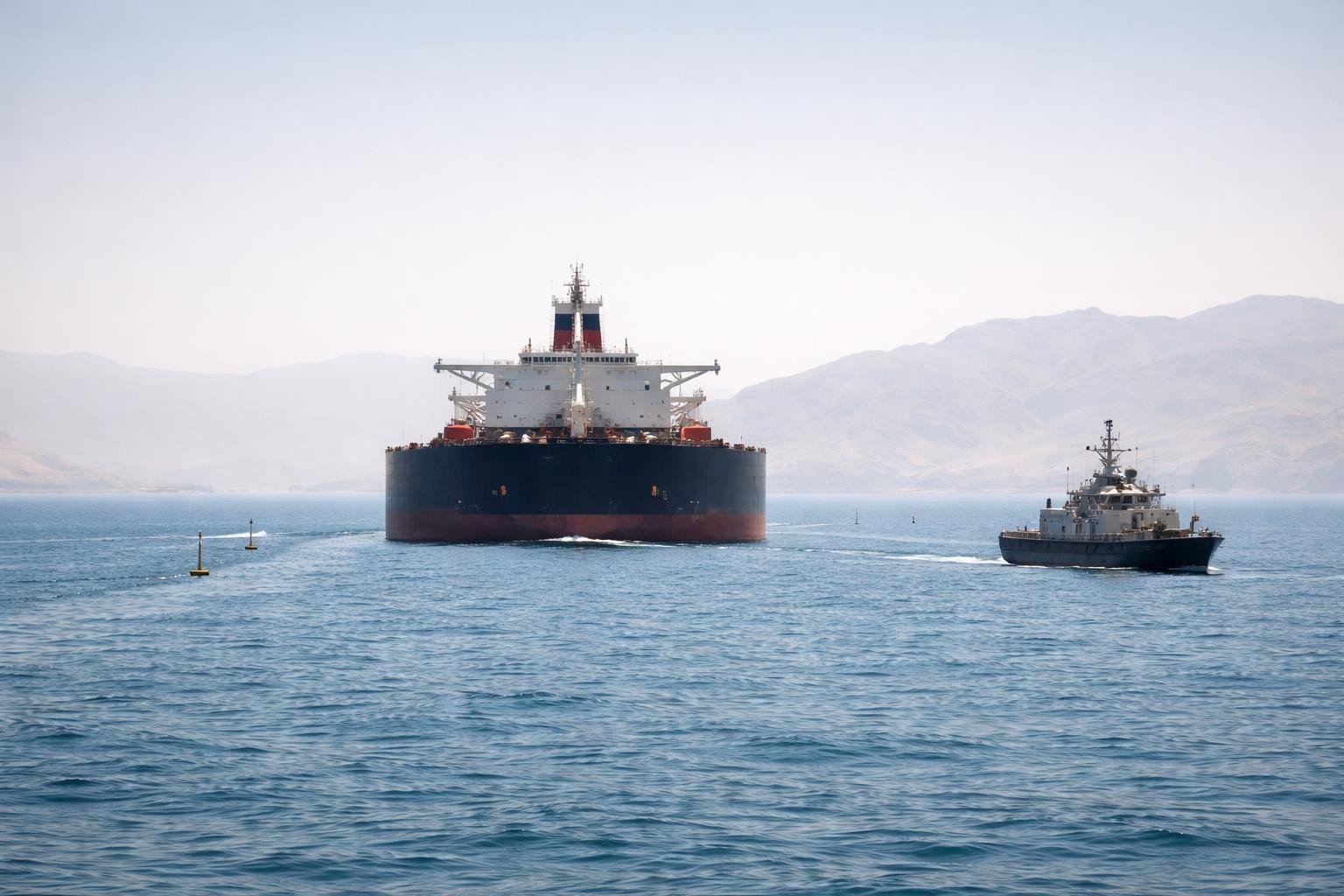
The Strait of Hormuz is a key chokepoint for seaborne oil trade, and any prolonged disruption can quickly affect global supply and prices.
Editorial Team
Editorial Team
Birol cites Iran-US tensions, CENTCOM moves and blockade risk

International Energy Agency (IEA) Executive Director Fatih Birol warned on Thursday that global energy security is under serious threat unless the United States and Iran take steps that lead to improved oil flows through the Strait of Hormuz. Speaking at an event hosted by the Council on Foreign Relations, Birol said “oil security is still a critical issue” and cautioned that the world should be concerned if the situation does not improve soon.

The Strait of Hormuz is a key chokepoint for seaborne oil trade, and any prolonged disruption can quickly affect global supply and prices. Birol’s intervention comes as regional military exchanges intensify and as both Washington and Tehran trade accusations over maritime security and compliance with a recently signed ceasefire framework.

Escalation raises risks to shipping and ceasefire efforts

  • Birol said he would be worried if the situation does not improve “in the next few weeks,” warning of broader consequences for energy security.
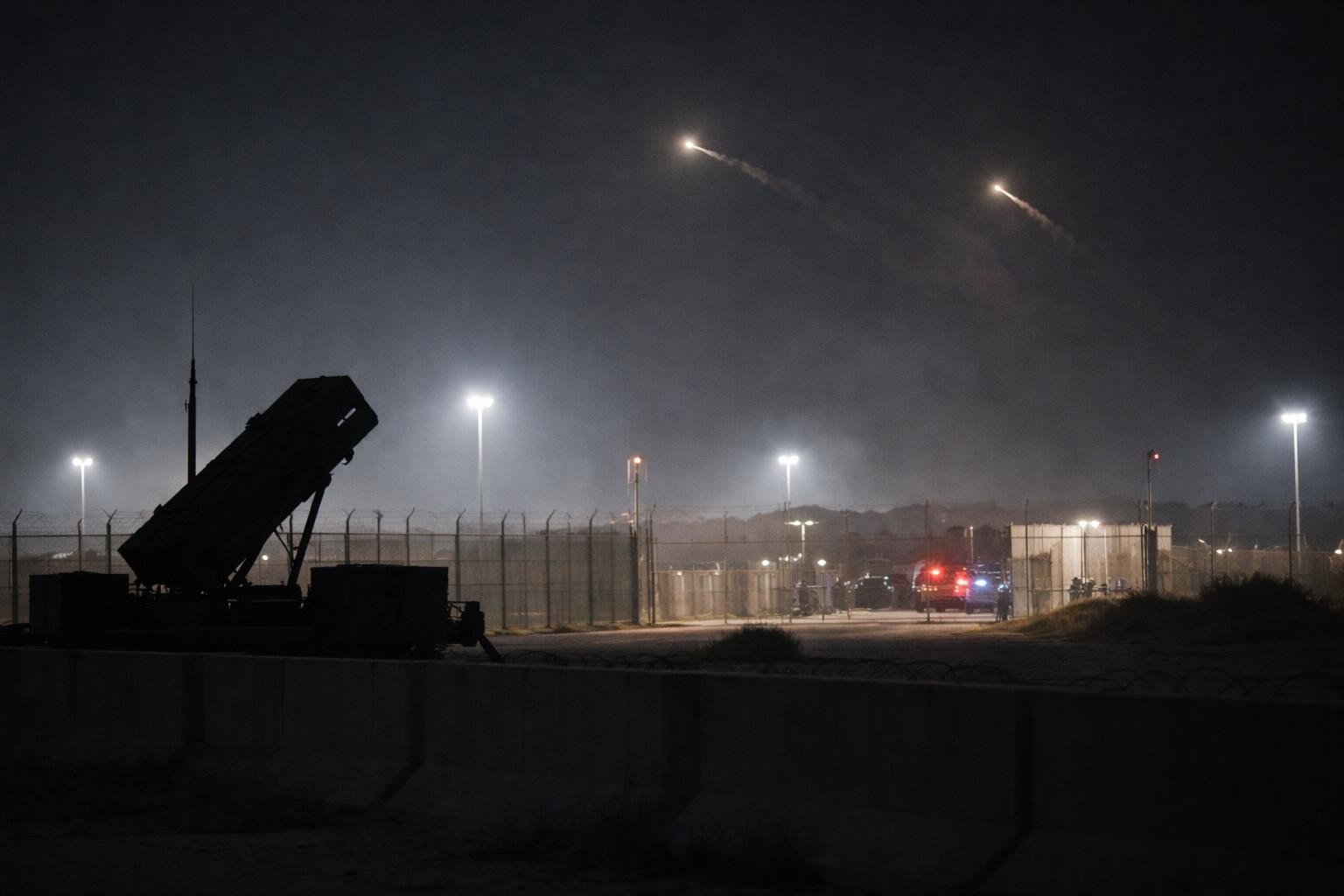
  • The United States carried out a sixth consecutive night of strikes on Iran, hitting Bandar Abbas, Ahvaz and Iranshahr, and fired on a ship it accused of attempting to break a reimposed naval blockade on Iranian ports.
  • Iran retaliated with missiles and drones targeting US allies in the region, including Kuwait, Bahrain and Jordan, with explosions also reported in Qatar.
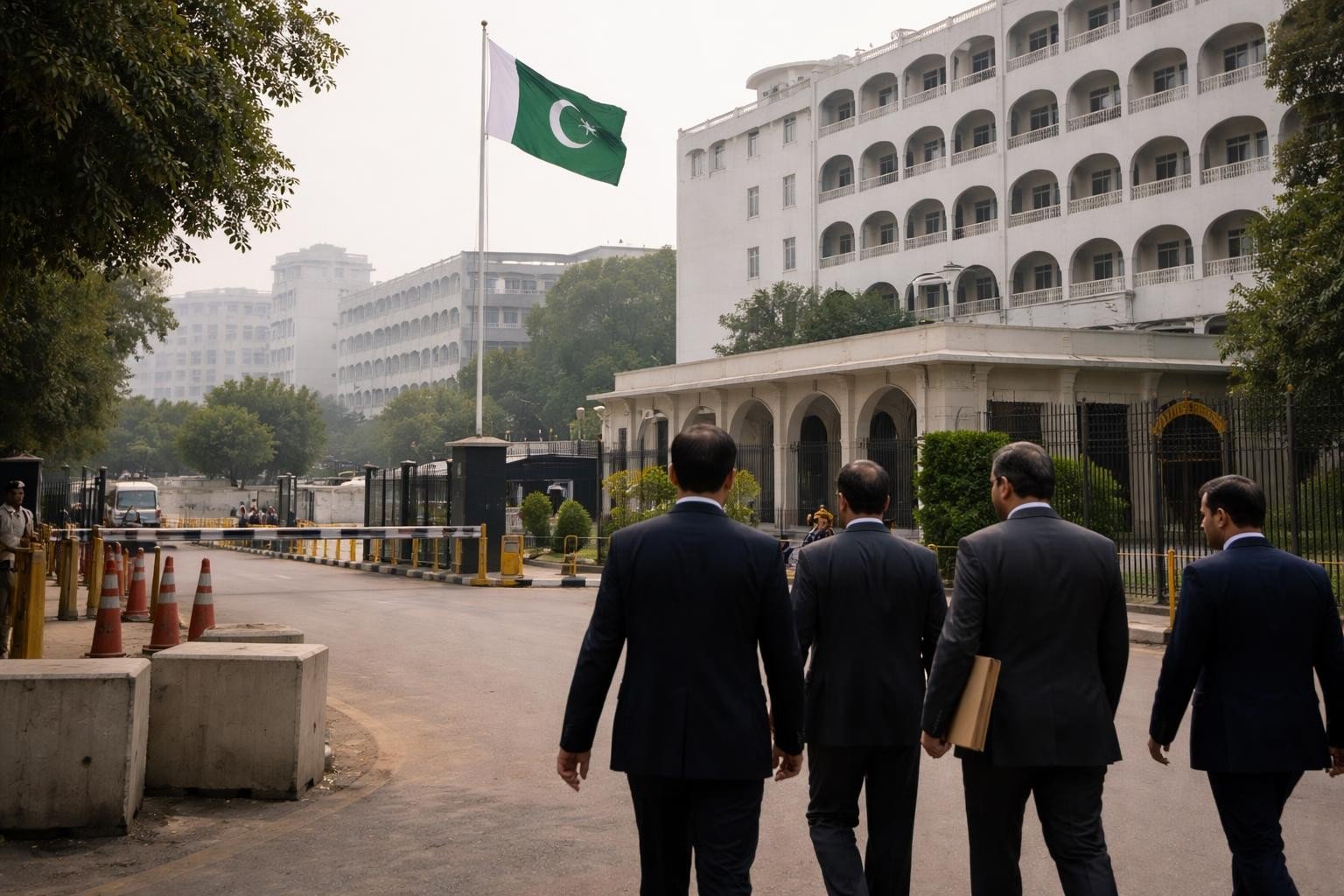
  • The escalation has put at risk a US-Iran memorandum of understanding (MoU) signed in Pakistan a month ago with the aim of securing a ceasefire.

How the crisis reached the Strait of Hormuz

Tensions have sharpened around maritime access and security after Washington reimposed a naval blockade on Iranian ports and accused Iran of actions affecting commercial shipping. Iranian officials, meanwhile, have linked the situation in the Strait of Hormuz to what they describe as a lack of US commitment to the MoU framework signed in Pakistan.

Iran has framed control of the waterway as a sovereignty matter shared with Oman. Iranian Armed Forces spokesman Abolfazl Shekarchi said the strait is “entirely within the sovereignty of Iran and Oman” and that no external party, “especially the United States of America,” has the right to interfere. He also said the situation in the strait would not return to what it was before the war.

The Strait of Hormuz has repeatedly been a flashpoint for energy security fears, including tanker attacks during the Iran-Iraq War’s “Tanker War” in the 1980s and renewed closure threats during the 2011-2012 sanctions escalation, when Iran also staged naval exercises near the passage.

More recent precedents include the 2019 cycle of tanker sabotage incidents near Fujairah and in the Gulf of Oman, Iran’s seizure of the UK-flagged Stena Impero, and the April 2024 boarding and seizure of the container ship MSC Aries, events that reinforced the strait’s status as a high impact chokepoint.

Official statements and reported casualties

Iran’s Fars news agency reported that the death toll from a US attack on the Bandar-e Khamir bridge in Hormozgan province rose to seven. Iran’s military also confirmed it carried out a retaliatory strike on a US military base in Jordan.

On the US side, Central Command (CENTCOM) did not release a formal report on the sixth night of attacks. CENTCOM said that since the blockade was reimposed, five vessels have attempted to “run the blockade,” with three turned around and one “disabled,” without explaining how it was disabled. US Marines also boarded an oil tanker, although it was not clear whether the vessel remained under US detention.

White House Press Secretary Karoline Leavitt said Iran had “brought destruction on itself,” arguing that recent strikes followed an alleged Iranian violation of the MoU, specifically a provision that Iran “were not to fire on commercial vessels moving through the Strait of Hormuz.”

IEA Executive Director Fatih Birol has raised the Hormuz transit risk in formal remarks after briefing G7 finance ministers, saying the Middle East conflict posed serious threats to energy markets and that he was in contact with energy ministers globally.

In publicly reported remarks carried by Reuters video, Birol said the global economy “would be in trouble” if the strait had not remained open or reopened by late June, underscoring the macroeconomic stakes attached to any sustained disruption.


What happens next

US President Donald Trump said earlier in the week that a diplomatic path to ending the war remained possible, even as military action continued. With oil flows and commercial shipping at stake, Birol’s warning adds pressure on Washington and Tehran to stabilise conditions around the Strait of Hormuz. Further clarity on maritime enforcement and the status of the ceasefire MoU is awaited from the parties involved.

MORE LIKE THIS

Comments (0)

Leave a comment

A verified Gmail account is required to post comments.

No comments yet. Be the first to share your thoughts!