

Iran Parliament says Islamabad MoU with US is over
news

Iran Parliament says Islamabad MoU with US is over

By Editorial TeamJul 14, 2026 · 4:49 PM6 min read
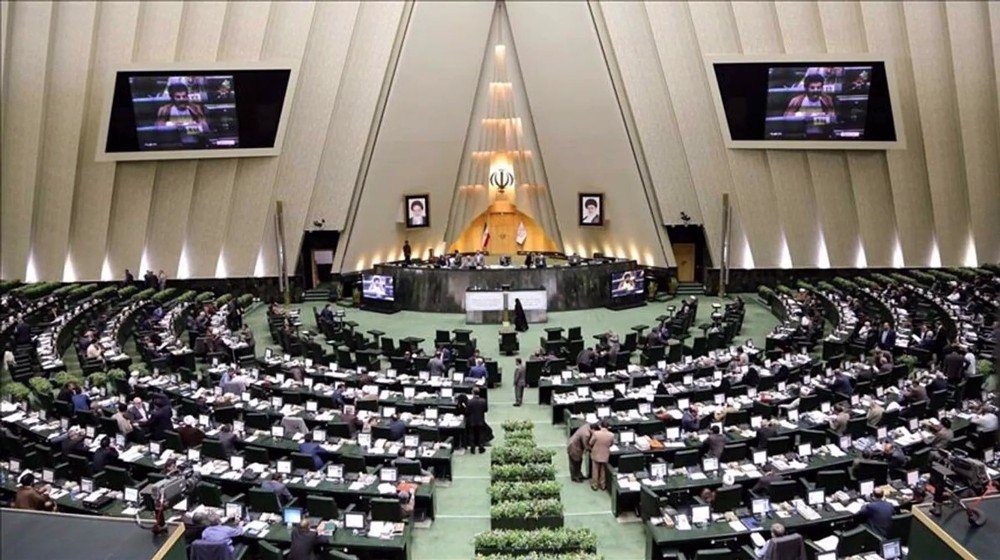
A view of Iran's parliament floor.
Editorial Team
Editorial Team

Nearly 180 Iranian lawmakers have issued a statement declaring the Islamabad Memorandum of Understanding (MoU) with the United States effectively terminated, while vowing to pursue what they called “blood revenge” for the “martyred Leader of the Islamic Revolution.” The statement also demands that Iran’s parliament create a special committee to review the negotiations and agreements tied to the MoU and to oversee what lawmakers described as the agreement’s collapse.

The move follows a week of escalating US military strikes on Iranian territory and remarks by US President Donald Trump at the NATO summit in Ankara, where he said the ceasefire was “over,” adding: “I don't want to deal with them anymore. As far as I'm concerned, it's over.”

The lawmakers’ declaration signals a sharp political escalation around a 14-point ceasefire-related understanding signed on June 17 after months of Pakistani-mediated diplomacy. With the MoU linked to military de-escalation, oil-related measures and the status of the Strait of Hormuz, the statement underscores the risk of broader regional instability and renewed confrontation involving key Gulf waterways.

The controversy also places added pressure on Iran’s official negotiating and security posture, as parliamentarians call for new legislation affecting Iran’s defense doctrine and the governance of the Strait of Hormuz, while senior officials accuse Washington of breaching commitments and warn that countries hosting attacks on Iran could be treated as legitimate targets.

In their statement, the lawmakers said they would not “neglect for a moment the efforts, planning and practical measures in the path of blood revenge,” according to Iranian media reports. They urged the parliamentary presidium to immediately form a special committee to review the negotiations and agreements and to monitor implementation of conditions set by Leader Ayatollah Seyyed Mojtaba Khamenei.

The lawmakers also said they would prioritize legislation aimed at strengthening Iran’s defense doctrine and approve a law on the “management and governance” of the Strait of Hormuz, indicating a push to formalize policy over the strategically important maritime corridor.

The parliamentary action comes amid claims of multiple US violations of the June 17 MoU. According to the account in the source material, on July 7 Washington revoked a license authorizing Iranian oil sales and launched airstrikes on Iranian military positions following attacks on commercial ships in the Strait of Hormuz.

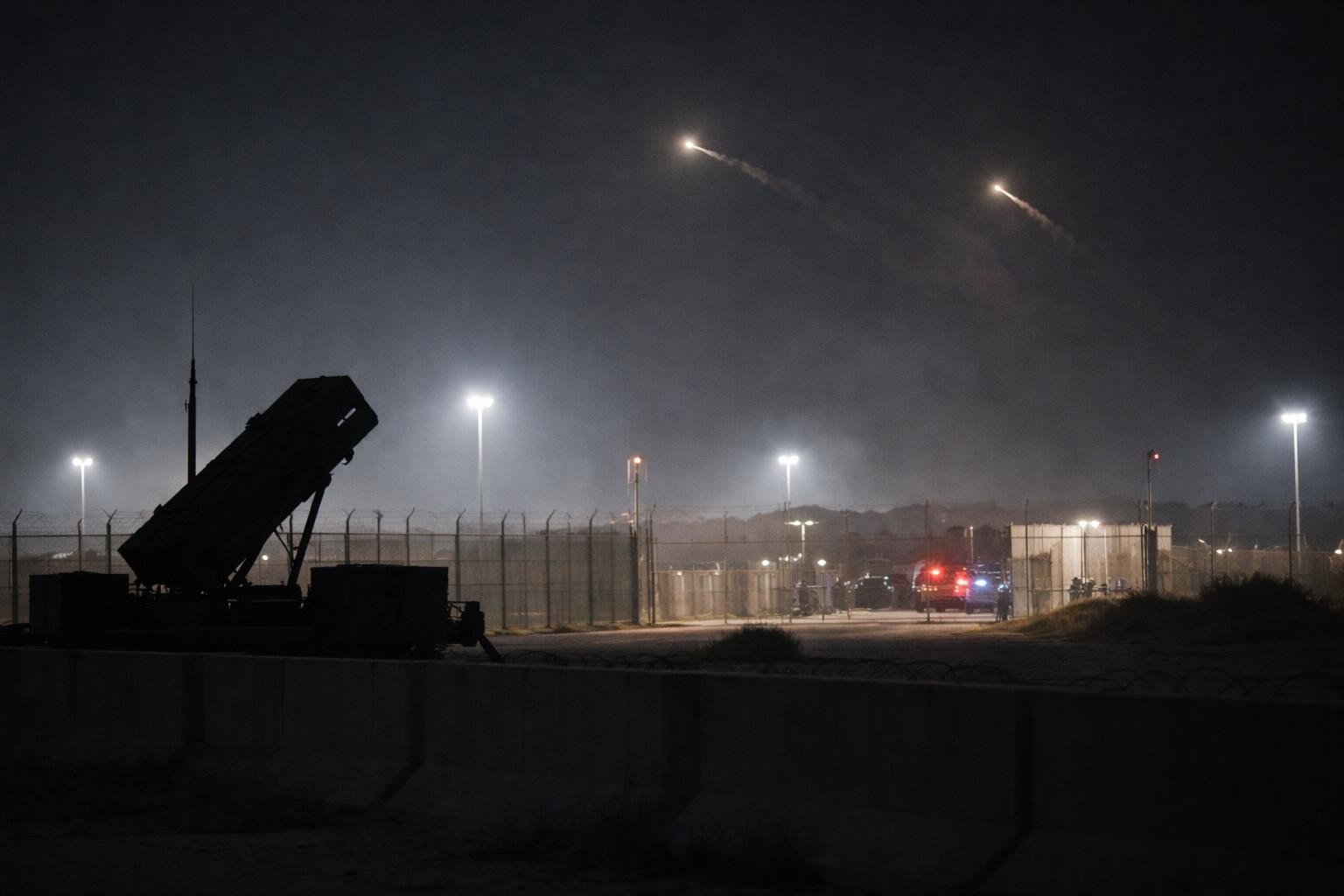
  • The US Central Command said it struck more than 80 Iranian targets, including over 60 small boats belonging to the Islamic Revolution Guards Corps (IRGC).
  • Iran’s IRGC Navy and Aerospace Force later launched attacks on 85 US military facilities in Bahrain and Kuwait, according to the source material.
  • Iranian officials warned that any country allowing its territory to be used for attacks on Iran could become a legitimate target.

Iranian Parliamentary Speaker Mohammad Baqer Qalibaf, described as Tehran’s chief negotiator in the source material, accused the United States of “major” violations. He cited what he called “violating Iranian adjustments in the Strait,” persistent threats of further strikes, reinstating oil sanctions and continued Israeli aggression on Lebanon.
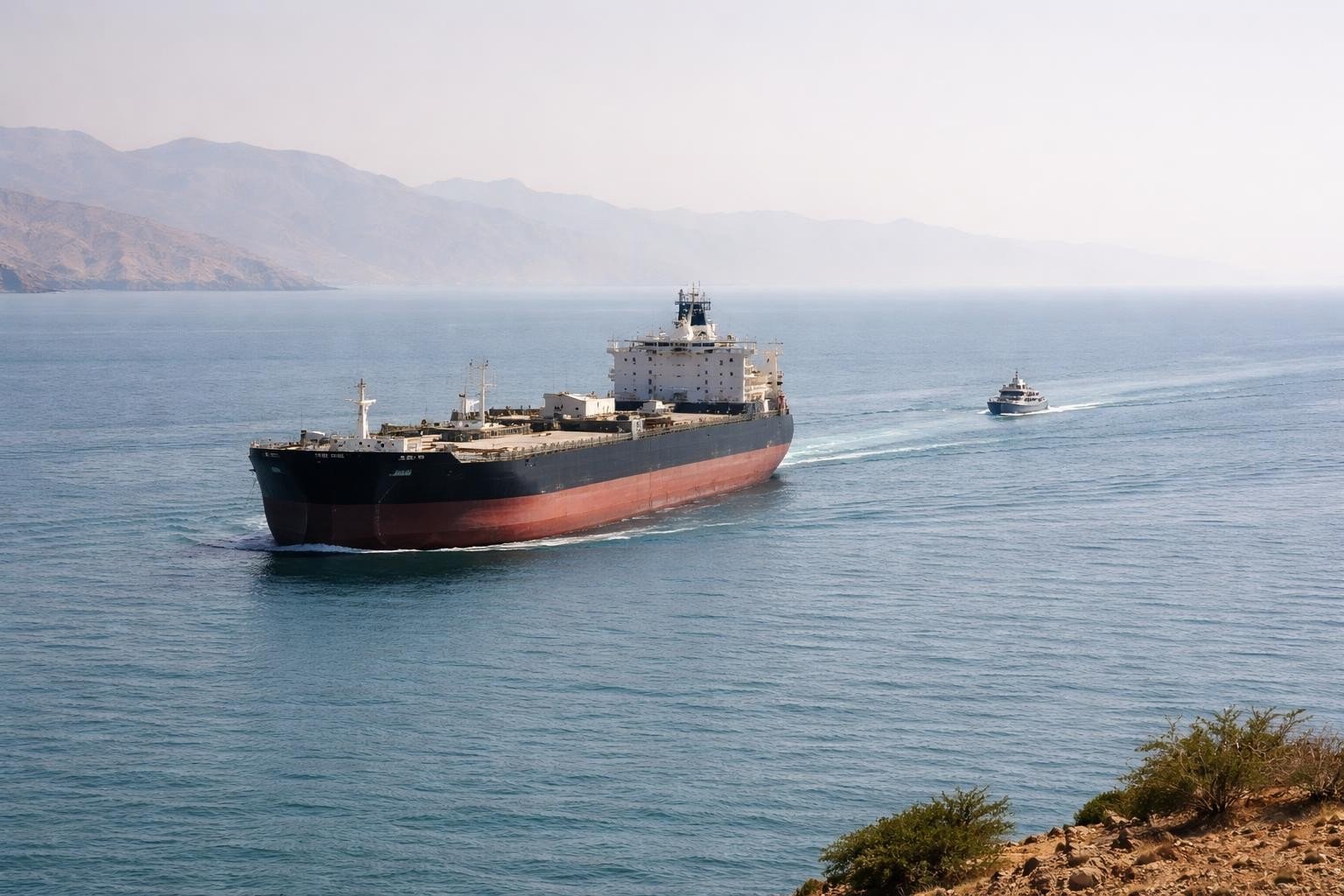

The Islamabad Memorandum of Understanding was signed in June following months of Pakistani-mediated diplomacy, according to the source material. The agreement came after a 40-day US-Israeli war of aggression against Iran that began on February 28, setting the context for the subsequent ceasefire-related arrangements.

The MoU was described as a 14-point understanding committing both sides to ending military operations “on all fronts.” It also provided for the suspension of wartime restrictions Iran had placed on the Strait of Hormuz, the lifting of a US naval blockade and the release of frozen Iranian assets.

In the period after the MoU was signed, Iranian officials repeatedly accused Washington of failing to comply with its commitments. The source material says alleged breaches included renewed military strikes, the revocation of oil-sale licensing and continued Israeli attacks against Lebanon, all of which Iranian officials said undermined the ceasefire framework.

Iran’s Foreign Ministry spokesman Esmaeil Baghaei said on Monday that the MoU had entered a crisis, accusing Washington of “systematically dismantling” the agreement. Iranian officials also stated that the United States did not allow the 30-day implementation period for Article Five of the MoU—covering management of the Strait of Hormuz—to run its course.

Against that backdrop, Iranian political institutions have moved on parallel tracks: the Foreign Ministry has framed continued compliance as conditional on reciprocity, while parliamentarians are now demanding legislative and oversight steps tied to defense policy and the Strait of Hormuz, and declaring the MoU effectively ended.

The lawmakers’ statement included an explicit pledge of retaliation. It said: “We pledge in the parliamentary trench not to neglect for a moment the efforts, planning and practical measures in the path of blood revenge,” according to Iranian media reports.

Iranian Foreign Minister Abbas Araghchi accused the United States of a “flagrant violation” of the MoU, saying the July 7 strikes, the reinstatement of oil sanctions and Israel’s ongoing war on Lebanon had rendered “important and fundamental parts of the understanding on the cessation of the war ineffective.”

Trump’s remarks were delivered at the NATO summit in Ankara on Wednesday, where he declared the ceasefire “over.” He said: “I don't want to deal with them anymore. As far as I'm concerned, it's over.”

Qalibaf separately issued a warning in response to what he described as US pressure tactics. “The era of bullying and extortion is over,” he said, warning that attempts at blackmailing Iran would go nowhere.

Baghaei said Iran would no longer fulfill its obligations under the MoU unless Washington returned to a policy of reciprocal compliance, aligning the Foreign Ministry’s position with the broader claim that the agreement’s implementation has broken down.

Based on the statement cited in the source material, Iranian lawmakers now consider the Islamabad MoU with the United States effectively terminated and are pressing the parliamentary presidium to establish a special oversight committee to review negotiations, agreements and adherence to conditions set by Ayatollah Seyyed Mojtaba Khamenei.

The lawmakers’ agenda also includes prioritizing legislation to strengthen Iran’s defense doctrine and to pass a law governing the management and governance of the Strait of Hormuz. Separately, Iran’s Foreign Ministry has stated that Iran will not continue fulfilling obligations unless the United States returns to reciprocal compliance, while officials maintain that some MoU-related provisions—particularly the Article Five timeline—were not allowed to proceed as specified.

MORE LIKE THIS

Comments (0)

Leave a comment

A verified Gmail account is required to post comments.

No comments yet. Be the first to share your thoughts!