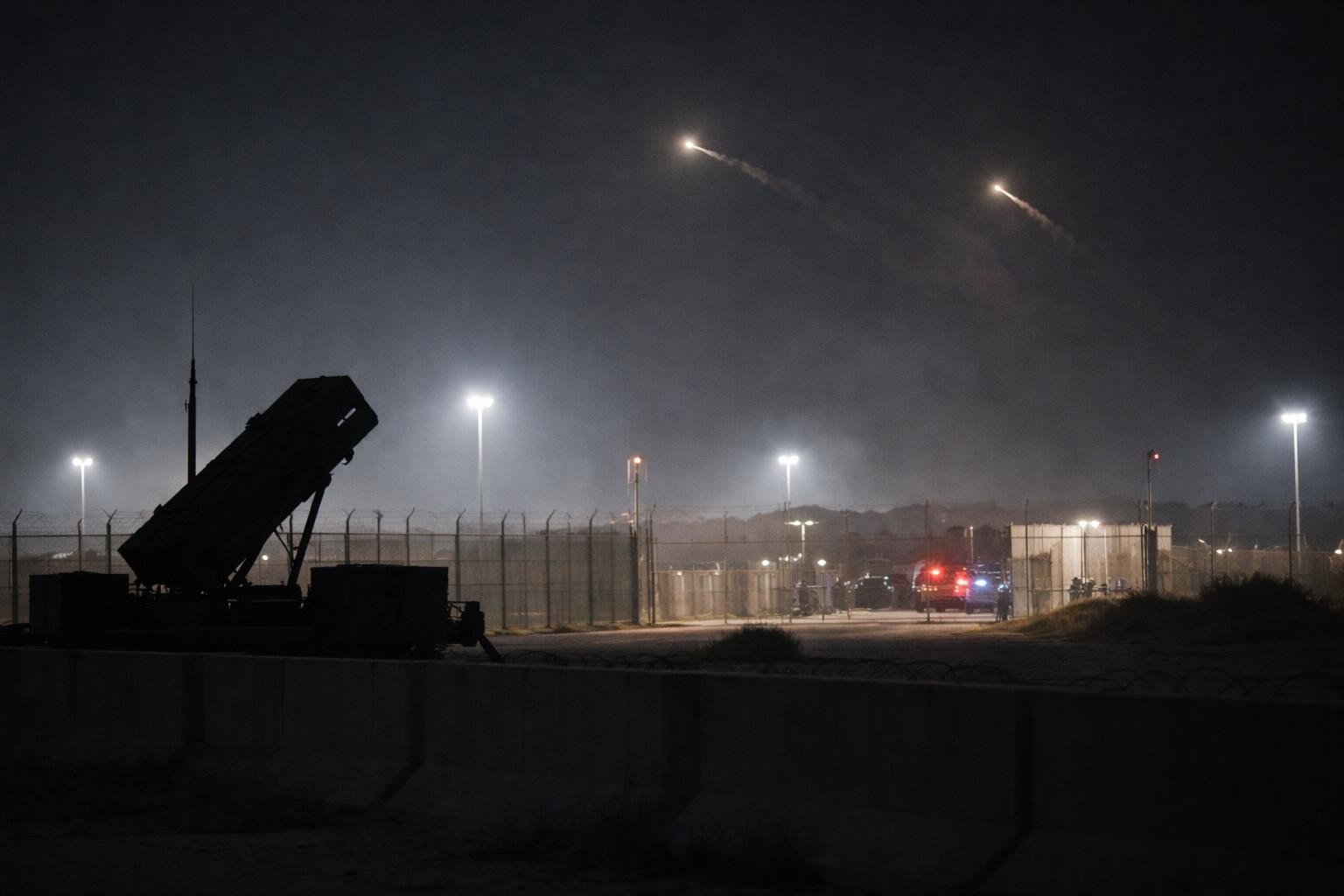
The current round of escalation follows a series of collapses since a US-Iran ceasefire signed on April 8. The renewed fighting now marks at least the third time since that truce appeared to have broken down, highlighting how quickly military actions and disputes over compliance have repeatedly overtaken diplomatic efforts.
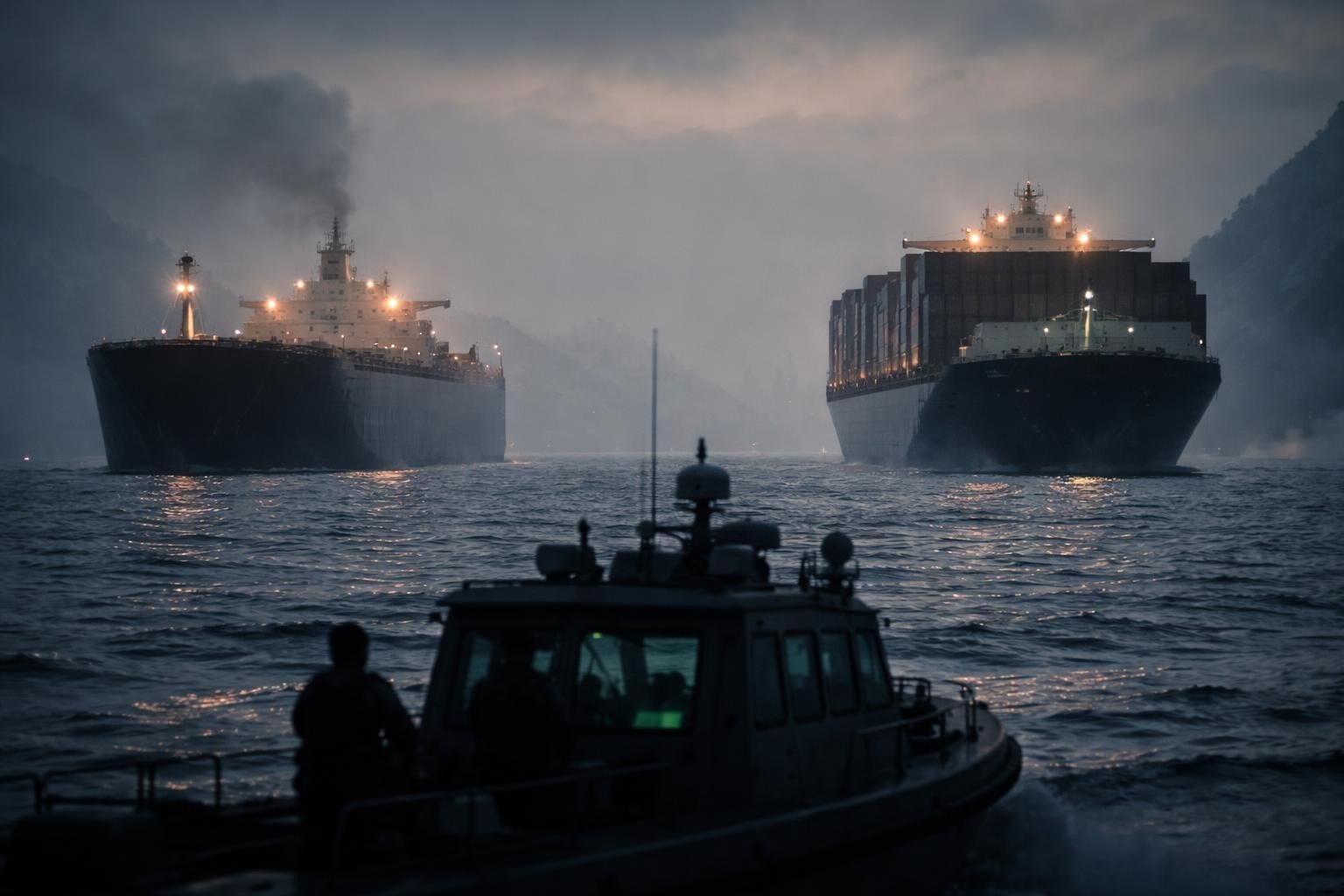
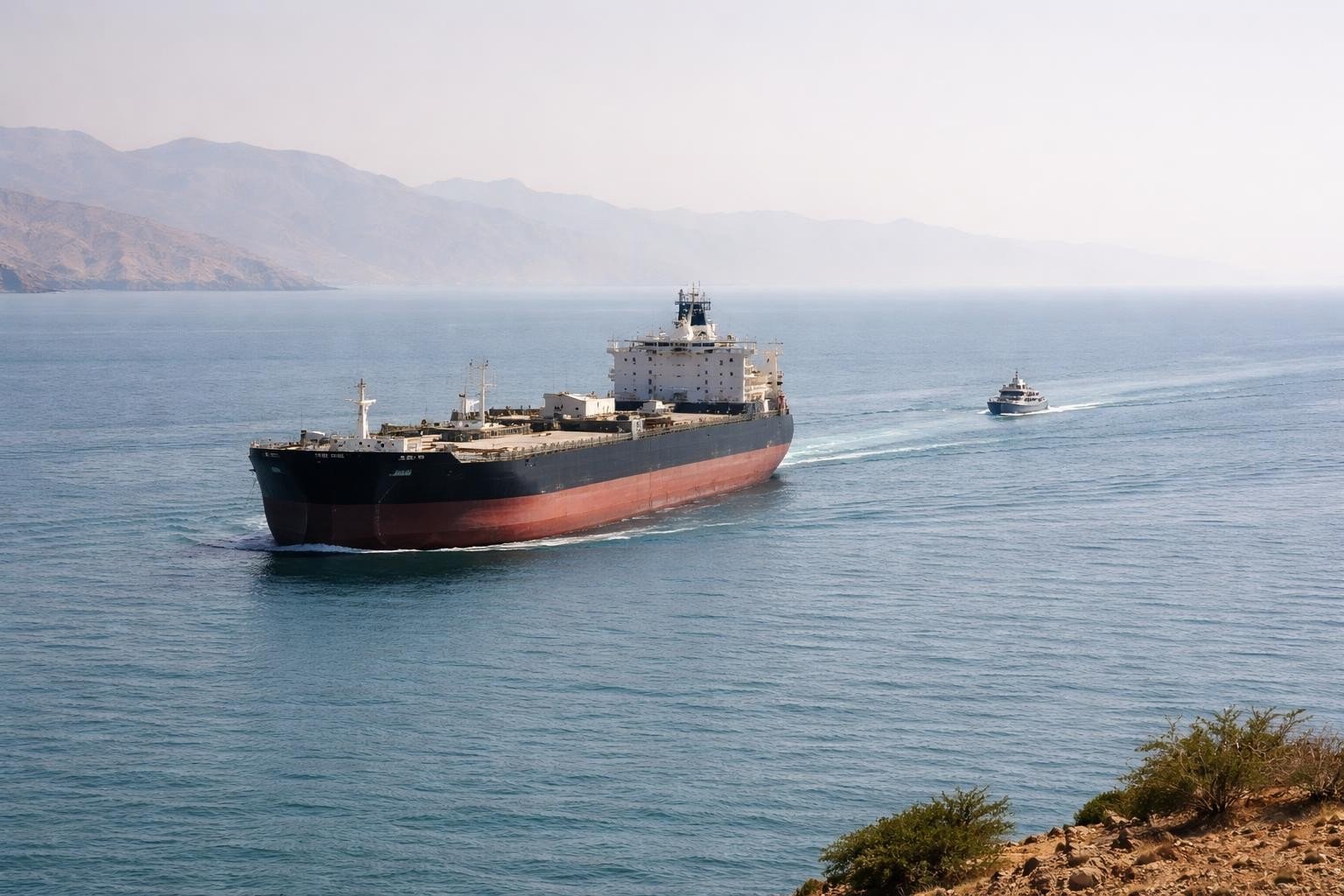
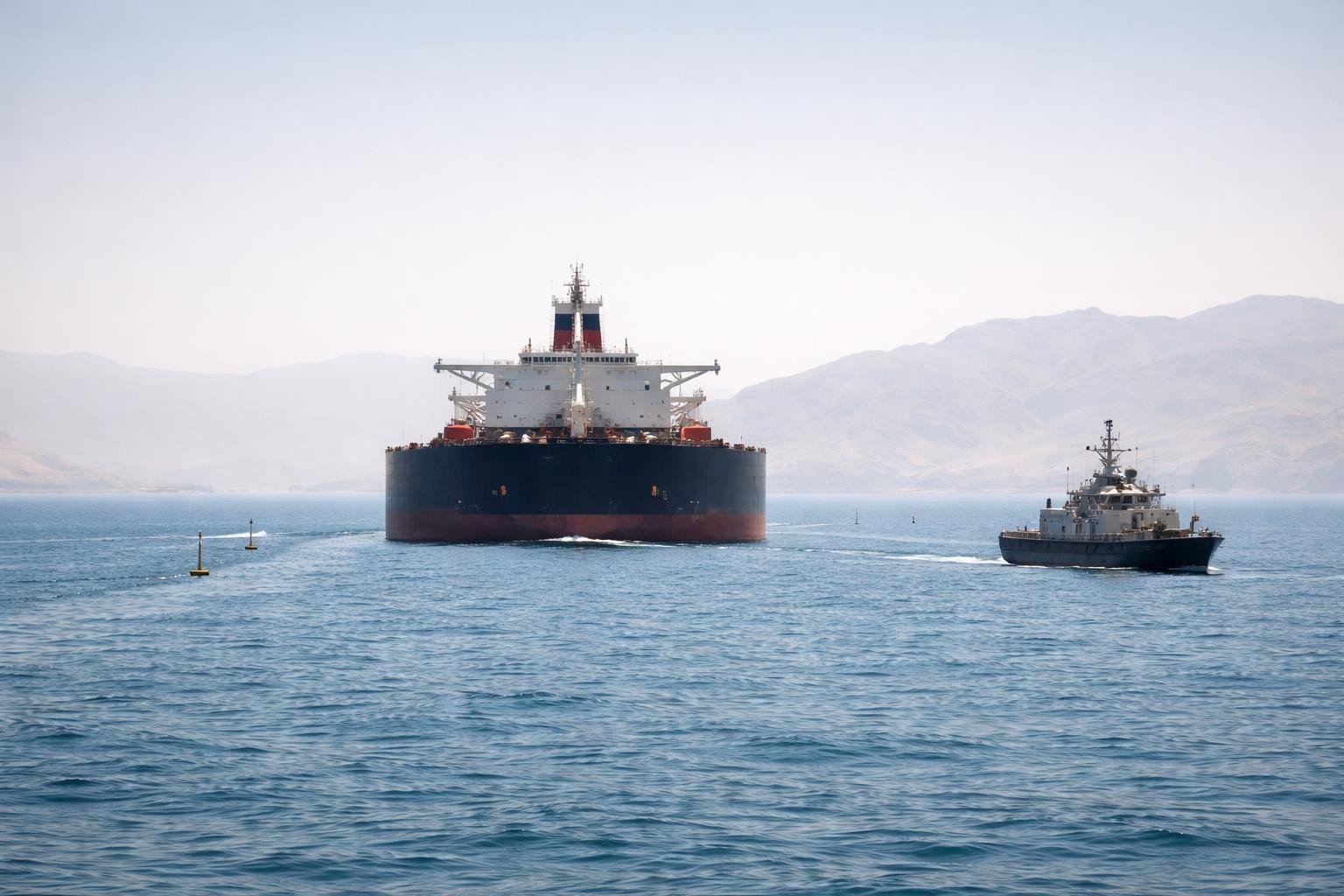
Days after the April ceasefire, the breakdown of the first round of talks in Islamabad was followed by the United States imposing a naval blockade on Iranian ships in the Strait of Hormuz. In the days that followed, the United States and Iran both attacked ships, deepening mistrust and shifting the dispute back onto the battlefield at sea.
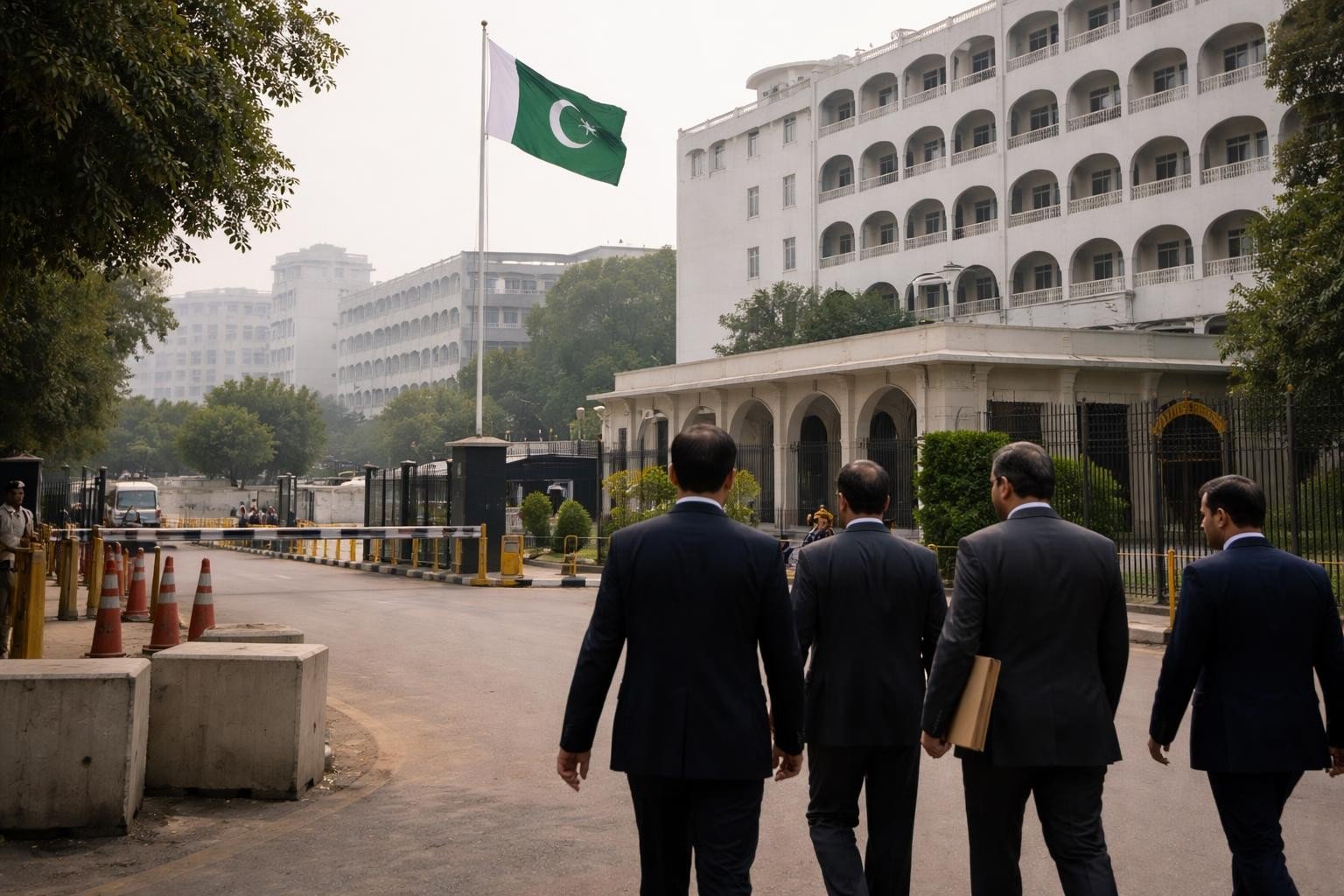
Pakistan nevertheless continued to pursue mediation. Since the war began on February 28, Islamabad has played the role of go-between, hosting talks in April that brought US and Iranian officials into the same room for the first time in four decades. Pakistan’s army chief and interior minister have travelled to Tehran several times, and in late March Pakistan also helped secure a Chinese-backed peace framework alongside its own diplomatic efforts.
Those efforts culminated in the June 17 MoU, which was signed by Iran’s President Masoud Pezeshkian and US President Donald Trump, with Pakistan’s Prime Minister Shehbaz Sharif signing as mediator. The agreement was later discussed at the Burgenstock summit in Switzerland, reflecting the level of international attention and the hope that a short-term cessation of hostilities could lead to a broader process.
However, the agreement again ran into the unresolved question of the Strait of Hormuz. After the MoU was signed, Iran attacked several ships it claimed were transiting the strait without its permission, prompting another escalation with Washington. Last week’s Iranian tanker strikes then pushed tensions higher, setting the stage for the latest exchange of attacks.
Analysts quoted in the source material argue that Pakistan’s mediation has been constrained by the nature of the dispute. Javad Heiran-Nia, director of the Persian Gulf Studies Group at the Center for Scientific Research and Middle East Strategic Studies in Tehran, said the MoU was not designed to settle the underlying conflict, describing it as a tactical step intended to halt hostilities and reopen the strait to international shipping while deferring substantive questions to later negotiations.
Heiran-Nia also said that Iran views control of the waterway as “a strategic asset; not merely a coercive lever, but a deterrent tool”, and that Tehran appears “prepared to accept the risk of war to preserve this strategic advantage”. In his assessment, mediators lack instruments to resolve the dispute “unless a shift in the balance of power between Iran and the United States emerges as a result of limited military engagements”, and he pointed to the possibility of a US naval blockade as one development that could affect strategic calculations.
Dania Thafer, executive director of the Gulf International Forum in Doha, said Pakistan’s room for manoeuvre has narrowed as the two sides hardened their positions over the Strait of Hormuz. “Pakistan is in a situation where it is highly dependent on both parties, as it always has been, but right now, Iran is bent on establishing its control over the Strait of Hormuz,” she said, adding that de-escalation is difficult while both Washington and Tehran remain in “an escalatory phase”.
At the same time, some analysts argue Pakistan retains influence through access. Qamar Cheema, head of the Islamabad-based Sanober Institute, cited remarks by US Vice President JD Vance crediting Pakistani Field Marshal Asim Munir’s role in the process as evidence that Pakistan’s military-diplomatic channel carries weight in Washington. Cheema argued that “access itself” functions as an instrument, saying: “Pakistan enjoys trust, and that’s why both sides pick up the phone and call Pakistani leadership any time to remove a stumbling block.”
Pakistan is also operating within a crowded field of diplomacy. Heiran-Nia said the Strait of Hormuz dispute was not ultimately Islamabad’s to mediate, arguing that Iran had removed the issue from Pakistan’s mediation agenda because it was essentially bilateral between Tehran and Muscat. He said Tehran did not want the matter defined within a broader package under Pakistani auspices, and that direct Iran-Oman talks later faced constraints due to what he described as US military pressure and economic sanctions threats against Oman.
Regional dynamics have complicated mediation further. Heiran-Nia cautioned that Iran’s attacks on Qatar could adversely affect Doha’s role, even if Qatar does not appear inclined to withdraw, adding that “Iran should not assume that Doha’s patience is limitless.” Mustafa Hyder Sayed, executive director of the Pakistan-China Institute in Islamabad, described Gulf Cooperation Council (GCC) states as caught between maintaining functional ties with Iran and not openly rejecting the use of their bases by the United States, saying they “understand they cannot choose their neighbours.”
Beyond the Hormuz dispute, Israel’s actions have become part of Tehran’s framing of the MoU’s erosion. Israel, which is not a party to the MoU, has continued military operations in Lebanon, and Tehran cites this as an ongoing violation of the agreement. Israeli Defence Minister Israel Katz said on Saturday that southern Lebanon “would become Gaza”, raising the prospect of further regional escalation referenced in the source material.