

Russian Tu-214PU Doomsday Plane Lands in Tehran
news

Russian Tu-214PU Doomsday Plane Lands in Tehran

By Editorial TeamJul 14, 2026 · 5:38 PM9 min read
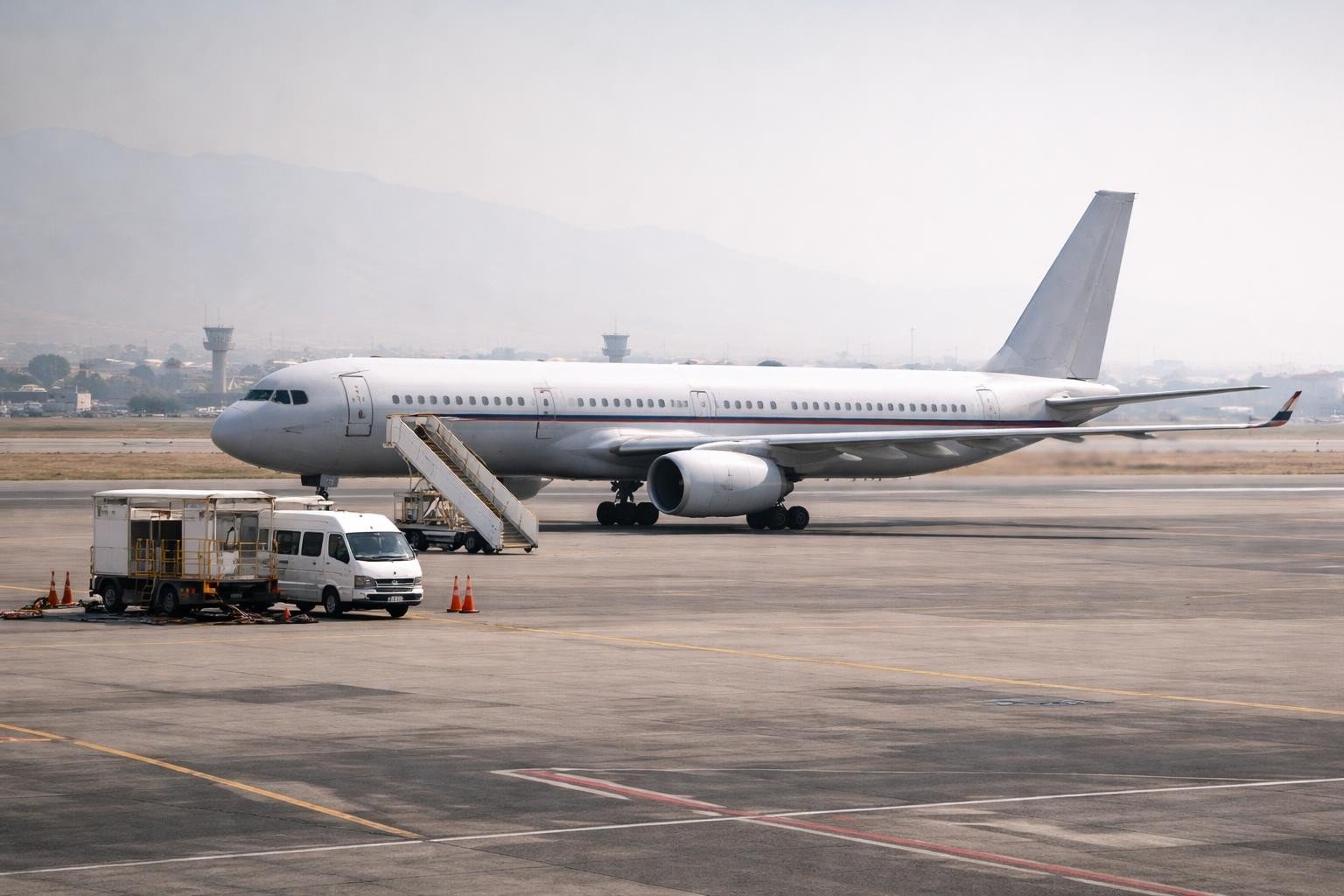
AI-generated representative image of a Russian government aircraft on the tarmac in Tehran amid heightened regional tensions.
Editorial Team
Editorial Team

A Russian government Tupolev Tu-214PU aircraft—often described as a crisis-command or “doomsday” platform—landed in Tehran at 10:10am yesterday after departing Moscow and flying over the Caspian Sea, according to FlightRadar24 tracking data cited by Voice of Urdu. The flight’s timing, routing and the aircraft’s specialised role have drawn renewed attention as fighting between the United States and Iran escalates and a previously declared truce has collapsed.

The arrival came a day after US forces targeted what the source material describes as a strategic railway link in Iran that facilitates Chinese supply lines, adding to speculation about a tightening Moscow-Tehran-Beijing alignment at a moment when regional sea lanes and military facilities are also coming under attack.

The Tu-214PU is not a routine transport aircraft. The source material describes it as Russia’s equivalent of a high-end airborne crisis-coordination platform, designed for continuity of command during extreme scenarios and equipped with secure communications intended to function when ground-based systems fail.

Its appearance in Tehran therefore matters beyond symbolism: it intersects with a widening set of military and economic pressures, including US strikes on Iranian-linked infrastructure, Iranian attacks on US installations around the Gulf, mounting risks to commercial shipping in and around the Strait of Hormuz, and diplomatic fallout after the death of a foreign sailor in the conflict zone.

Flight-tracking information cited in the source indicates the Tupolev Tu-214PU departed Moscow, flew over the Caspian Sea to avoid contested airspace, and arrived in Tehran at 10:10am yesterday. The aircraft is described as capable of operating during nuclear fallout or existential crises, with a stated range of 6,500 km nonstop and a stated cruising speed of 850 km/h.

The source material says the aircraft functions as an airborne command center with radiation protection and secure communications, allowing Russia’s president and senior military leadership to command armed forces and nuclear arsenals from the air if ground communications are disrupted. It also says this specific aircraft has accompanied President Vladimir Putin on high-stakes unannounced trips, including a secret visit to Syria eight years ago and a summit in Alaska last year.

The landing unfolded as the source describes a ceasefire collapse and a new wave of hostilities. It states US President Donald Trump abandoned the truce on July 10 following the reported death of Senator Lindsey Graham, described as a close ally, in an incident Washington suspects involved Iranian and Russian coordination.

US actions listed in the source include a shift toward what it calls aggressive pre-emptive strikes aimed at neutralising Iran’s remaining enriched uranium and nuclear research facilities, naming Bushehr, Natanz and Fordow. It also describes a US unmanned surface vessel attack that struck and destroyed an Iranian ship-maintenance facility at the Bandar Abbas naval base.

On maritime security and commerce, the source says President Trump announced plans to assert full control over the Strait of Hormuz and to impose a 20% tariff on commercial shipping in exchange for US protection. It adds that Iranian officials mocked the plan, describing themselves as the “guardians” of the waterway and offering a “cheaper rate.”

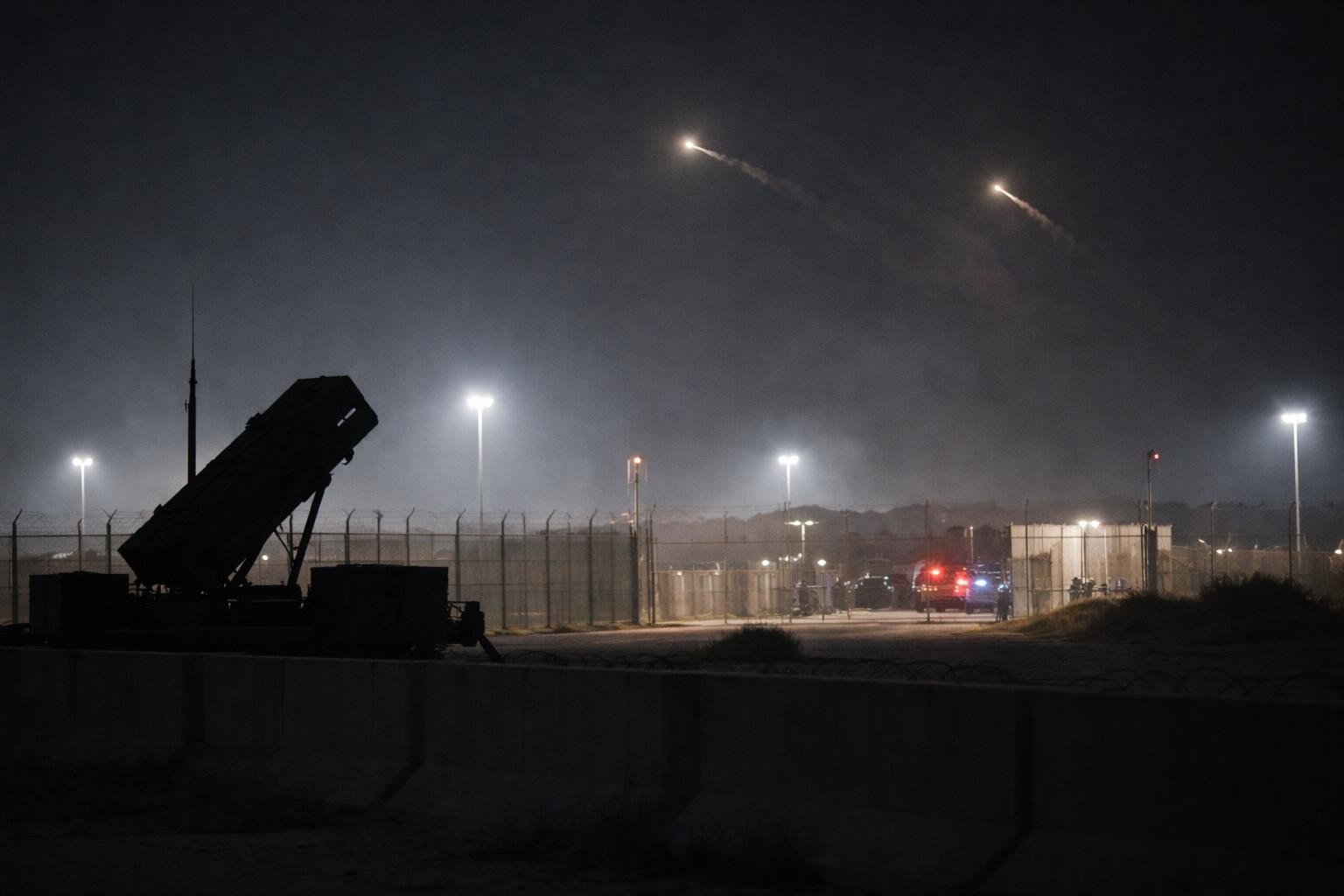
Iranian retaliation described in the source includes intensified strikes on US military installations across the Gulf, citing attacks in Jordan, Bahrain, Qatar and the UAE. The source also reports that Iran’s Islamic Revolutionary Guard Corps (IRGC) issued a 13-person “Hit List” targeting Western and Israeli leaders for assassination, naming Donald Trump, Benjamin Netanyahu, Keir Starmer, Emmanuel Macron, Giorgia Meloni, and US officials Marco Rubio and Pete Hegseth.

The source further reports an international casualty linked to the escalation: an Indian sailor aboard a UAE-departing commercial vessel was killed during an Iranian strike in Omani waters. It says India’s Ministry of External Affairs (MEA) summoned Iranian representatives in New Delhi to lodge a formal protest and to express strong displeasure.

On the economic and sanctions front, the source cites intelligence reports claiming Russia, Iran and North Korea conducted more than $104 billion in cryptocurrency transactions in recent months, describing this as a mechanism to bypass global banking systems amid blockades and physical disruption to trade routes.
The source material frames the Tehran landing as part of a broader, fast-moving escalation between the United States and Iran, with knock-on effects for major powers and regional partners. It situates the flight one day after a US strike on what it calls a strategic railway link inside Iran tied to Chinese supply lines, suggesting the conflict is no longer confined to direct US-Iran exchanges but is increasingly entangled with competing supply networks and strategic partnerships.

It also places the aircraft arrival in the context of a breakdown in attempts to pause hostilities. According to the source, President Donald Trump ended a ceasefire on July 10, after the reported death of Senator Lindsey Graham—an event Washington reportedly suspects involved Iranian and Russian coordination. The source does not provide details of the incident beyond that suspicion, but presents it as the trigger for the truce’s collapse.

The Russian aircraft itself is described in the source as a specialised command-and-control platform rather than a standard government transport. It notes that the Tu-214PU is designed for operations during nuclear fallout or extreme national emergencies, and that it offers secure communications and protection intended to preserve continuity of leadership decisions if ground systems are compromised.

In addition to its technical role, the source provides historical examples meant to show how the aircraft is used: it says this specific airframe has accompanied President Vladimir Putin on unannounced, high-stakes trips, citing a secret trip to Syria eight years ago and a summit in Alaska last year. In this telling, the aircraft’s movements are treated as a signal of elevated political or military sensitivity.

Against that backdrop, the source outlines a shift in the military tempo. It says the United States has adopted what it describes as a pre-emptive strike posture focused on Iran’s nuclear-related sites and infrastructure, explicitly naming Bushehr, Natanz and Fordow as facilities of concern. It also cites a US unmanned surface vessel strike at Iran’s Bandar Abbas naval base as part of this expanded operational approach.

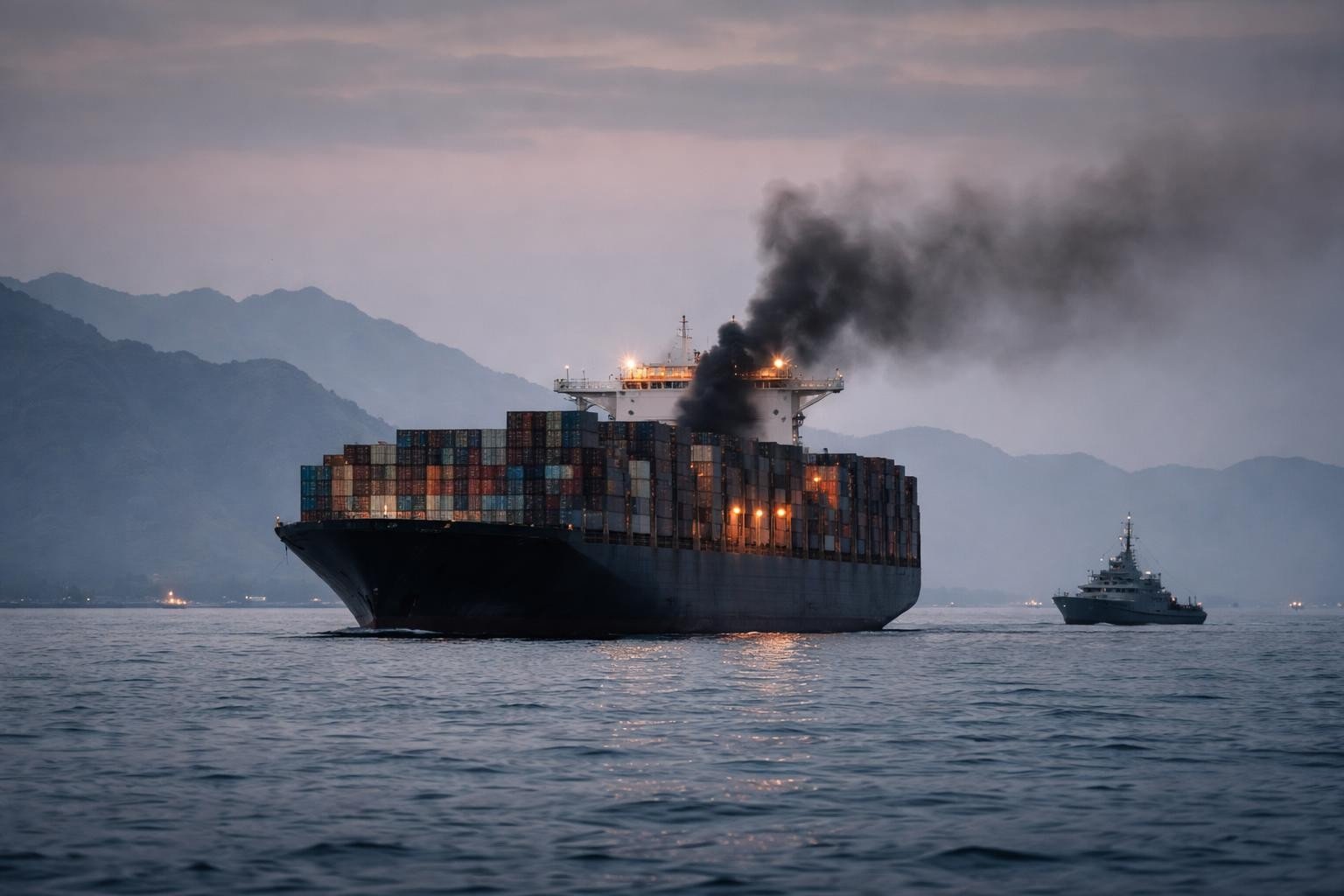
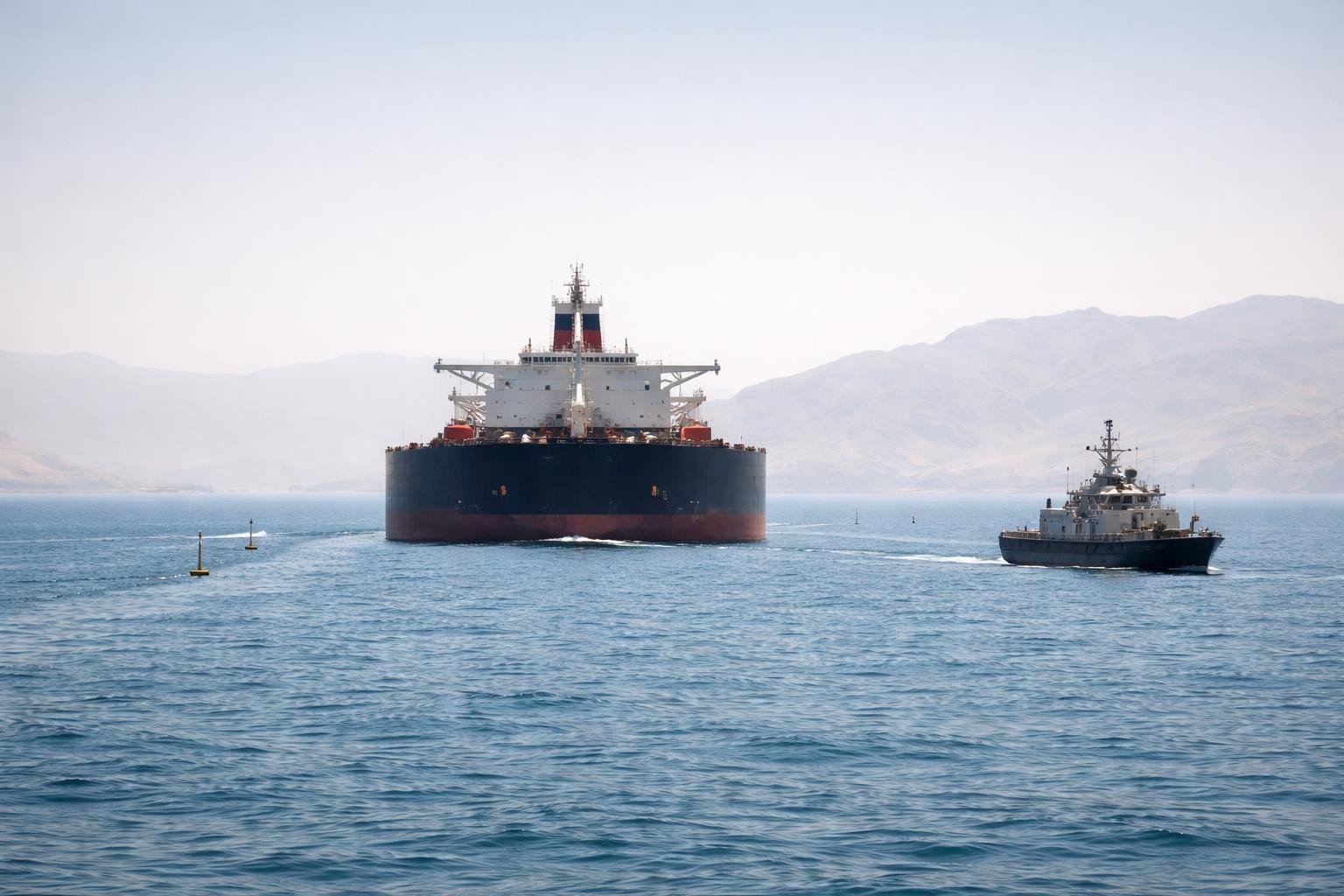
The maritime dimension is central to the source’s account. It says President Trump announced plans to assert full control over the Strait of Hormuz and to levy a 20% tariff on commercial shipping for US “protection,” while Iranian officials publicly disputed the premise by claiming they are the waterway’s “guardians” and by offering a “cheaper rate.” The same environment, the source says, has already produced casualties and diplomatic repercussions after an Indian sailor was killed in Omani waters during an Iranian strike.

The source further ties the conflict to pressure on sanctions and finance. It argues that as conventional routes face destruction and blockades, sanctioned states are leaning on alternative channels, citing intelligence reports that Russia, Iran and North Korea moved more than $104 billion via cryptocurrency in recent months to bypass mainstream banking systems.

Finally, the source notes that the Tehran aircraft arrival has prompted significant speculation among analysts, presenting three theories: covert leadership transit linked to a mourning period for Ayatollah Ali Khamenei; delivery of specialised defence technology or encrypted command systems; or a leadership relocation/protection scenario amid claims that US and Israeli forces aim to eliminate what the source describes as the remaining 10% of Iran’s leadership infrastructure, including Mojtaba Khamenei. These are described in the source as theories and rumours rather than confirmed explanations for the flight.

FlightRadar24 data cited in the source is presented as the basis for the aircraft’s movement and timing: a Russian government Tupolev Tu-214PU departed Moscow, routed over the Caspian Sea to avoid contested airspace, and landed in Tehran at 10:10am yesterday.

The source provides specific performance and mission descriptors for the aircraft, stating it can fly 6,500 km nonstop at speeds of 850 km/h. It characterises the Tu-214PU as an airborne command center with “advanced radiation protection and secure communications,” intended to allow Russia’s president and senior military commanders to direct armed forces and nuclear arsenals if ground-based communication is disrupted.

On the military situation, the source attributes several actions and intentions to the United States: a shift to “aggressive preemptive strikes” to neutralise Iran’s remaining enriched uranium and nuclear research facilities, specifically listing Bushehr, Natanz and Fordow; and an unmanned surface vessel strike that destroyed an Iranian ship-maintenance facility at the Bandar Abbas naval base. It also reports President Trump’s stated intention to control the Strait of Hormuz and demand a 20% tariff on commercial shipping, alongside a response it attributes to Iranian officials who “mocked” the plan, said they are the “guardians” of the waterway, and offered a “cheaper rate.”

The source reports Iranian actions and threats in response, including strikes on US military installations across the Gulf in Jordan, Bahrain, Qatar and the UAE. It also says the IRGC issued a “13-person ‘Hit List’” targeting Western and Israeli leaders for assassination, and lists several named individuals: Donald Trump, Benjamin Netanyahu, Keir Starmer, Emmanuel Macron, Giorgia Meloni, Marco Rubio and Pete Hegseth.

For human and diplomatic impact, the source says an Indian sailor was killed aboard a UAE-departing commercial vessel during an Iranian strike in Omani waters. It adds that India’s Ministry of External Affairs summoned Iranian representatives in New Delhi to lodge a formal protest and express strong displeasure.

On sanctions evasion, the source cites intelligence reports that Russia, Iran and North Korea conducted over $104 billion in cryptocurrency transactions in recent months. It describes the purpose of this activity as bypassing global banking systems to fund “military and administrative needs” amid blockades and physical disruption of trade routes.

Based on the source material, the confirmed element of the aviation development is the Tu-214PU’s route and arrival time, as reflected in flight-tracking data. The reason for the aircraft’s presence in Tehran has not been confirmed in the supplied information, and the explanations circulating—covert leadership movement, transfer of advanced military systems, or leadership protection/contingency planning—are presented as analyst theories and rumours.

The source says attention is now focused on Washington ahead of a scheduled national address by President Donald Trump on the 16th at 9:00pm. It portrays the immediate next phase as shaped by continued US strikes on Iranian and China-linked supply infrastructure, Iranian retaliation against US regional installations, and escalating risks to shipping around the Strait of Hormuz, with additional official detail awaited on both the aircraft’s mission and the trajectory of the conflict.

MORE LIKE THIS

Comments (0)

Leave a comment

A verified Gmail account is required to post comments.

No comments yet. Be the first to share your thoughts!