Regional Tensions and Shifts in US Posture
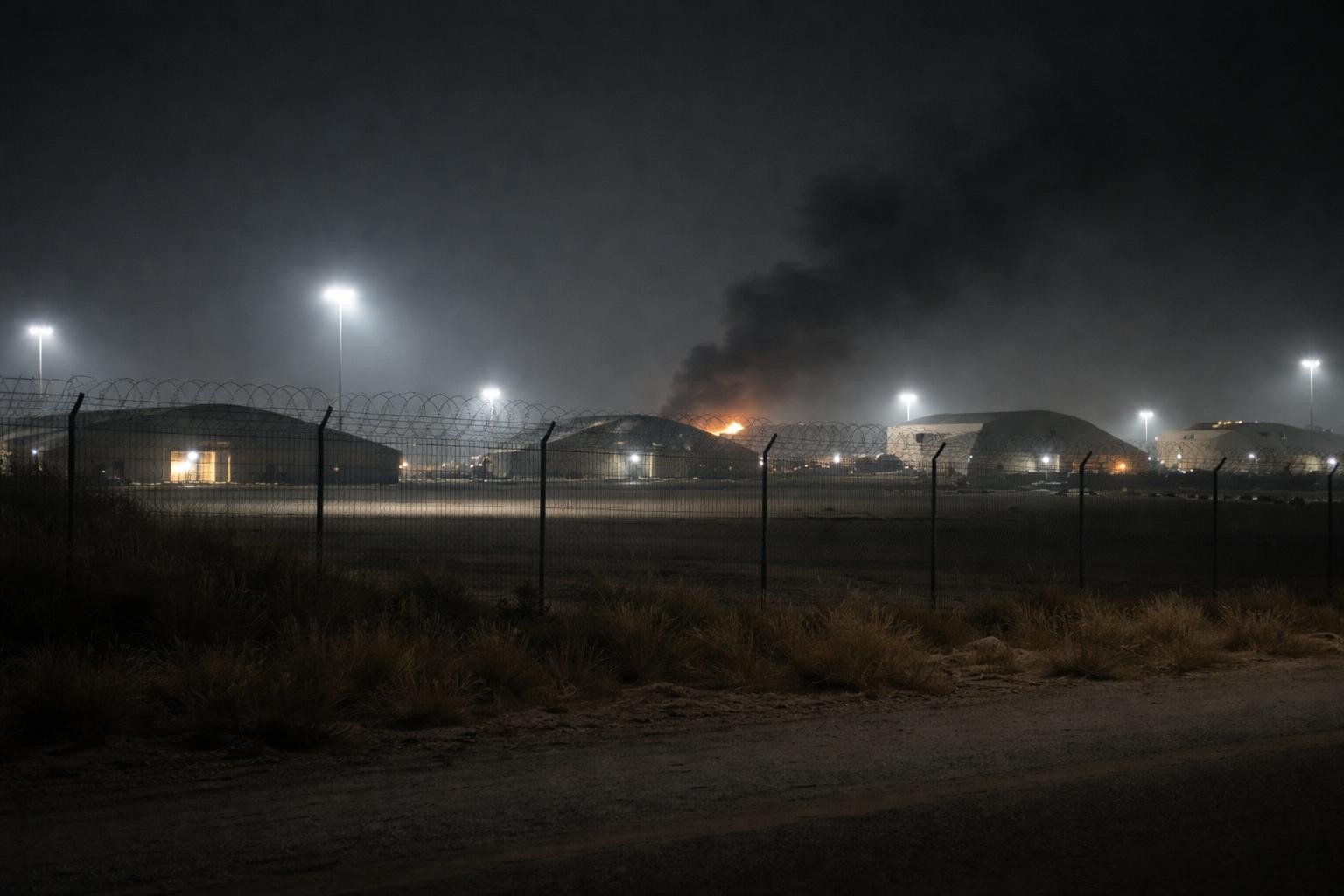
According to the New York Times, in the period before a US-Israeli military campaign against Iran that began in late February, the Pentagon repositioned some personnel from the United Arab Emirates and Qatar to Jordan and Israel. The report said the move reflected an assessment that Jordan and Israel, being farther from Iranian territory, were relatively safer locations for US forces.
Daoud Kuttab, a journalist and columnist at Al-Monitor, told RT that US planners may have believed Jordan would offer greater safety, but argued that Iran appears to operate without clear red lines.
In parallel, President Donald Trump has publicly argued that US airstrikes in recent months have significantly reduced Iran’s missile and drone capacity. In a June interview with NBC News’ Kristen Welker, he said most Iranian drone factories and missile manufacturing areas had been “knocked out,” and claimed Iran’s arsenal had fallen to 21% of pre-war levels.
Jordan has long hosted US and partner forces supporting regional missions, and its geography between Syria, Iraq, Israel and Saudi Arabia makes it a key corridor where missiles, drones and air defense coverage intersect. That position has turned Jordan into a sensitive arena in the US-Iran shadow conflict, where attacks can probe defenses and signal intent without directly striking the US homeland.
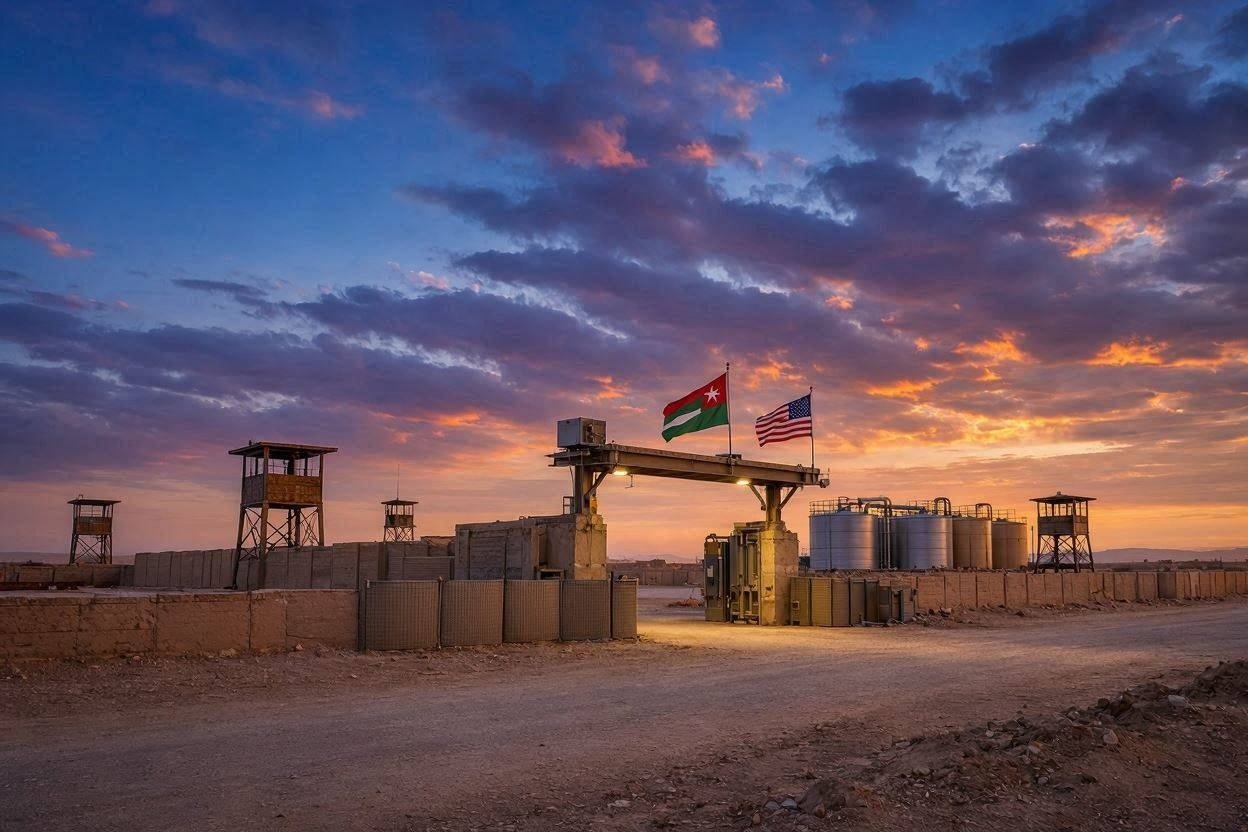
A key precedent was the January 2024 attack on the US outpost known as Tower 22 near the Syria-Jordan border. Reporting at the time highlighted how small, low flying drones can be difficult to detect, exposing gaps in low altitude base defense for dispersed sites.