US Middle East withdrawal urged as Iran influence grows
news

US Middle East withdrawal urged as Iran influence grows

By Editorial TeamJul 20, 2026 · 9:15 AM4 min read
Kent has called for Washington to prioritize de-escalation with Tehran and negotiations focused on ensuring freedom of navigation in the Strait of Hormuz
Editorial Team
Editorial Team
Joe Kent says US bases are liabilities; prioritize Hormuz shipping and diplomacy over escalation

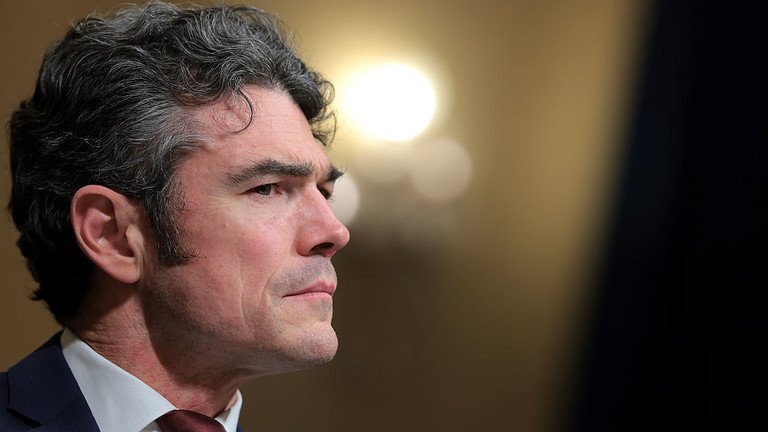
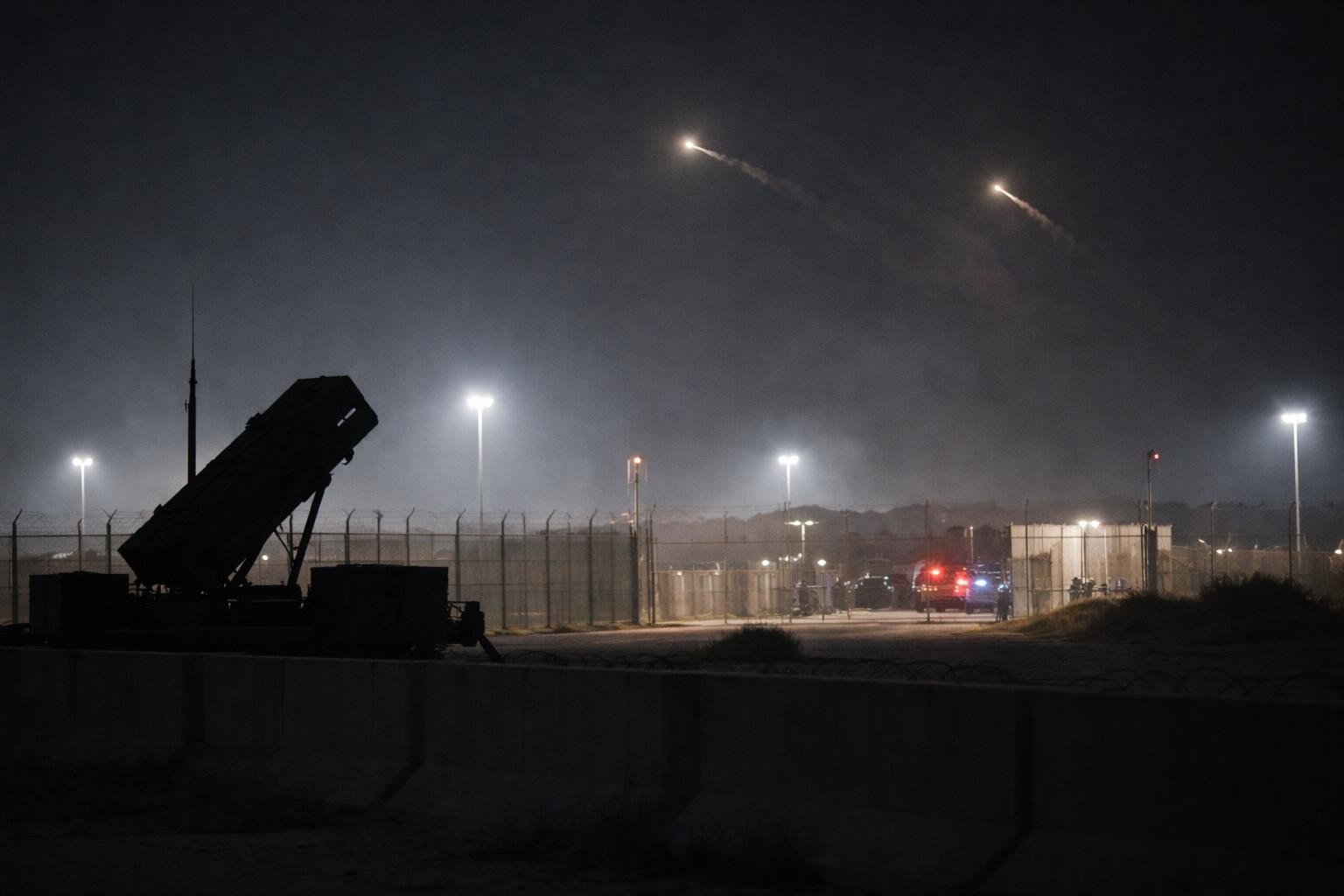
Joe Kent, who served as the Trump administration’s counterterrorism chief, has urged Washington to withdraw US forces from the Middle East and abandon American bases there, arguing that months of confrontation have reinforced Iran’s position as a major regional power. Writing on Saturday, Kent said further escalation would risk more US casualties, destabilize the region and damage both the US and global economy.

Kent’s comments come as the conflict has produced growing US military losses and heightened concerns about energy markets, particularly the security of shipping routes. His call highlights an internal US debate over whether a sustained military posture deters Iran or increases vulnerability by placing personnel and infrastructure within range of attack.

Key Points From Kent’s Proposal

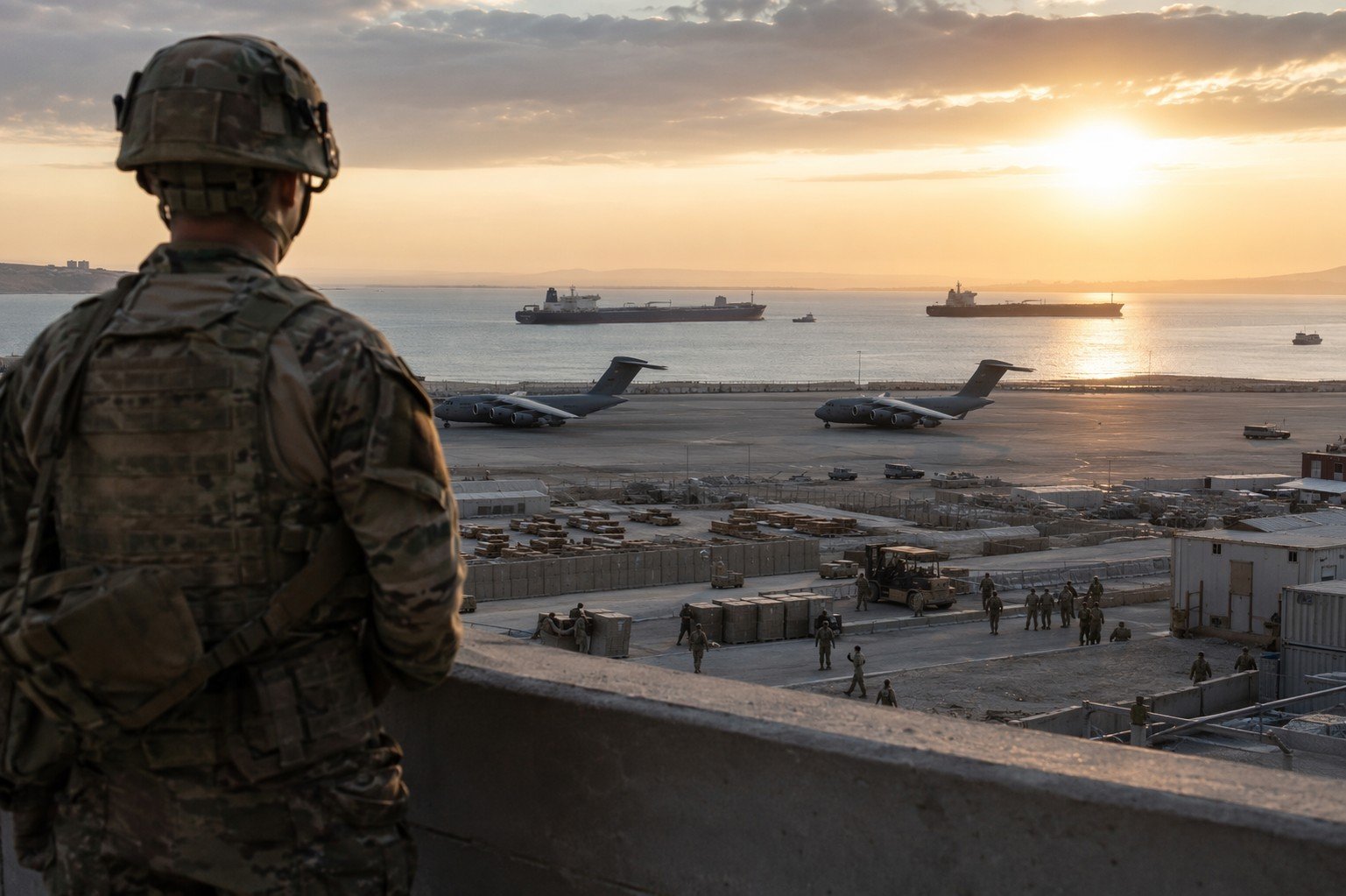
  • Kent said the US should remove its “troops, bases, and naval forces” from the Middle East, arguing American installations have become “liabilities and relics of the past.”
  • He wrote that there is “no military solution” and warned that continued hostilities could lead to additional American casualties and broader regional destabilization.
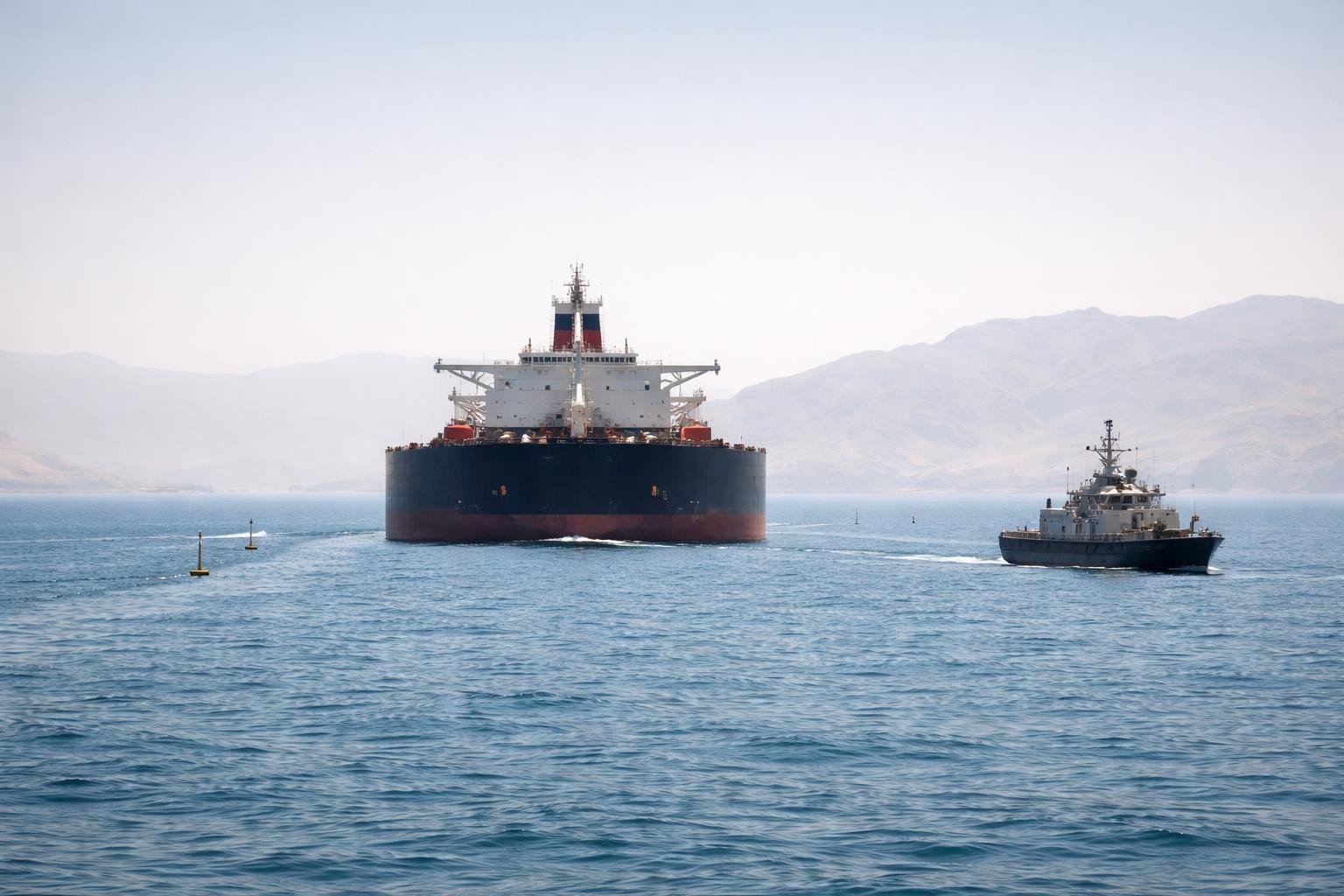
  • He urged Washington to focus on ending the conflict with Tehran and restoring the free flow of oil and liquefied natural gas through the Strait of Hormuz, which carries around 20% of global shipments.
  • He proposed pairing a US drawdown with a diplomatic offer of sanctions relief in exchange for freedom of navigation in the Strait of Hormuz.
  • He argued that the US should adjust its posture to reflect what he described as Iran’s emergence as a major regional power.

Resignation and Broader Criticism of the War

Kent, a former Green Beret and CIA paramilitary officer who served 11 combat tours, resigned in March in protest against the war with Iran. In his resignation letter, he wrote that Iran posed no imminent threat to the United States and warned against another “never-ending” conflict that he said did not serve American interests.

Since leaving office, Kent has continued to speak publicly against the war, portraying it as part of a broader pattern of US conflicts he believes have been fought on Israel’s behalf, including those in Iraq and Syria. He has argued that in a “chaotic situation,” the side that restores order gains the advantage, and has framed his proposed withdrawal as a form of “strategic adaptation” rather than a retreat.

Kent previously led the National Counterterrorism Center, the post-9/11 hub for coordinating and analyzing terrorism threats across US agencies, before resigning in mid-March 2026 as the Iran war intensified.

His call to pull US forces back fits a long-running Washington debate sharpened after Iraq and Afghanistan: whether forward deployments deter adversaries and reassure partners, or instead function as tripwires that increase escalation risks and pull the United States into open-ended regional wars.


Jeo Kent

Casualties and Risks to Regional Shipping

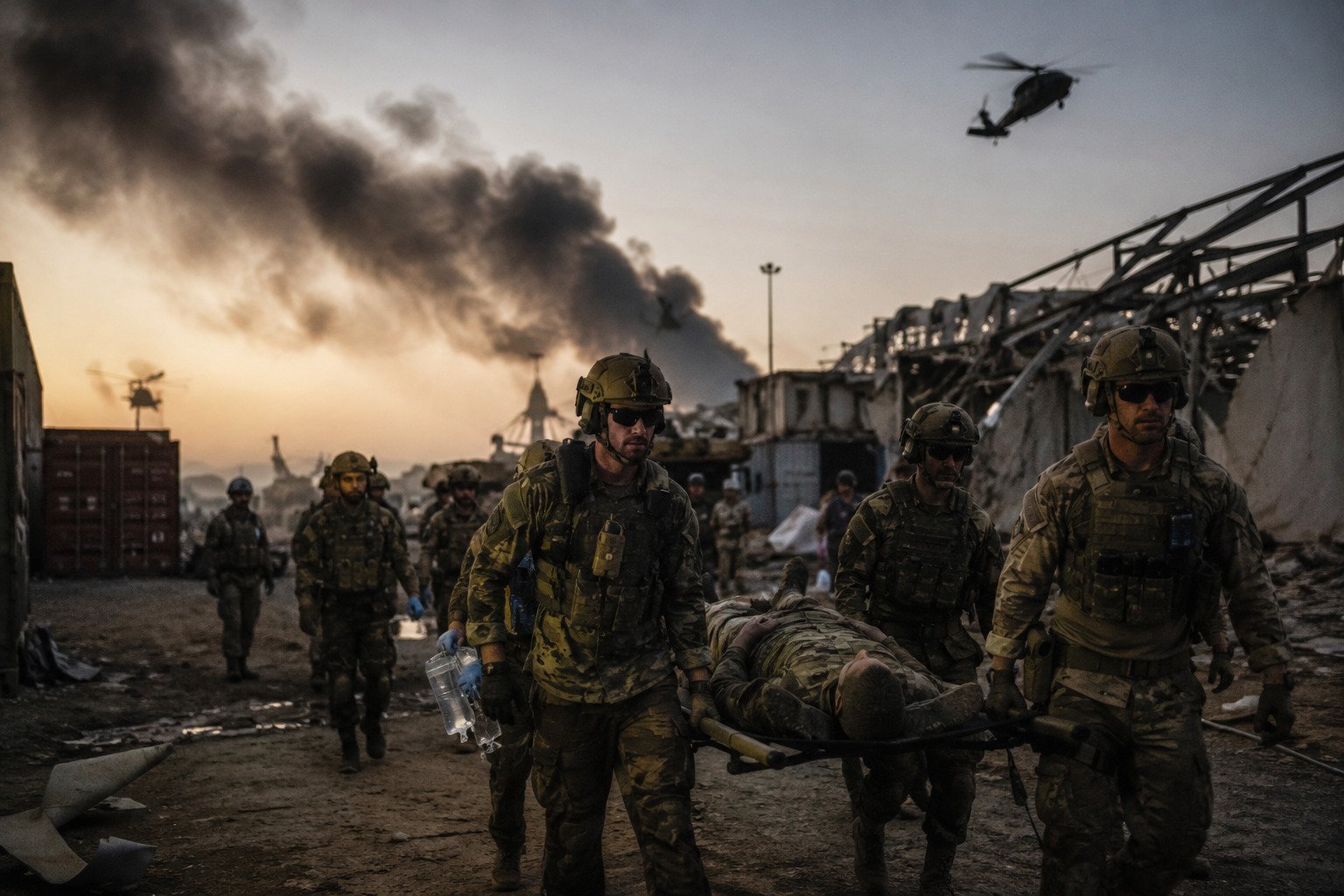
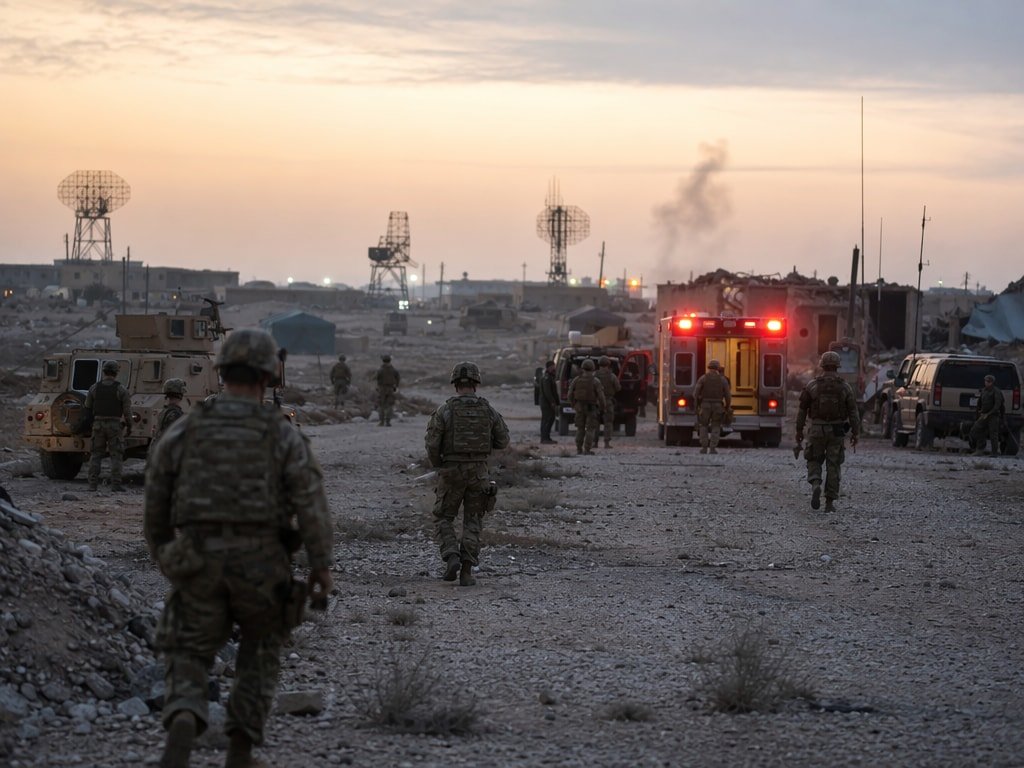
Kent’s remarks followed reported deaths of US service members during the conflict. At least two US troops were killed in an Iranian strike in Jordan, and another died in Iraq during what was described as a “controlled detonation” of ordnance from a downed Iranian drone.

Those incidents brought the officially confirmed US military death toll from the five-month conflict to 17, with more than 430 service members wounded. Kent argued that removing US forces from the region would reduce the number of potential targets for Iran and, in his view, undermine Tehran’s justification for disrupting commercial shipping and attacking neighboring states.

Trump signaled conflicting messages on the US military footprint after the fighting: he told Reuters the United States would be “out” of Iran “pretty quickly” but also said forces and assets would remain in the Middle East until a peace deal is reached, with a warning of renewed escalation if diplomacy fails.

Analysts cited by Reuters have argued that even after battlefield damage, Iran can retain coercive leverage through its geography and its influence over risks around the Strait of Hormuz, a pressure point for energy markets and commercial shipping.

What Happens Next

No policy change was announced alongside Kent’s comments, and his recommendations do not reflect an official shift in US strategy. The conflict remains ongoing, with US casualties and regional security risks still being reported.

Kent has called for Washington to prioritize de-escalation with Tehran and negotiations focused on ensuring freedom of navigation in the Strait of Hormuz, while linking any diplomatic incentives to concrete commitments on shipping security.

MORE LIKE THIS

Comments (0)

Leave a comment

A verified Gmail account is required to post comments.

No comments yet. Be the first to share your thoughts!