Official Messaging and Public Narratives
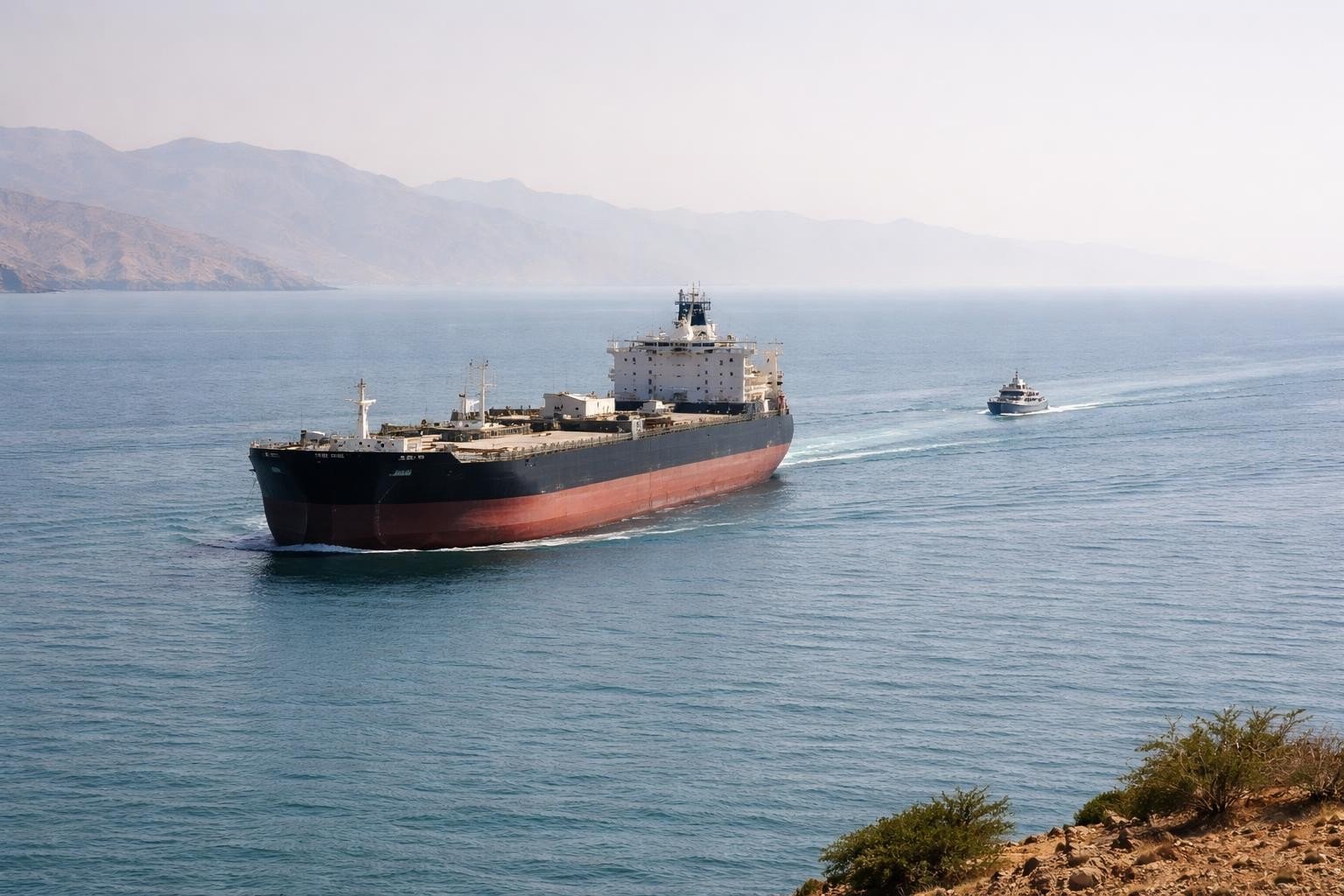
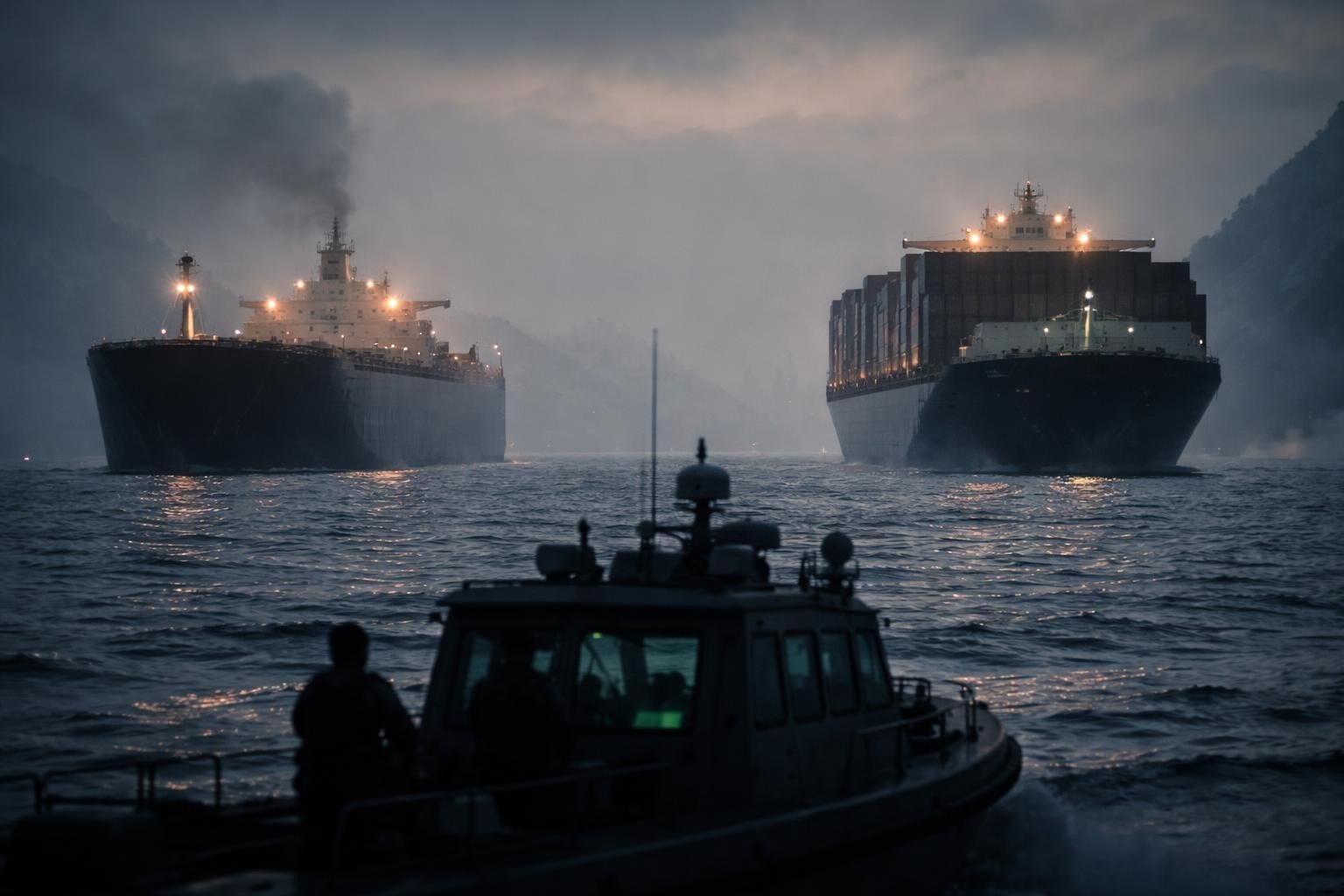
Iranian officials’ statements following Khamenei’s Saturday directive also came as senior US officials, briefing media anonymously in Washington, sought to attribute the Hormuz escalation to an “errant” hardline faction inside Iran that they said was trying to obstruct negotiations.
Iran’s state-linked Khorasan newspaper published an editorial on Sunday interpreting Khamenei’s message as drawing a line between permissible dissent and destabilising attacks, arguing that “criticism is accepted, but never accusations” against officials. The editorial addressed hardline activists directly, calling the message an ultimatum and urging them to stop spreading false claims about authorities.
In an interview released Sunday, Foreign Minister Abbas Araghchi reiterated support for a negotiated end to the war. He said earlier diplomacy could have prevented major losses, adding: “If we had reached the [April] ceasefire 10 days earlier, we still had Larijani, Khatib, Asaluyeh and Foolad Mobarakeh,” referring to assassinated security chief Ali Larijani, intelligence minister Esmail Khatib, and heavily bombed petrochemical facilities and steel plants.
IRGC supreme leader representative Abdollah Haji Sadeghi publicly warned against factional disputes that undermine “sacred unity” and defended Iran’s negotiators amid growing attacks on the government’s approach. In a separate statement reported on July 18, Khamenei accused the US of breaching understandings and described Donald Trump’s signature as “worthless,” reinforcing a narrative that external bad faith, not internal compromise, drove the deterioration.