Regional escalation and target countries
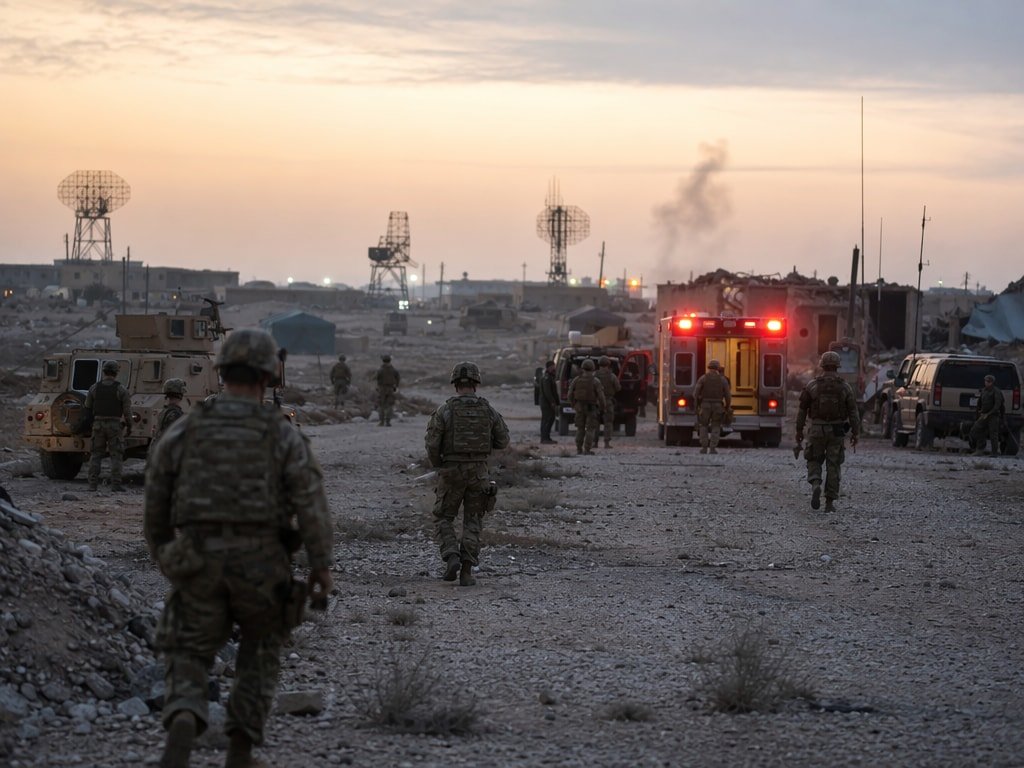
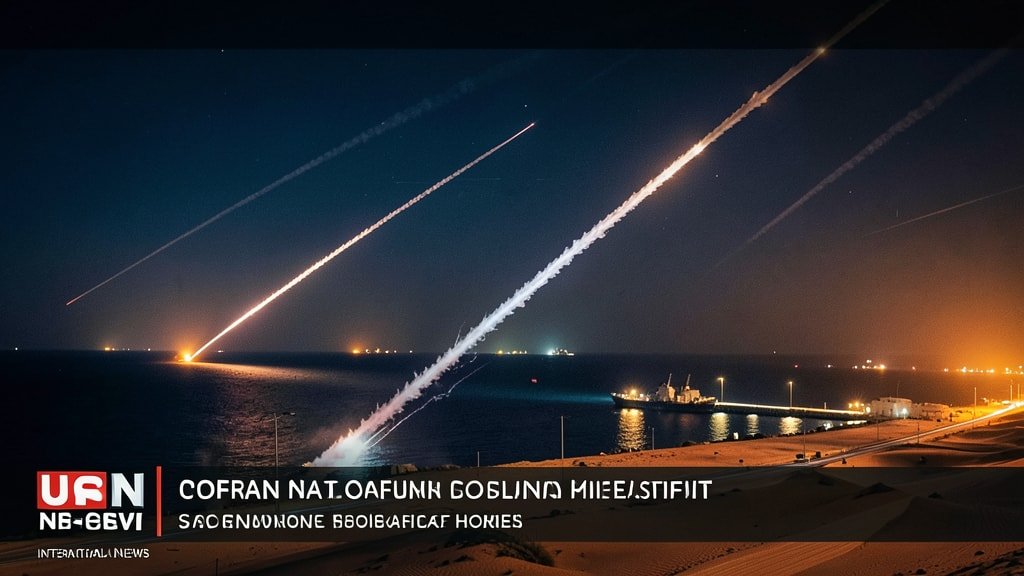
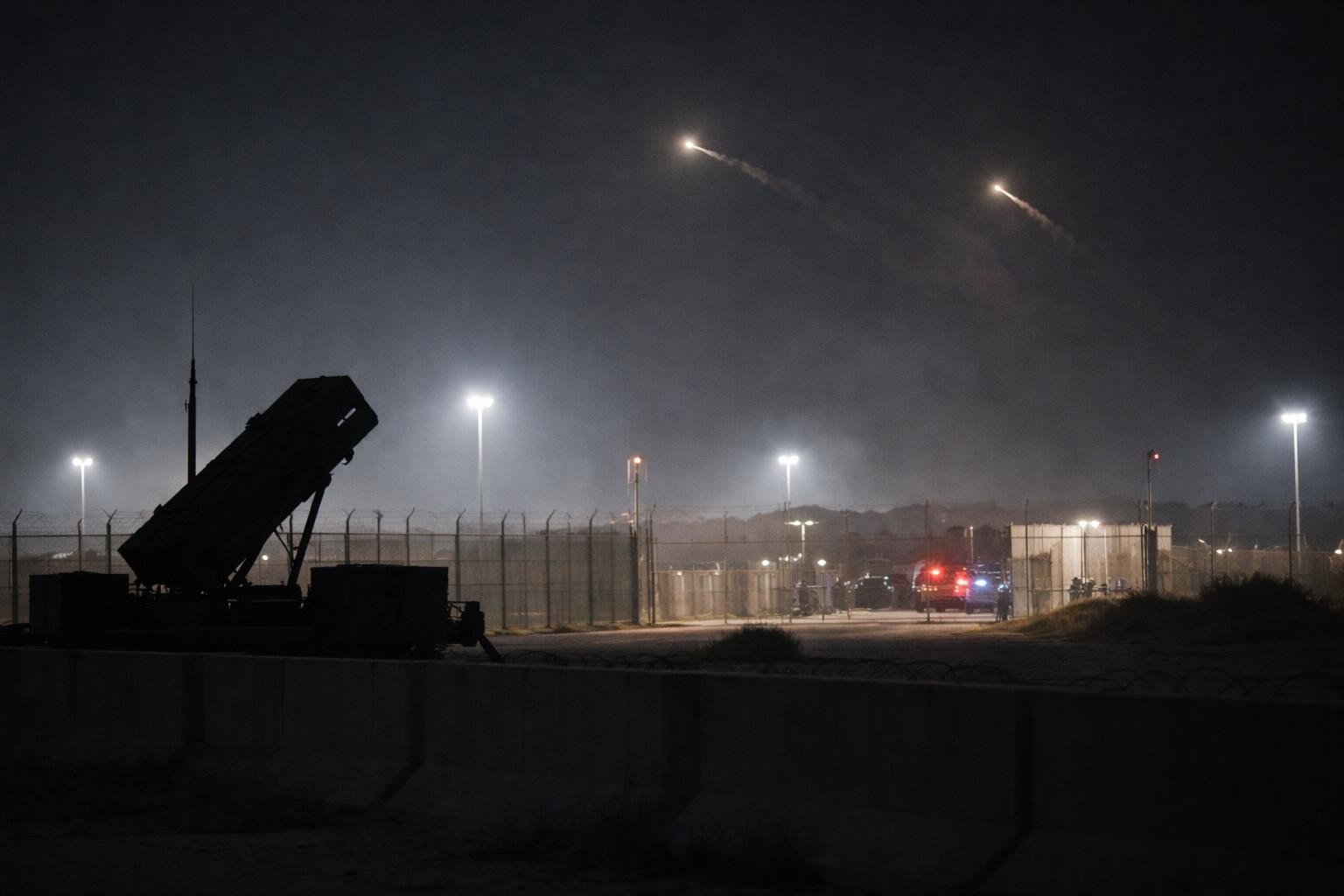
Iran has carried out missile and drone attacks over the past week against US military facilities and locations used by US forces in Jordan, Kuwait, Bahrain, Qatar, Oman, Iraq, and Syria. Tehran has framed the strikes as retaliation for renewed US attacks on Iranian territory.
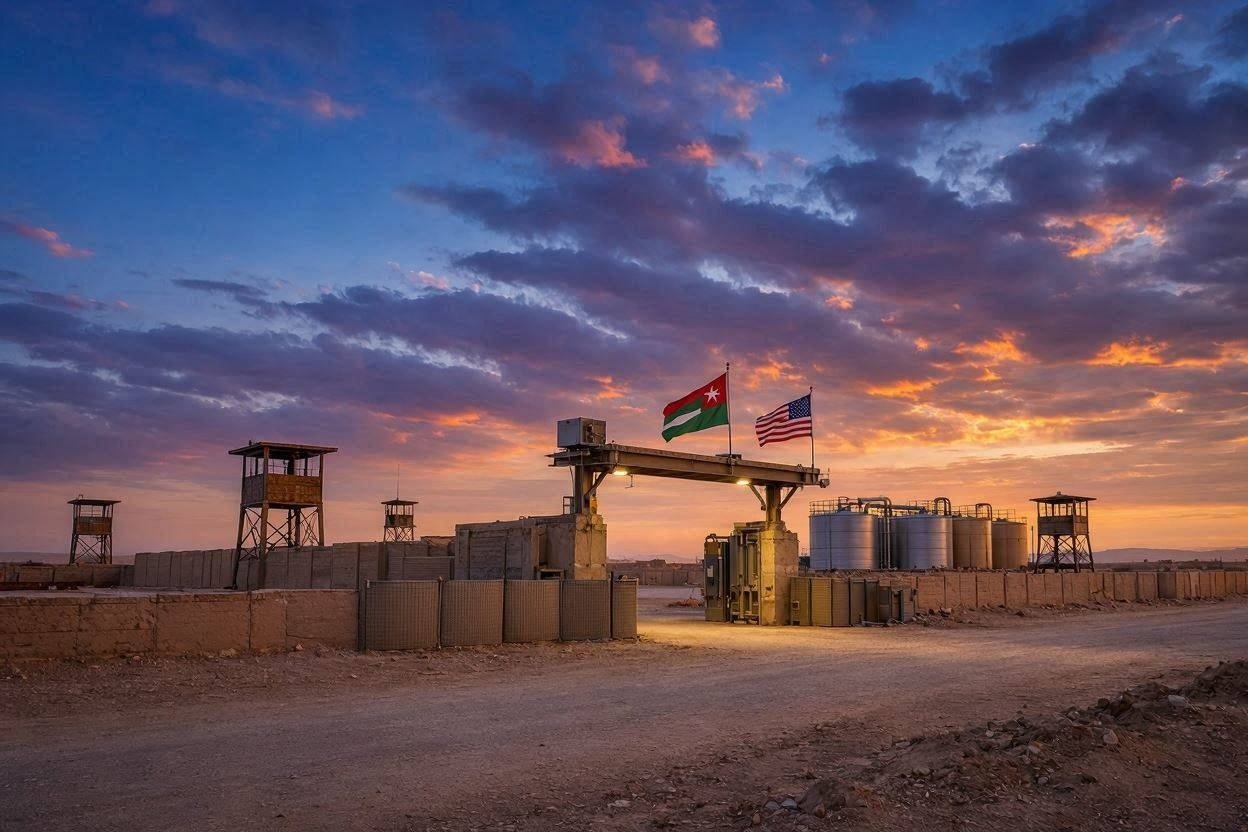
Jordan hosts military installations from which US warplanes routinely operate, although Washington does not publicly disclose all facilities used by its forces. The lack of public detail on basing arrangements can complicate independent verification when incidents occur, particularly when officials speak anonymously and governments withhold operational specifics.
Separately, the Islamic Revolutionary Guard Corps (IRGC) earlier this week issued a public appeal to the people of Jordan and Kuwait to oppose the use of their countries as launchpads for attacks on Iran, describing Jordan as sacred land that should not host foreign forces and urging resistance against the US military presence.
Jordan’s role as a US security partner has made it a key logistics and training hub for missions tied to Iraq and Syria, particularly after the Syrian civil war and the rise of ISIS. That overlap of US deployments and Iran’s regional network of partners has repeatedly created flashpoints in areas where both sides operate in close proximity.
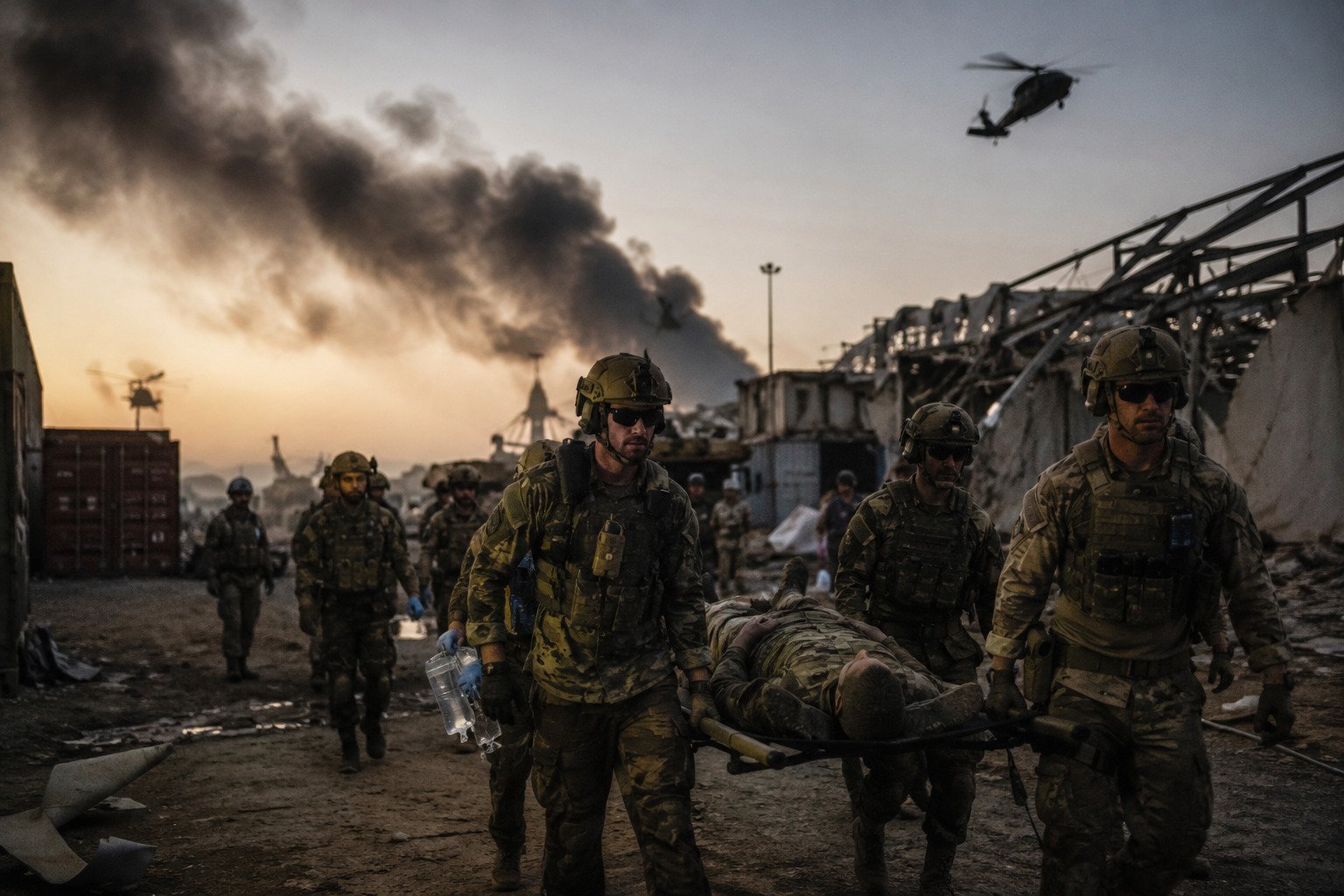
The current strikes also follow an earlier, officially acknowledged incident in Jordan: on January 28, 2024, a drone attack near the Syria border killed three US service members and wounded at least 25, as announced by US Central Command. That event underscored how attacks in or near Jordan can quickly raise pressure for a US response.