How the Current Escalation Developed
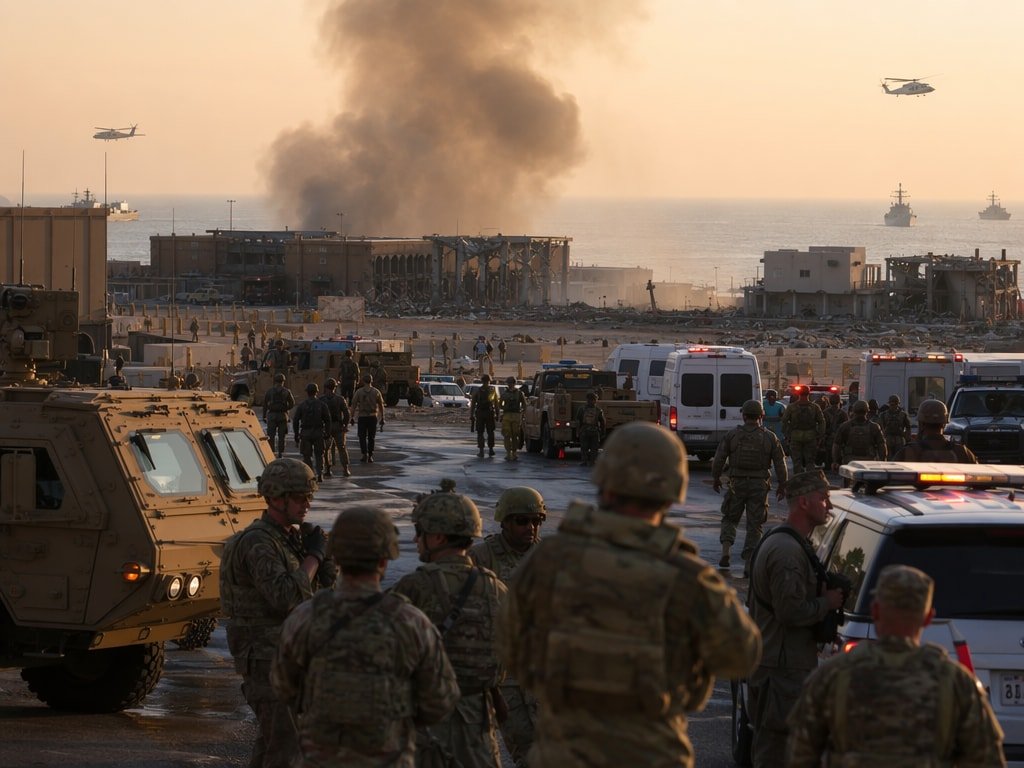
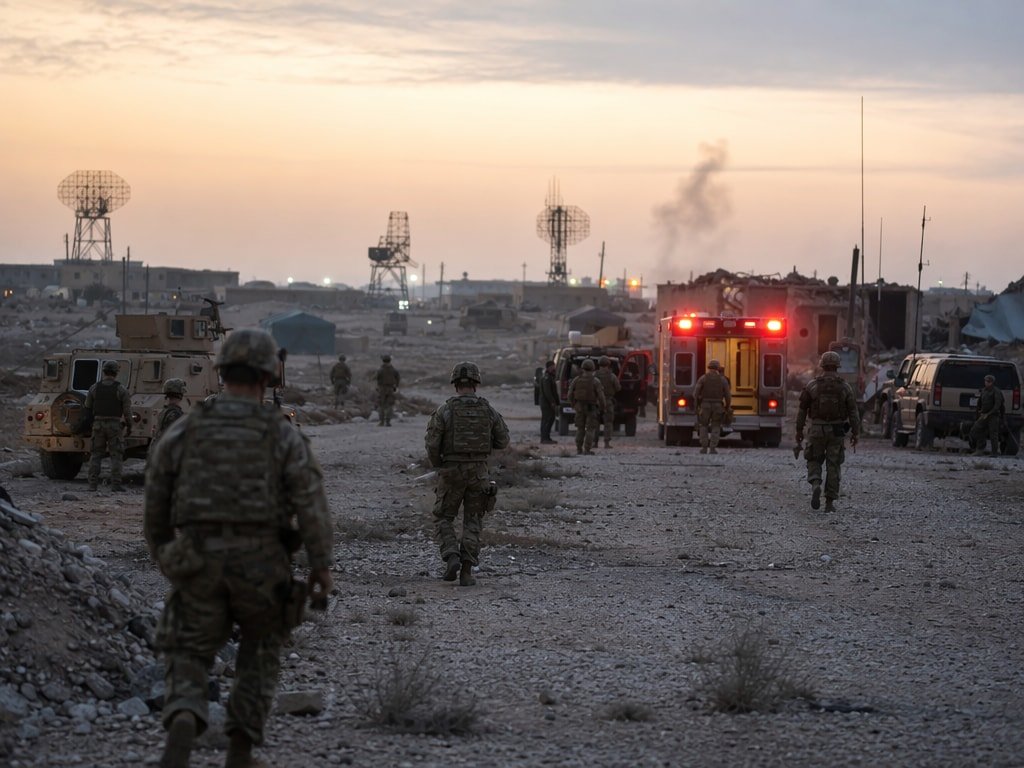
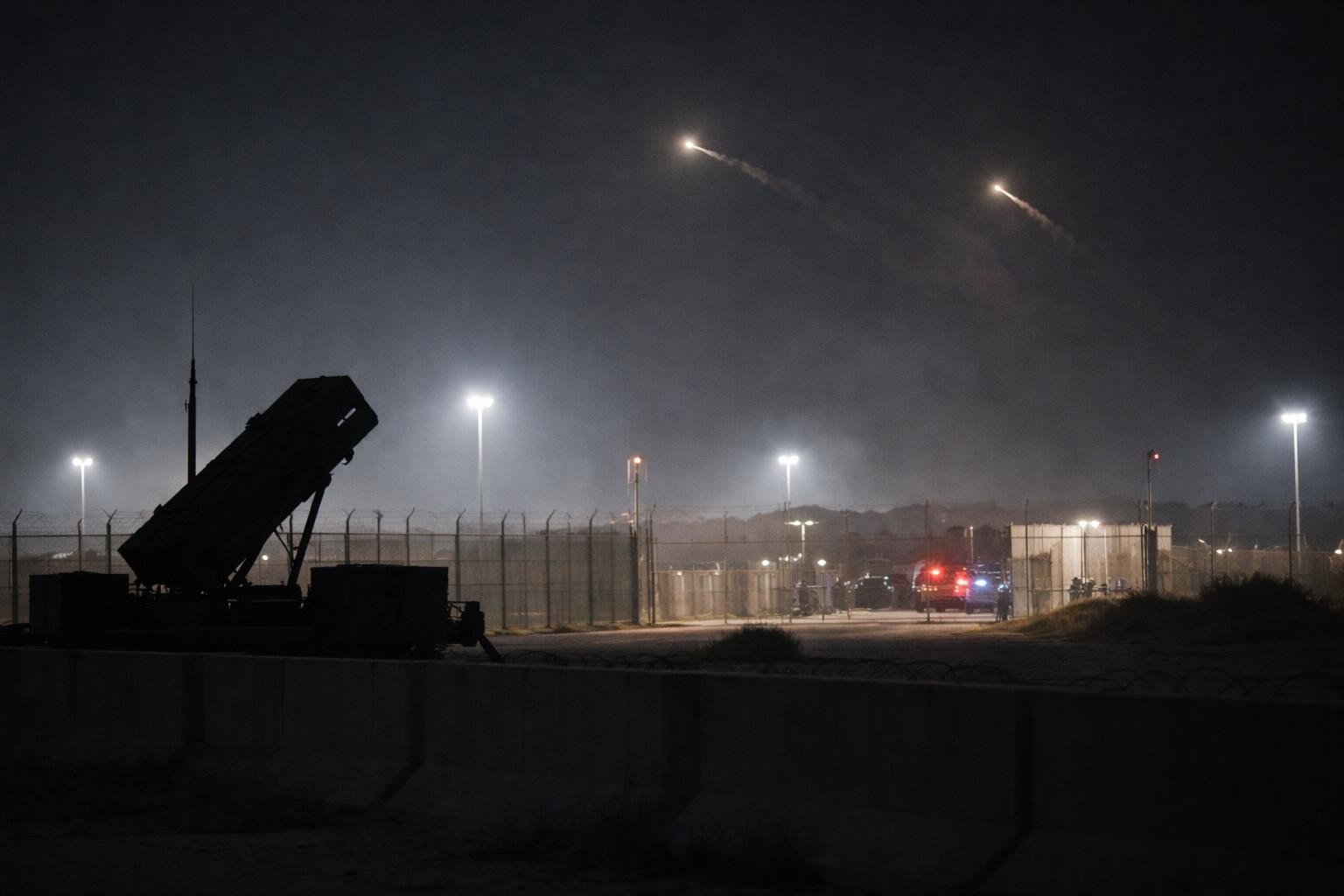
The IRGC statement links the latest strikes to a broader conflict it says began after the US military carried out nine consecutive nights of aerial assaults on Iran, which it said hit civilian sites. Iranian armed forces, according to the same account, then launched reprisal attacks on what it described as strategic US targets across West Asia.
The statement also lays out a timeline in which the United States and Israel launched what it called an illegal war of aggression against Iran on February 28, followed by a ceasefire on April 8, forty days later. It further said Tehran and Washington signed a Pakistan-brokered Memorandum of Understanding on June 17 to end hostilities and prepare for further negotiations, but accused Washington of violating the agreement’s provisions.
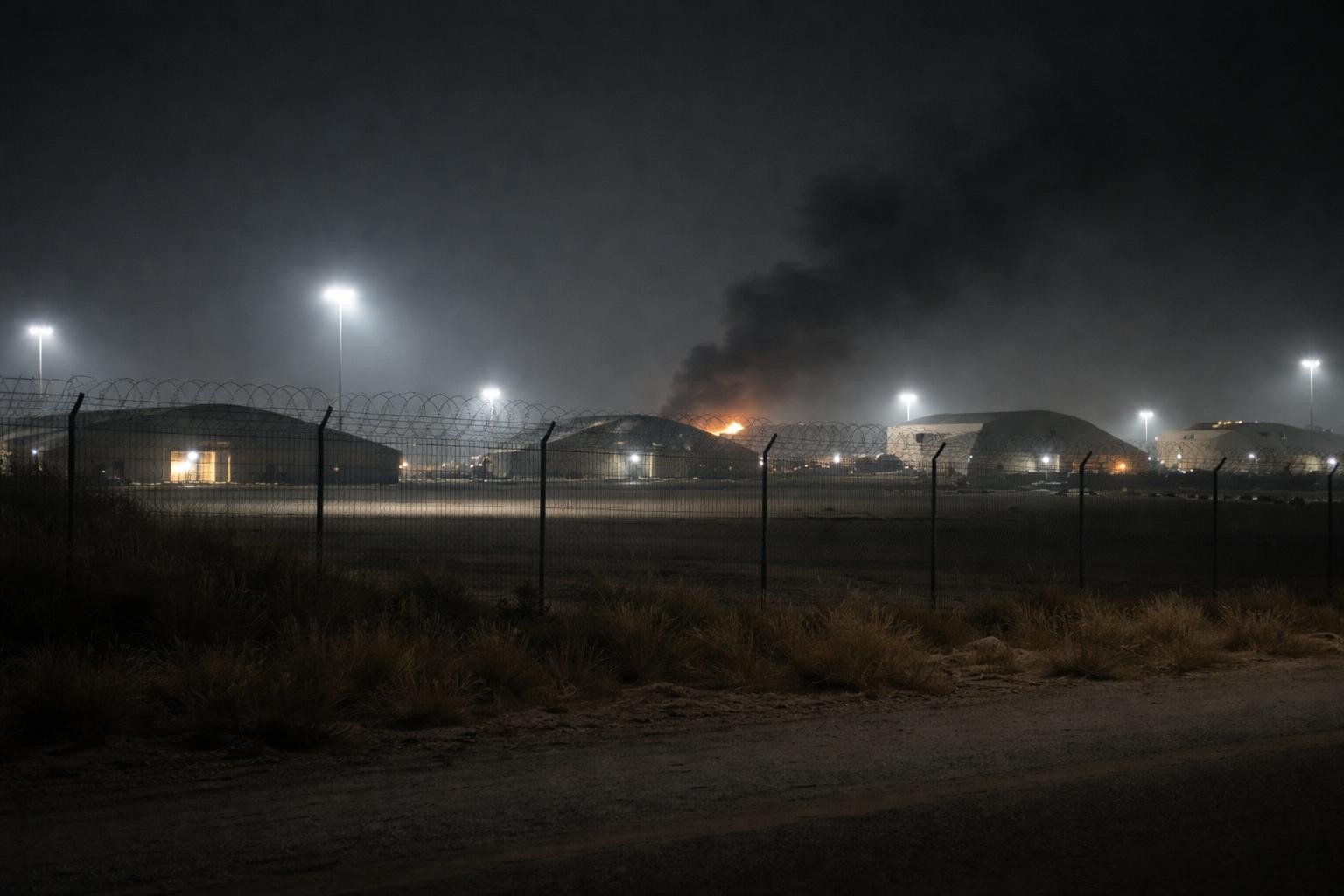
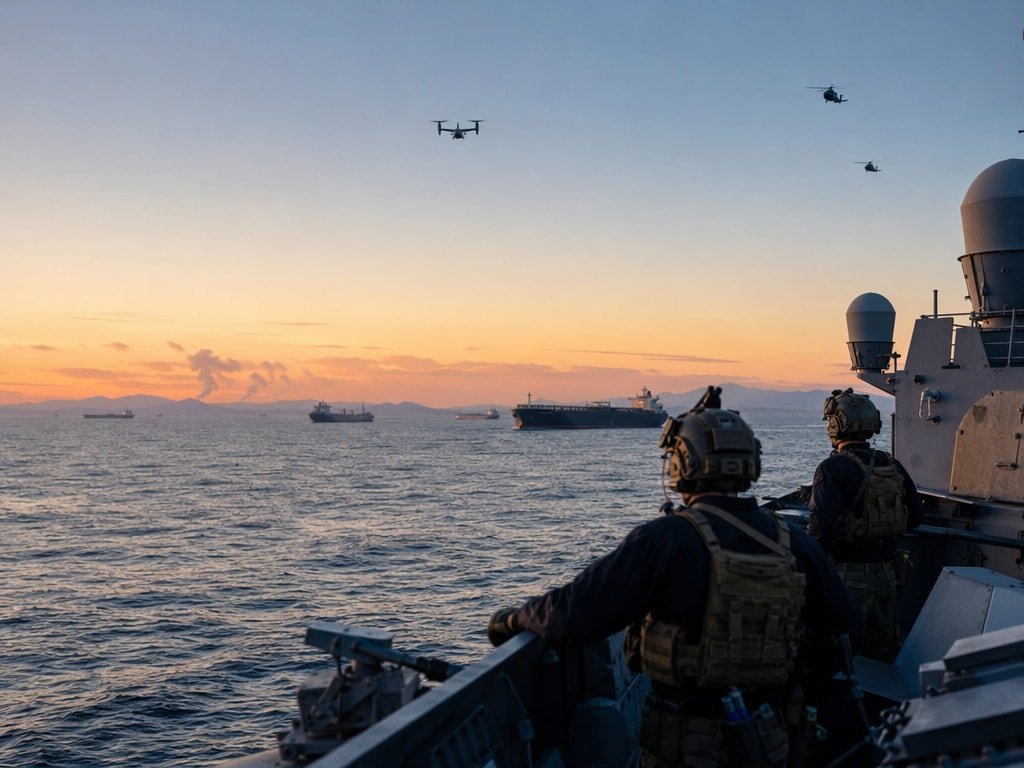
Bahrain and Kuwait are long-standing hubs for the US military’s Gulf posture, with Bahrain widely linked to the US Navy’s Fifth Fleet presence and Kuwait hosting major logistics nodes used by US forces. Because these facilities sit close to the Persian Gulf, they often become focal points in periods of Iran-US escalation, when threats and heightened air-defense readiness spread across host countries.