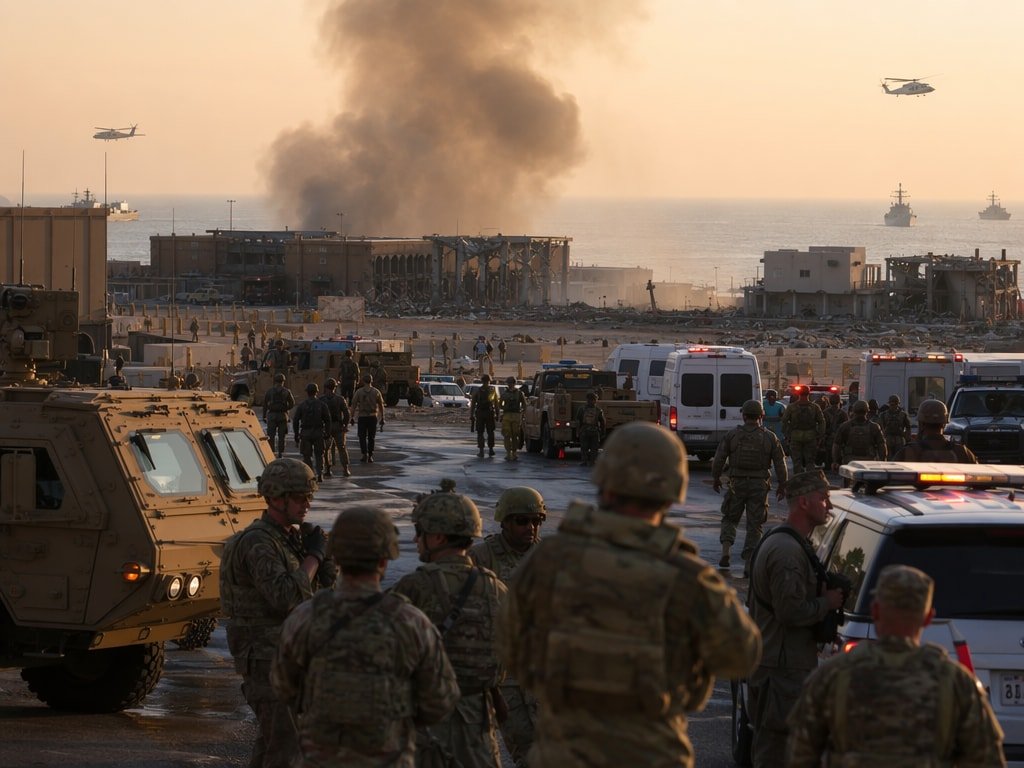
Rising risk to shipping and regional spillover
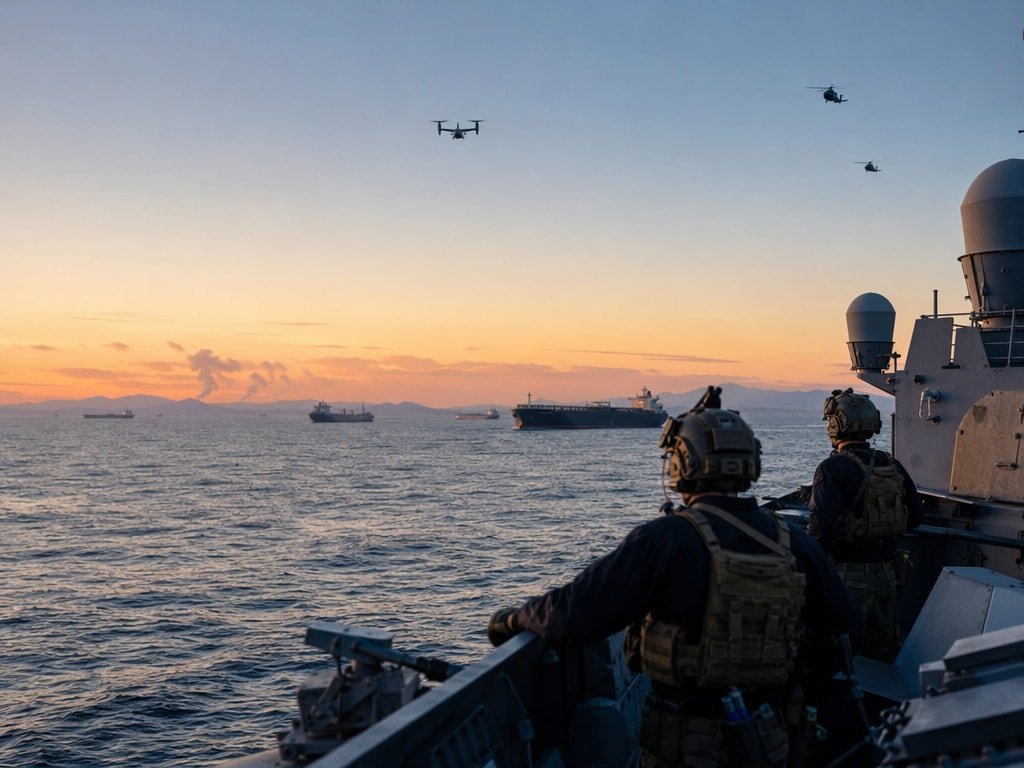
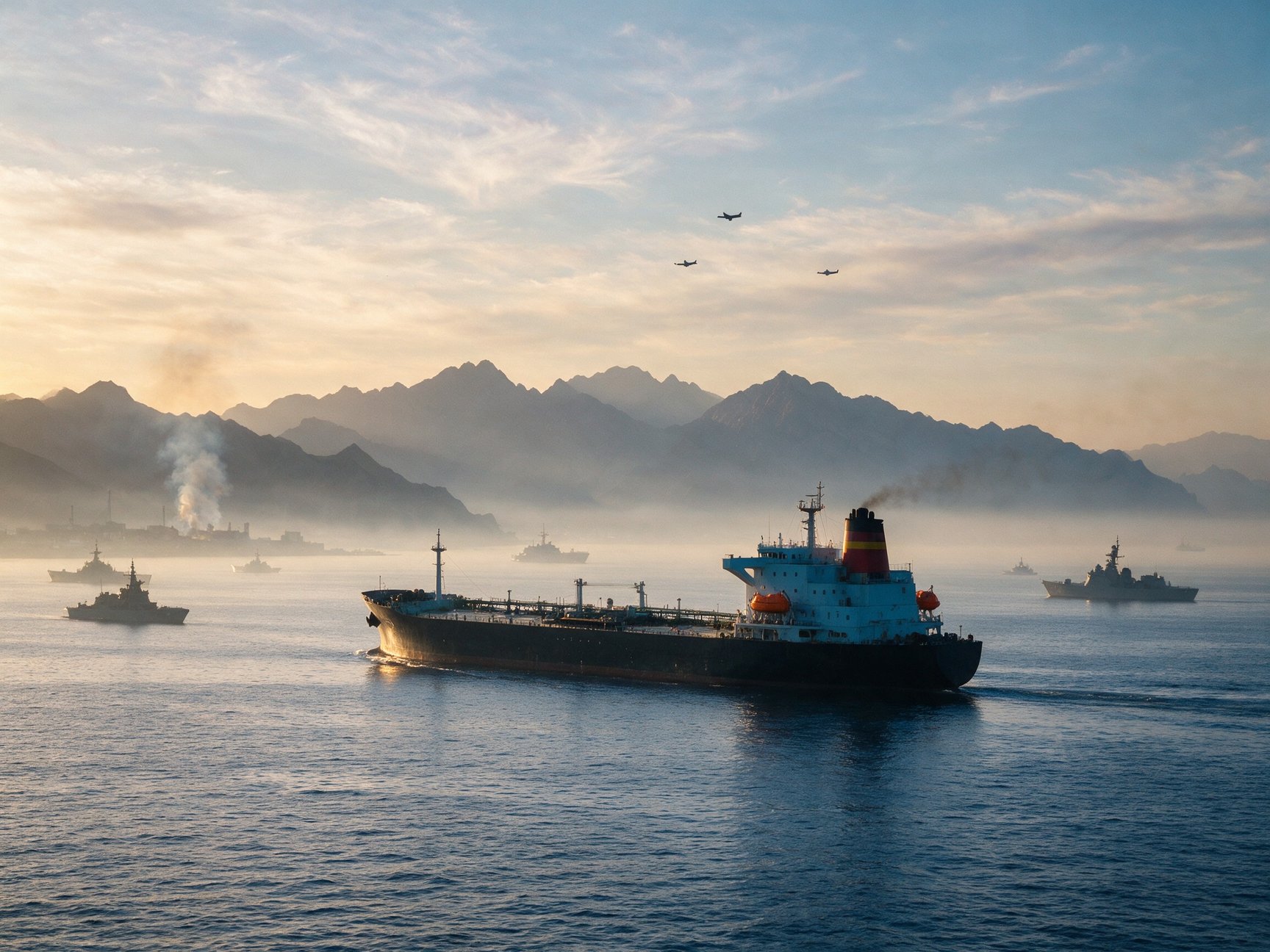
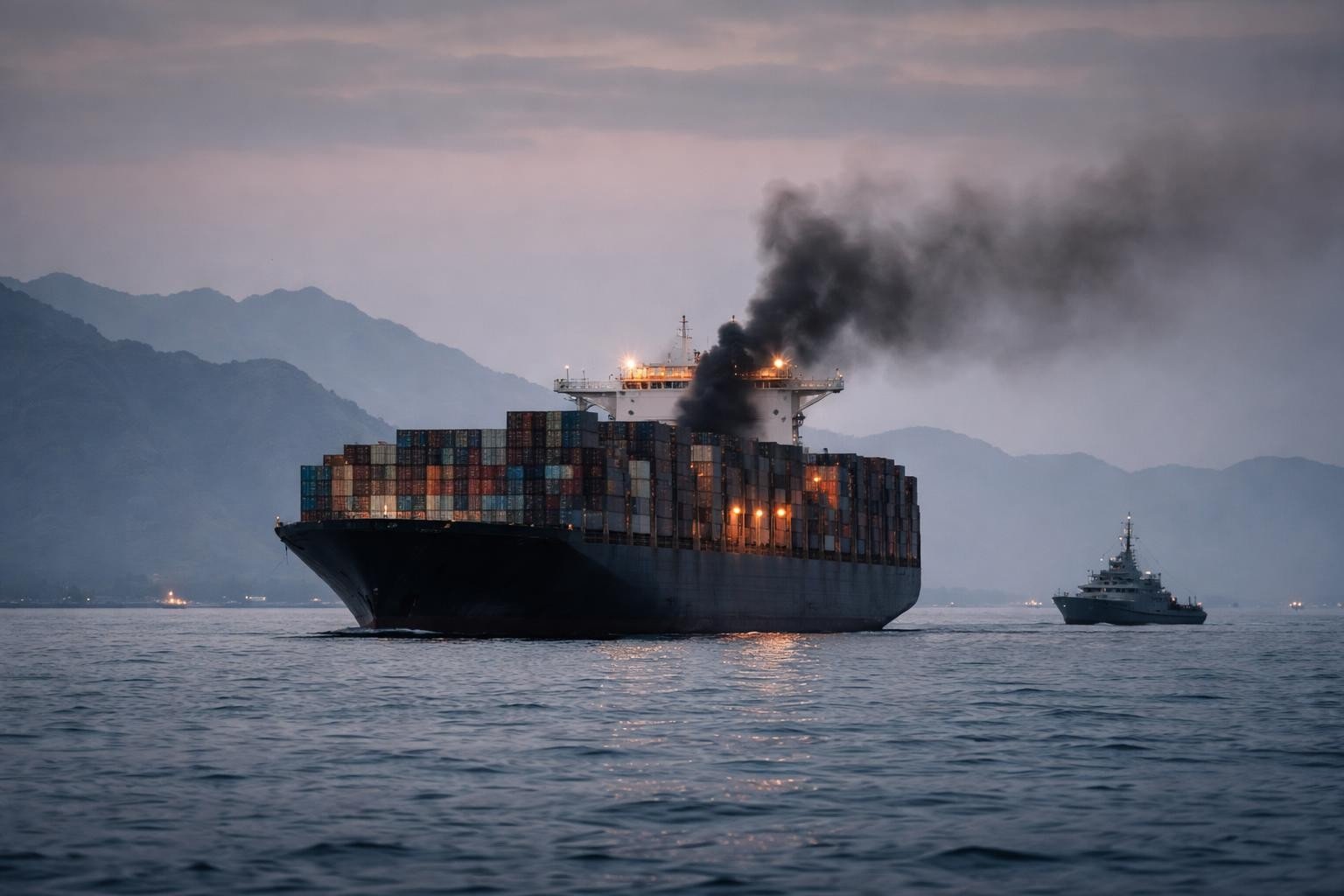
The latest bombardment follows a series of attacks and counter-claims around the Strait of Hormuz, a crucial corridor for global energy shipments. On Monday, two Greek-owned oil tankers in the strait were struck, and the United Kingdom Maritime Trade Operations reported that another tanker was hit off the coast of Oman near the port city of Limah, prompting the crew to abandon the vessel.
Early Tuesday, the IRGC said two additional oil tankers attempting to “pass through the unsafe southern route in the Strait of Hormuz” suffered explosions and “massive fires,” framing the incidents as part of escalating maritime insecurity during the conflict.
The confrontation has also intersected with separate tensions in Yemen, where the pro-Iranian Houthi movement has declared a blockade on Saudi Arabia, raising concerns that the Yemeni conflict, relatively quiet for four years, could intensify again and threaten shipping in the Red Sea.
The Strait of Hormuz has long been a flashpoint in US-Iran confrontations because it is a narrow chokepoint linking the Persian Gulf to open seas, and disruptions there can quickly reverberate through global energy markets. The latest escalation has also revived concerns about wider “chokepoint” spillover, including threats to shipping routes near Bab el-Mandeb at the southern entrance to the Red Sea.
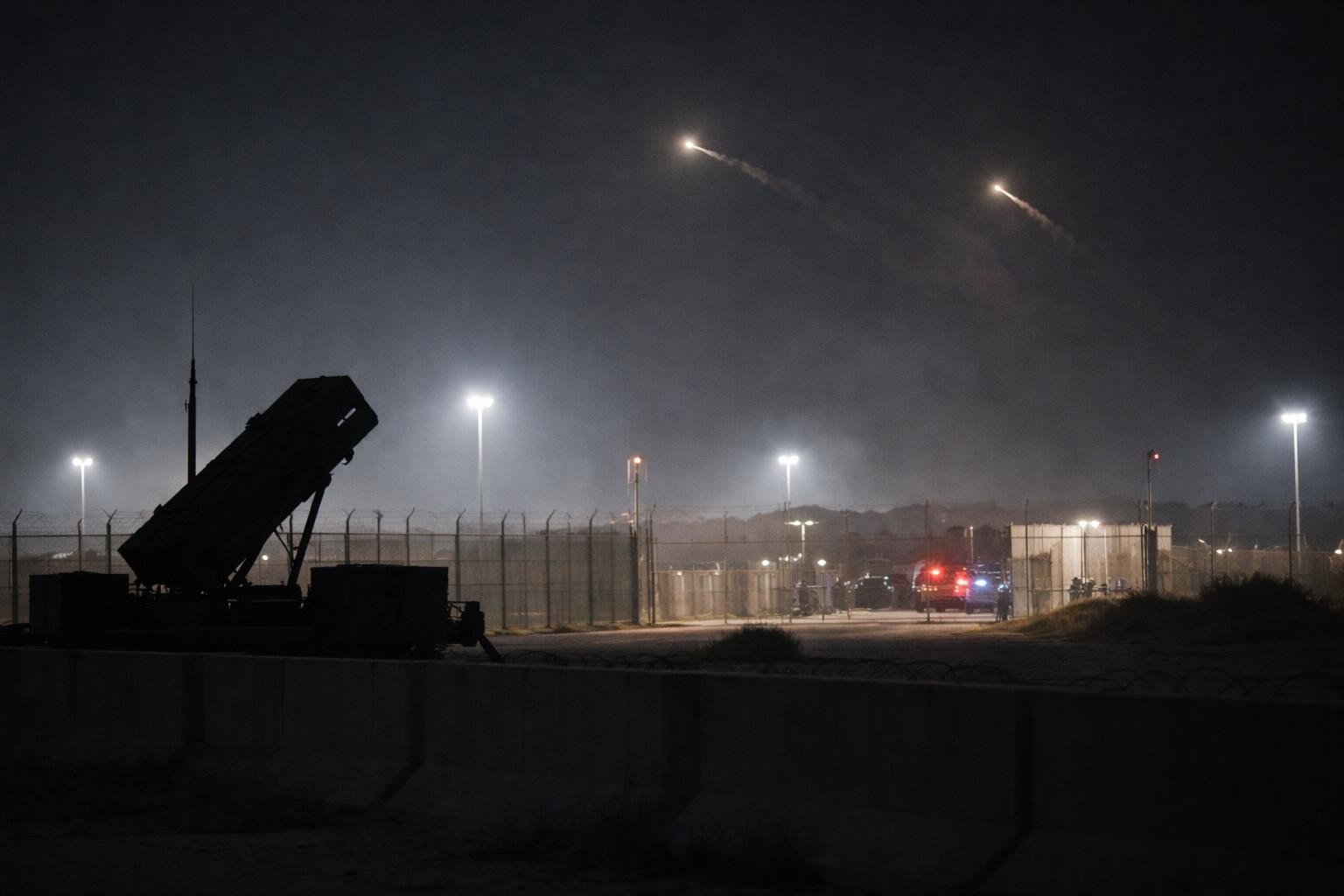
AP reported that the current July 2026 fighting resumed after a previously described interim ceasefire collapsed, leading to a sustained US air campaign. Analysts have noted that a multi-night strike tempo signals an effort to systematically degrade Iranian capabilities rather than deliver a single punitive blow.