

Iran Supreme Leader Khamenei: US Peace Deal Requires Israel to End Lebanon Attacks
news

Iran Supreme Leader Khamenei: US Peace Deal Requires Israel to End Lebanon Attacks

By Editorial TeamJul 27, 2026 · 5:39 AM3 min read
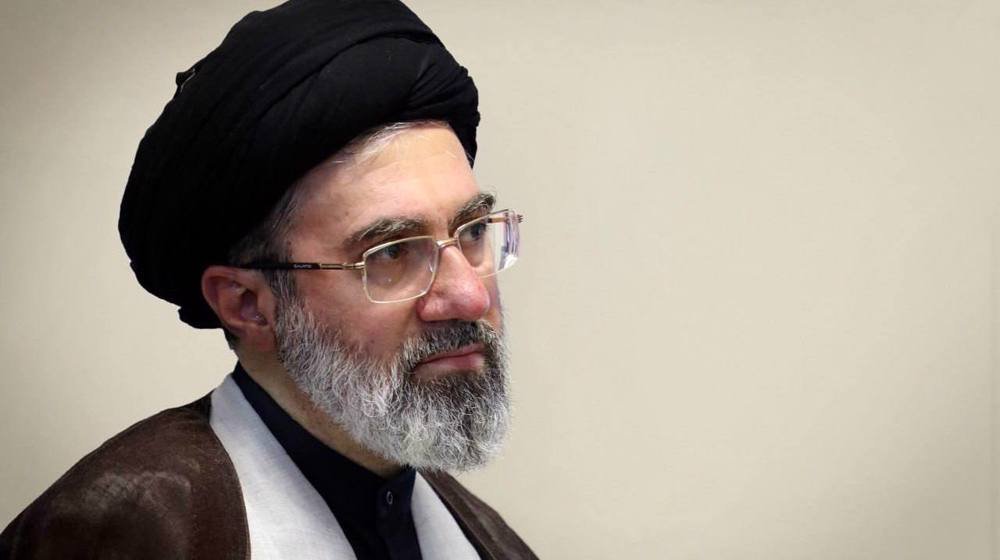
Leader of the Islamic Revolution Ayatollah Seyyed Mojtaba Hosseini Khamenei
Editorial Team
Editorial Team
Mojtaba Khamenei sets preservation of Lebanon's territorial integrity and an unconditional halt to Israeli aggression as prerequisites for any Tehran-Washington agreement.

Iranian Supreme Leader Mojtaba Khamenei stated on Sunday that peace between Tehran and Washington is conditional on Israel ceasing its military operations against Lebanon. He made the declaration in a series of posts on X, framing the demand as Iran's primary condition for ending hostilities with the United States.

The statement carries significant weight as it comes during a fragile pause in strikes and renewed diplomatic efforts between Iran and the United States. A memorandum of understanding signed in June, which included Lebanon-related conditions, has since collapsed over a dispute concerning the Strait of Hormuz, leaving the path to de-escalation uncertain.

Khamenei's Core Demands

Khamenei wrote that Iran "has designated the preservation of Lebanon's territorial integrity, and the absolute, unconditional termination of the Zionist regime's aggression as the primary condition for any agreement to ending the imposed war against the aggressive US." He also expressed solidarity with Hezbollah, its former leader Hassan Nasrallah, and the people of southern Lebanon, stating that "the Islamic Republic of Iran considers the defense of these oppressed yet powerful mujahideen to be its strategic mandate."

Tehran had previously enshrined the demand for Israel to halt strikes on Lebanon as the first clause of the memorandum of understanding it signed with Washington in June. That agreement has since fallen apart amid tensions over the Strait of Hormuz.
How Lebanon Entered the Conflict

Lebanon was drawn into the broader regional conflict in March when Hezbollah launched strikes on northern Israel. The group cited two triggers: the killing of then-Supreme Leader Ali Khamenei on February 28, the first day of the US-Israel war on Iran, and Israel's near-daily bombardment of Lebanese territory. Hezbollah maintains that those Israeli attacks violated a ceasefire that had ended a previous round of hostilities in 2024.

On June 26, following the US-Iran memorandum, Lebanon and Israel signed a US-mediated framework agreement that outlined a phased Israeli withdrawal from occupied Lebanese territory. However, the deal contained no withdrawal timetable and stated that Israel would pull back only once Hezbollah is disarmed. Iran and Hezbollah, neither of which participated in the talks, rejected the framework.

Criticism of the Framework and Ongoing Violence

Ziad Abu Rish, associate professor of Human Rights and Middle Eastern Studies at Bard College in New York, described the US-mediated deal as "lop-sided," telling Al Jazeera that "one of the big criticisms is that it defers to Israel's preferences for how most things are going to play out … it reframed the issue in Lebanon from Israeli aggression to one of Hezbollah's presence."

As of Sunday, the Lebanese army reported that Israeli forces were obstructing the first phase of withdrawal from three designated "pilot zones." Israeli troops continued bulldozing, shelling, and conducting combing operations with machine guns across large areas of occupied southern Lebanese territory. At least 4,329 people have been killed in the latest round of violence in Lebanon, along with 37 Israeli soldiers and four Israeli civilians. United Nations peacekeepers have documented more than 10,000 Israeli violations of the previous ceasefire with Hezbollah.

Current Status of Actions

Mojtaba Khamenei, the son of former Supreme Leader Ali Khamenei, was selected as supreme leader following his father's assassination by US and Israeli forces. His latest intervention comes as the conflict continues to expand regionally, with reports of exchanges of attacks between the Houthis and Saudi Arabia drawing Yemen deeper into the widening war. Diplomatic channels between Tehran and Washington remain open but face significant obstacles, with the Lebanon condition and the Strait of Hormuz dispute unresolved.

MORE LIKE THIS

Comments (0)

Leave a comment

A verified Gmail account is required to post comments.

No comments yet. Be the first to share your thoughts!