Israel AI Influence Campaign Spent $45M, WSJ Finds
news

Israel AI Influence Campaign Spent $45M, WSJ Finds

By Editorial TeamJul 20, 2026 · 7:40 AM4 min read
Israel has spent more than $45 million on an artificial intelligence powered media
Editorial Team
Editorial Team
WSJ investigation cites Parscale, Sparkfire and AI tools shaping US public opinion via texts, websites and ads

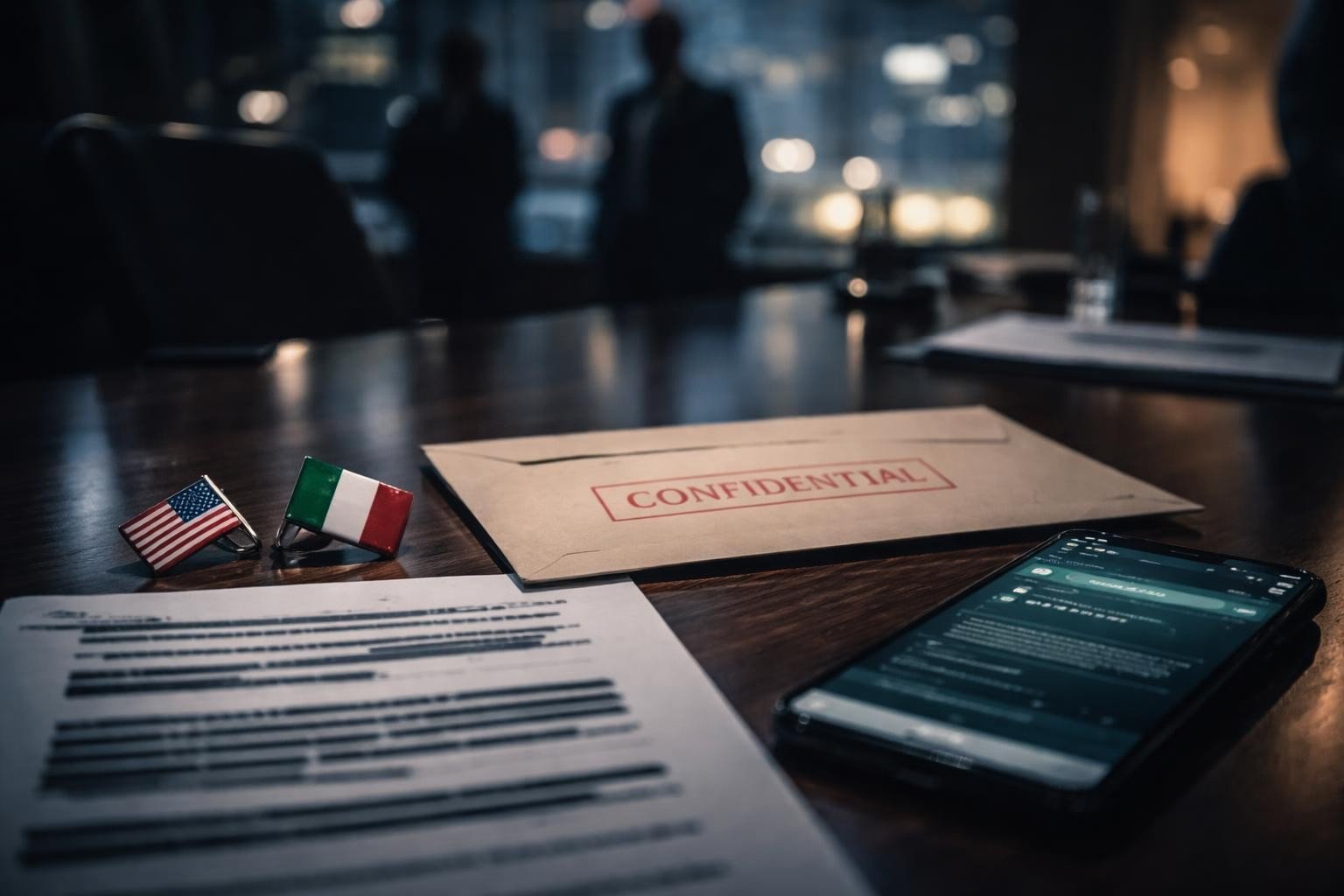
Israel has spent more than $45 million on an artificial intelligence powered media effort intended to bolster its image and influence public opinion in the United States, according to a Wall Street Journal investigation published on Saturday. The report describes a campaign that generated and distributed millions of automated text messages to Americans and supported additional online activity designed to promote Israel’s objectives.

The report comes as public views of Israel among Americans have become more negative, adding political sensitivity to messaging efforts tied to foreign policy and conflict in the Middle East. It also raises questions about transparency in political communications, including whether recipients could clearly identify who was behind the outreach and how the content was produced.

Key Findings From the WSJ Investigation

  • The Wall Street Journal reported that millions of AI-generated text messages were sent to Americans in recent months from senders using common first names such as Emma, Sarah, and John.
  • Recipients were told the texts came from a group called “Friends for Peace,” and were asked questions including: “How do you think the US and Israel’s peace talks with Iran will impact global security?” The newspaper said it could not find any nonprofit or company registered under that name.
  • The text operation was described as part of a broader contract valued at more than $45 million, awarded to an effort led by Brad Parscale, a former campaign manager for US President Donald Trump.
  • Sparkfire, the company operating the text campaign, had received $6.5 million by mid-May, according to the report.

Public Opinion and a Broader Image Campaign

Israel’s standing among Americans has declined in recent years, according to polling cited in the report. The Pew Research Center found that 60% of US adults held an unfavorable view of Israel in March, compared with 53% last year and 42% in 2022.

The Wall Street Journal report also linked the US-focused work to a wider push by Israel to improve its image internationally. It noted that Israeli Foreign Minister Gideon Sa’ar said last year that West Jerusalem had allocated more than $700 million in its 2026 budget to improve Israel’s image worldwide and “shape consciousness.”

In the United States, the newspaper reported that at least six companies were retained for related work and that around three dozen people registered as foreign agents on Israel’s behalf.

Israel’s U.S. focused messaging fits into a longer tradition of state public diplomacy known as hasbara, a framework that predates social media and has included press operations, rapid response outreach, and coordination with advocacy networks. Over the past decade, many governments have shifted from conventional PR toward digital persuasion techniques that mirror domestic political campaigning, including microtargeted messaging.


Digital Tactics and Advertising Claims

Beyond the text messaging effort, Parscale’s team was reported to have built pro-Israel websites and created online posts intended to influence how AI platforms such as ChatGPT and Claude generate answers about Israel.

The campaign also reportedly included more than $500,000 in advertising through conservative broadcaster Salem Media, where Parscale serves as chief strategy officer. Salem Media denied paying its hosts to promote particular positions, according to the report.

Separately, in an interview released Wednesday with podcaster Joe Rogan, US Vice President J.D. Vance accused some members of the Israeli government of attempting to manipulate American public opinion to keep the Iran conflict going “indefinitely.”

Summaries of the Wall Street Journal investigation describe an AI texting component that sent millions of messages to U.S. phones, sometimes using persona style names such as “Emma” or “Sarah” and branding like “Friends for Peace.” Separate reporting has framed the campaign’s attempt to affect how chatbots answer questions as an effort to shape public web content that AI systems draw on, not evidence of any direct arrangement to alter model training.

Official Response and What Remains Unclear

The Israeli Foreign Ministry did not respond to the Wall Street Journal’s requests for comment, the newspaper said. As a result, key details about the campaign’s authorization, oversight, and disclosures to recipients have not been publicly addressed by Israeli officials. Further clarifications are expected to depend on official responses or additional reporting about the contracts and the entities involved.

MORE LIKE THIS

Comments (0)

Leave a comment

A verified Gmail account is required to post comments.

No comments yet. Be the first to share your thoughts!