

Iran Navy Asserts Full Control Over Strait of Hormuz Shipping
news

Iran Navy Asserts Full Control Over Strait of Hormuz Shipping

By Editorial TeamJul 29, 2026 · 6:39 PM3 min read
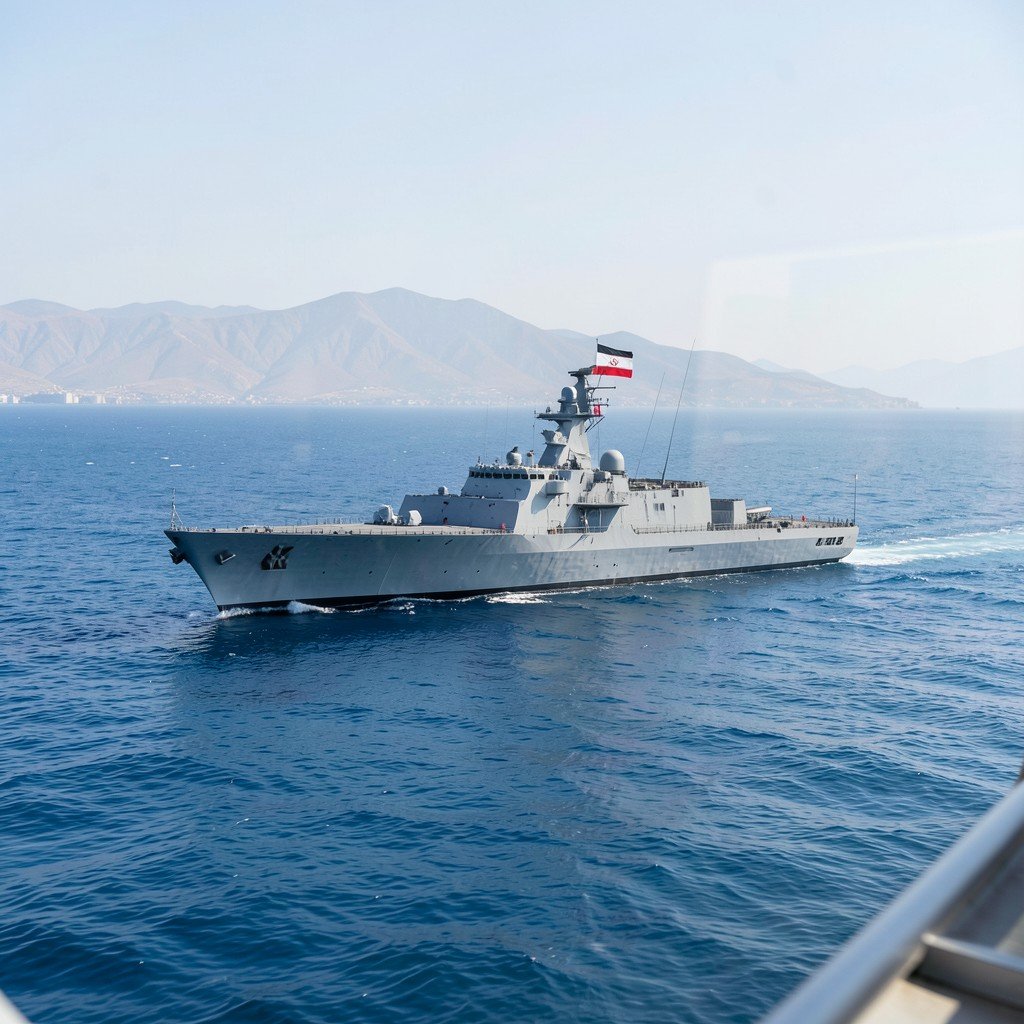
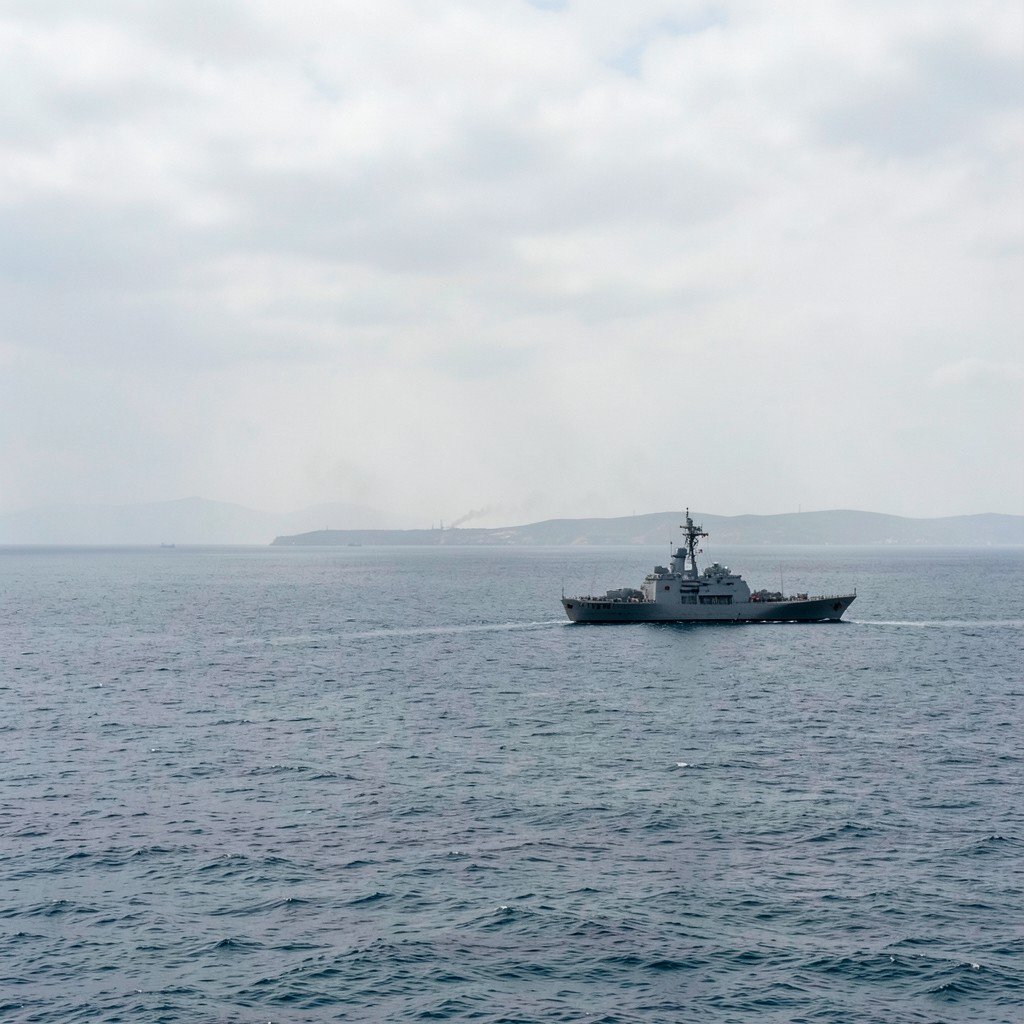
AI-generated representative image: An Iranian naval vessel patrols the Strait of Hormuz, a strategically vital waterway for global oil transit.
Editorial Team
Editorial Team
Deputy Army chief Sayyari says no vessel transits strategic Gulf waters without Iranian authorization

Iran's Deputy Army Chief Rear Admiral Habibollah Sayyari declared on Wednesday that no maritime movement takes place in the Strait of Hormuz, the northern Indian Ocean or the Sea of Oman without authorization from Iranian naval forces.

Speaking on the operational readiness of the Iranian Navy, the senior commander emphasized that naval personnel maintain full control over these strategically vital waterways and described the force as being in a strong state of preparedness.

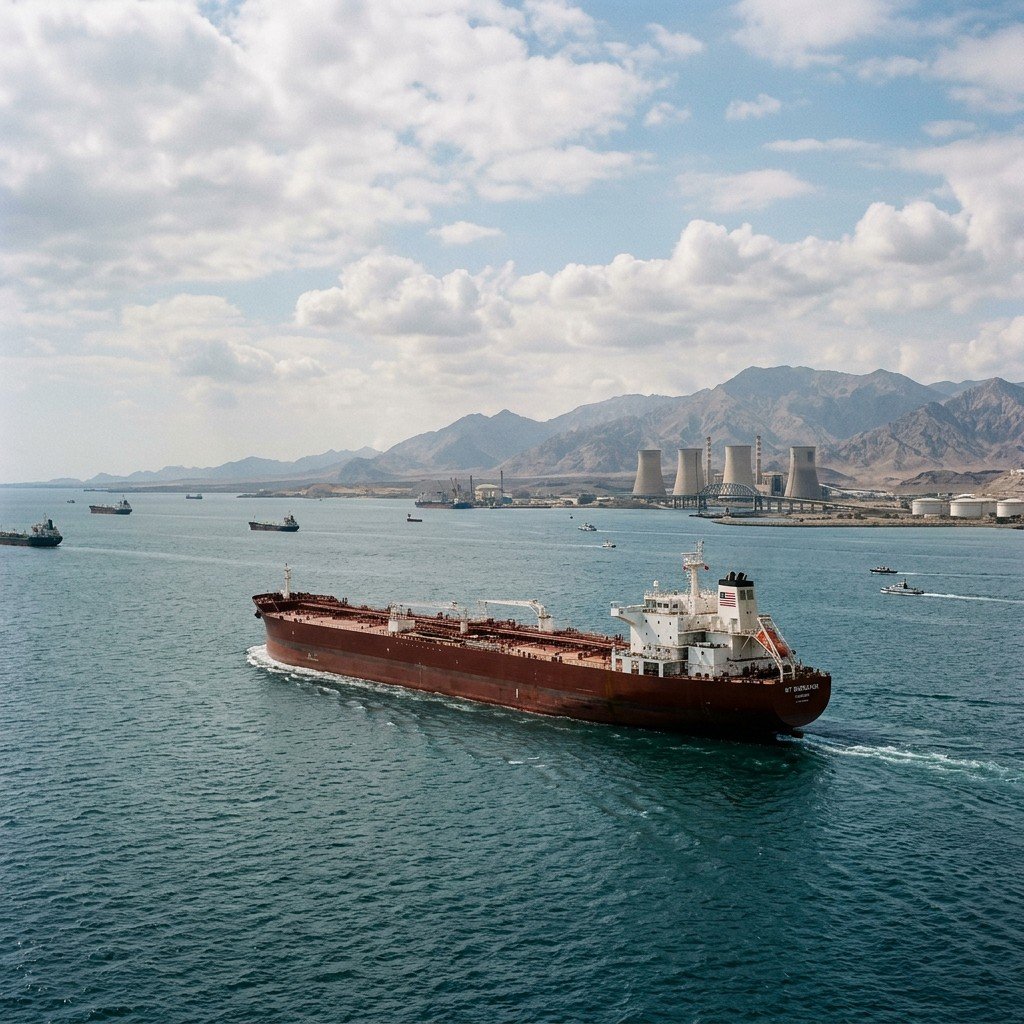
The Strait of Hormuz remains one of the world's most critical maritime chokepoints, through which a significant portion of global oil shipments passes daily. Iran's assertion of unilateral authority over vessel movements in these waters carries substantial implications for international shipping, energy markets and regional security dynamics.

Key Assertions from Iran's Military Leadership

Rear Admiral Sayyari outlined several operational claims during his address. He stated that Iranian Navy personnel maintain a resolute and continuous presence across the West Asia region and that the force "stands firm" in its posture.

The deputy Army chief further confirmed that security along all of Iran's land, maritime and air borders remains stable and satisfactory, presenting an assessment of comprehensive territorial control extending beyond naval operations alone.
Strategic Significance of the Strait of Hormuz

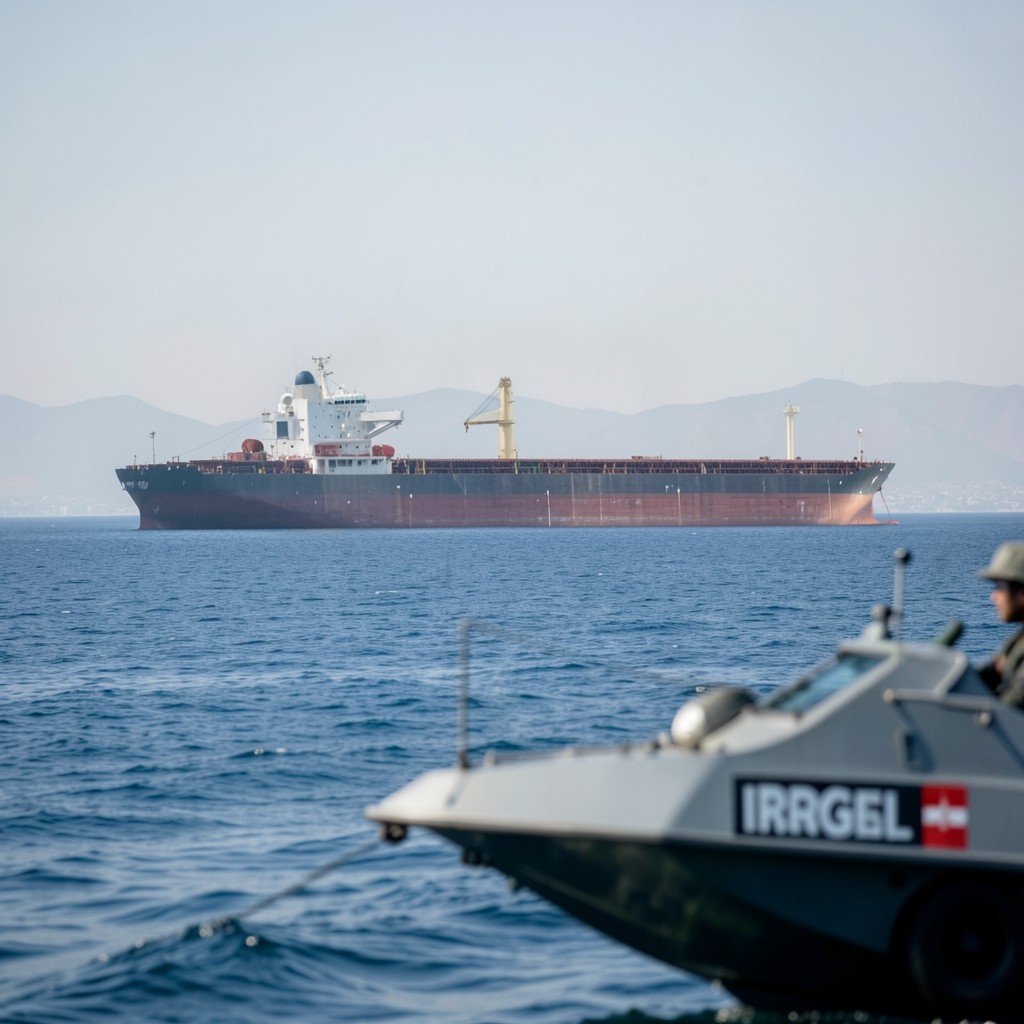
The Strait of Hormuz, situated between Iran and Oman, connects the Persian Gulf with the Gulf of Oman and the Arabian Sea. It serves as the sole maritime passage for oil tankers transporting crude from major Gulf producers including Saudi Arabia, Iraq, Kuwait, Qatar and the United Arab Emirates.

Iran has long maintained that its naval forces play a dominant role in policing these waters, frequently conducting military exercises in and around the strait. The Islamic Republic's strategic position along the waterway has historically given it considerable leverage over one of global energy trade's most sensitive transit points, and periodic assertions of control have often coincided with periods of heightened regional tension or international negotiations.

Operational Scope and Regional Presence

According to the deputy Army chief, Iran's naval operational zone encompasses the eastern portion of the Strait of Hormuz, the entire northern Indian Ocean and the Sea of Oman. The characterization of requiring Iranian authorization for any movement suggests an expansive interpretation of the Navy's enforcement mandate across these waters.

The commander's reference to a "resolute presence" across West Asia signals that Iran views its naval footprint as extending well beyond its immediate coastal waters, reinforcing Tehran's broader regional military posture at a time of ongoing geopolitical uncertainty.

Current Situation and Outlook

As of Wednesday's announcement, Iran's naval forces remain at what leadership describes as a strong state of readiness with full operational control asserted over the designated maritime zones. No immediate international response to the declaration has been reported. The statement comes as part of routine messaging from Iran's military establishment regarding its defensive and strategic capabilities, though such declarations are typically monitored closely by maritime security observers and energy market analysts.

MORE LIKE THIS

Comments (0)

Leave a comment

A verified Gmail account is required to post comments.

No comments yet. Be the first to share your thoughts!