

Houthis Seek to Replicate Iran Strait of Hormuz Strategy in Red Sea
news

Houthis Seek to Replicate Iran Strait of Hormuz Strategy in Red Sea

By Editorial TeamJul 28, 2026 · 4:27 AM3 min read
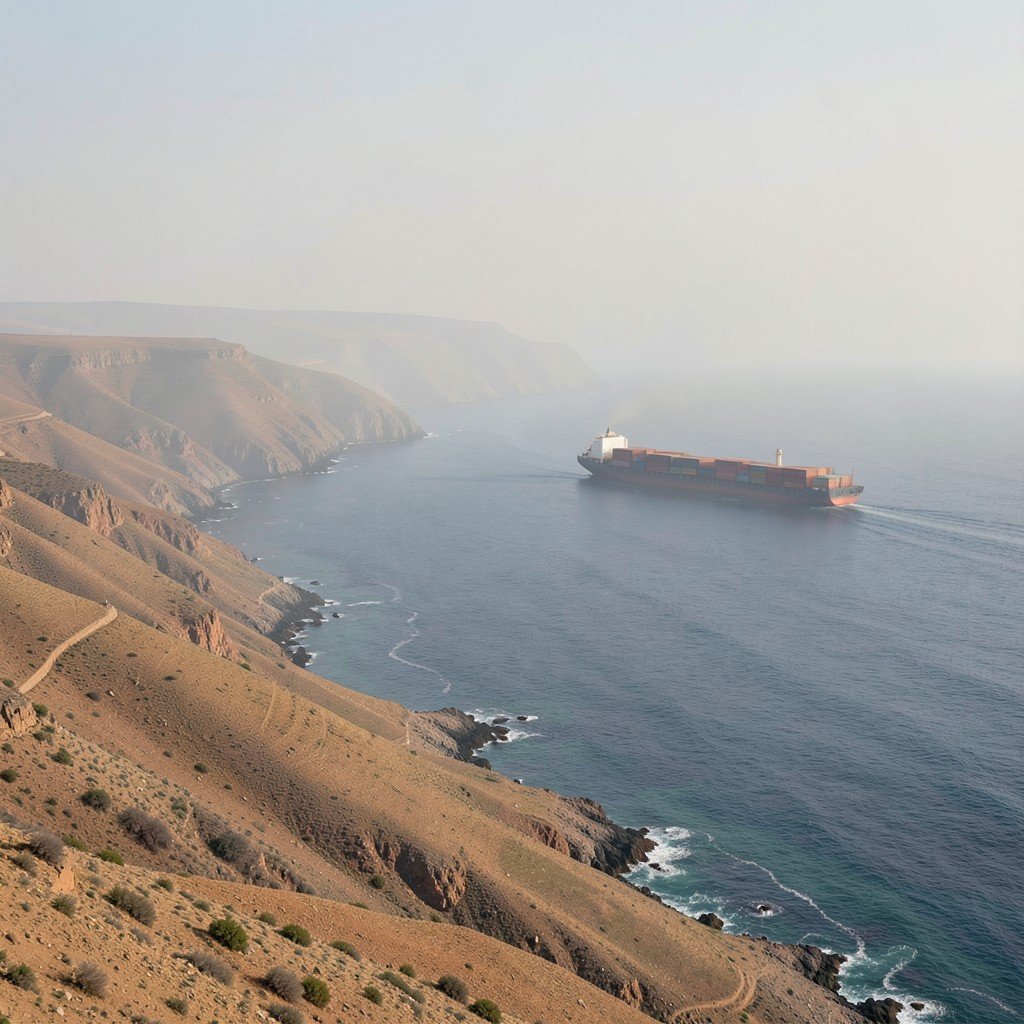
AI-generated representative image: The Bab al-Mandeb Strait, a strategic maritime chokepoint between the Red Sea and Gulf of Aden, seen from Yemen's western coa
Editorial Team
Editorial Team
Yemeni Foreign Minister Afrah al-Zouba warns the Iran-backed group aims to control the Bab al-Mandeb Strait, threatening global maritime trade.

Yemen's Houthi movement is actively pursuing a strategy to control shipping through the Red Sea's Bab al-Mandeb Strait, mirroring Iran's dominance over the Strait of Hormuz, the internationally recognised Yemeni government's top diplomat warned on Monday.

Foreign minister-designate Afrah al-Zouba, speaking at the Yemeni embassy in Riyadh, said the Iran-backed group has been emboldened by what she described as an insufficient international response to its regional activities, raising the prospect of two critical maritime chokepoints falling under allied influence.

The Bab al-Mandeb Strait is one of the world's most vital shipping lanes, with approximately 30 percent of global container traffic and 12 to 15 percent of overall global trade passing through the Red Sea. Any sustained disruption would have severe consequences for international supply chains and the global economy.

The warning comes amid the most significant escalation in Yemen since a 2022 truce, with the Houthis declaring a maritime siege on Red Sea shipping bound for Saudi Arabia and launching missile and drone attacks against the kingdom earlier in July.

Escalation on Multiple Fronts

The Houthis declared a maritime siege on Red Sea shipping to and from Saudi Arabia earlier in July, accompanied by missile and drone launches targeting the kingdom. In response, Riyadh launched airstrikes on the key port city of Hodeidah, which remains under Houthi control.

Al-Zouba confirmed that Yemen's Saudi-backed government is prepared for further escalation. She noted that fire is being exchanged along the front line separating Houthi-controlled territory from government-held areas, though no formal offensive has been launched. Nearly 20 fighters from both sides died earlier this month during clashes around Hodeidah.
Yemen's Long-Running Conflict

Yemen has been devastated by war since 2014, when the Houthis seized the capital Sanaa and forced then-President Abd-Rabbu Mansour Hadi to flee to Riyadh. Saudi Arabia led an Arab coalition military campaign from 2015 aimed at dislodging the group, continuing until a truce was reached in 2022.

As of 2026, the Houthis remain entrenched in the capital and other parts of Yemen. The conflict has claimed hundreds of thousands of lives, with an estimated 377,000 people dying between 2015 and early 2022, most from war-related consequences including famine and disease. Regional dynamics have been further complicated by tensions between Saudi Arabia and the United Arab Emirates, which Riyadh accuses of backing a southern separatist group in Yemen.

Declining Traffic and Strategic Geography

Yemen's western geography grants whoever controls that territory a commanding position over traffic through the Bab al-Mandeb Strait, which connects the Red Sea to the Gulf of Aden and the wider Indian Ocean. Shipping data already indicates a decline in maritime activity, with only 11 commodity vessels transiting the Red Sea on Sunday.

Al-Zouba framed the Houthi ambition in stark terms: "The Houthis want to copy the Iranian model, and this will shut down two main straits, the gateways into the Gulf and Red Sea." The latest escalation has unfolded alongside a resurgence of US attacks on Iran, adding a broader geopolitical dimension to the crisis.

Precarious Standoff

No offensive has been launched by either side as of Monday, though active exchanges of fire continue along the front lines. The situation remains volatile, with the internationally recognised government signalling its readiness for further escalation while the Houthis maintain their maritime siege posture. The international community has yet to mount a coordinated response to the group's latest actions in the Red Sea.

MORE LIKE THIS

Comments (0)

Leave a comment

A verified Gmail account is required to post comments.

No comments yet. Be the first to share your thoughts!