

US-Iran strikes escalate after ceasefire collapse in Middle East
features

US-Iran strikes escalate after ceasefire collapse in Middle East

By Editorial TeamJul 22, 2026 · 12:40 PM4 min read
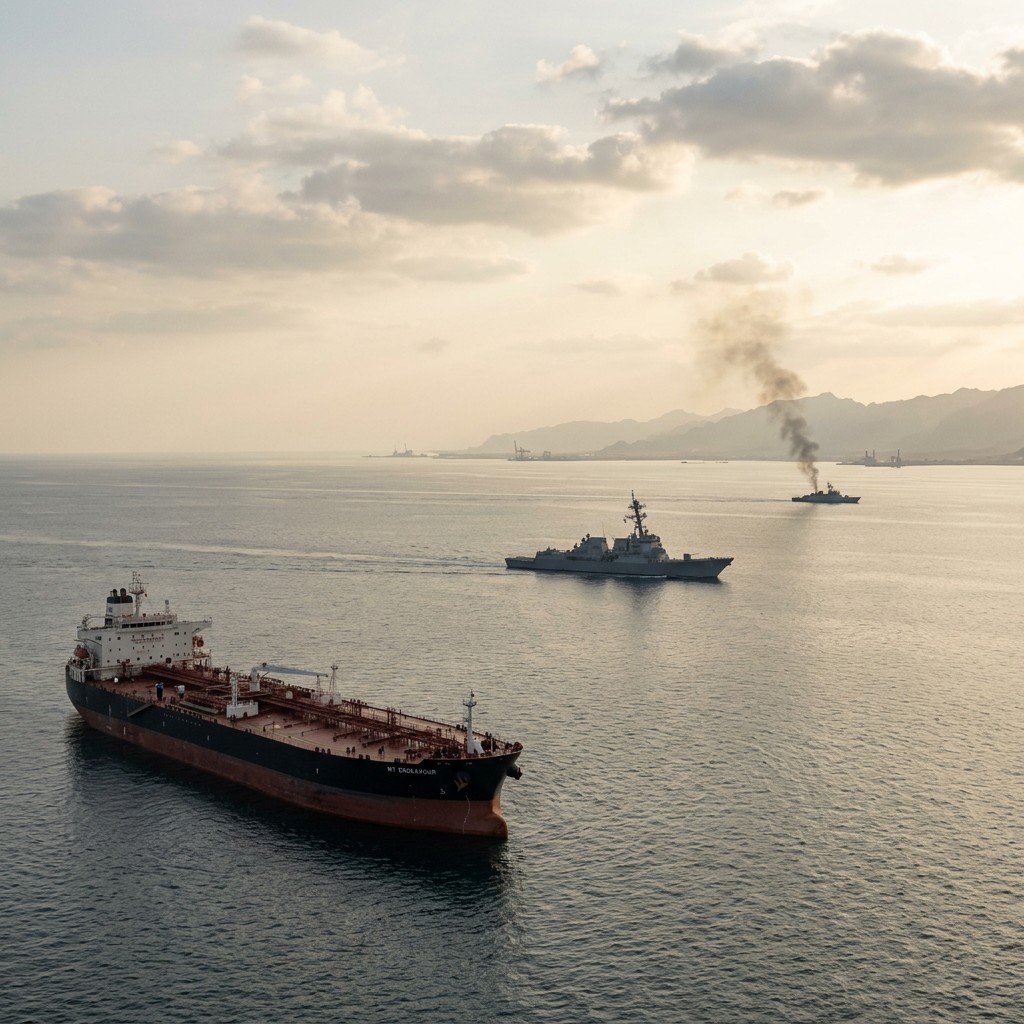
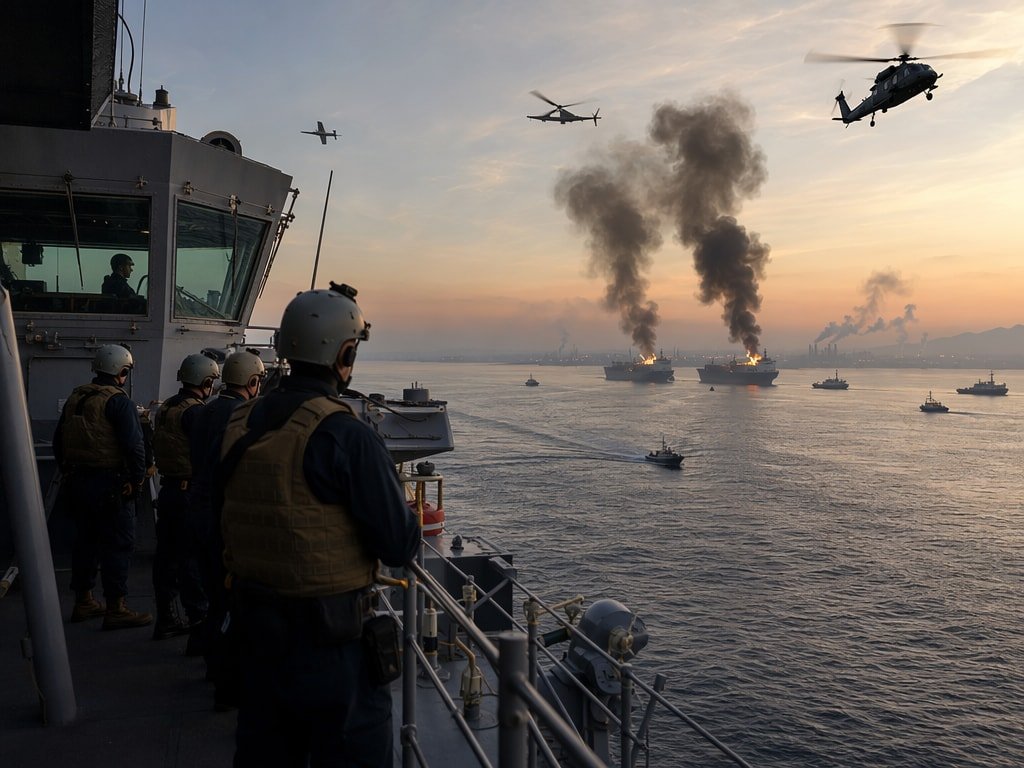
AI-generated representative image. An oil tanker sits in the Strait of Hormuz as a US Navy vessel patrols following the collapse of the US-Iran ceasefire.
Editorial Team
Editorial Team
Strait of Hormuz dispute fuels daily military exchanges as oil prices surge amid CENTCOM and IRGC confrontations

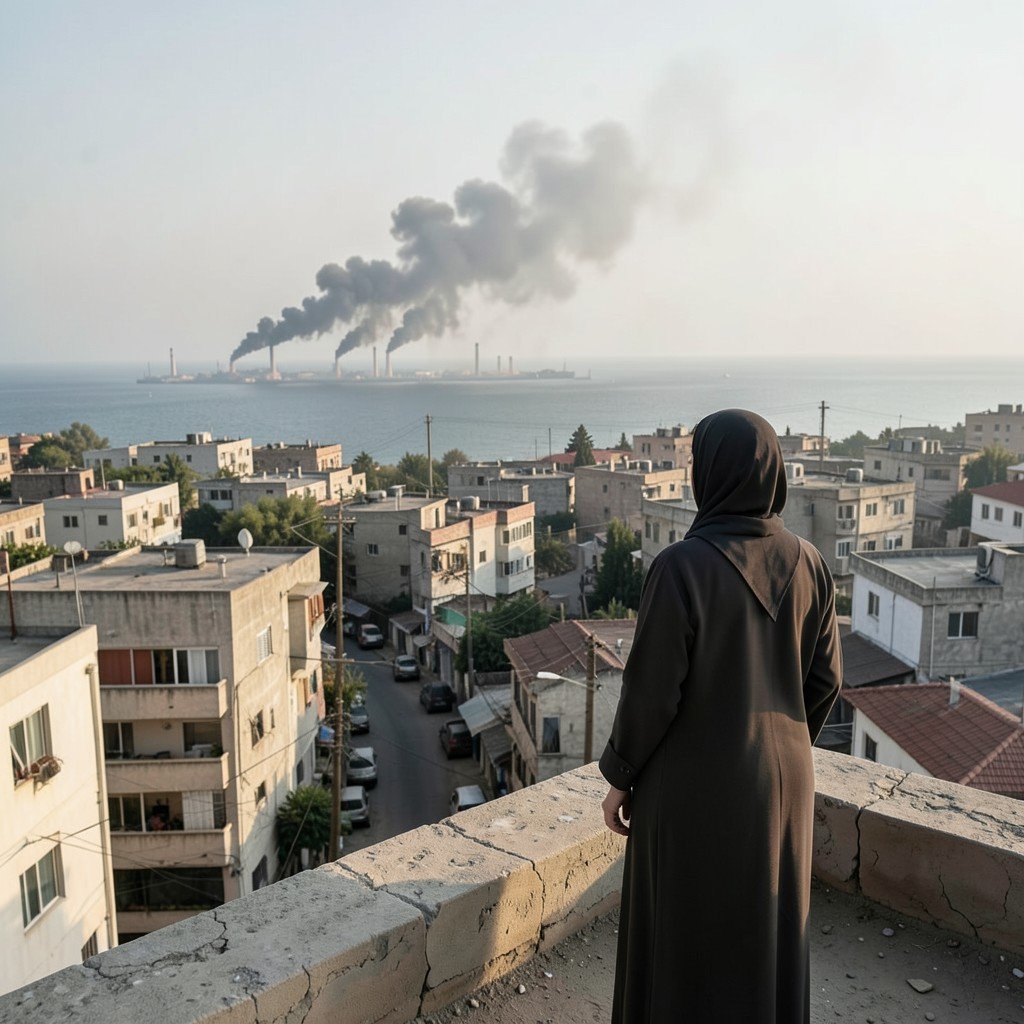
The United States and Iran have engaged in nearly two weeks of sustained military exchanges following the collapse of a fragile ceasefire agreement reached in the spring, with both sides accusing each other of violating a Memorandum of Understanding (MoU) signed last month. The hostilities, which began on July 7, have centered on control of the Strait of Hormuz, a critical passageway for global oil shipments, and show no signs of de-escalation as daily strikes continue across the region.

The renewed conflict threatens to destabilize an already volatile region and has pushed global oil prices up more than 20% since early July. With the United States and Iran locked in escalatory rhetoric and neither side backing down, analysts warn the situation risks spiraling into a wider confrontation involving regional allies and key international shipping lanes.

Major Escalation Timeline

The latest round of hostilities began on July 7, when Washington announced a new wave of strikes against Iran, citing Iranian attacks on three tankers in the Strait of Hormuz. Tehran has not officially claimed responsibility for the tanker incidents, though Iranian media reported that one vessel was struck after ignoring repeated warnings.

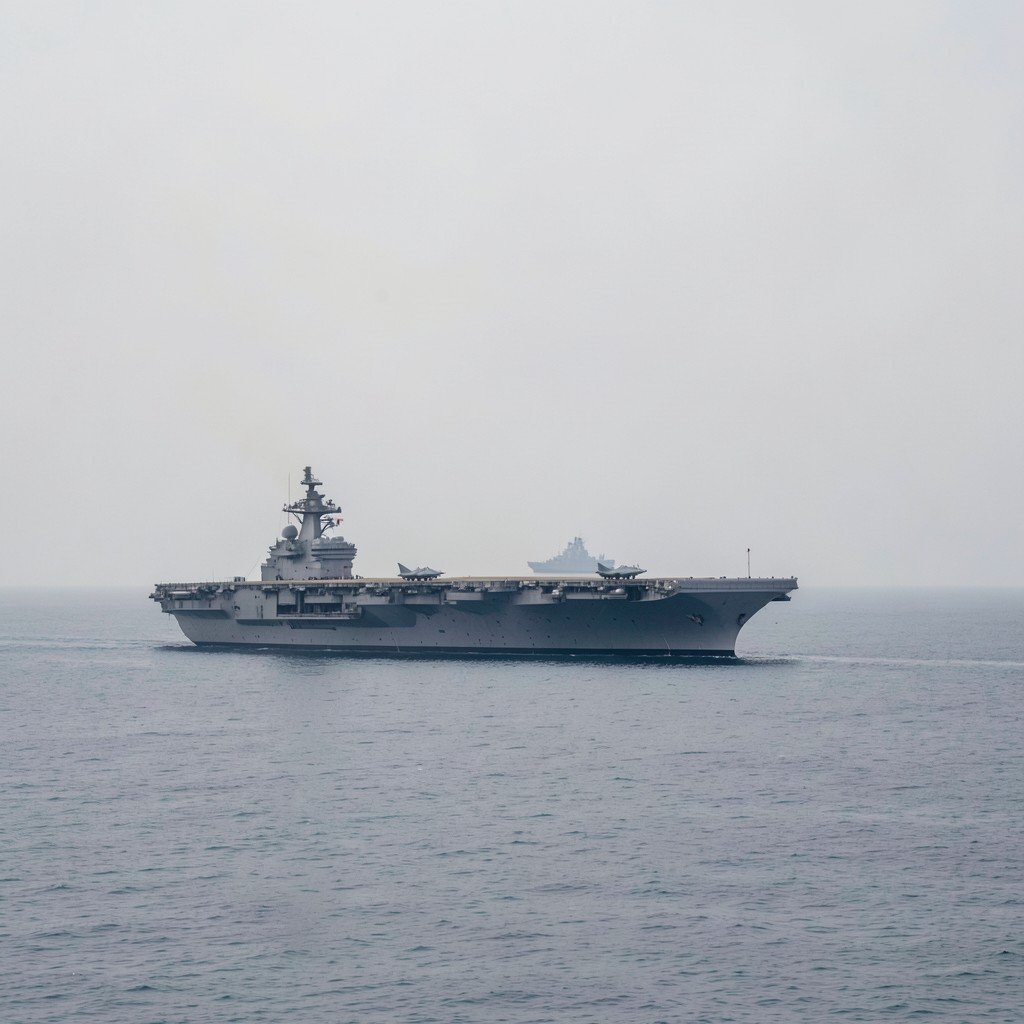
US Central Command (CENTCOM) said American forces struck more than 80 targets in Iran. In response, Iranian media reported that the Islamic Revolutionary Guard Corps (IRGC) and the military launched missiles and drones at 85 US military facilities across the Middle East. President Donald Trump declared the April ceasefire over, calling the Iranian leadership "scum," and later informed Congress on July 13 that he had resumed limited defensive strikes. The White House reportedly claimed the move granted Trump a new 60-day window to operate without Congressional approval.
Background of the Conflict

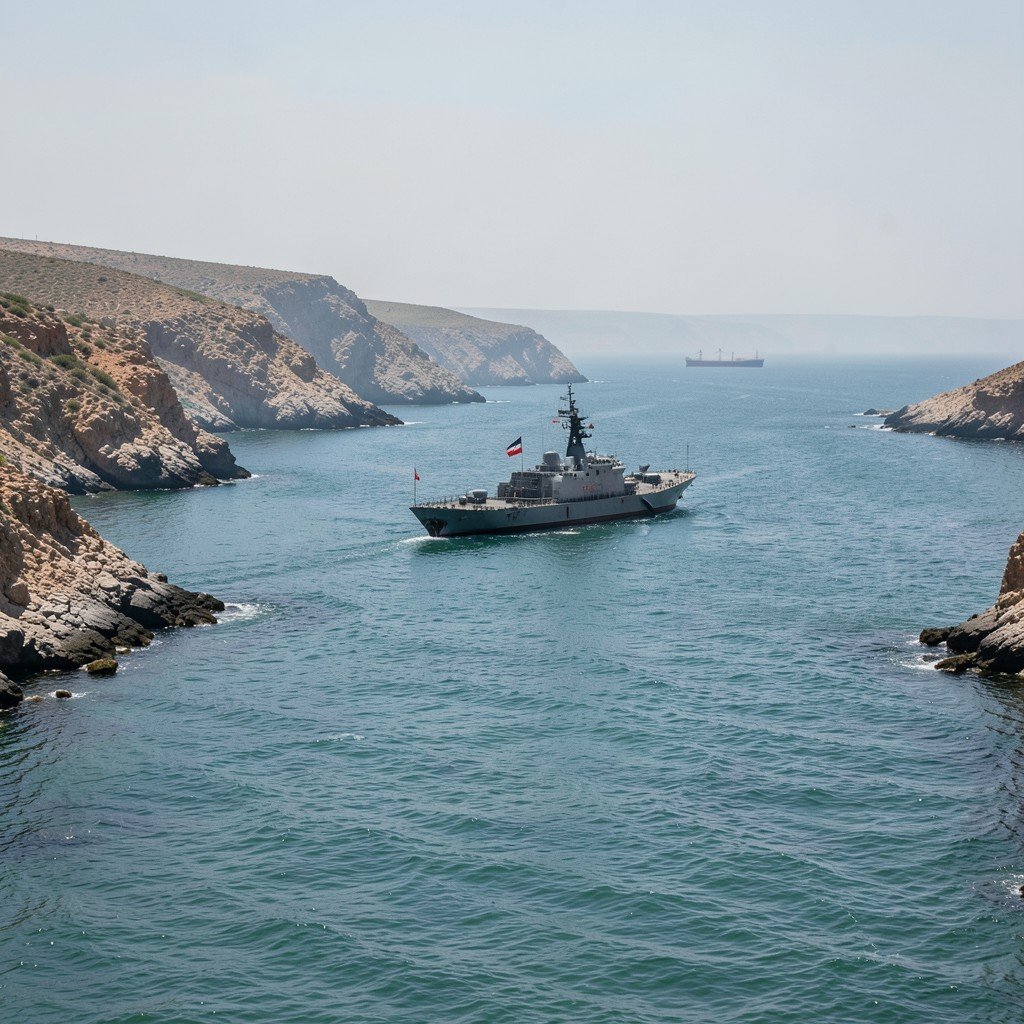
The Memorandum of Understanding signed last month was intended to serve as a roadmap toward a final settlement between Washington and Tehran. However, the two sides clashed sharply over the Strait of Hormuz. Iran maintains it has the right to define navigation rules for the waterway under the MoU, while the US demands that Iran fully reopen the strait to international traffic. Tehran has repeatedly stated that ships must use routes officially designated by Iran and has called a US-backed route along the Omani coast illegal.

Iran announced the closure of the strait in response to US strikes in early July. The US military disputed the claim, but shipping data cited by Reuters showed tanker traffic through the waterway falling to its lowest level in two months.

Casualties and Military Claims

The Pentagon has confirmed at least four American soldiers killed since early July, with nearly 100 service members injured. US Department of War spokesman Sean Parnell said most injuries were minor and 96% of those affected had returned to duty. However, The New York Times reported that the Pentagon was concealing the true scale of casualties, citing dozens of soldiers injured in three unreported Iranian strikes on US forces in Jordan and damage to several helicopters.

According to the Associated Press, US strikes on Iran have killed at least 50 people and injured more than 500. The IRGC claimed to have hit military bases in Jordan and Kuwait, a US drone command center, and facilities in Bahrain, while also destroying a HIMARS launcher and a Patriot air defense system. CENTCOM reported attacks on Iranian air defense systems, coastal radar sites, missile and drone capabilities, and small boats. Iranian media reported US strikes on bridges in central and southern Iran, as well as on Iranshahr Airport and a southern port city, with the IRGC stating the bridge strikes caused civilian casualties.

Stalemate and Risk of Wider War

The Washington Post reported, citing a CIA assessment, that the US policy of expanding military attacks on Iran has led to a stalemate, with intelligence indicating Iran could survive a naval blockade for months and is unlikely to change its negotiating position. The Post warned that Washington and Tehran risk remaining in an indefinite limbo between peace and war, and separately reported that the US is planning for a wider war despite lacking resources for a prolonged campaign. Axios reported that Washington has notified Israel it is sending dozens of additional refueling planes ahead of a possible expansion of operations. Saeid Golkar, an Iran security expert, told the Wall Street Journal the escalation is rapidly intensifying and getting out of control, with both sides risking a total war.

MORE LIKE THIS

Comments (0)

Leave a comment

A verified Gmail account is required to post comments.

No comments yet. Be the first to share your thoughts!