US strikes Iran as IRGC reports Hormuz tanker fires
features

US strikes Iran as IRGC reports Hormuz tanker fires

By Editorial TeamJul 21, 2026 · 10:40 AM5 min read
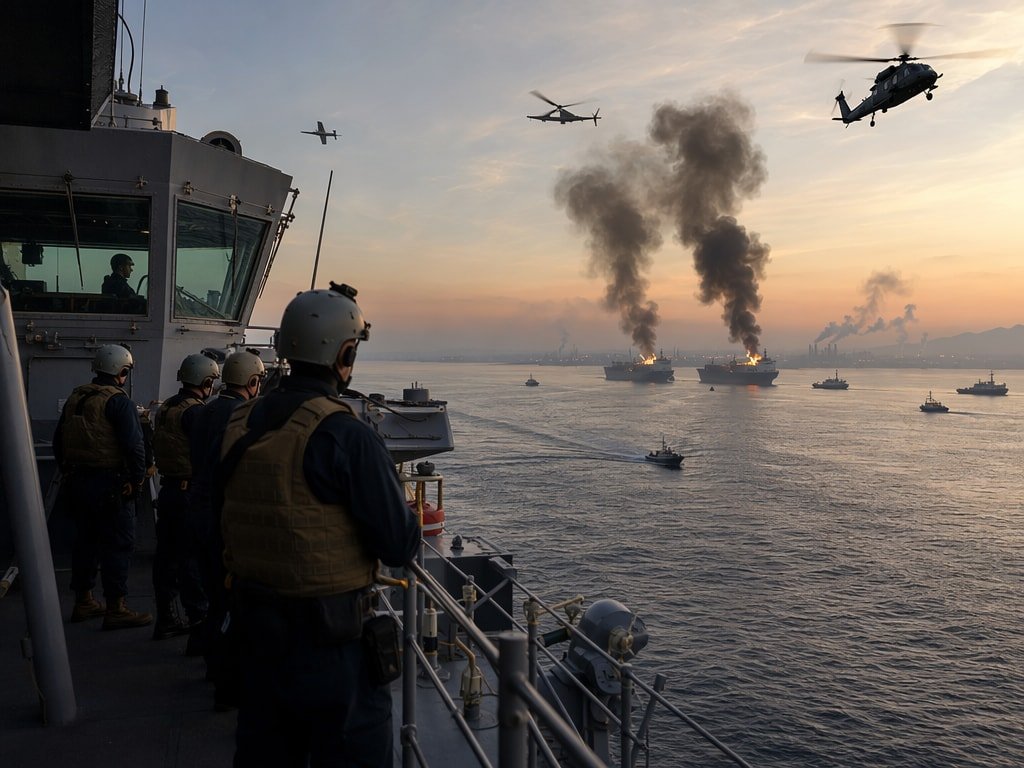
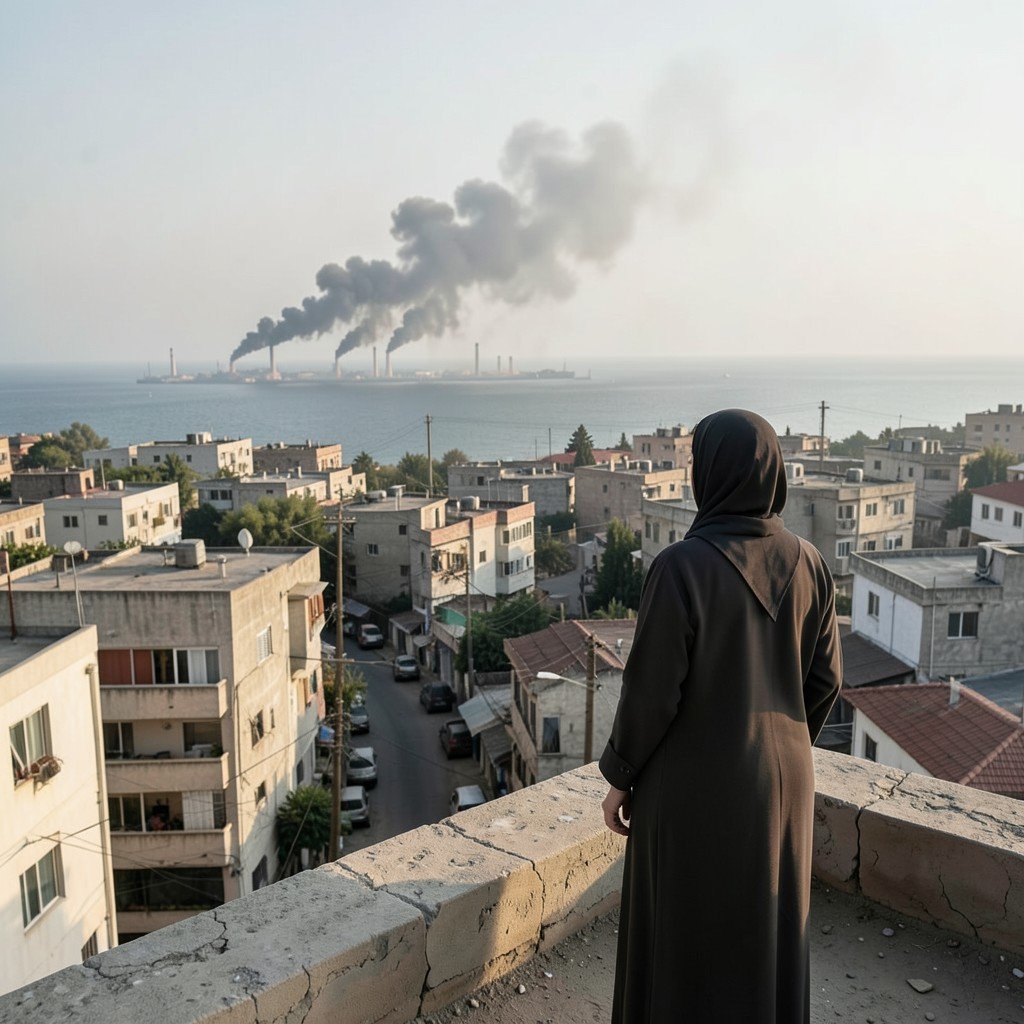
The IRGC said “massive fires” broke out on two tankers in the Strait of Hormuz and that rescue teams were evacuating the vessels’ crews. [AI Image]
Editorial Team
Editorial Team
CENTCOM targets air defences as IRGC warns of Strait of Hormuz disruption in Bahrain and Kuwait

The United States carried out another round of strikes on Iran at 01:00 GMT on Tuesday, marking the tenth consecutive night of attacks, as Iran’s Islamic Revolutionary Guard Corps (IRGC) claimed it retaliated by targeting US military assets in the Gulf and reported “massive fires” on two oil tankers in the Strait of Hormuz following an explosion.

Explosions were reported in several Iranian locations, including Qeshm Island and the port cities of Bandar Abbas and Bushehr, amid the latest escalation between Washington and Tehran.

The developments raise immediate concerns about regional security and maritime traffic through the Strait of Hormuz, a key global energy shipping route. They also underscore the risk of the conflict expanding beyond direct US-Iran strikes to include Gulf states hosting US facilities.

In Washington, the White House signalled the campaign could continue, while also saying diplomatic talks between the two countries remain under way.

Latest Strikes and Reported Retaliation

  • US Central Command (CENTCOM) said it completed strikes at 01:00 GMT Tuesday, targeting Iranian military command centres, maritime capabilities, missile and drone launch sites, and air defence systems.
  • In Iran, explosions were reported on Qeshm Island and in Bandar Abbas and Bandar Lengeh, according to reporting from Tehran.
  • Iran’s IRIB state broadcaster reported explosions in Shiraz at about 1am local time (21:30 GMT), saying sites in the east and west of the city “were attacked by the enemy.”
  • Iran’s IRGC said it struck US military assets in Bahrain and Kuwait, including air defence and radar-related sites, and described the operations as intended to enable further actions.
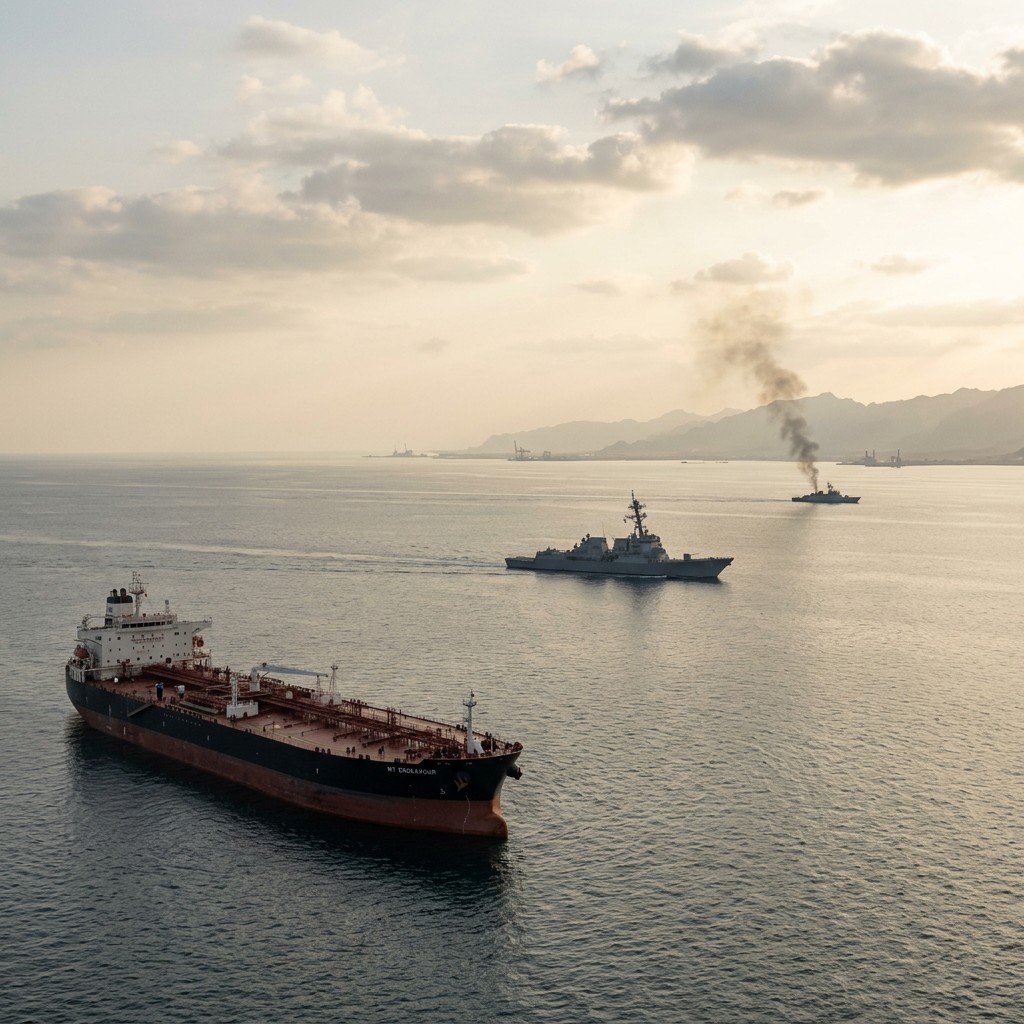
  • The IRGC said “massive fires” broke out on two tankers in the Strait of Hormuz and that rescue teams were evacuating the vessels’ crews.

Conflict Spreads Across Multiple Fronts

The latest attacks follow more than a week of nightly US strikes, with Tuesday’s operation described by CENTCOM as the tenth consecutive night of bombardment. Iran, through statements attributed to the IRGC, has framed its response as an effort to target US military infrastructure across the Gulf region.

Separate accounts from Iranian state and semi-official media described air defence activity and disputed reports of strikes in different provinces, reflecting the difficulty of verifying events as they unfold. IRIB cited provincial officials in Isfahan denying reports of “enemy aggression or explosions,” while also reporting on explosions elsewhere.

The Strait of Hormuz remains a central pressure point in the standoff because it borders Iran and serves as a vital maritime corridor for regional exports, meaning any reported incident involving vessels can have broader security and economic implications.

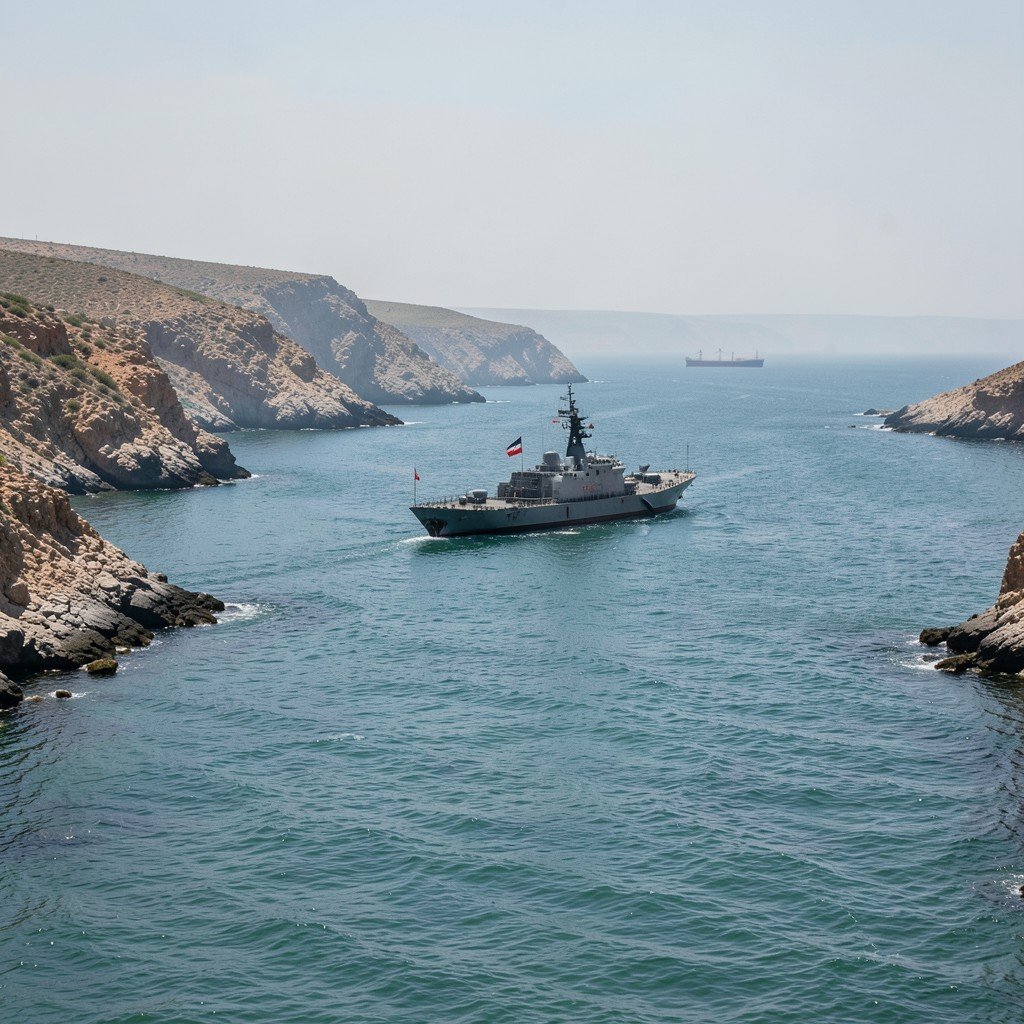
The Strait of Hormuz is a narrow passage linking the Persian Gulf to the Gulf of Oman and the Arabian Sea. Because a large share of Gulf oil and gas exports transits the route, even limited incidents involving commercial vessels can quickly raise insurance costs and trigger volatility in global energy markets.

US-Iran tensions around Hormuz have repeatedly flared over maritime incidents, including the late 1980s “Tanker War” and the 1988 US operation known as Praying Mantis after a US warship struck a mine. More recent flashpoints have included the 2019 seizure of the UK-flagged Stena Impero and reported tanker attacks in the Gulf of Oman.

What Officials and State Media Reported

CENTCOM said its latest operation focused on Iranian command infrastructure and capabilities tied to maritime operations and missile and drone launches, as well as air defence systems.

In Iran, IRIB quoted the governor of Bushehr as saying the sounds of explosions in the province were “related to the activity of defence systems.” IRIB also cited the deputy governor of Isfahan province rejecting an earlier report from the semi-official Mehr news agency that suggested strikes or blasts in the area.

Mehr reported several explosions in Abdanan, in Iran’s western Ilam province, citing Abdanan Governor Behzad Nourmohammadi. In Gulf-related claims, the IRGC said it destroyed a US air defence system and radar in Bahrain’s Muharraq area and said a coordinated missile and drone attack destroyed a US Patriot system in Al-Riffa. The IRGC also claimed strikes in Kuwait hit a long-range radar site, a telecommunications centre, satellite receiving systems and a missile defence radar, and said it struck an MQ-9 drone hangar at Ali Al Salem airbase, damaging unmanned aircraft. In a separate claim carried by Tasnim, the IRGC said it used cruise missiles to destroy Amazon’s central data infrastructure.

The US Maritime Administration (MARAD) issued an advisory warning of Iranian attacks and threats against commercial vessels in the Persian Gulf, the Strait of Hormuz, and the Gulf of Oman, and provided routing and reporting guidance for US-flag operators. CENTCOM has also publicly described recent strikes as self-defense actions aimed at disabling radar, command-and-control nodes, air defenses, and drone-related networks viewed as threatening maritime transit.

Iranian messaging around the tanker incidents has also included claims of enforcement action: Tasnim carried an IRGC statement describing two supertankers as disabled for “illegal passage” in the strait. IranWire reported an IRGC statement acknowledging strikes on tankers and arguing the vessels had taken an unsafe route, including claims about a mined path.


Current Situation and What to Watch

The White House told Voice of Urdu that US strikes would continue unless President Donald Trump decides otherwise, while also saying diplomatic talks are ongoing. Iran’s IRGC, meanwhile, warned shipping companies to protect crews, urged them not to trust what it called “false information from the US military,” and advised avoiding routes it described as dangerous.

The IRGC added that if “America’s evils continue in the region,” the Strait of Hormuz would be closed and exports would stop. Independent confirmation of the tanker incident and of the IRGC’s claims about damage in Bahrain and Kuwait was not provided in the available statements.

MORE LIKE THIS

Comments (0)

Leave a comment

A verified Gmail account is required to post comments.

No comments yet. Be the first to share your thoughts!