

Bandar Abbas Residents Describe Life Under Airstrikes Despite Ceasefire Claims
features

Bandar Abbas Residents Describe Life Under Airstrikes Despite Ceasefire Claims

By Editorial TeamAug 5, 2026 · 2:27 PM4 min read
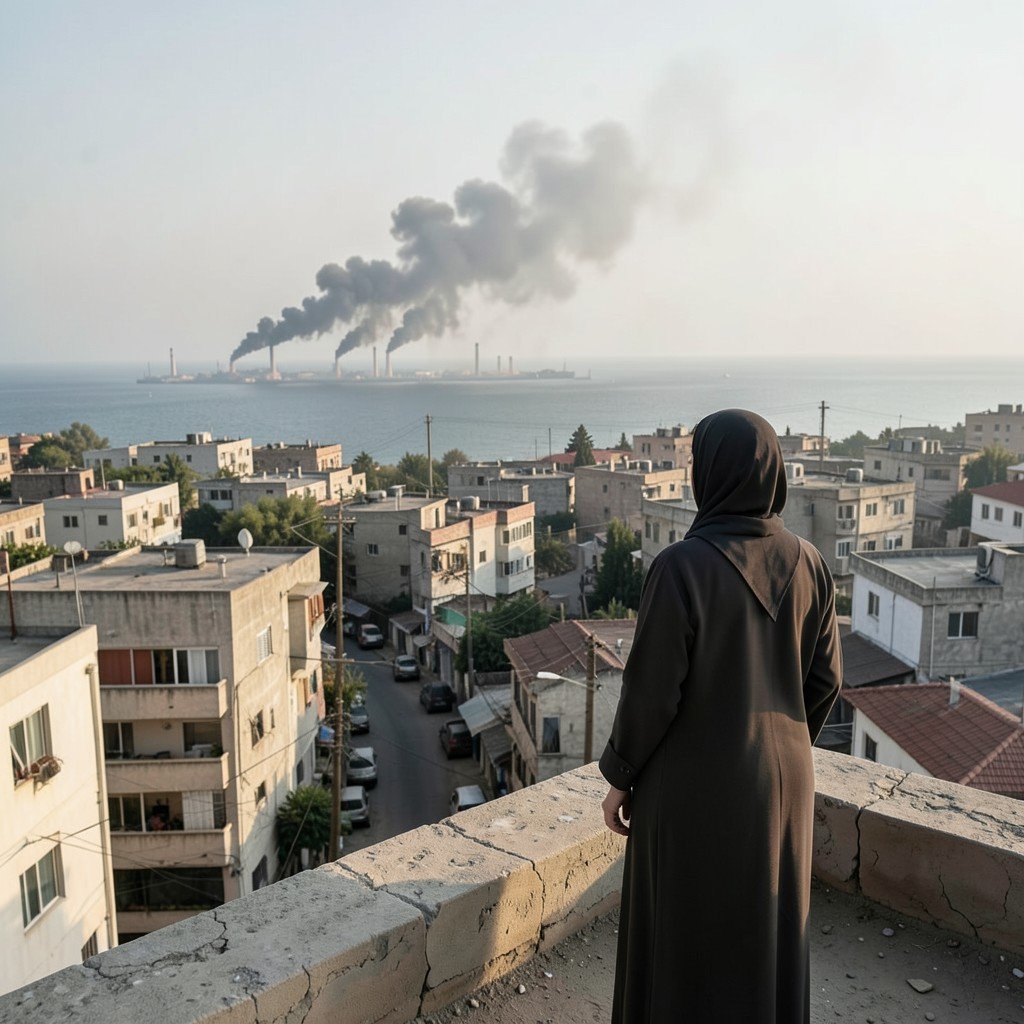
AI-generated representative image: A woman looks toward smoke rising over Bandar Abbas port and airport, reflecting the psychological toll on civilians living u
Editorial Team
Editorial Team
A single mother from Iran's largest port city shares her testimony as strikes hit civilian infrastructure while state media reports a pause in hostilities.

Residents of Bandar Abbas, Iran's largest commercial port city, are enduring what they describe as a full-scale war despite official state media reports that a ceasefire is in effect. On July 11, simultaneous strikes hit both Shahid Rajaee Port and Bandar Abbas Airport, sending columns of smoke across the city skyline. For locals like Parisa, a 44-year-old single mother, the disconnect between government narratives and daily reality has created an unbearable state of suspension with no clear end in sight.

The testimony underscores a widening gap between the lived experience of civilians in southern Iran and the official portrayal of the security situation. Bandar Abbas has been repeatedly targeted across multiple waves of hostilities since last summer, yet state broadcasters frame the attacks as "natural incidents during a ceasefire." For residents, this ambiguity makes it impossible to plan their lives or find psychological safety.

Pattern of Attacks Across Southern Iran

Residents trace the current wave of violence to two defining moments. The February war began with a strike on a school in Minab. The July escalation was triggered by an attack on a soldiers' dormitory in Bampour, where young conscripts were killed in their sleep, most only days away from completing mandatory military service.

Since then, Bandar Abbas has faced repeated bombardments targeting both strategic and residential areas. Shahid Rajaee Port, where one of Parisa's brothers works, has been struck multiple times. A second brother is employed at a petrochemical facility under constant threat. The city's airport and surrounding residential neighbourhoods have also been hit, sometimes in broad daylight.
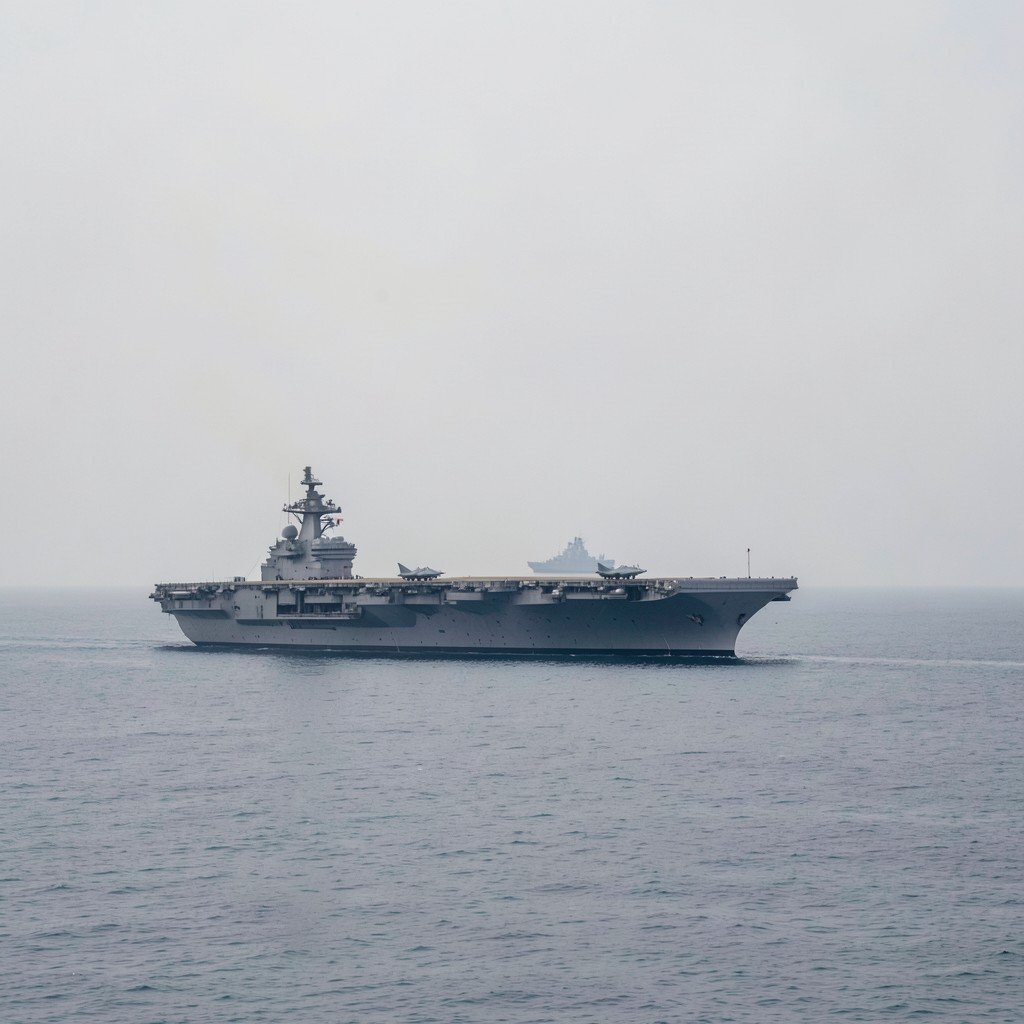
Three Wars in One Lifetime

Parisa has now lived through three conflicts. She was a child during the eight-year Iran-Iraq War of the 1980s and remembers little of it, but the recent waves of hostilities have left deep psychological scars. Unlike the previous war, the current violence has been concentrated on the southern coastal regions, with Bandar Abbas bearing a disproportionate share of the attacks.

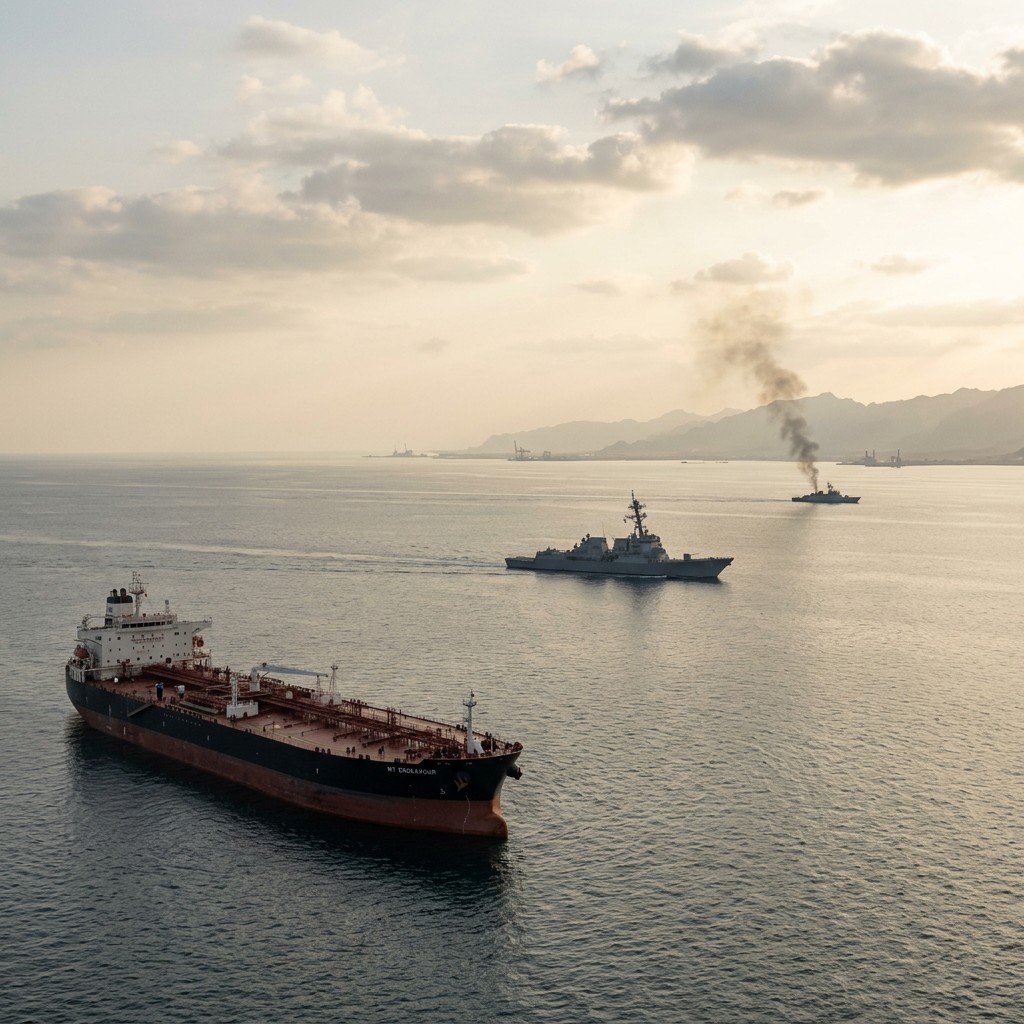
The city's strategic importance as Iran's primary commercial port and its proximity to critical petrochemical infrastructure have made it a repeated target. Fishing and commercial vessels operating from the coast have also been struck, despite assurances from relatives that such boats would not be considered military targets. The sea, once a source of livelihood for many families, has become another front of danger.

The Human Cost of Ambiguous Conflict

The psychological toll extends beyond immediate physical danger. Parisa describes how everyday sounds, a neighbour slamming a door or a loud noise from the street, now trigger panic. She calls her brothers repeatedly throughout the day, fearing each conversation might be their last.

The most devastating impact came when a close friend lost her husband in a missile attack. At his funeral, the couple's two young children asked mourners why their father had not come home yet. Months later, Parisa still avoids seeing those children, unable to witness their continued belief that normal life will resume. "The truth is that our lives will never return to normal," she said.

In an effort to regain some sense of agency, Parisa joined a group of women entrepreneurs working to help other women whose businesses have been destroyed by the war and repeated internet shutdowns. Yet even small victories are overshadowed by the scale of destruction.

Living Without a Horizon

As of early August 2026, state broadcasters continue to report that Iran is under a ceasefire, while residents of Bandar Abbas face ongoing threats morning and night. The fundamental challenge, as Parisa describes it, is the inability to name the situation: war, ceasefire, or peace. Without that clarity, families cannot make decisions about their futures. "It feels as though you are trapped in an endless state of suspension," she said. "Wherever you look, there is no horizon."

MORE LIKE THIS

Comments (0)

Leave a comment

A verified Gmail account is required to post comments.

No comments yet. Be the first to share your thoughts!