

El Nino Heat Deaths Could Surpass 450,000, Scientists Warn
features

El Nino Heat Deaths Could Surpass 450,000, Scientists Warn

By Editorial TeamSep 23, 2026 · 6:16 PM3 min read
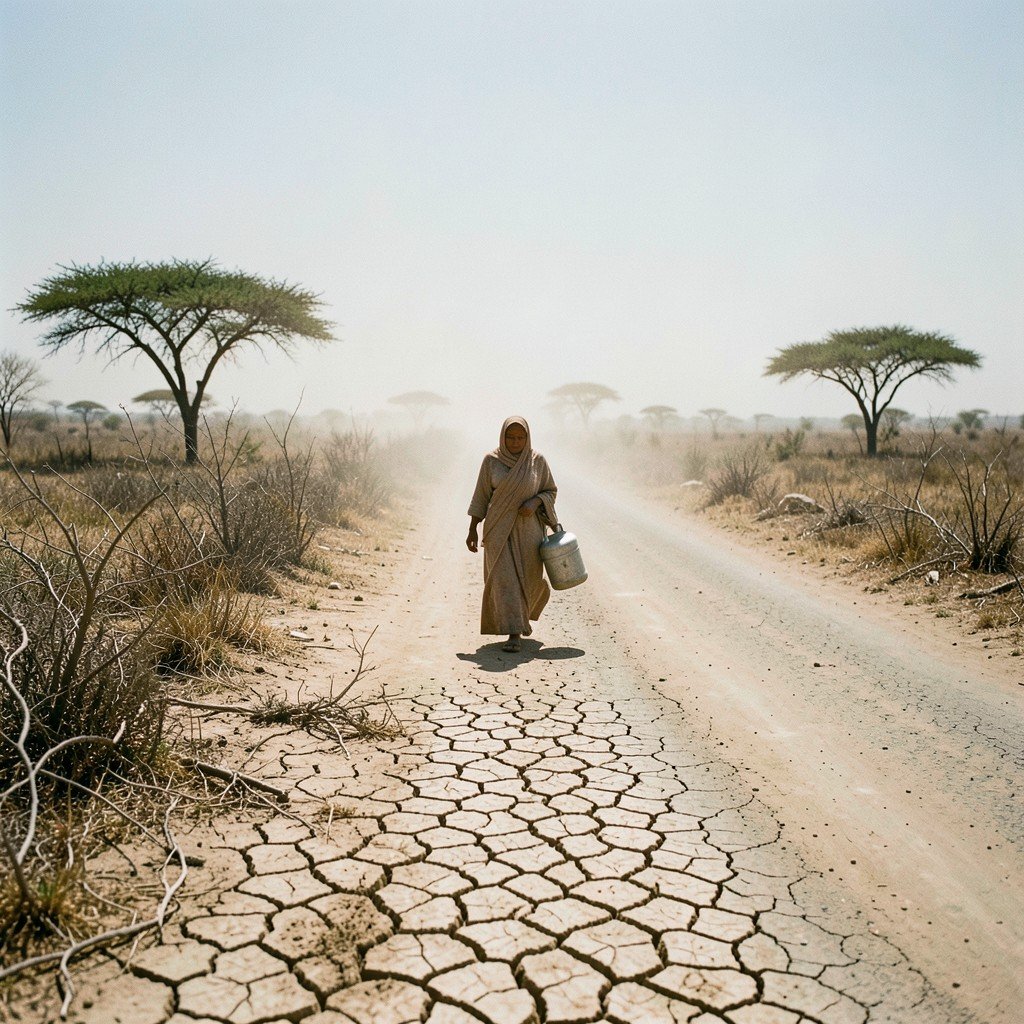
AI-generated representative image: A woman carries water along a sun-scorched road during extreme heat, illustrating the risk of heat-related deaths linked to E
Editorial Team
Editorial Team
University of Chicago research projects a surge in climate-driven heat mortality, with the Sahel and developing nations facing the heaviest toll.

More than 450,000 people are projected to die from additional heat caused by the unusually strong El Nino event over the next six months, according to research published on Wednesday by the University of Chicago's Climate Impact Lab.

The projection runs to February 2027 and compares estimates of heat-related deaths attributable to El Nino with the level expected in a typical year.

The findings highlight how extreme heat driven by a natural climate cycle is becoming deadlier as it interacts with human-caused climate change. The burden is expected to fall most heavily on developing nations and Africa's Sahel region, where high temperatures combine with low incomes and limited access to cooling and health services.

Projected Death Toll by Region

Researchers estimate that global land temperatures could climb by about 1.2 degrees Celsius (2.1 degrees Fahrenheit), with extremely hot days 44 percent more frequent than in an average year. The report projected about 66,800 additional deaths across the Sahel.

  • Nigeria: 31,400 projected deaths, the highest of any single country
  • Indonesia: 19,300
  • Sudan: 17,600
  • Philippines, Vietnam, Thailand and Cambodia combined: 19,400
  • India: 15,800
  • Brazil: 13,300

Background on This Year's El Nino

This year's El Nino began developing in June and is expected to be one of the strongest ever recorded. Experts say the natural weather pattern, which occurs cyclically, is being "supercharged" by climate change, amplifying its warming effects.

El Nino is a periodic warming of ocean surface temperatures in the central and eastern Pacific that disrupts weather patterns worldwide, often bringing drought, heat and altered rainfall to different regions.

Expert Analysis and Warnings

Michael Greenstone, cofounder of the Climate Impact Lab and co-author of the study, said the findings show heat poses the greatest threat where temperatures are already high and incomes relatively low. "If you're already in a hot place, the extra couple of degrees are going to be much more dangerous," he said.

Greenstone added that richer places tend to have better access to air conditioning, steady water supplies and health services. He noted the heat risk was likely to outlast the El Nino itself, with repercussions stretching into next summer.

Abhiyant Tiwari, who specialises in heat at NRDC India, said the projections should spur action, noting that funding and delivery remain weak points even in India, which has sound plans on paper. "The real measure of our preparedness is not how many heat warnings we issue, but how effectively we protect people and reduce preventable deaths," he said.

What Lies Ahead

The heat-related risks identified in the study are expected to extend beyond the El Nino event itself, with researchers warning that repercussions could continue into next summer. The report underscores the urgency of improving heat preparedness, particularly in regions with limited resources, as extreme heat events become more frequent and intense.

MORE LIKE THIS

Comments (0)

Leave a comment

A verified Gmail account is required to post comments.

No comments yet. Be the first to share your thoughts!