

Trump Holds Off Iran Strikes as Military Options Narrow Sharply
news

Trump Holds Off Iran Strikes as Military Options Narrow Sharply

By Editorial TeamJul 28, 2026 · 6:49 PM3 min read
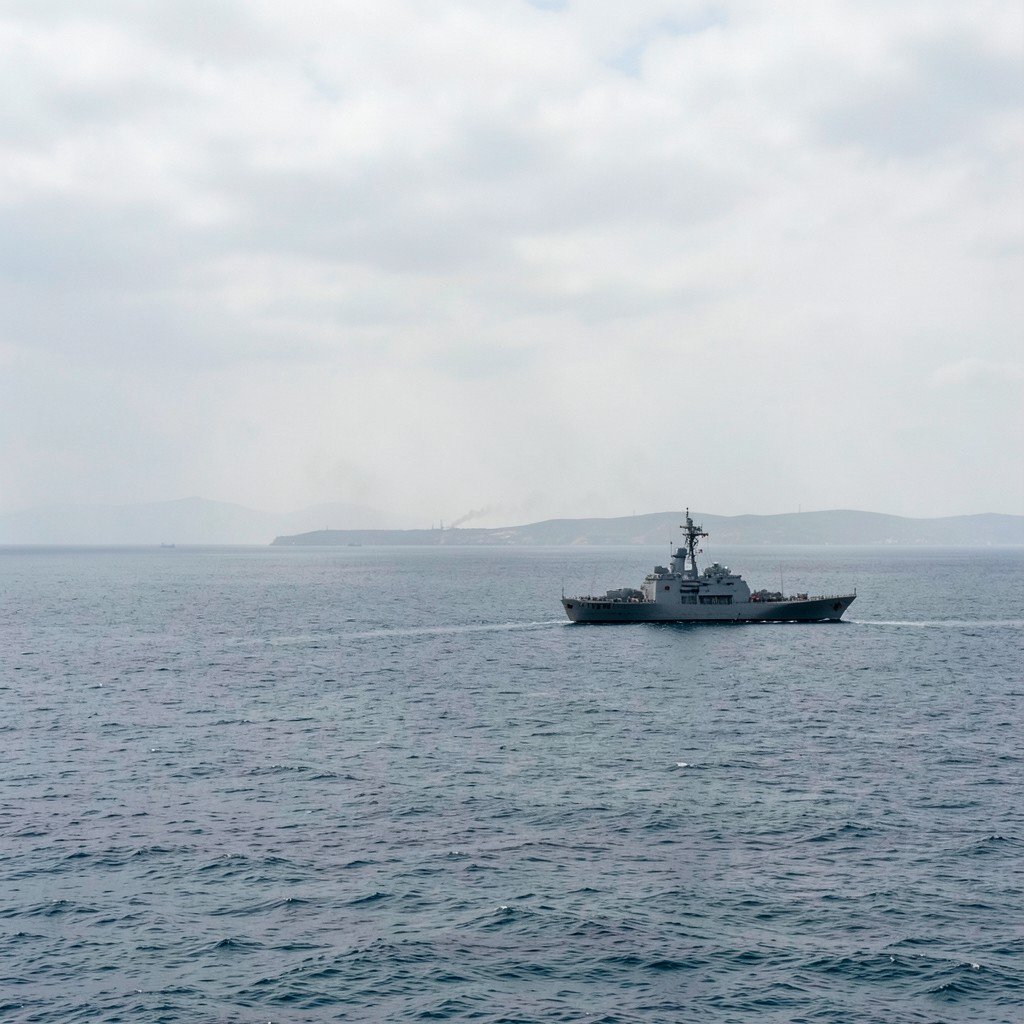
AI-generated representative image: A US Navy vessel in the Strait of Hormuz, reflecting the strategic military standoff as strike options narrow.
Editorial Team
Editorial Team
Escalated air campaigns, ground invasion, and nuclear use all carry severe consequences, leaving negotiation as the most viable path forward

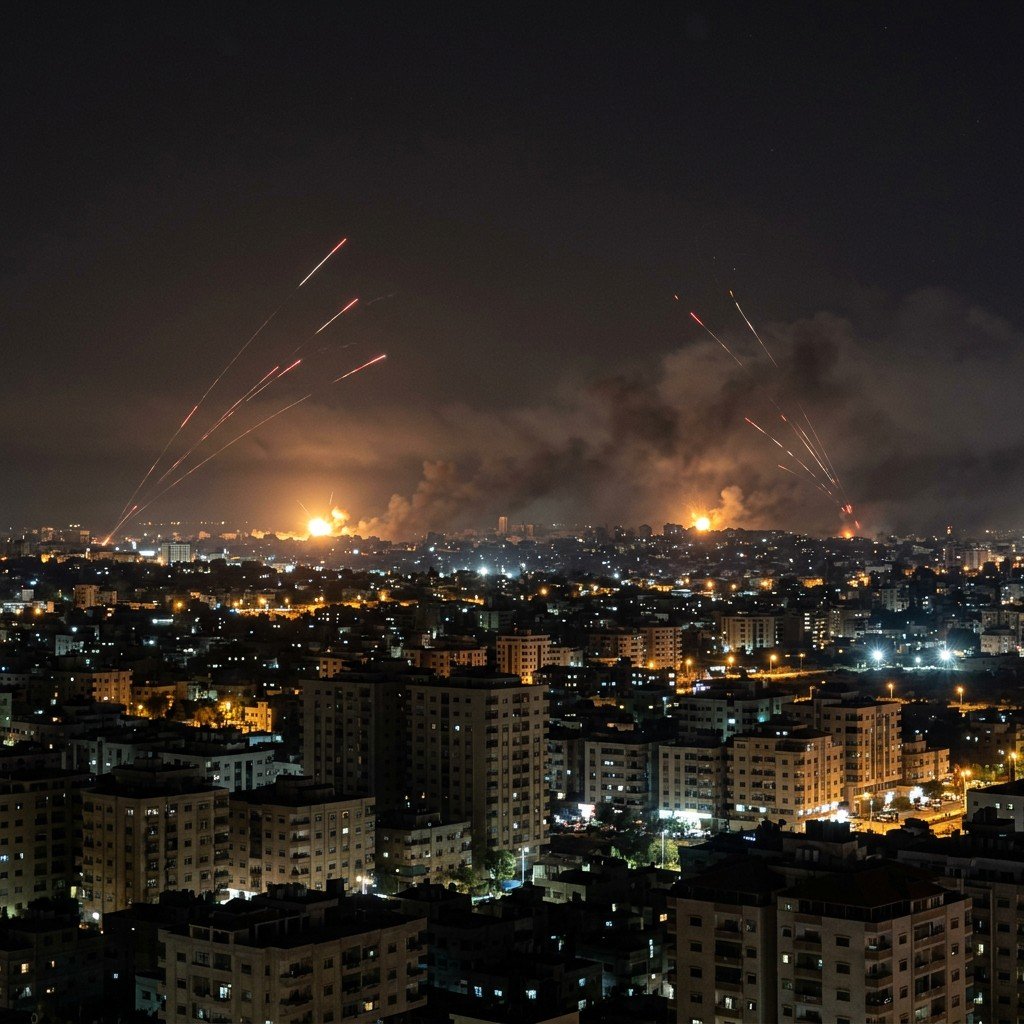
US President Donald Trump placed plans for massive strikes on Iran on hold last week following a White House meeting with advisers, amid mounting domestic opposition and constrained military options. Nearly 70 percent of Americans oppose the war, according to current polls, while reports indicate US and Gulf allied missile stockpiles have been significantly depleted.

The pause comes at a critical juncture. Despite Defense Secretary Pete Hegseth's assertion that Iran's military has reached "its lowest point ever," intelligence assessments suggest Tehran has reconstituted and even increased its capacity to produce drones and missiles. The US has nonetheless repositioned additional aircraft, missile defense units, two Marine Expeditionary Units, and airborne components to the region in preparation for potential strikes on Iranian staging points.

Military Options Under Review

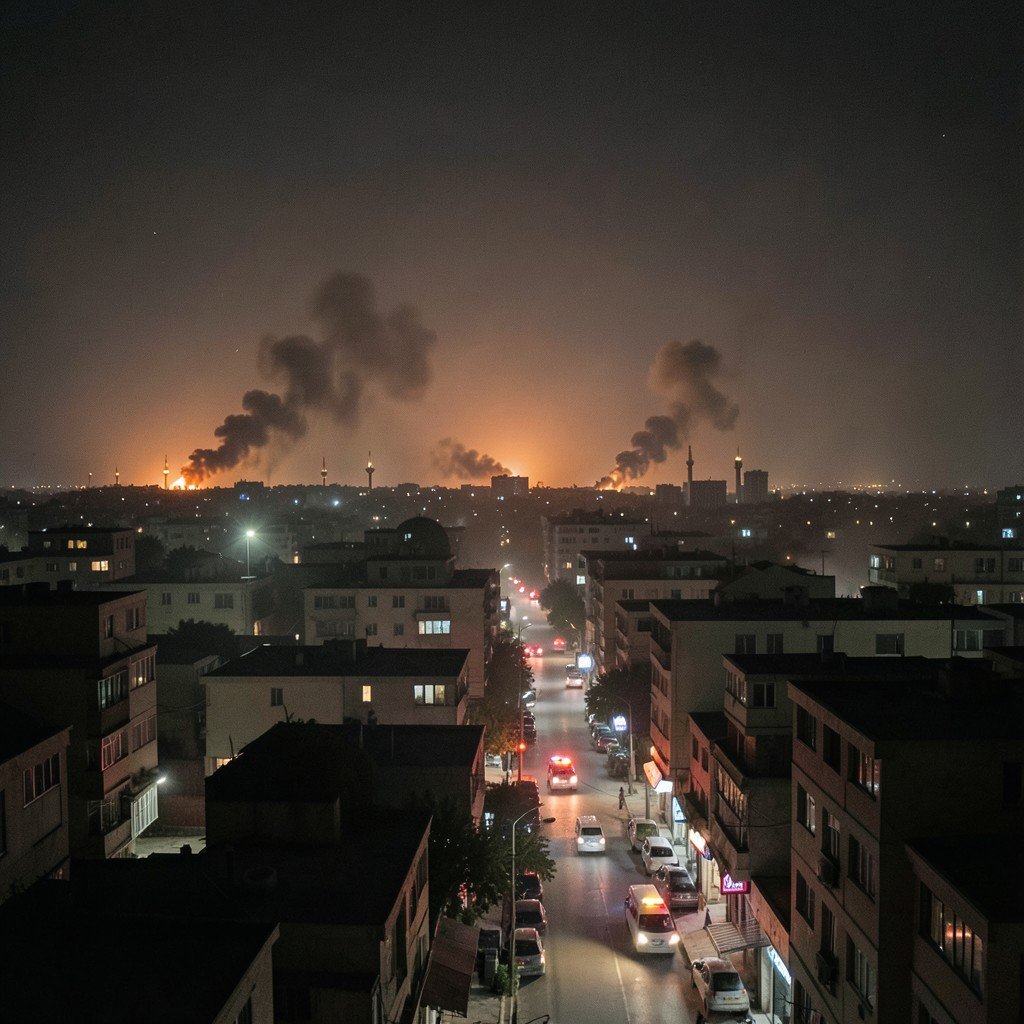
Trump faces three primary military pathways, each carrying substantial risks. Expanding air and missile strikes beyond already exhausted military targets would shift focus to civilian infrastructure, including energy facilities, power grids, bridges, roads, and telecommunications networks. Such a campaign could trigger war crimes accusations, rally Iranian public sentiment against the US, and provoke retaliatory strikes on Gulf desalination and energy infrastructure. Oil prices could surge to $150 or even $200 per barrel, risking an international economic crisis.

A ground invasion remains logistically unfeasible with current force levels. Each Marine Expeditionary Unit comprises roughly 2,500 personnel, with only 800 infantry troops capable of limited ground operations. Airborne units deploy with only days of supplies. Retired General Barry McCaffery has cautioned that even 150,000 troops may prove insufficient to secure the Strait of Hormuz along the Iranian coastline.

The nuclear option, even as a demonstration shot, would trigger catastrophic repercussions. An exoatmospheric detonation would generate an electromagnetic pulse destroying chip-based systems across hundreds of miles beyond Iran. A surface burst would produce a radioactive cloud drifting eastward, affecting populations far from Iranian territory. Such action could also alter Russian President Vladimir Putin's calculus on nuclear weapons use in Ukraine.
Strategic Stalemate

The current standoff follows a sustained period of US military buildup in the region. Reports indicate that defensive missile magazines and Tomahawk land-attack missile inventories among the US and its Gulf allies have been severely depleted, imposing a powerful constraint on sustained operations. Despite the escalation, diplomatic channels between Washington and Tehran have remained open throughout the crisis.

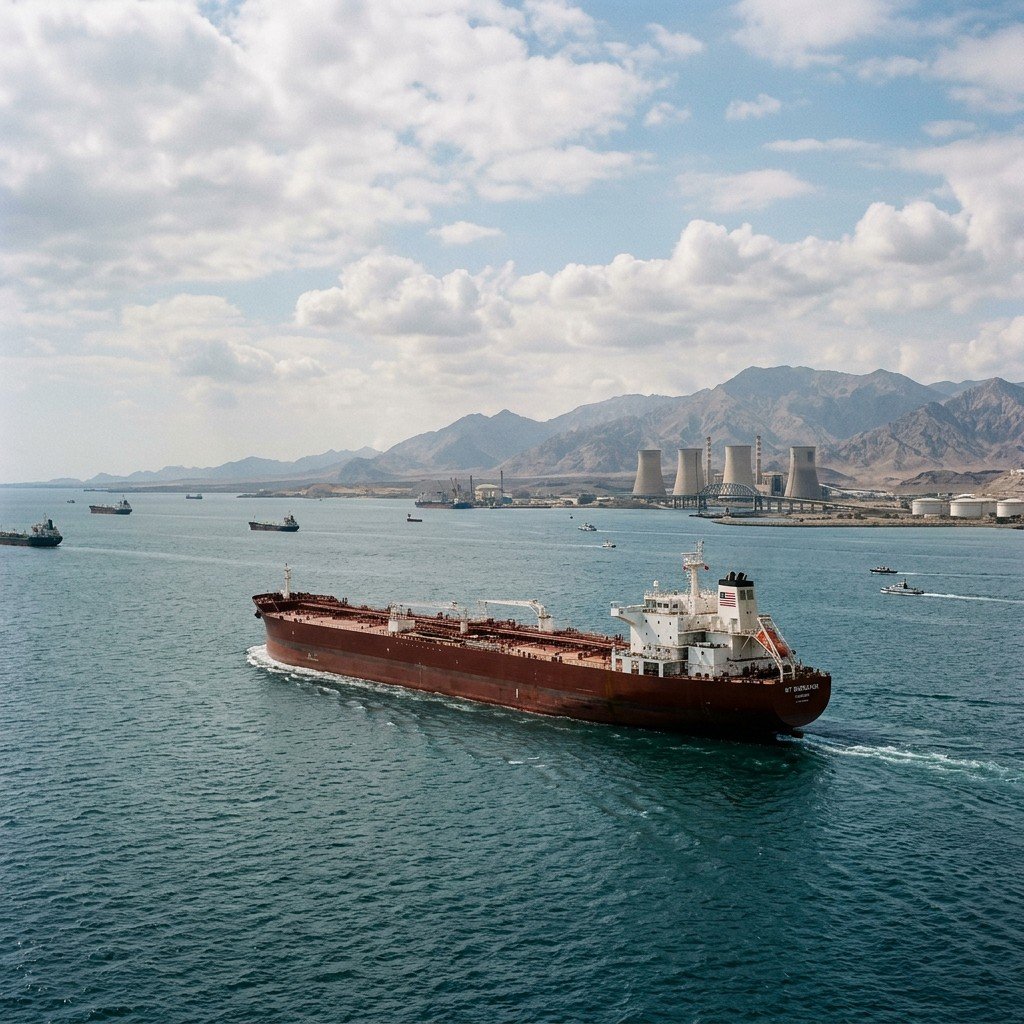
Domestic political pressure on Trump and the Republican Party has intensified as economic costs mount. The Strait of Hormuz and Bab al-Mandeb, two of the world's most critical maritime chokepoints, remain central to both military planning and potential diplomatic resolution.

Force Posture and Limitations

The two Marine Expeditionary Units currently stationed in the region lack the scale for major ground objectives. Airborne components from either the 82nd or 101st Airborne Division face immediate resupply requirements upon deployment. Any operation targeting Kharg Island would require a lengthy and vulnerable transit from the western Strait of Hormuz, exposing US forces to significant casualty risk.

On the Iranian side, despite Hegseth's characterization of Iranian military weakness, the country retains the ability to launch large-scale drone and missile attacks. Some intelligence further indicates Iran has rebuilt and expanded its weapons production capacity, complicating any assumption of a short or limited campaign.

The Diplomatic Path

Analysts suggest the most viable course is for Trump to declare victory and pivot toward negotiations, claiming to have brought Iran to the table despite ongoing talks. Priority issues would include reopening the Strait of Hormuz and Bab al-Mandeb, which would likely lower oil prices and boost stock markets. Trump has not yet announced a final decision on which path to pursue.

MORE LIKE THIS

Comments (0)

Leave a comment

A verified Gmail account is required to post comments.

No comments yet. Be the first to share your thoughts!