

China Expands Maritime Patrols East of Taiwan, Raising Blockade Fears
news

China Expands Maritime Patrols East of Taiwan, Raising Blockade Fears

By Editorial TeamJul 29, 2026 · 6:21 AM4 min read
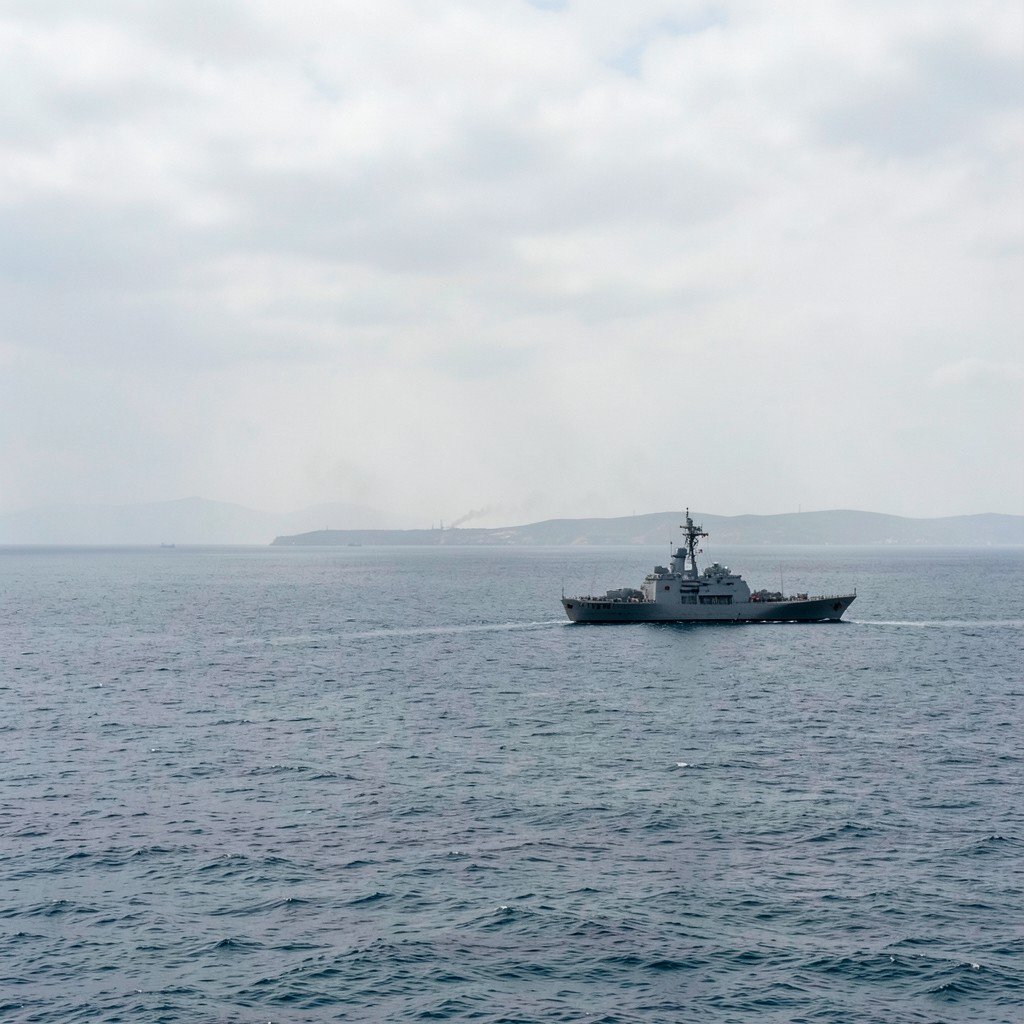
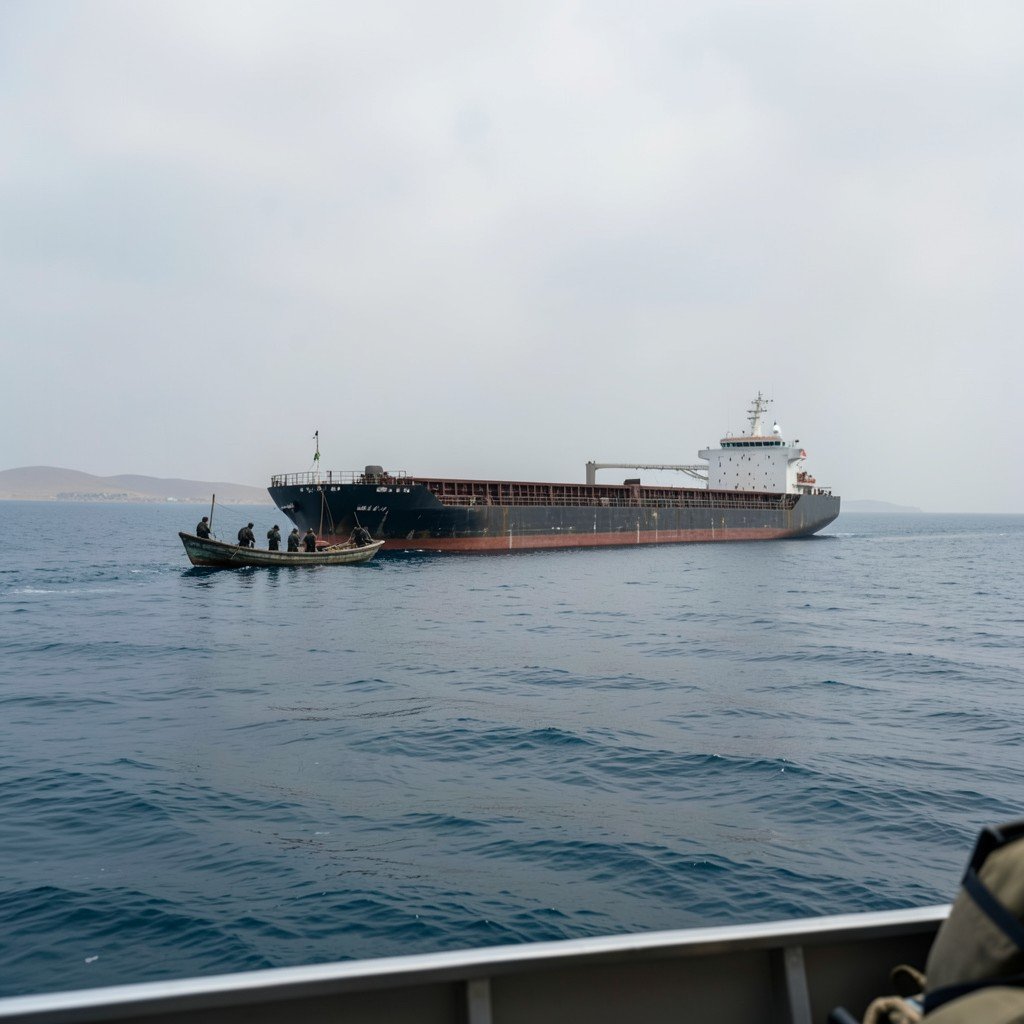
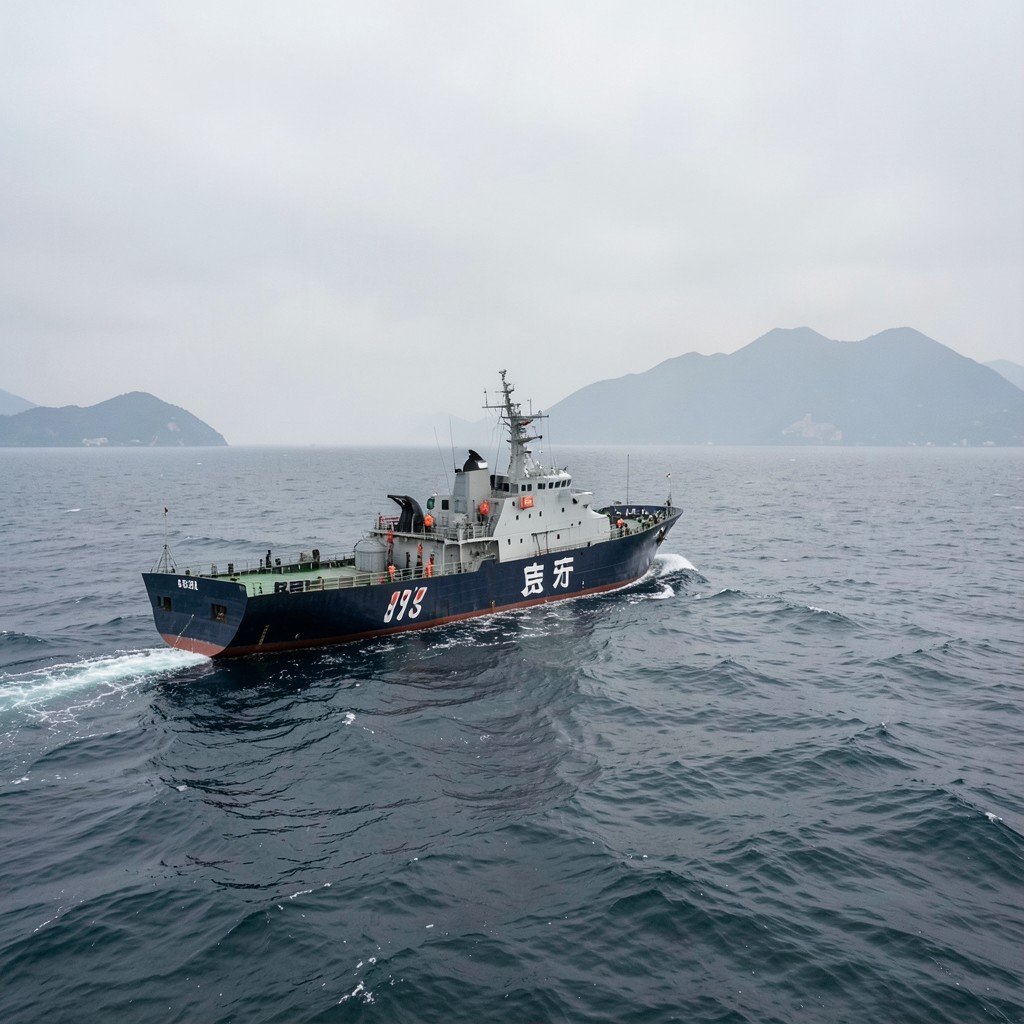
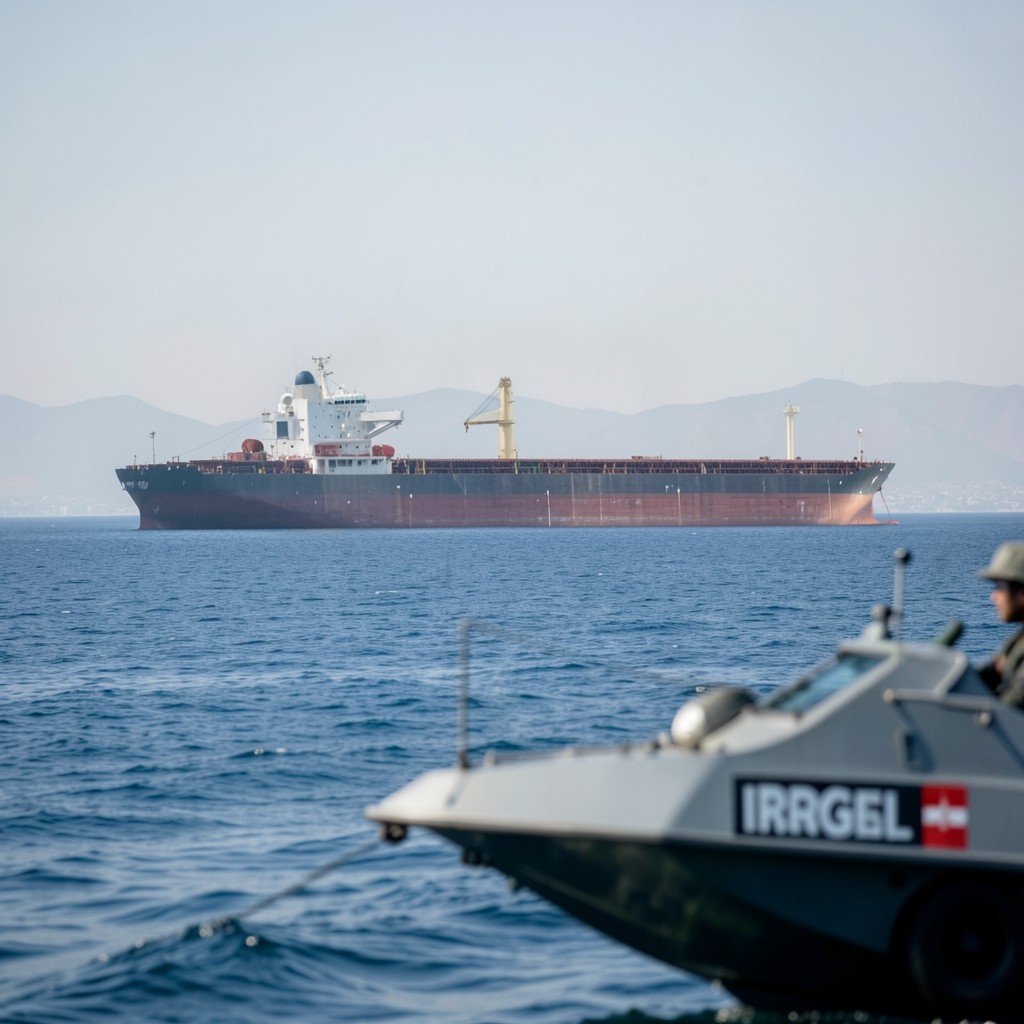
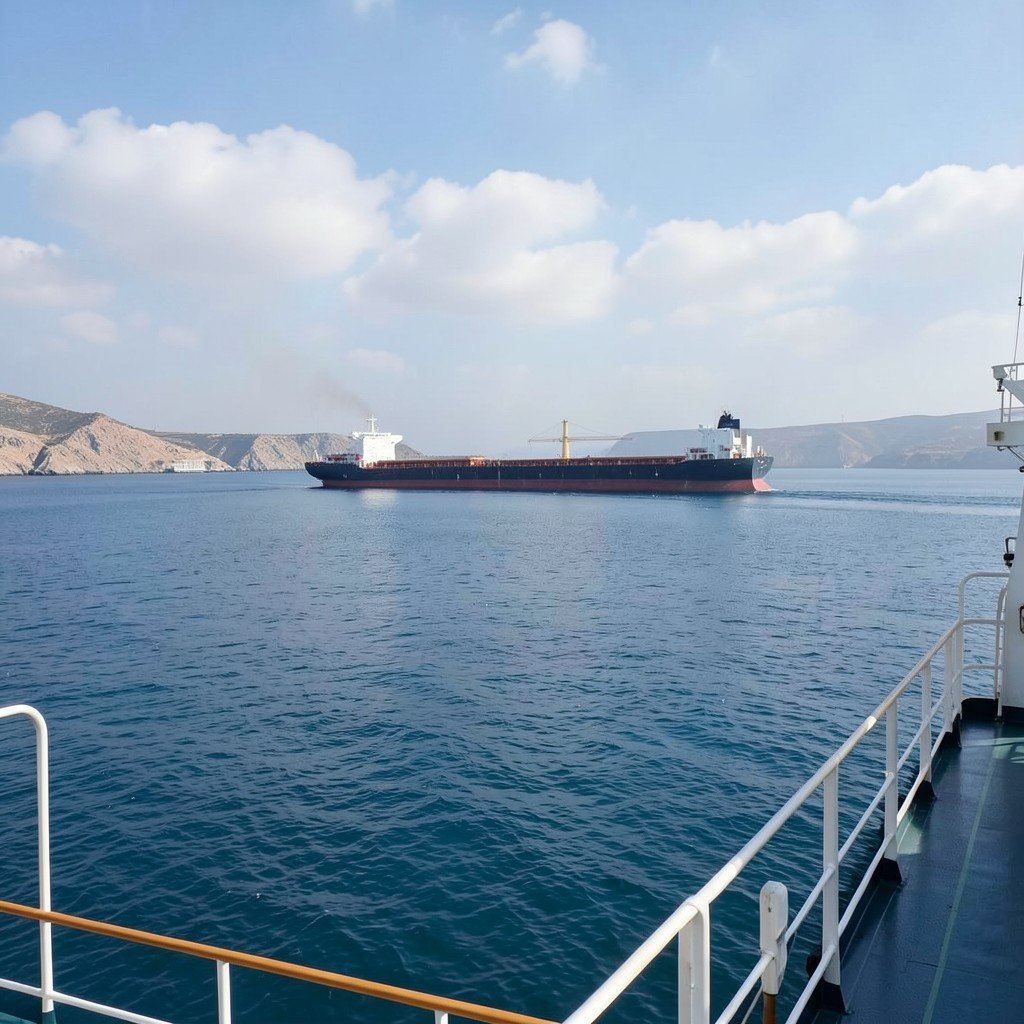
AI-generated representative image: A Chinese coastguard vessel patrols waters east of Taiwan, reflecting heightened maritime tensions reported in June–July 2026
Editorial Team
Editorial Team
Beijing's coastguard and civilian vessels stage repeated operations beyond the Taiwan Strait, alarming security analysts over a potential containment strategy.

China's coastguard and civilian maritime fleet have significantly expanded their patrol presence into waters east of Taiwan throughout June and July 2026, marking the first time such operations have moved beyond the Taiwan Strait in rapid succession. The shift has raised alarm among security analysts and foreign governments that Beijing may be rehearsing a containment strategy capable of severing the self-ruled island's access to international trade and energy supplies.

The expanded patrols represent a strategic escalation in China's long-standing campaign to assert jurisdiction over Taiwan, which Beijing claims as a province. By extending law enforcement operations to Taiwan's eastern waters, China is effectively surrounding the island rather than confining pressure to the strait alone. The development comes amid heightened global concern over regional stability and has prompted rare joint condemnation from European powers.

Escalating Maritime Operations

China's Maritime Safety Administration and coastguard conducted multiple patrols and what authorities described as "special maritime law enforcement operations" through June and July. These included requesting information from commercial vessels about their origin and destination, according to officials in Taipei.

Taiwan's defence authorities reported 55 sightings of Chinese coastguard and research vessel activity in June, a sharp increase from 30 sightings in May. The activity extended to waters near the uninhabited, Taiwan-controlled Dongsha Islands in the South China Sea.

On July 4, China's coastguard formally announced that law enforcement activities east of Taiwan would continue to "firmly safeguard China's territorial sovereignty and maritime rights and interests."
Strategic Context and Territorial Claims

China has long claimed Taiwan as its territory and has pledged to achieve annexation by peaceful means or by force. Beijing also asserts jurisdiction over Taiwan's Exclusive Economic Zone, which extends 200 nautical miles from the island's coastline. Some of these waters overlap with maritime zones claimed by Japan and the Philippines, and Beijing has framed its latest operations as a response to bilateral boundary talks between Tokyo and Manila that it says infringe on Chinese territorial sovereignty.

Since 2022, China has regularly conducted large-scale military exercises in the Taiwan Strait, including a simulated blockade of the island during exercises in December 2025. The coastguard fleet, however, operates under the jurisdiction of the Central Military Commission as a division of the People's Armed Police, leading analysts to describe it as a de facto "second navy" rather than a civilian law enforcement body.

Beijing employs what Taiwanese officials call "grey zone" tactics: pressure measures short of open conflict that include restricting Taiwan's access to international organizations, drone and fighter jet incursions, and alleged cyberattacks. These are designed to strain Taiwan's limited resources and weaken public morale among its 23 million people.

Analyst Warnings and International Reaction

K Tristan Tang, a nonresident fellow at the National Bureau of Asian Research, said the shift eastward carries both strategic and symbolic weight. "Beijing is signalling that it wants to extend its claimed administrative jurisdiction to Taiwan's eastern waters, effectively surrounding Taiwan rather than only eroding Taiwan's space in the strait," Tang said.

Ray Powell, director of the Stanford-based maritime transparency project Sea Light, described the patrols as part of a "boa constrictor strategy that intends to squeeze Taiwan one coil at a time." He warned that radio challenges to vessels could escalate into stopping, inspecting, or rerouting ships, particularly those carrying liquefied natural gas, on which import-dependent Taiwan relies heavily.

In late June, the United Kingdom, Germany and France issued a rare joint statement saying the actions "threaten regional stability and the freedom of navigation and safety of international shipping." US Secretary of State Marco Rubio separately stated that Washington disagrees with the expanded patrols and views them as undermining regional stability.

William Yang, senior analyst for Northeast Asia at the Crisis Group, suggested Beijing may be exploiting a window of opportunity while the United States is focused on the conflict in Iran and President Donald Trump has signaled ambivalence toward Taiwan, having described US weapons sales as a potential "negotiating chip" with China following a May meeting with Chinese leader Xi Jinping.

What Happens Next

China's coastguard has confirmed that expanded law enforcement operations east of Taiwan will continue, though the precise frequency and scope remain unclear. Security analysts caution that even low-profile patrols could rapidly evolve into a de facto blockade or quarantine, given Taiwan's heavy dependence on imported energy. The Chinese embassy in Washington, DC has not responded to requests for comment on the expanded operations.

MORE LIKE THIS

Comments (0)

Leave a comment

A verified Gmail account is required to post comments.

No comments yet. Be the first to share your thoughts!