



Oil Prices Poised for Spike on Geopolitical and Supply Risks
news

Oil Prices Poised for Spike on Geopolitical and Supply Risks

By Editorial TeamJul 26, 2026 · 1:20 PM3 min read
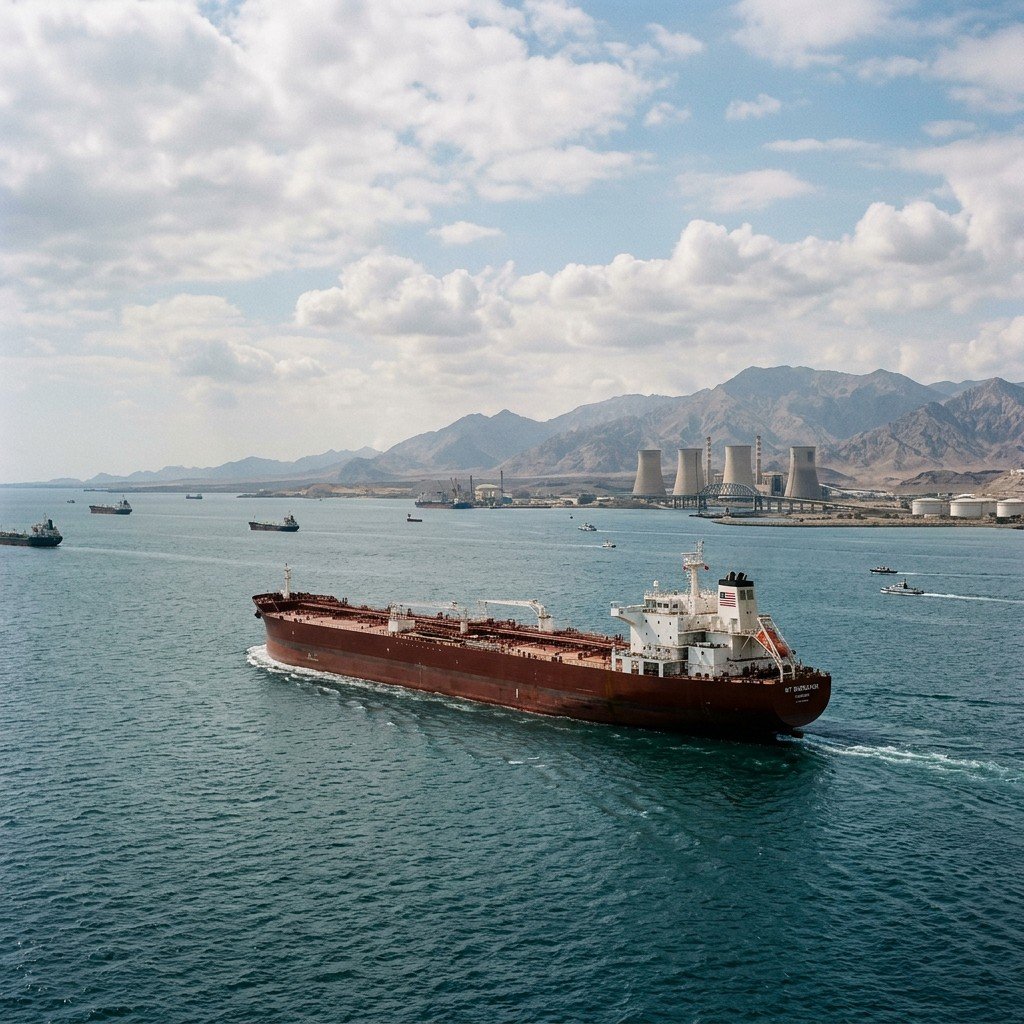
AI-generated representative image. Global oil prices face upward pressure from geopolitical risks, OPEC+ production cuts and declining inventories.
Editorial Team
Editorial Team
Analysts warn OPEC+ cuts, falling inventories, and geopolitical tensions could drive crude significantly higher

Global oil prices are facing renewed upward pressure as a combination of geopolitical instability, production cuts by major exporters, and declining global inventories threaten to tighten supply in the months ahead, according to market analysts. The confluence of risks has raised concerns that crude could spike well above current levels, potentially impacting inflation and economic growth across major economies.

The prospect of higher oil prices carries broad economic implications. For importing nations, particularly in Europe and Asia, a sustained rally would raise transportation and manufacturing costs, complicating central bank efforts to tame inflation. For consumers, it would mean higher fuel and heating bills. The situation has placed renewed focus on the delicate balance between supply management by producers and the energy demands of a recovering global economy.

Key Market Pressures

Several factors are driving the current outlook for tighter oil markets:

  • OPEC+ members, led by Saudi Arabia and Russia, have extended voluntary production cuts totaling more than 2 million barrels per day through the end of the year, limiting available supply.
  • Global oil inventories have declined steadily in recent months, with commercial stockpiles in OECD countries falling below their five-year average.
  • Geopolitical risks have intensified, including ongoing hostilities in the Middle East and disruptions to Russian oil flows due to Western sanctions and logistical constraints.
  • Demand from major economies, particularly China and India, has remained resilient despite earlier concerns about an economic slowdown.

Background and Supply Dynamics

Oil markets have experienced significant volatility since 2022, when prices surged past $120 per barrel following the onset of the conflict in Ukraine and subsequent sanctions on Russian energy exports. Prices later retreated as central banks raised interest rates and concerns over a global recession mounted. However, OPEC+ has maintained a strategy of output restraint to support prices, implementing a series of production cuts since late 2022. The latest round of voluntary reductions, announced in April and extended through the end of 2024, has further tightened the market. Analysts note that spare production capacity remains concentrated in a few OPEC members, leaving the market vulnerable to unexpected disruptions.

Analyst Projections and Supporting Data

Market analysts have issued a range of forecasts based on current conditions. The International Energy Agency has warned that the market could face a significant supply deficit in the second half of the year if OPEC+ maintains its current production levels. Several investment banks, including Goldman Sachs and Morgan Stanley, have projected that Brent crude could rise to the $90 to $100 per barrel range in the coming months. The U.S. Energy Information Administration has also revised its price forecasts upward, citing tighter fundamentals. Analysts point to the declining buffer of spare capacity as a key risk factor that could amplify price moves in the event of any supply disruption.

What Lies Ahead

Oil markets are expected to remain sensitive to developments on multiple fronts in the weeks ahead. Traders will closely monitor OPEC+ meetings for any changes to production policy, as well as geopolitical developments in the Middle East and Eastern Europe. Central bank decisions on interest rates will also influence demand expectations. For now, the balance of risks appears tilted toward higher prices, though a sharper-than-expected economic slowdown could alter the trajectory. Additional clarity is expected as more demand and inventory data becomes available in the coming months.

MORE LIKE THIS

Comments (0)

Leave a comment

A verified Gmail account is required to post comments.

No comments yet. Be the first to share your thoughts!