Trump Iraq talks at White House focus on deals, oil
news

Trump Iraq talks at White House focus on deals, oil

By Editorial TeamJul 15, 2026 · 6:17 AM6 min read
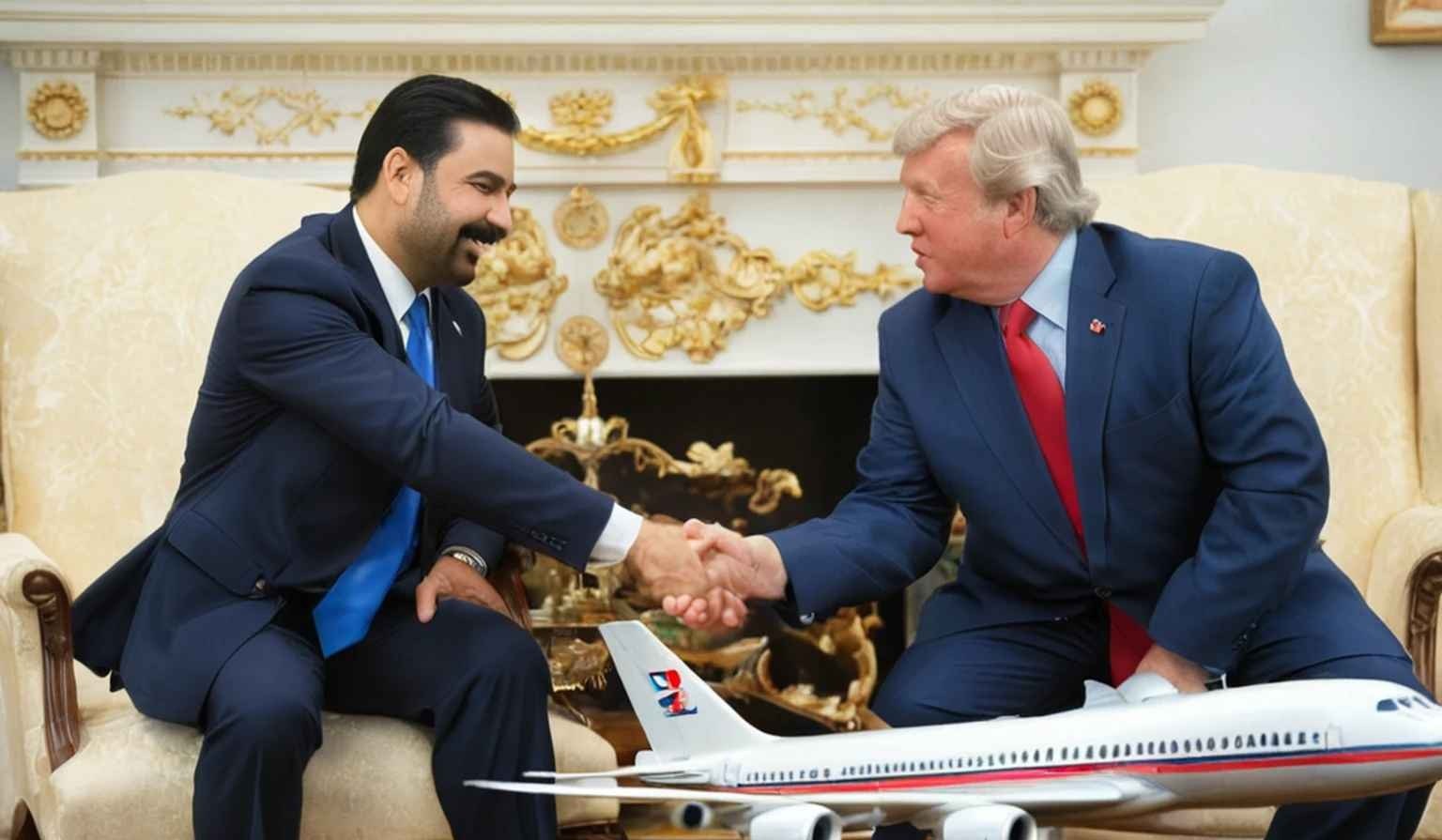
US President Donald Trump shakes hands with Iraqi Prime Minister Ali al-Zaidi at the White House in Washington, DC
Editorial Team
Editorial Team

United States President Donald Trump met Iraqi Prime Minister Ali al-Zaidi at the White House in Washington, DC, on Tuesday, with both leaders saying they want to expand economic cooperation and increase Iraq’s oil output.

During the Oval Office meeting, Trump said the two countries would pursue extensive commercial agreements, while al-Zaidi described the trip as the start of an “economic partnership” and said the bilateral relationship was shifting away from a primarily military focus.

The meeting comes as Iraq navigates competing pressures from Washington and Tehran, including disputes over the continued presence of US troops in Iraq and the influence of Iran-aligned armed groups operating in the country.

It also takes place amid wider regional instability tied to the US-Israeli war with Iran that began on February 28 and has affected Iraq’s economy, particularly through disruption linked to the Strait of Hormuz, a key route for Iraq’s energy exports.

Trump and al-Zaidi both said the remaining US forces in Iraq—believed to number fewer than 2,000—would completely withdraw by September 30. Al-Zaidi said the same date would mark the disarmament of armed factions active across Iraq.

Iraq’s government had previously said it expected several oil and gas agreements to be signed during al-Zaidi’s visit to the United States. Trump echoed that expectation during the meeting, promising “a lot of deals” and saying the push would create jobs in both countries while increasing oil production.

Trump publicly praised al-Zaidi during the White House meeting, calling him “a fantastic champion, a new champion,” and said Iraq had “tremendous potential” because of its oil resources.

Al-Zaidi also raised Iraq’s oil policy priorities, telling reporters at the White House that Iraq needs a “fair share” from the Organization of the Petroleum Exporting Countries (OPEC) as Baghdad seeks a higher quota for oil production.

The White House meeting followed months of political maneuvering over Iraq’s prime ministerial leadership. Earlier this year, Trump publicly opposed former Iraqi Prime Minister Nouri al-Maliki for the role and backed al-Zaidi, who was described as a businessman with no history in politics.

Al-Maliki, who is widely seen as a divisive figure and as having close ties to Iran, dropped out of contention in April, clearing the way for al-Zaidi’s rise.

Iraq’s modern security and political landscape has been shaped by the 2003 US-led war, after which a range of paramilitary groups expanded their influence and have continued to wield power. In his first speech to parliament as prime minister, al-Zaidi pledged to disarm the country’s varied paramilitary factions, though he has not publicly explained how he intends to achieve that goal.

Tensions over armed groups and US troops have persisted since US forces were deployed amid the conflict with ISIL (ISIS). Iraq officially declared victory over ISIL in 2017, but the aftermath has continued to strain state capacity and reconstruction efforts.

Shortly before al-Zaidi departed for Washington, the Islamic Resistance in Iraq—an umbrella group of Iran-backed armed groups in the region, including Iraq—said it would reject any outcomes of al-Zaidi’s visit, underscoring the domestic risks attached to security commitments and foreign policy decisions.

The diplomatic push is also unfolding amid broader regional conflict. Iraq has been described as one of several fronts in the US-Israeli war with Iran that began on February 28, with the conflict’s escalation hanging over al-Zaidi’s visit and Iraq’s efforts to stabilise its economy.

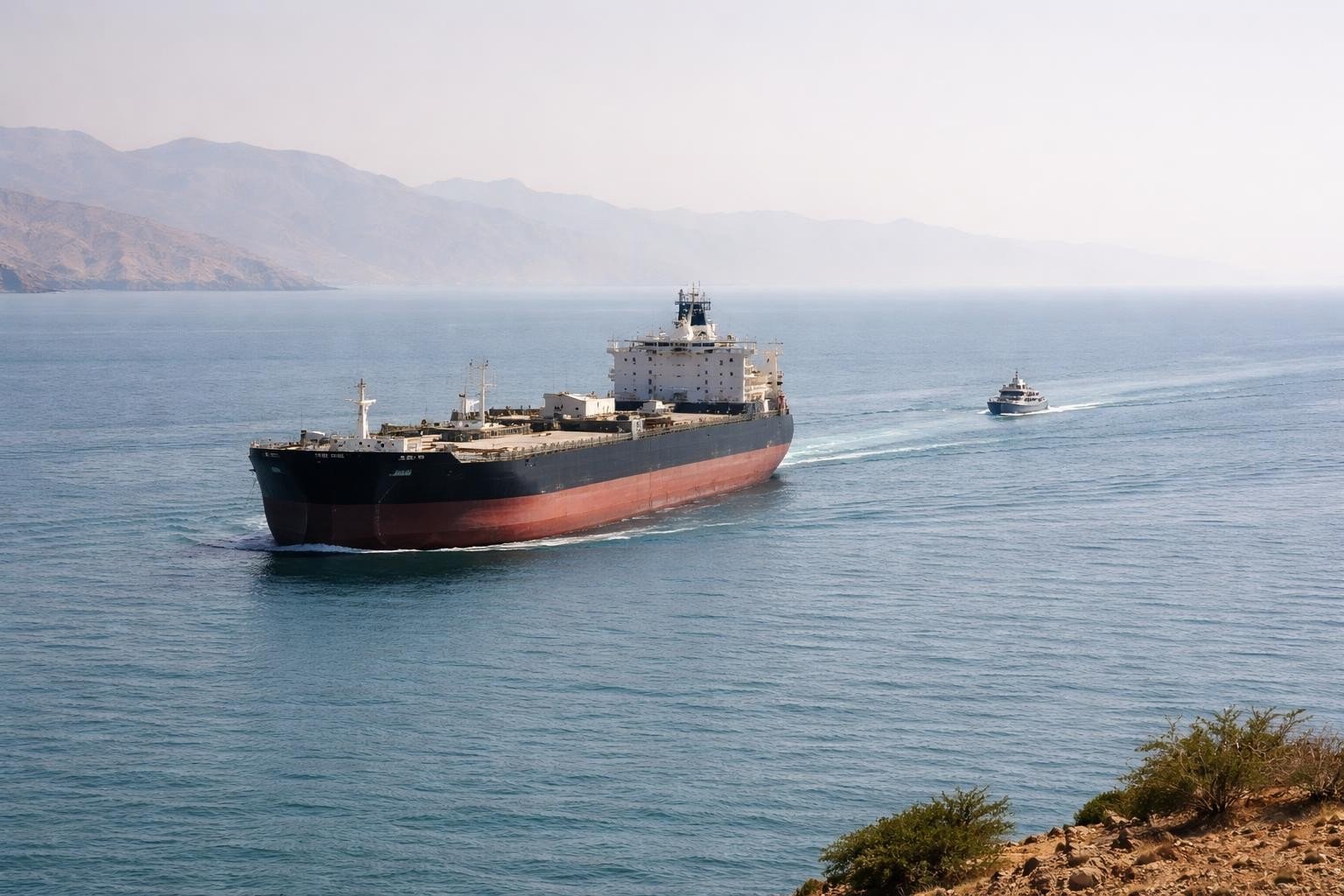
Iraq’s economic vulnerability has been compounded by Iran’s effective closure of the Strait of Hormuz, through which about 90 percent of Iraq’s 3.4 million barrels per day of fossil fuel exports pass. The disruption has heightened Iraqi concerns about export continuity and revenue stability.

The recent fighting has also cast uncertainty over a memorandum of understanding (MoU) reached in June that had pointed to a temporary end to the fighting, the opening of the Strait of Hormuz, and the lifting of a US naval blockade on Iran.

Against this backdrop, al-Zaidi has argued that Iraq’s push for a higher OPEC quota is linked to reconstruction needs following the ISIL war and the continuing burden of displacement and damaged housing.


At the White House, Trump said Iraq’s economic promise was closely tied to its energy resources and outlined his expectations for expanded commercial activity. “Iraq has tremendous potential because of their oil and because of other things, but because of their oil, and we’re going to be doing a lot of deals,” he said.

Trump also linked those prospective agreements to employment and increased production. “We’re going to create a lot of jobs for both countries, and we’re going to be taking out a lot of oil. A lot of oil is coming out,” he said.

Al-Zaidi described the trip as a turning point in bilateral relations, saying the “visit was not like any other visit” and calling it the beginning of an “economic partnership.” He said US-Iraqi relations were shifting from “militaristic to economic.”

On energy policy, al-Zaidi said Iraq needs a “fair share” from OPEC and tied that demand to the costs of war and ongoing displacement. “The ⁠damage suffered by Iraq exceeds $400bn, and to this day, some ⁠Iraqis still have destroyed homes ⁠and are living in camps,” he said. “I have a plan to return them to their homes, and that is why I ‌want a fair share for Iraq in OPEC.”

While al-Zaidi reiterated his intention to disarm armed factions, the source material notes he has not explained publicly how he will meet that objective, and that at least one major umbrella group—the Islamic Resistance in Iraq—has said it would reject any outcomes from the Washington visit.

The leaders’ statements set two parallel targets for September 30: a complete withdrawal of the remaining US forces in Iraq, which are believed to number fewer than 2,000, and the disarmament of armed factions operating across the country, as pledged by al-Zaidi.

Iraq had said ahead of the trip that several oil and gas agreements were expected to be signed during al-Zaidi’s US visit. Further details of any signed agreements, the implementation mechanism for the September 30 security commitments, and the status of the June MoU amid ongoing regional conflict were not provided in the supplied material, and additional official updates are awaited.

MORE LIKE THIS

Comments (0)

Leave a comment

A verified Gmail account is required to post comments.

No comments yet. Be the first to share your thoughts!