


Saudi Arabia Seeks Air Defense Support as Houthi Missile Attacks Surge
news

Saudi Arabia Seeks Air Defense Support as Houthi Missile Attacks Surge

By Editorial TeamSep 17, 2026 · 3:31 PM3 min read
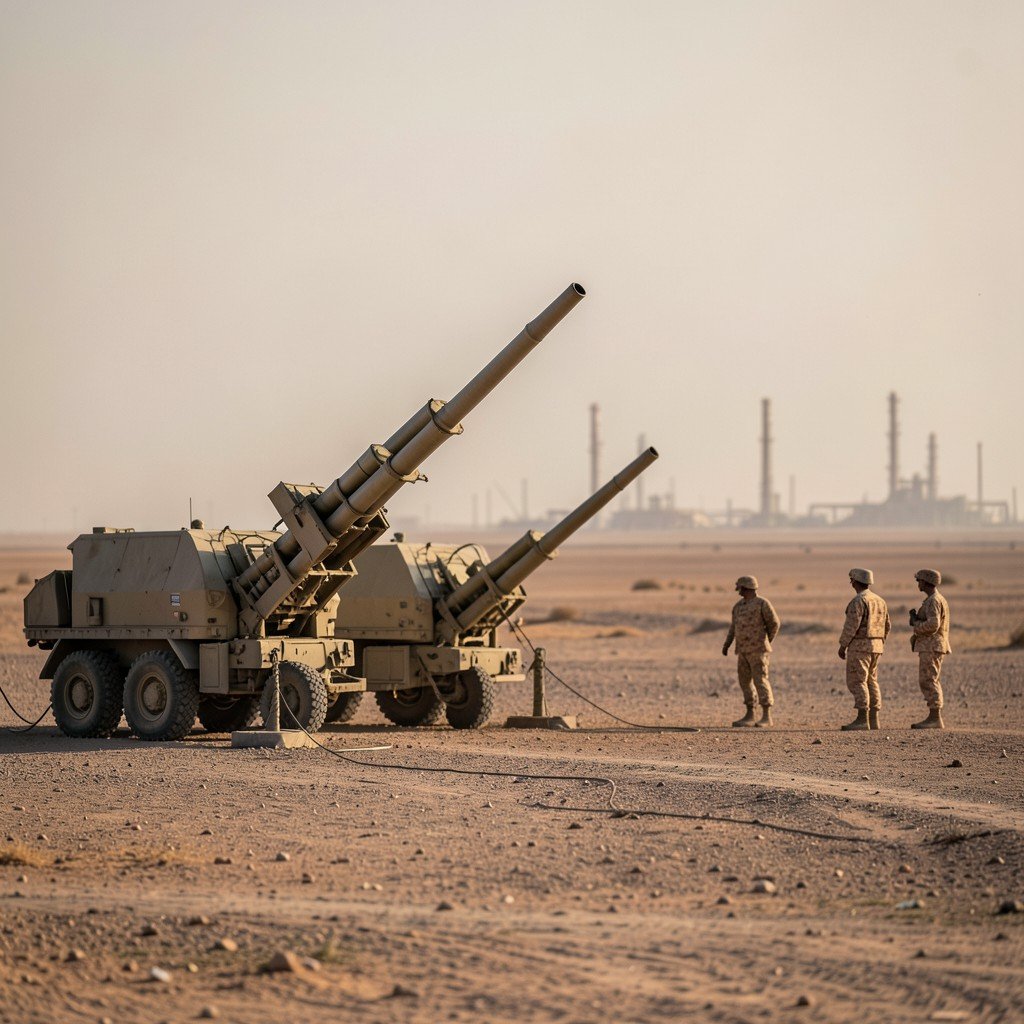
AI-generated representative image: An air defense missile battery in a desert area, reflecting Saudi Arabia's need for air defense support amid Houthi missile a
Editorial Team
Editorial Team
Riyadh runs low on missile interceptors while Houthi strikes target oil infrastructure and Red Sea shipping lanes

Saudi Arabia has turned to regional and global partners for help defending its airspace against attacks from Yemen's Houthi rebels after its main security provider, the United States, declined to intervene militarily. Riyadh is running low on missile interceptors, according to regional officials cited by The Associated Press.

The kingdom has asked France, Britain, Pakistan and Egypt to deploy air-defense support to help protect it from Houthi missiles and drones, the news agency reported.

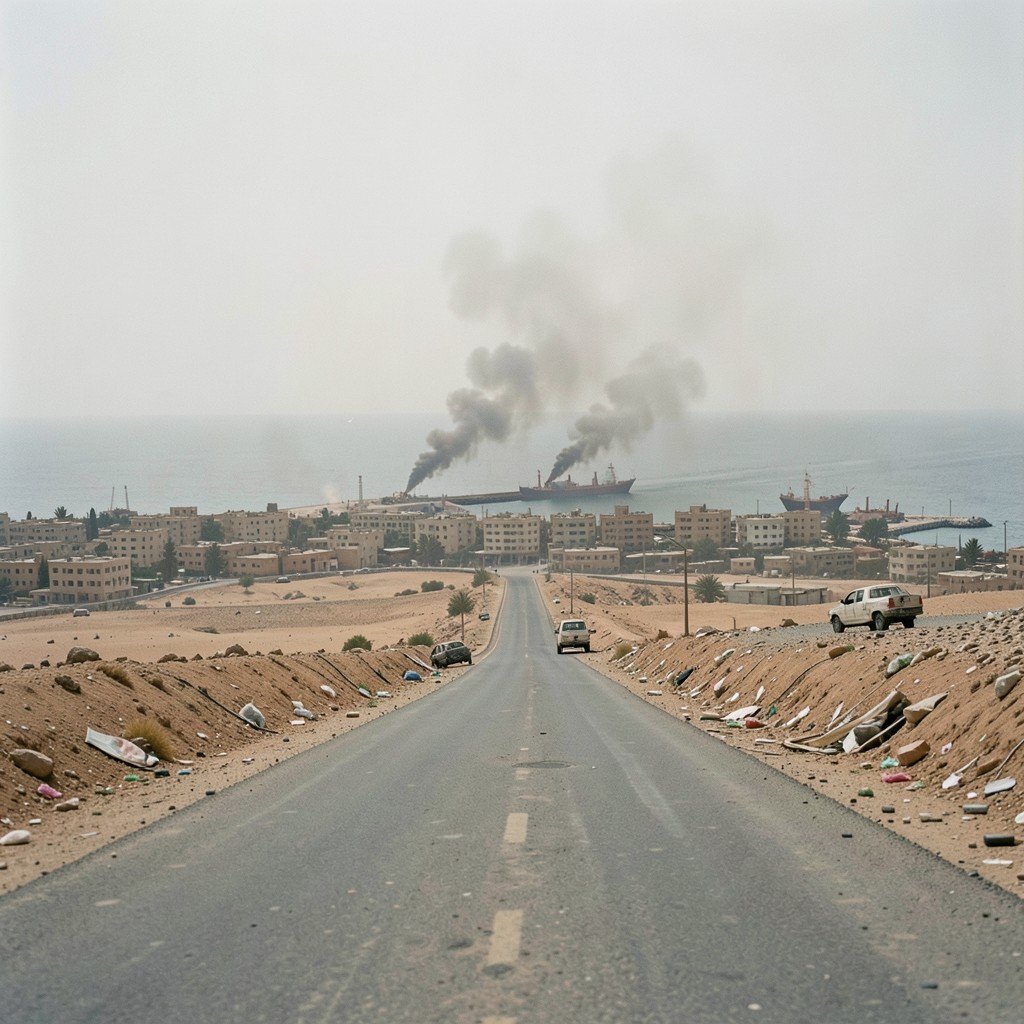
The developments mark a significant escalation in a conflict that reignited in mid-July and now threatens critical oil infrastructure and one of the world's most important maritime chokepoints, the Bab el-Mandeb Strait. Saudi Arabia's ability to shield military bases, government facilities and oil assets is increasingly strained as Houthi forces make territorial gains along Yemen's western coast.

Escalation and Diplomatic Efforts

The fighting reignited in mid-July after Riyadh carried out airstrikes on the airport in Sanaa to prevent an Iranian passenger plane from landing there. In recent weeks, the Houthis have made significant territorial gains against Saudi-backed forces and intensified attacks on strategic targets inside Saudi Arabia.

Saudi Arabia is in a "very difficult position" because it must protect military bases, government facilities and oil infrastructure from Houthi drones and missiles, one regional official told AP. A second official said Riyadh was seeking a collective international response but added that "the decision now is to give diplomacy a chance." Oman and Egypt are leading de-escalation efforts.

US President Donald Trump said last week that his administration had declined a Saudi request to intervene militarily in Yemen in order to keep channels open with the Houthis. Axios reported that Crown Prince Mohammed bin Salman called Trump twice to urge US strikes as Houthi forces advanced toward the Bab el-Mandeb Strait.
Background of the Conflict

The Houthis control much of western Yemen along the Red Sea coast, and Yemen has suffered from a Saudi-imposed naval blockade for years. The group announced restrictions on Red Sea traffic involving Saudi oil as part of its response to the Sanaa strikes.

Their subsequent advances along Yemen's western coast and seizure of strategic territory near the Bab el-Mandeb Strait have strengthened their ability to threaten shipping through the maritime chokepoint. Last weekend, Oman hosted a meeting between US and Houthi representatives to discuss regional tensions, according to AP.

Attacks on Aircraft and Oil Infrastructure

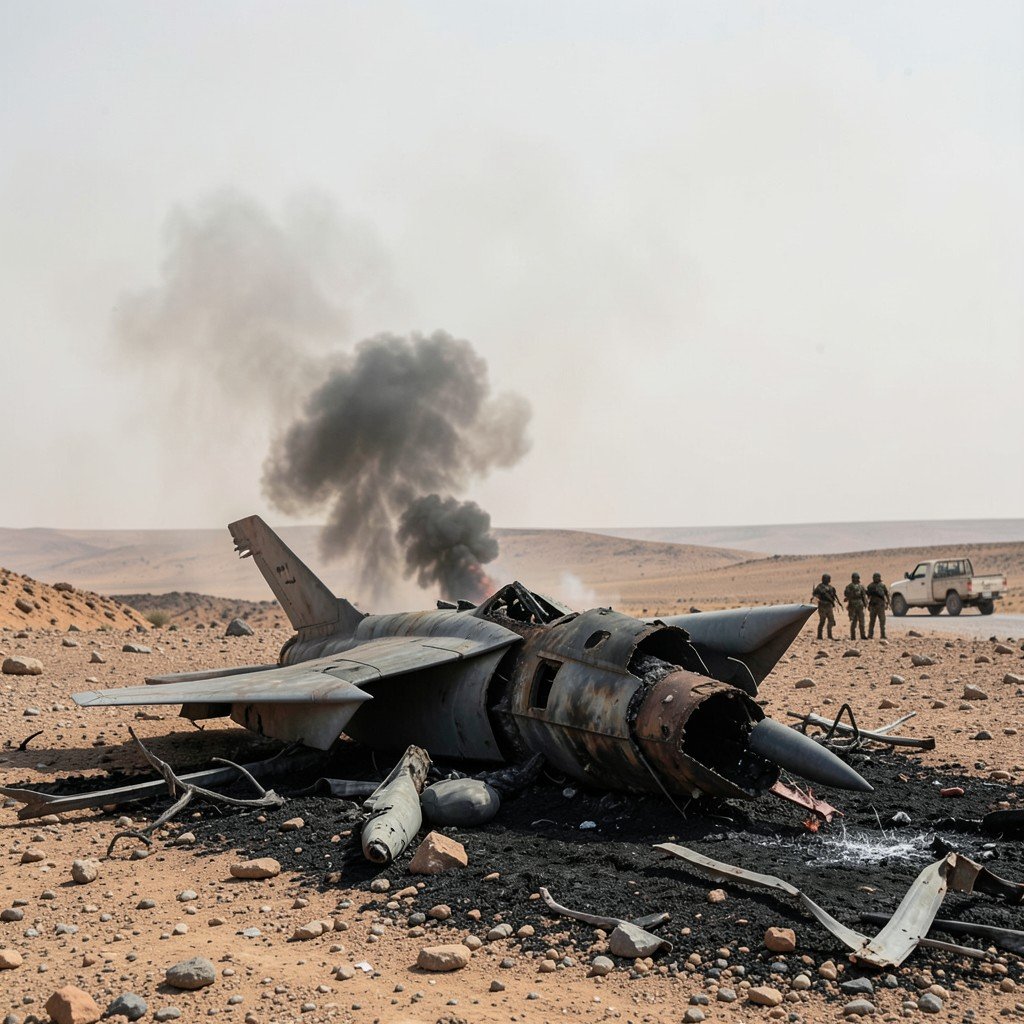
The Houthis claimed this week that they had shot down a Saudi F-15 fighter jet and released a video showing wreckage that appeared to belong to a Royal Saudi Air Force aircraft. Saudi Arabia has not publicly confirmed the loss.

Saudi Arabia's key East-West oil pipeline was also targeted by drones last week, forcing Riyadh to shut down the strategic route. Saudi authorities said the attack originated in Iraq, while Iran-backed Iraqi militias denied responsibility. The pipeline allows Saudi crude exports to bypass the Strait of Hormuz and reach the Red Sea port of Yanbu.

The pipeline has become particularly important amid the US confrontation with Iran and disruption around the Strait of Hormuz. The US has seen its own stocks of missile interceptors decline during that conflict, limiting its ability to supply additional interceptors to Saudi Arabia.

What Lies Ahead

Riyadh is pursuing a dual track of rallying international allies for air-defense support while allowing diplomatic channels to operate, with Oman and Egypt leading de-escalation efforts. The United States has maintained its position of declining direct military intervention to preserve communication lines with the Houthis. Further confirmation of the reported F-15 shootdown and details of any allied deployments remain awaited.

MORE LIKE THIS

Comments (0)

Leave a comment

A verified Gmail account is required to post comments.

No comments yet. Be the first to share your thoughts!