

Yemen Refugees Flee to Djibouti as Houthi Offensive Intensifies
news

Yemen Refugees Flee to Djibouti as Houthi Offensive Intensifies

By Editorial TeamSep 15, 2026 · 5:07 PM4 min read
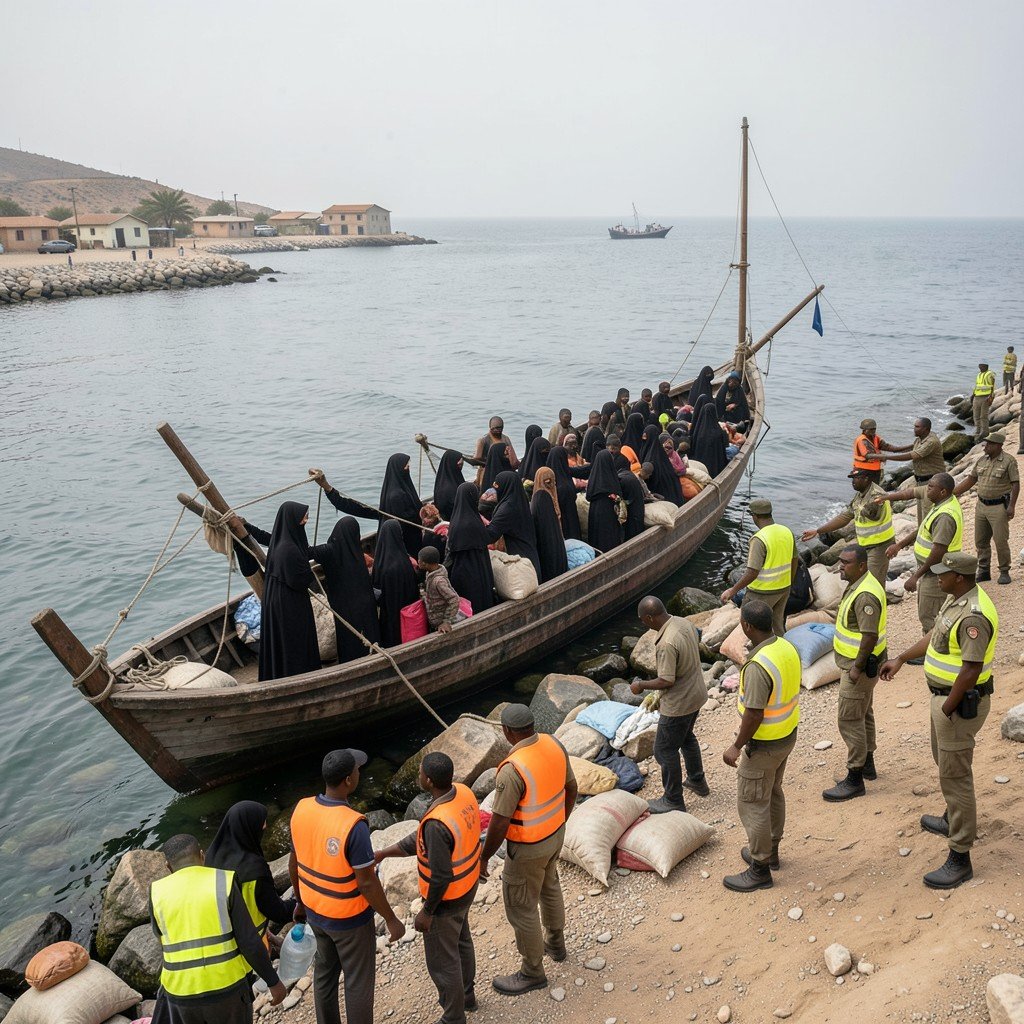
AI-generated representative image: Refugees arriving by boat on Djibouti's northern coast as Yemeni families flee renewed fighting.
Editorial Team
Editorial Team
Thousands displaced by renewed fighting overwhelm Djibouti's northern coast as humanitarian agencies mobilize

More than 3,400 people fleeing renewed fighting in Yemen have landed along Djibouti's northern coast, according to Djiboutian authorities. The figure, reported by Djibouti's state news agency on Sunday, covers just 48 hours of arrivals and is part of a surge that officials say began the previous weekend.

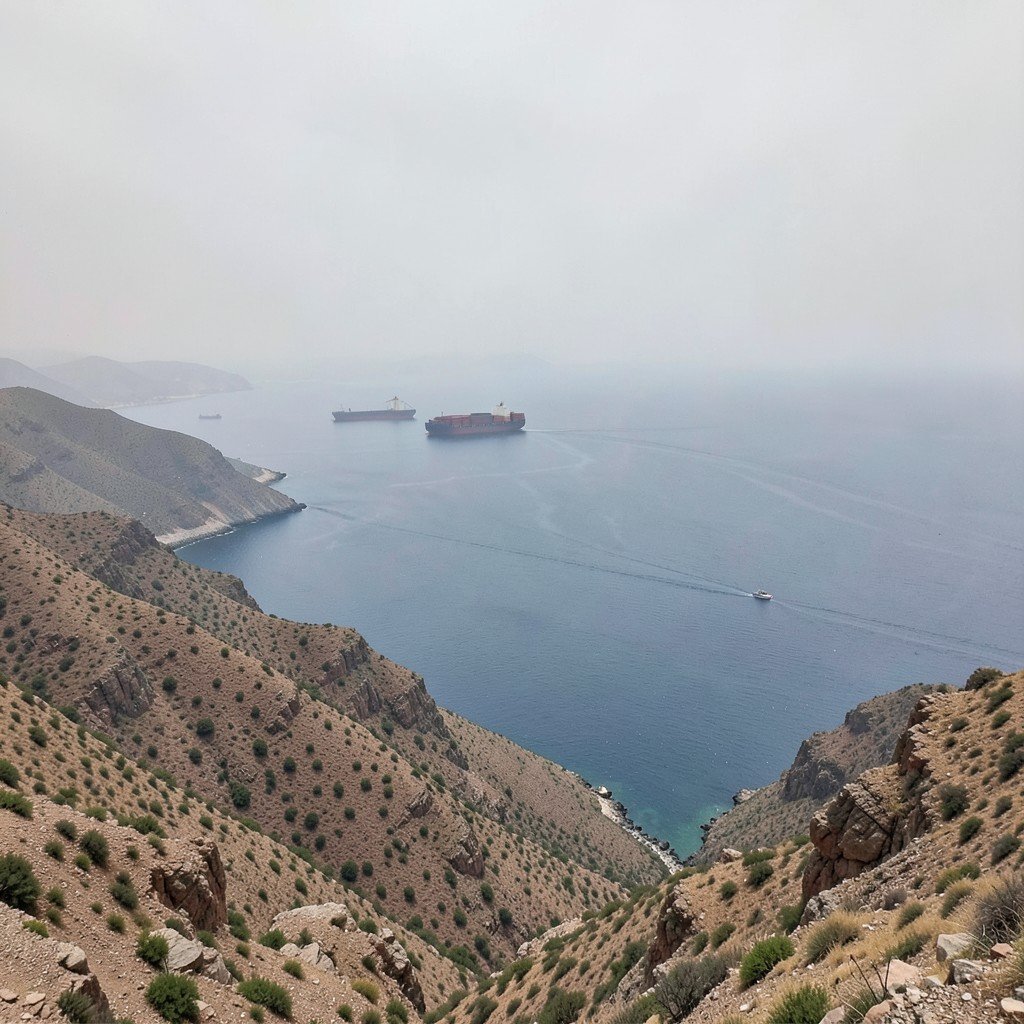
The crossings followed a Houthi offensive in which the group, which controls much of northern Yemen, seized the Red Sea port of Mocha and advanced along the coast towards the narrow strait separating Yemen from Djibouti.

The influx is placing severe strain on Djibouti, a country of fewer than 1.2 million people with limited resources. Officials warn that already stretched services are being overwhelmed as thousands arrive within days, many of them women and children crossing the Bab al-Mandeb on overcrowded vessels.

The crisis carries implications far beyond humanitarian relief, given Djibouti's role as a hub for foreign militaries and its position beside one of the world's most important shipping corridors.

Rapid Escalation of Arrivals

Djibouti's Finance Minister Ilyas Dawaleh documented the accelerating arrivals in a series of posts on X, reporting about 500 people by September 11, 1,400 the following day and more than 2,000 by that evening. By September 13, he wrote that the pace was becoming "increasingly difficult for our country".

  • Djibouti's coastguard, navy, army and health services were deployed to rescue people stranded at sea and receive them ashore.
  • Food and first aid were provided at sites including Obock and the smaller coastal post of Khor Angar.
  • Authorities said they were preparing to receive as many as 10,000 people if the pace continued.
  • Prime Minister Abdoulkader Kamil Mohamed travelled to Obock on Sunday to meet officials from the UNHCR, the World Food Programme and the IOM.

Background and Historical Context

The International Organization for Migration said on Sunday that fighting had driven residents out of entire districts in Yemen, including Maqbanah and Jabal Habashi, with wider displacement inside Yemen exceeding 85,000 people, most of it in the first two weeks of September.

Djibouti has received refugees from across the region for decades. In 2015, more than 15,700 Yemenis arrived after the war escalated, according to IOM and Djiboutian government figures. The country already hosts more than 36,000 registered refugees and asylum seekers, according to UNHCR's March figures, most from Somalia, Ethiopia and Yemen.

The Markazi camp near Obock, which received thousands of Yemenis during the earlier exodus a decade ago, is again being used to accommodate new arrivals. "Yemenis are also not distant foreigners; there are Yemeni communities who have been here for centuries," said Aden Omar Abdillahi, director of the Djibouti-based Institute of Political and Strategic Studies.

Conditions of the Crossing

Footage aired on Djibouti's state broadcaster RTD showed wooden dhows and larger vessels arriving near Obock, crowded with women in black robes and children wearing life jackets. Those coming ashore carried sacks of clothing, water containers, food and other personal items.

Alexandre Coissac, who heads the IOM in Djibouti, said people had arrived on "all kinds of sea vessels, from small dhows to larger ships", with one vessel alone carrying hundreds of people. Some families remained stranded on the Yemeni side due to fuel shortages. UNICEF said children making the crossing were exposed to extreme heat, dehydration and a lack of safe drinking water.

On September 12, Dawaleh wrote that the UNHCR and other UN agencies "appear to be lacking resources to receive and protect these vulnerable people with dignity", urging the international community to "stand with us urgently".

What Lies Ahead

After Houthi forces seized the strategic island of Mayyun, also known as Perim, in the Bab al-Mandeb strait, Djibouti's Ministry of Foreign Affairs said on September 11 it was following developments "with increased attention" while backing efforts to ease tensions and reach a political solution in Yemen.

Authorities in Puntland and Somaliland, two self-governing regions of Somalia across the Gulf of Aden, have asked UN agencies for help preparing for larger numbers, with possible arrivals at the port towns of Bosaso and Berbera. Coissac warned that many arrivals were likely to remain in Djibouti, saying: "The number of people arriving is large, and if it continues at this rate, we'll not be able to manage."

MORE LIKE THIS

Comments (0)

Leave a comment

A verified Gmail account is required to post comments.

No comments yet. Be the first to share your thoughts!