


Sporotrichosis in Brazil: Cat-to-Human Spread Grows
science-and-technology

Sporotrichosis in Brazil: Cat-to-Human Spread Grows

By Editorial TeamJul 6, 2026 · 2:01 PM3 min read
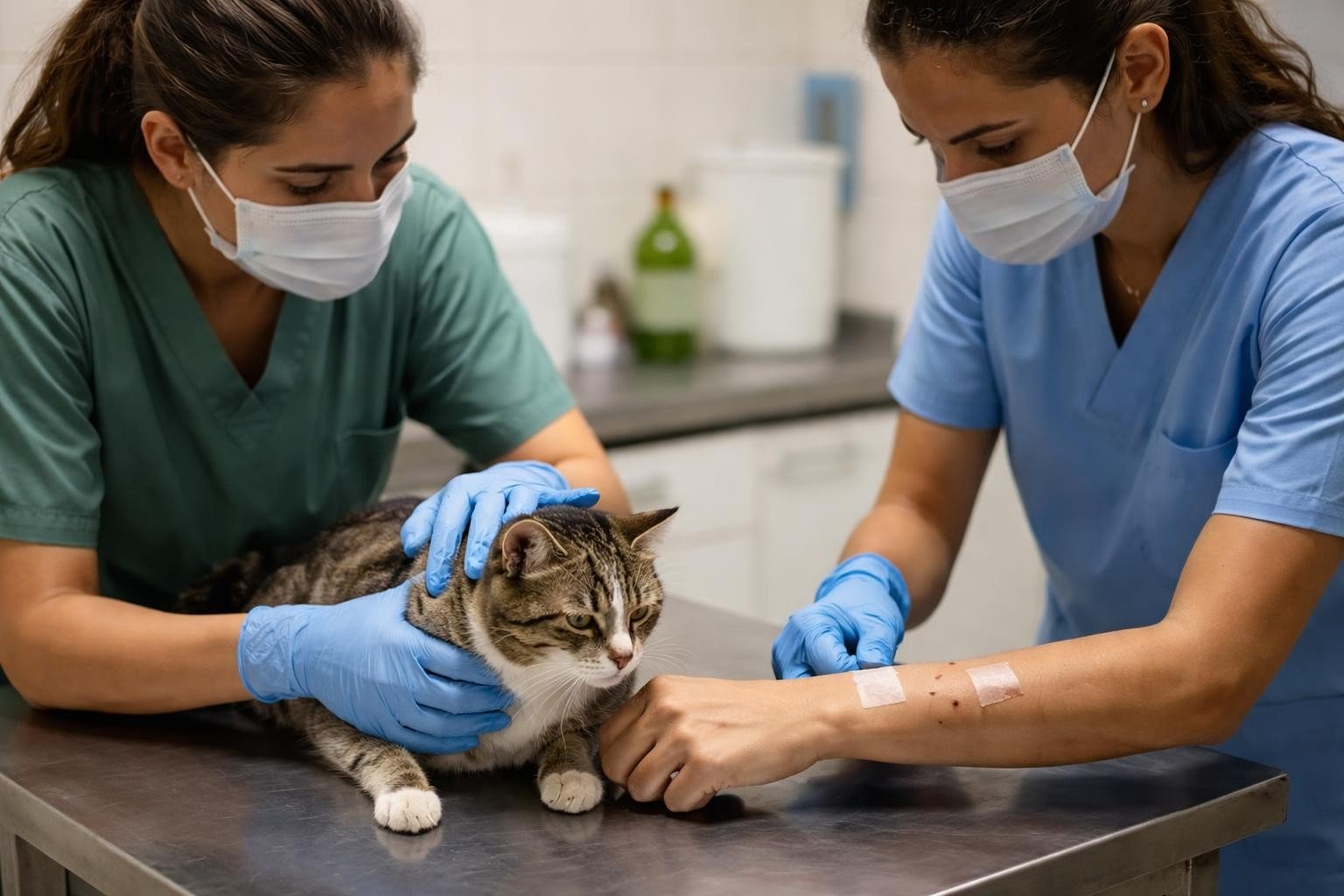
AI-generated representative image of veterinary and medical staff assessing a cat and a patient amid concerns about cat-to-human sporotrichosis in Brazil.
Editorial Team
Editorial Team

Sporotrichosis in Brazil is increasingly spreading among cats and infecting people, prompting researchers to warn that close contact with sick animals especially scratches and bites can transmit the fungus and that some infections may be becoming harder to treat.

The expansion matters because cats can carry high amounts of the fungus and live in close contact with humans, creating conditions for sustained outbreaks. Public health experts say delays in diagnosis, uneven access to appropriate treatment and gaps in veterinary care can allow cat-associated sporotrichosis to reach new areas highlighting the importance of coordinated “One Health” action. For broader context on outbreak response challenges, see Ebola Virus: Why Outbreaks Still Alarm Health Officials.

Key developments

  • Researchers have documented continued geographic expansion of cat-associated sporotrichosis in Brazil, with outbreaks linked to transmission from infected cats to humans.

  • People most often become infected after being scratched or bitten by an infected cat, or when the fungus enters the skin through small cuts while handling a sick animal.

  • Some cases involve fungal strains that appear less responsive to commonly used antifungal medicines, complicating treatment and increasing the need for early detection.

  • Experts emphasize “One Health” measures coordinated action across human health, veterinary care and environmental management to slow spread and reduce the risk of severe outcomes.


Context and background

Sporotrichosis is caused by fungi in the genus Sporothrix, which can enter the body through breaks in the skin. Historically, the disease has been associated with environmental exposure such as contact with plants or soil but in Brazil a major route of infection has been linked to cats, which can develop severe disease and transmit the fungus to other cats and to humans.

The infection often begins in the skin and can cause lesions that may spread along lymph vessels. While many infections are treatable, delayed care and underlying health problems can increase the risk of more serious illness.

Details and evidence

According to reporting reviewed by Voice of Urdu based on the source material, infected cats can develop lesions with high fungal loads, helping explain why scratches, bites and direct contact with wounds are important transmission routes. Researchers and clinicians working in affected regions have described rising case counts over time and the appearance of the disease in places where it was previously uncommon.

Clinicians typically rely on laboratory testing to confirm sporotrichosis, but access to diagnostics and appropriate antifungal treatment can be uneven. That can prolong infectious periods in cats and people and increase the chance of onward spread.

Public health and veterinary specialists cited in the source material stress practical prevention steps, including avoiding direct contact with suspicious lesions, using protective gloves when handling ill animals, seeking veterinary care for symptomatic cats and medical care for people with persistent skin lesions after cat exposure. For related reporting on Brazil, see Elon Musk's X Shuts Down Operations in Brazil Amid Legal Dispute.

Current status and next steps

Researchers continue to monitor the spread of cat-associated sporotrichosis and the performance of available treatments. Health experts say the most immediate next steps are to strengthen surveillance, expand access to diagnosis and treatment, and improve coordination between animal and human health services to reduce transmission.

Officials and clinicians in affected areas continue to urge people to seek timely care for suspected infections and to avoid abandoning sick animals, which can worsen community spread.

MORE LIKE THIS

Comments (0)

Leave a comment

A verified Gmail account is required to post comments.

No comments yet. Be the first to share your thoughts!